Hosting the Olympic Games in 1920 and being the second largest metropolitan region in Belgium after Brussels, in my humble opinion, Antwerp is one of the low-key host cities of the Summer Olympic Games and its beauty and uniqueness have always been underrated.
Brussels-Central Station
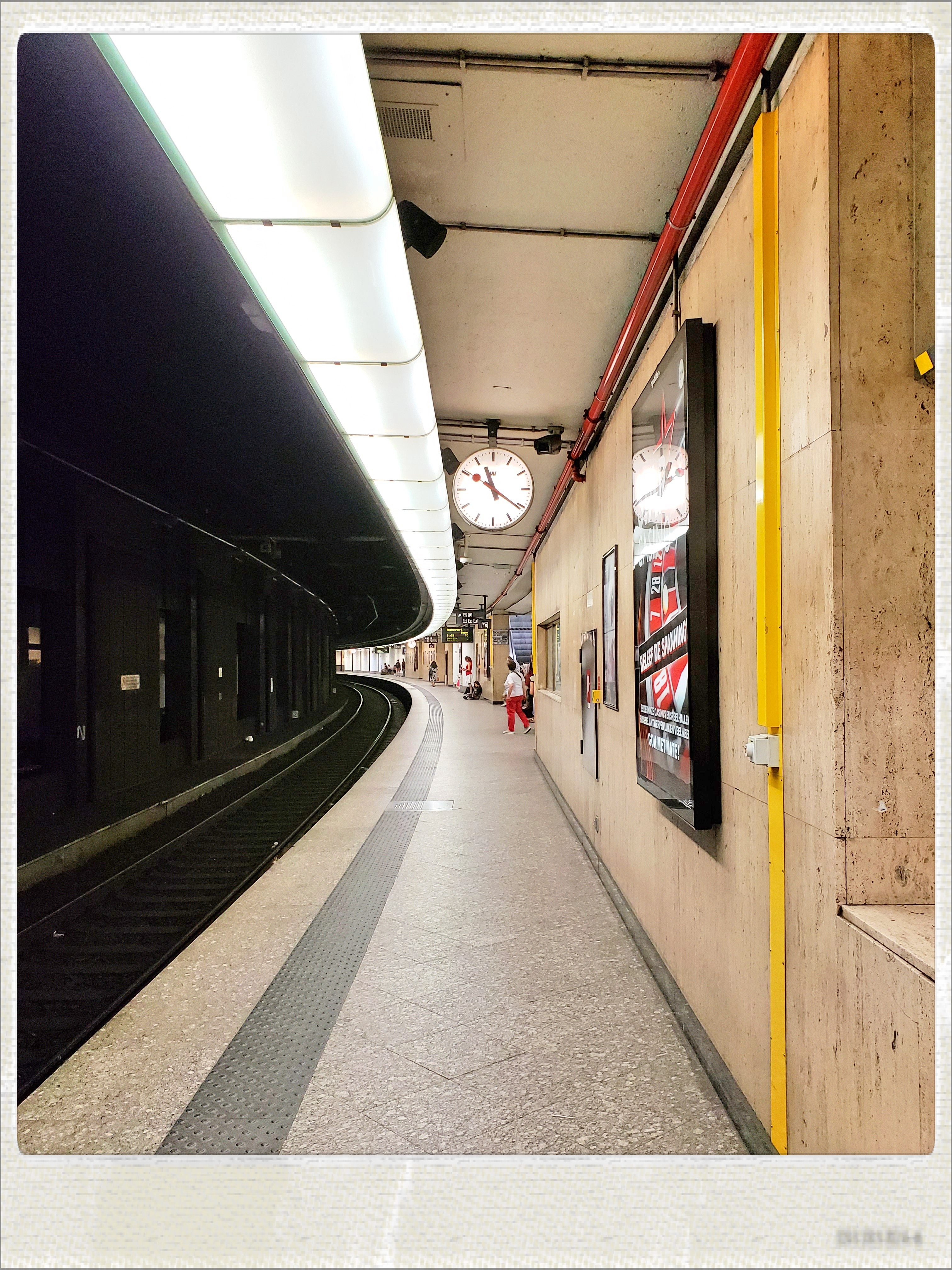
In my honest opinion, compared to the beautiful vintage ticketing concourse, the platforms were a little shabby and grim, reminiscent of its counterparts in Taipei Station and Kuala Lumpur Station. The journey from Brussels to Antwerp was a short one, taking approximately 30 minutes.
Antwerp-Central Station
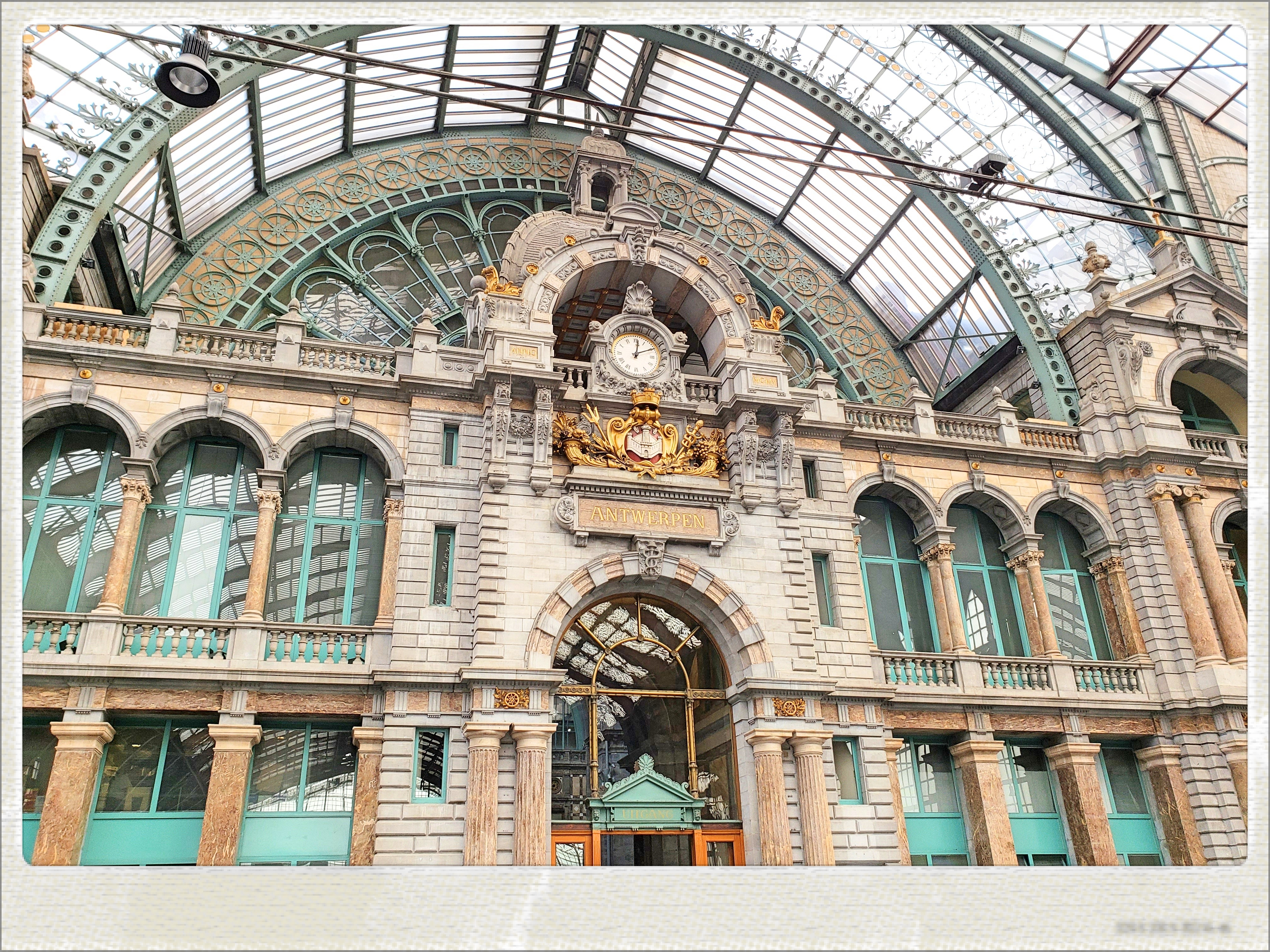
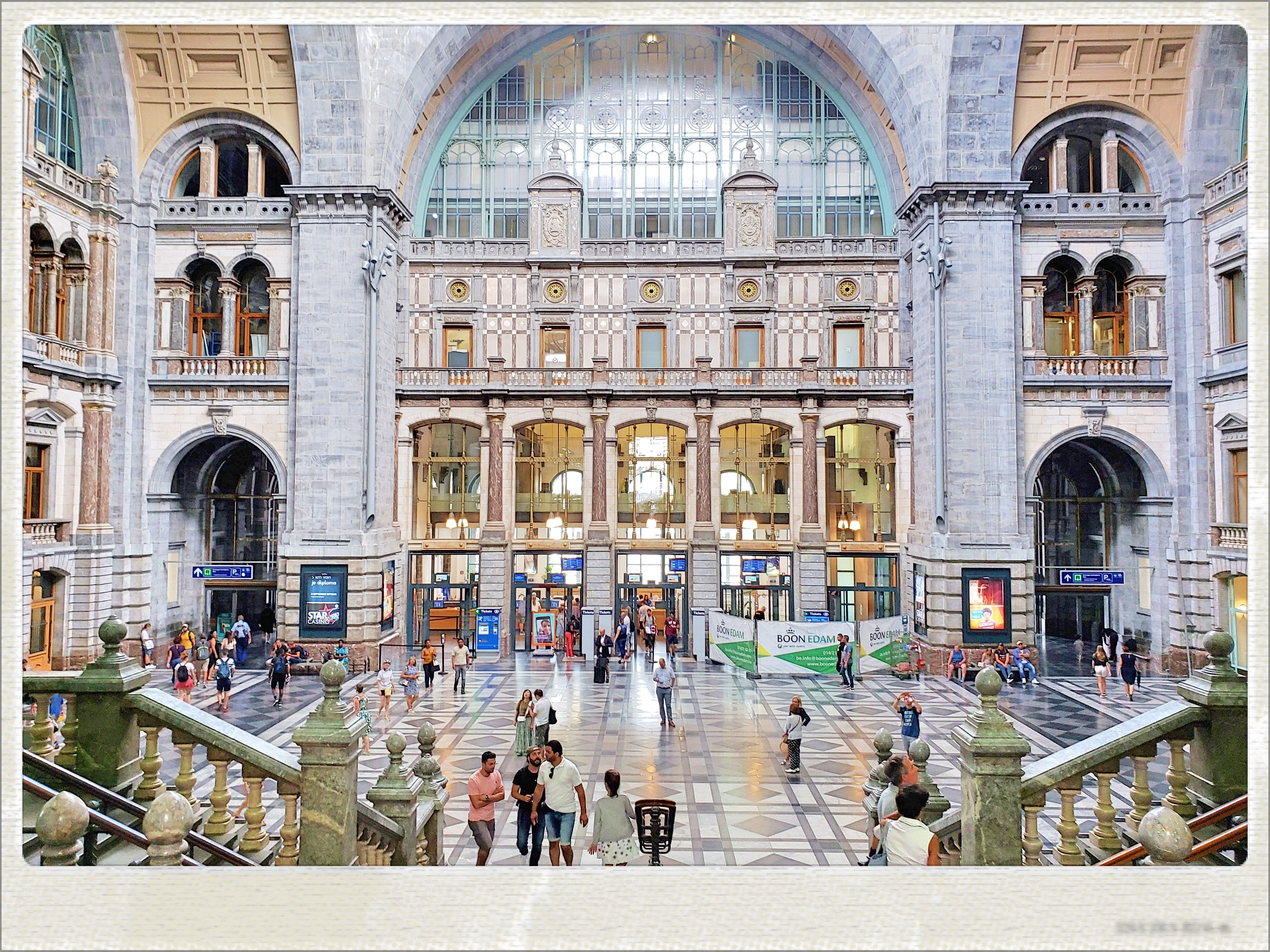
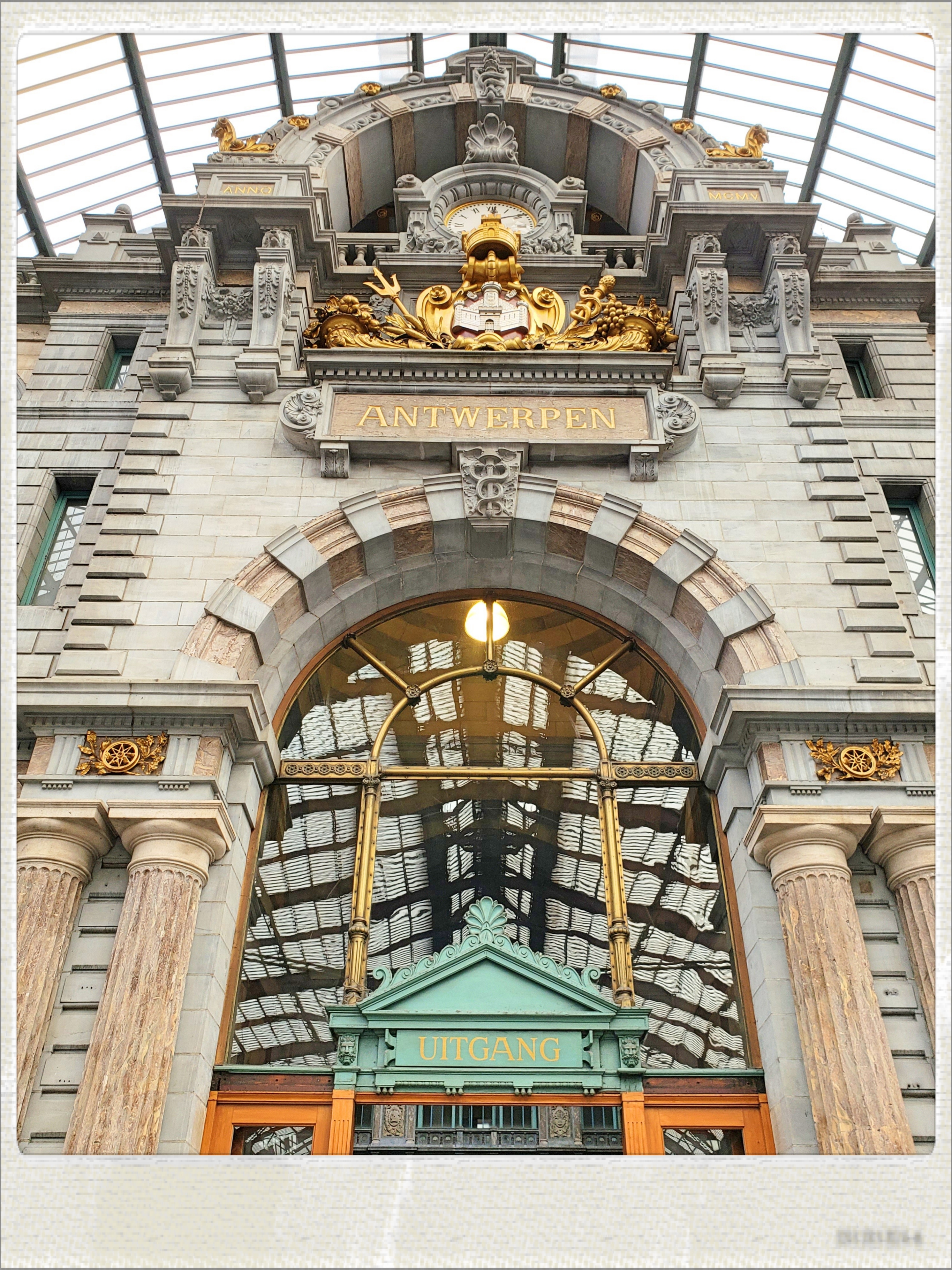
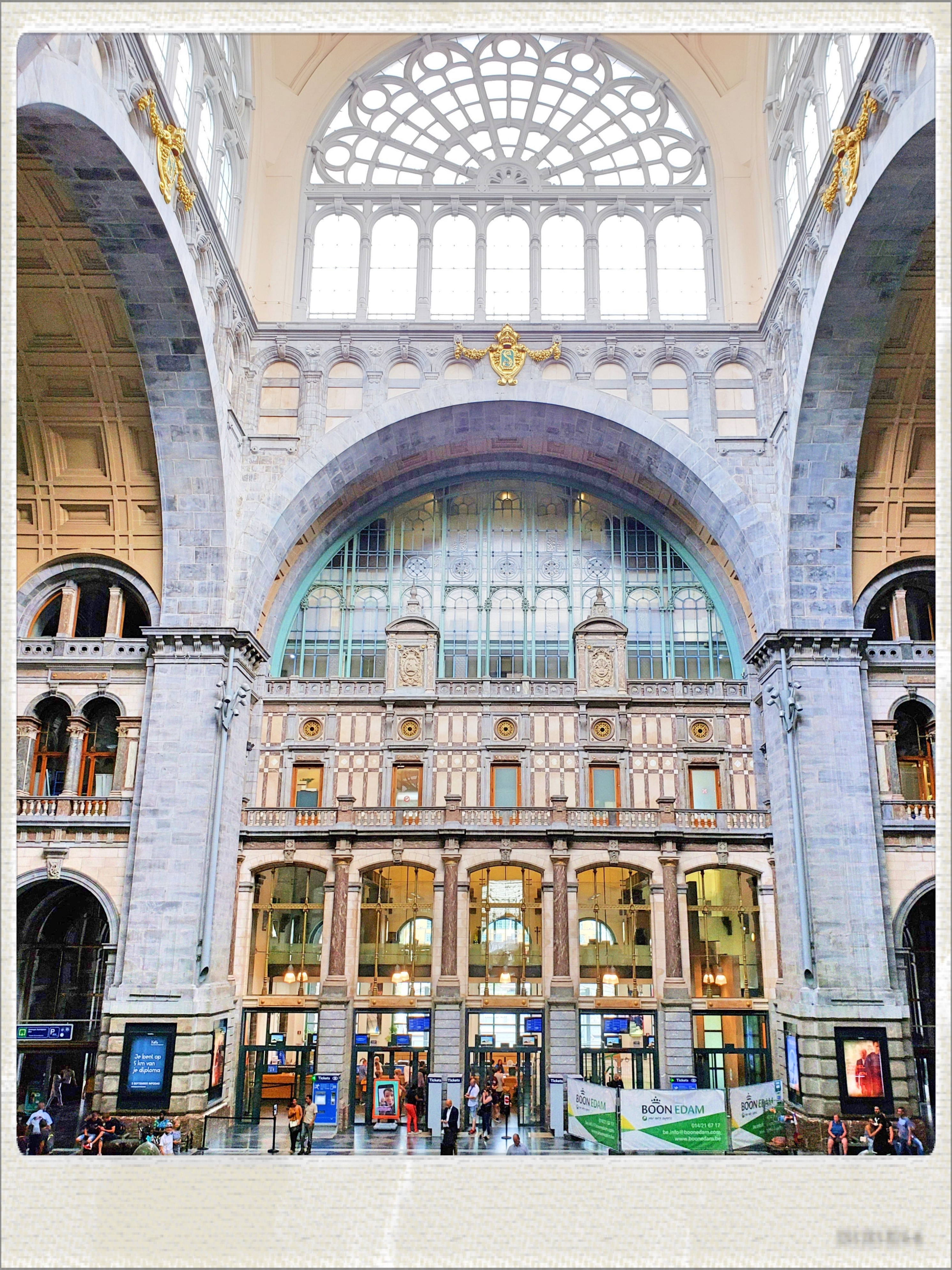
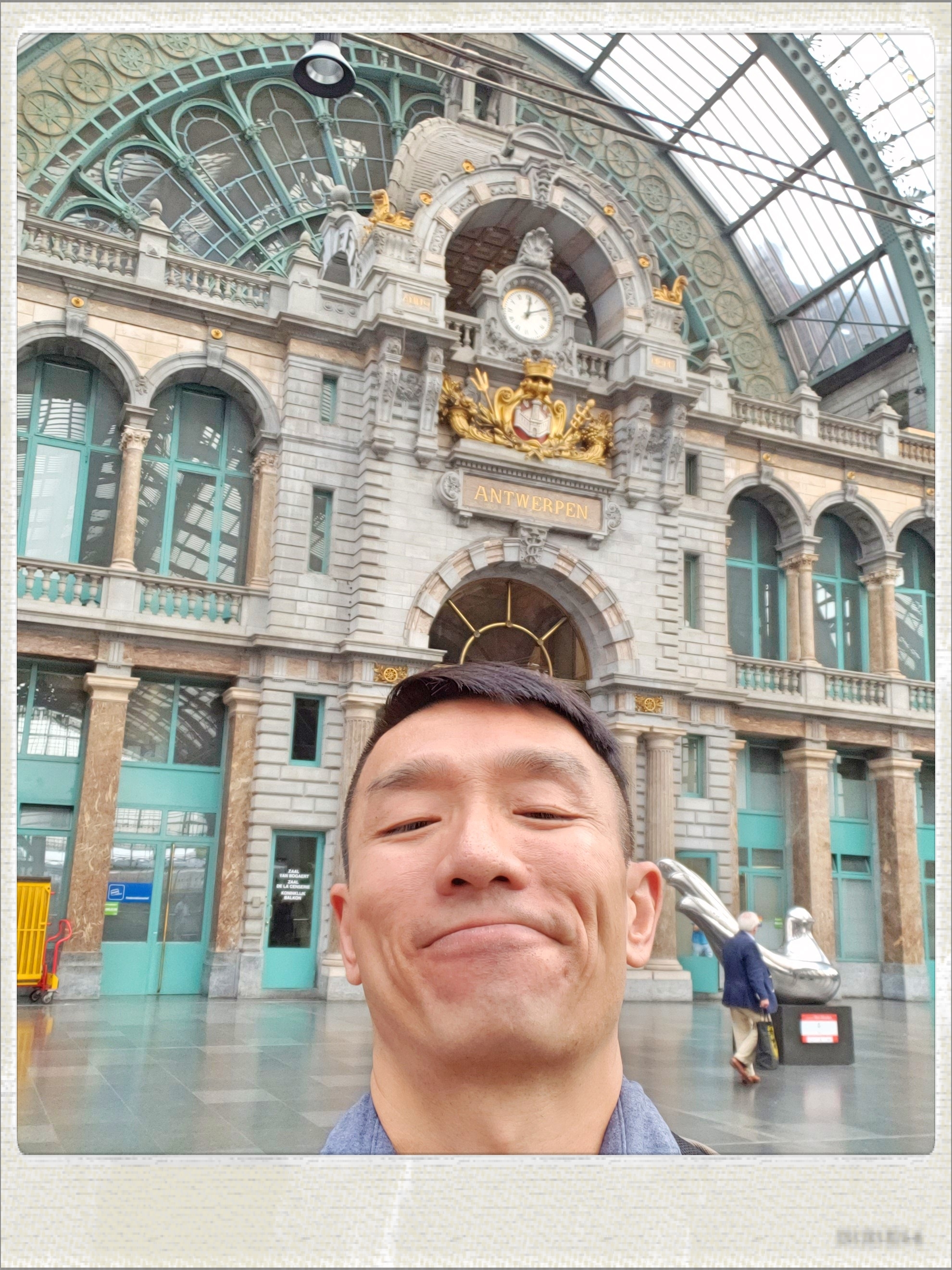
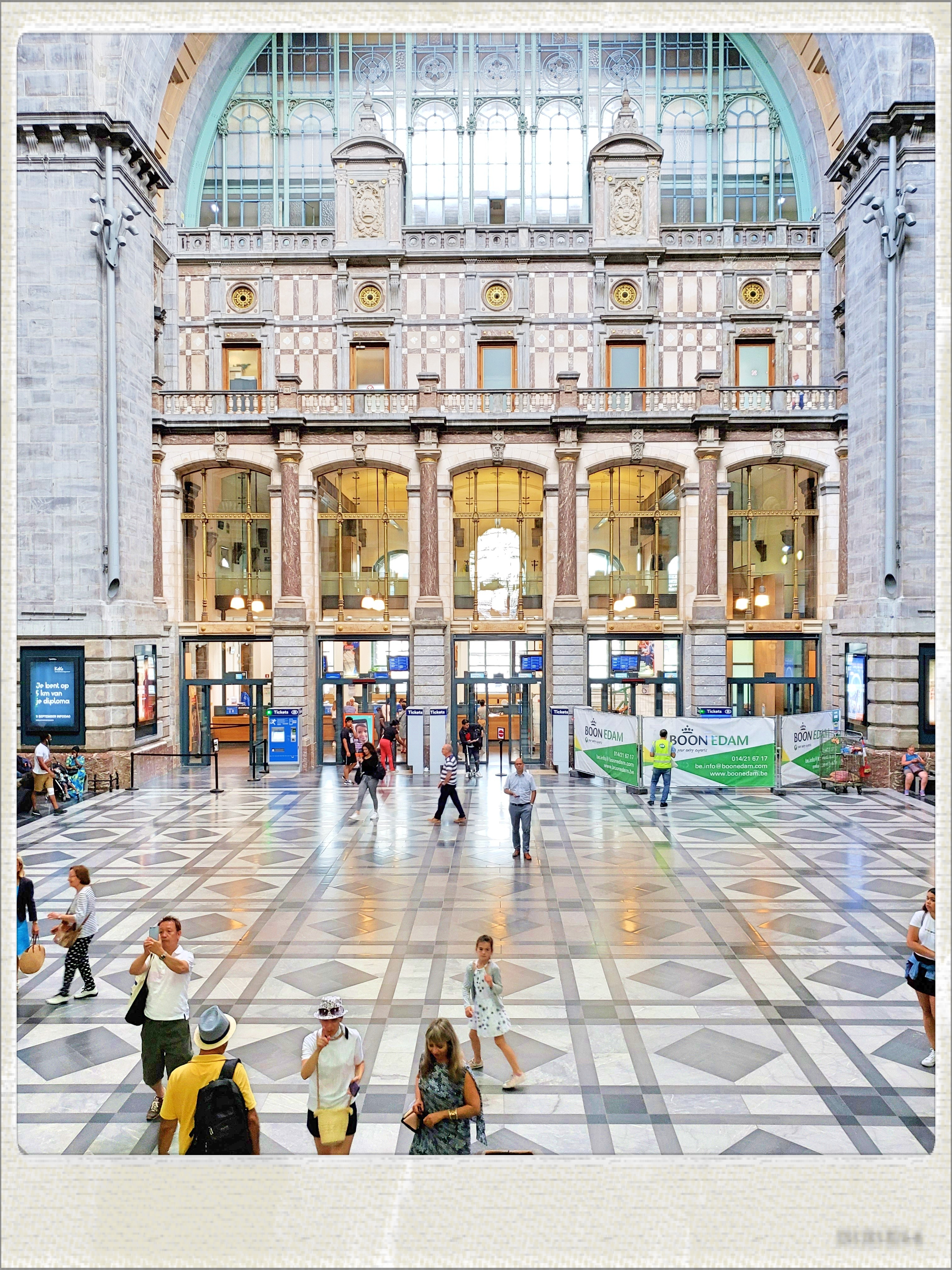
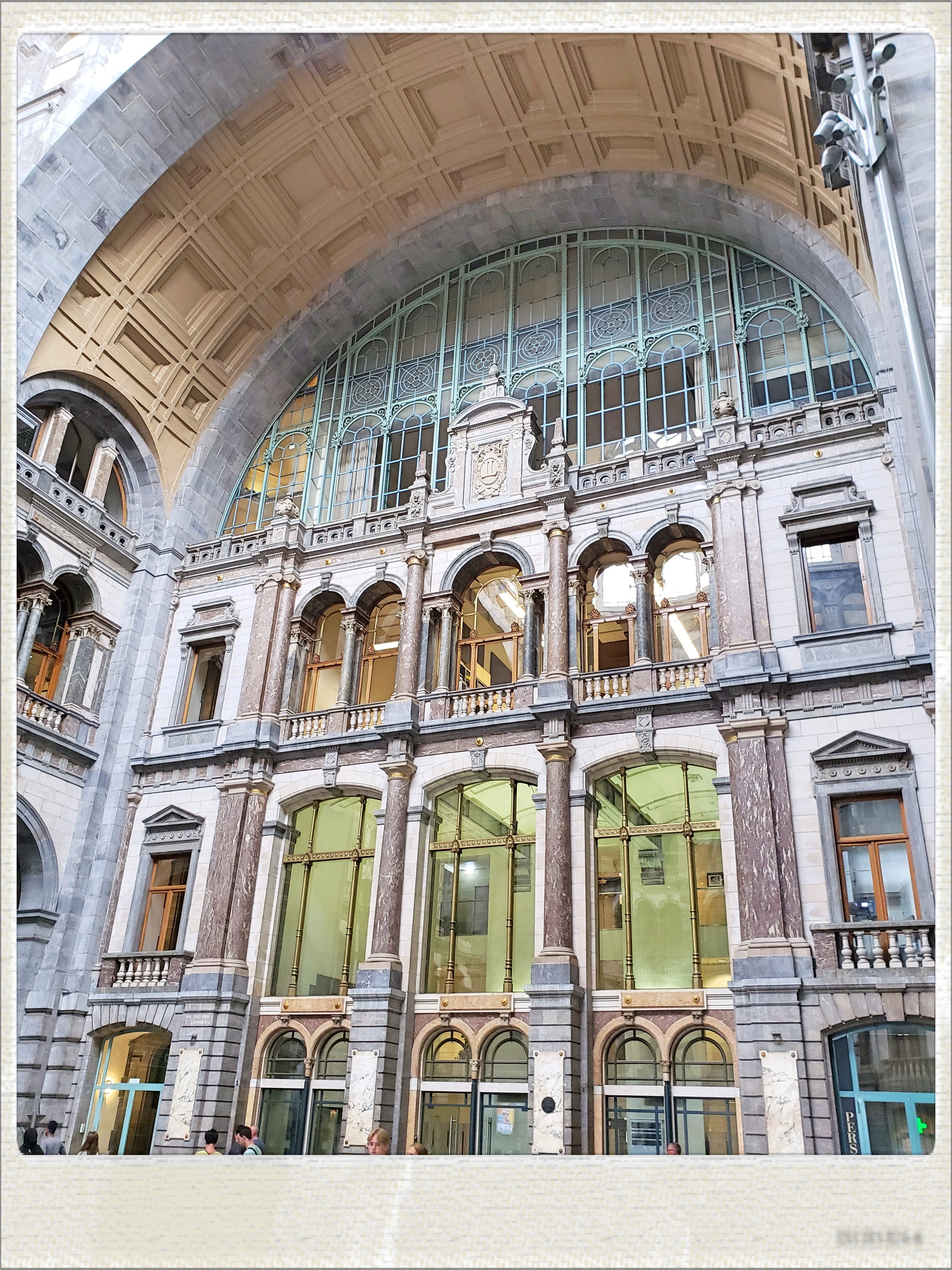
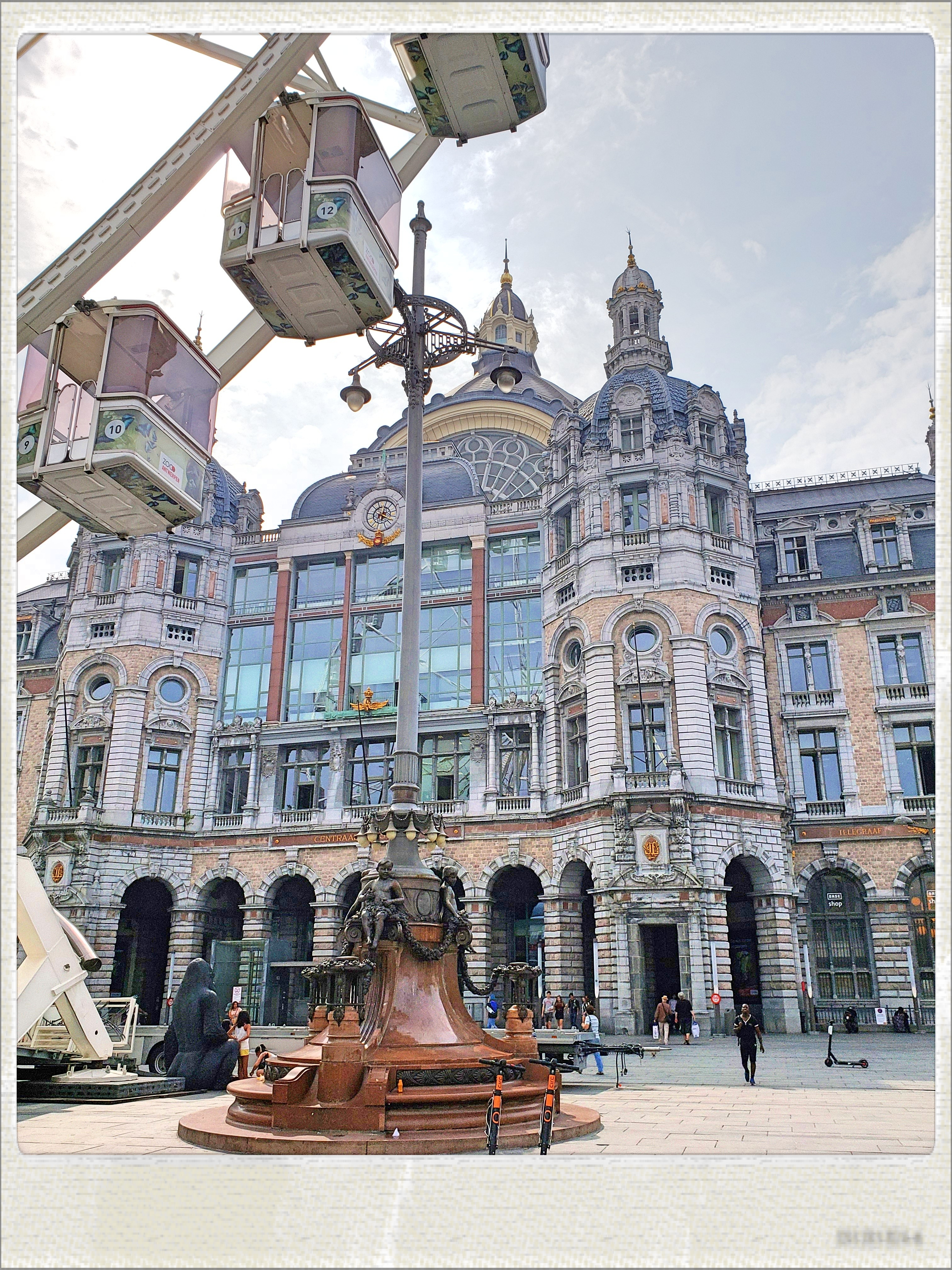
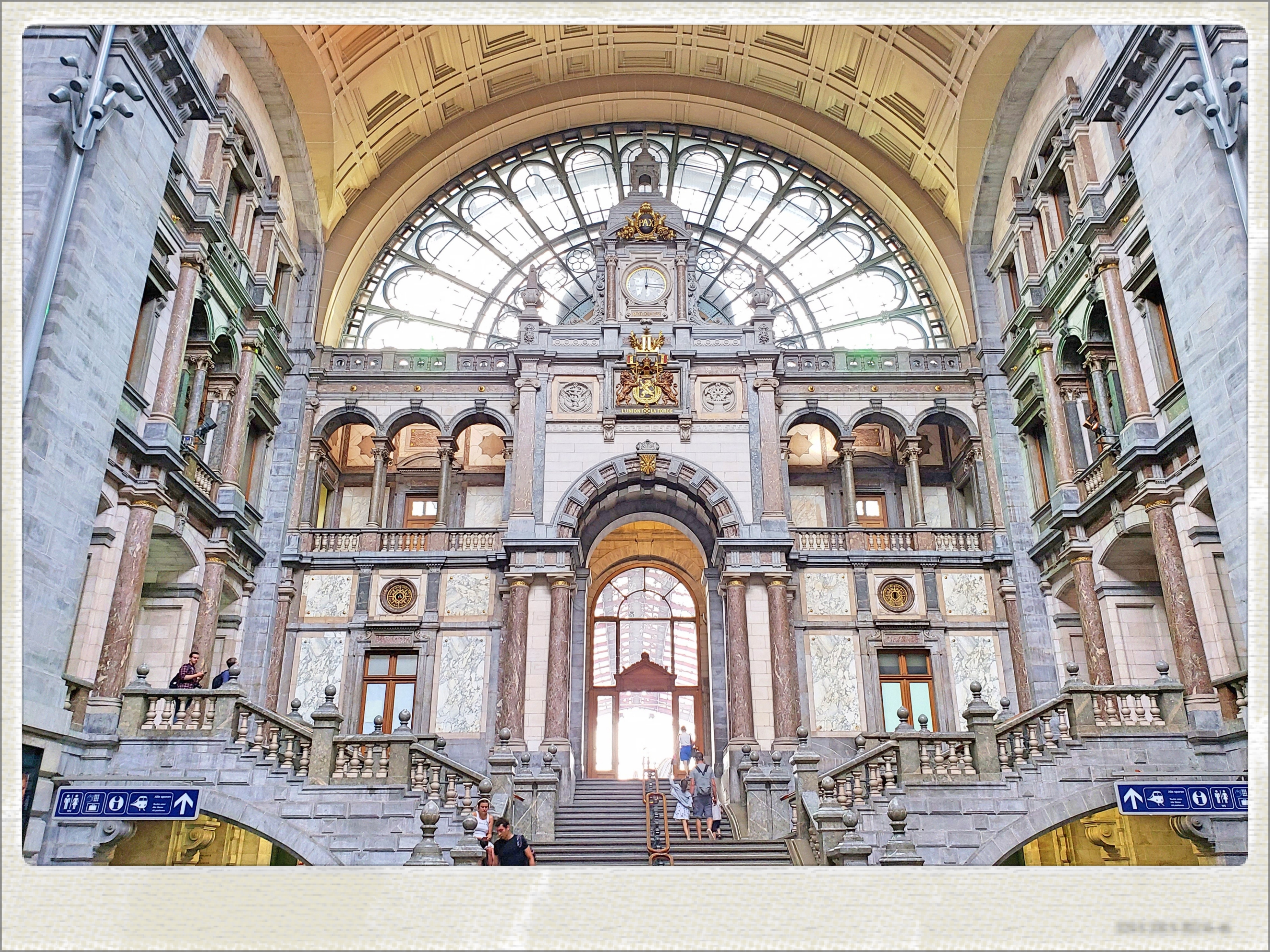
I will run out of compliments and become speechless in an instant when it comes to my impression as to the Antwerp-Central Station.
Not only is it a transportation facility but also a historical edifice worth an in-depth visit. According to Lonely Planet, one of the world’s most celebrated travel guidebooks, Antwerp-Central Station has been rated one of the five most beautiful railway stations in the world which I couldn’t agree more.
Astrid Metro Station
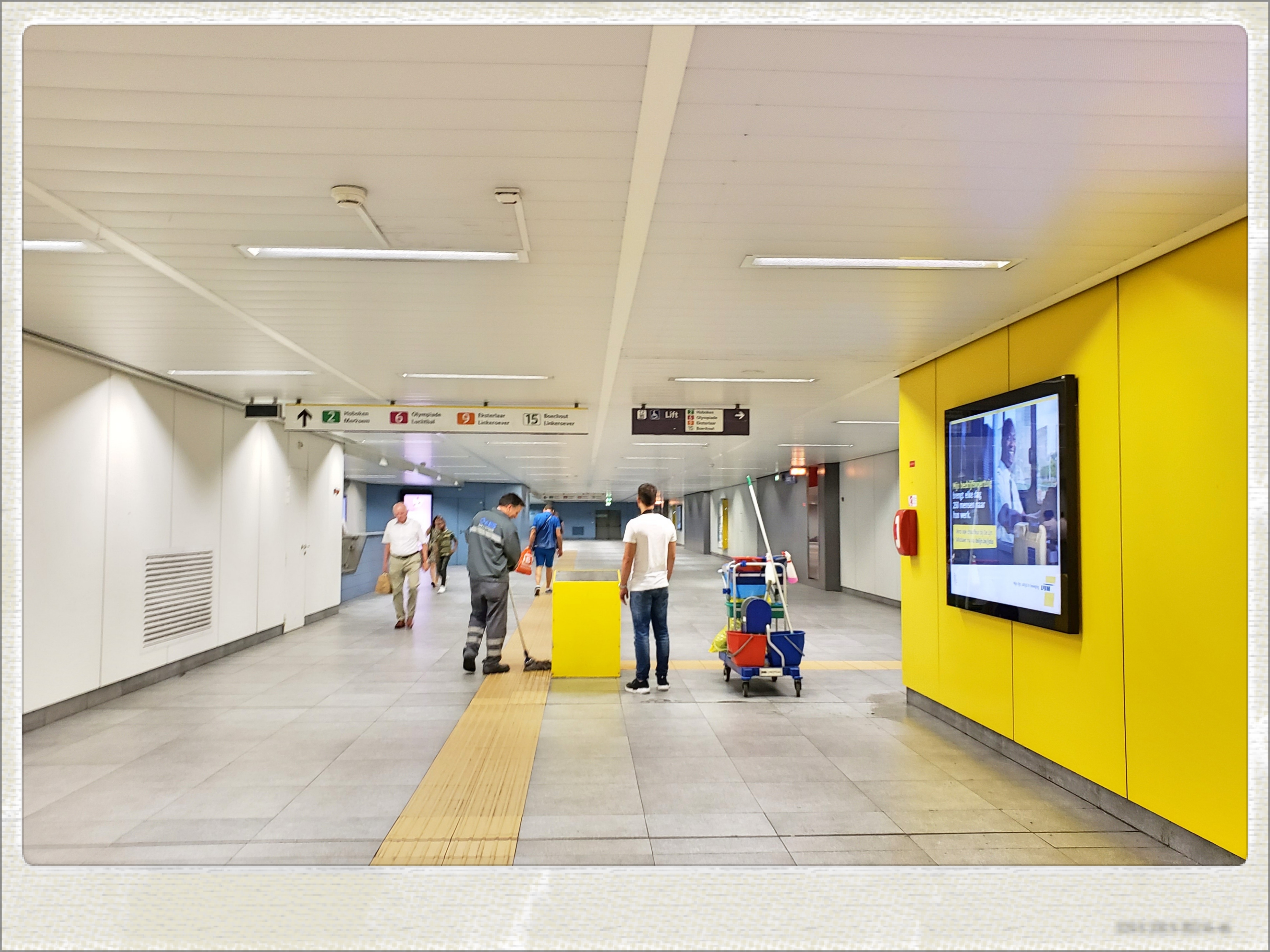
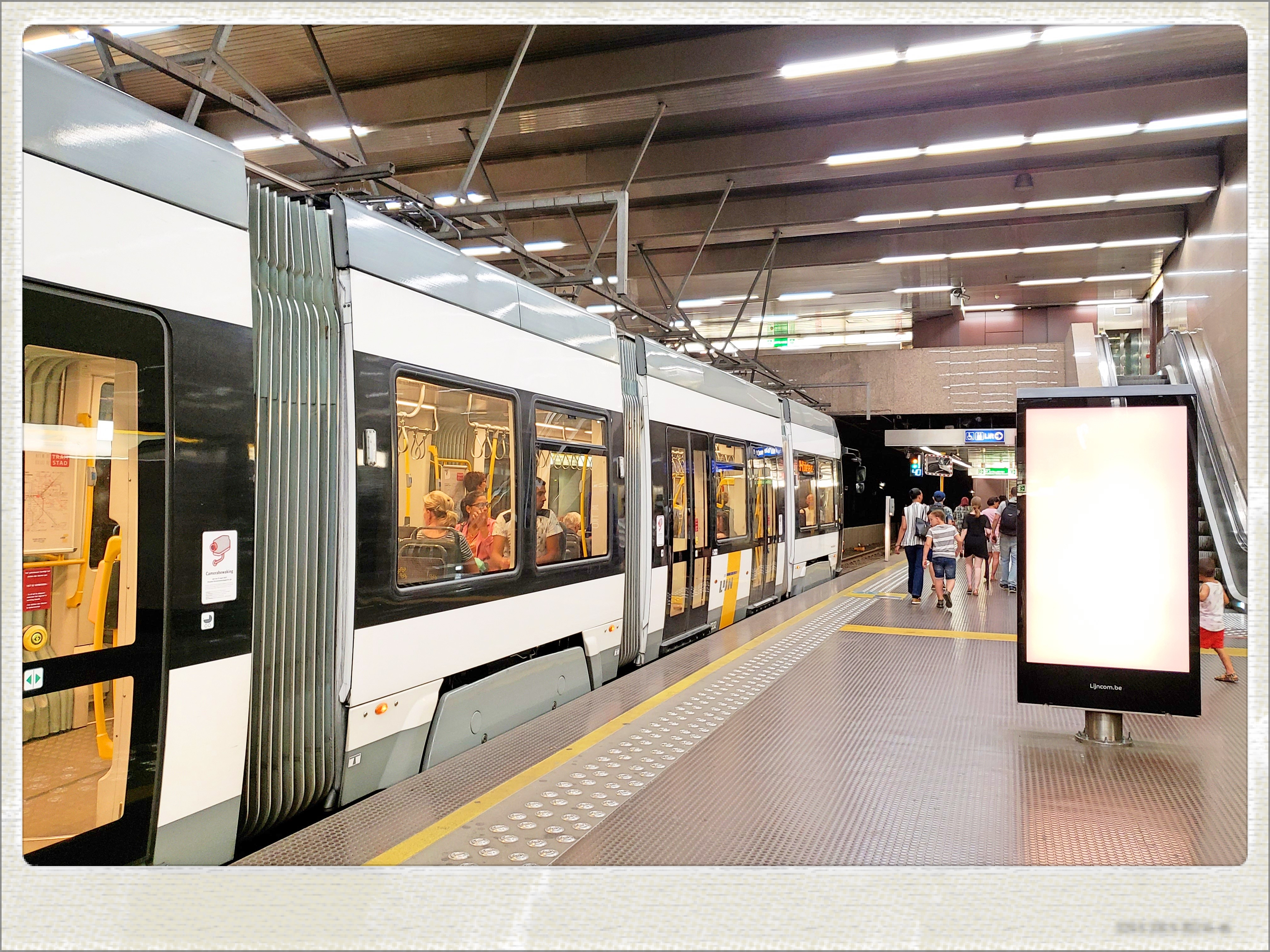
Similar to the Brussels metro, the metro systems in Antwerp is also a premetro system consisting of lines of the Antwerp Tram system. The trans run underground in the city centre and further out on surface lines, which are mostly separated from motor vehicle traffic.
Meir Metro Station
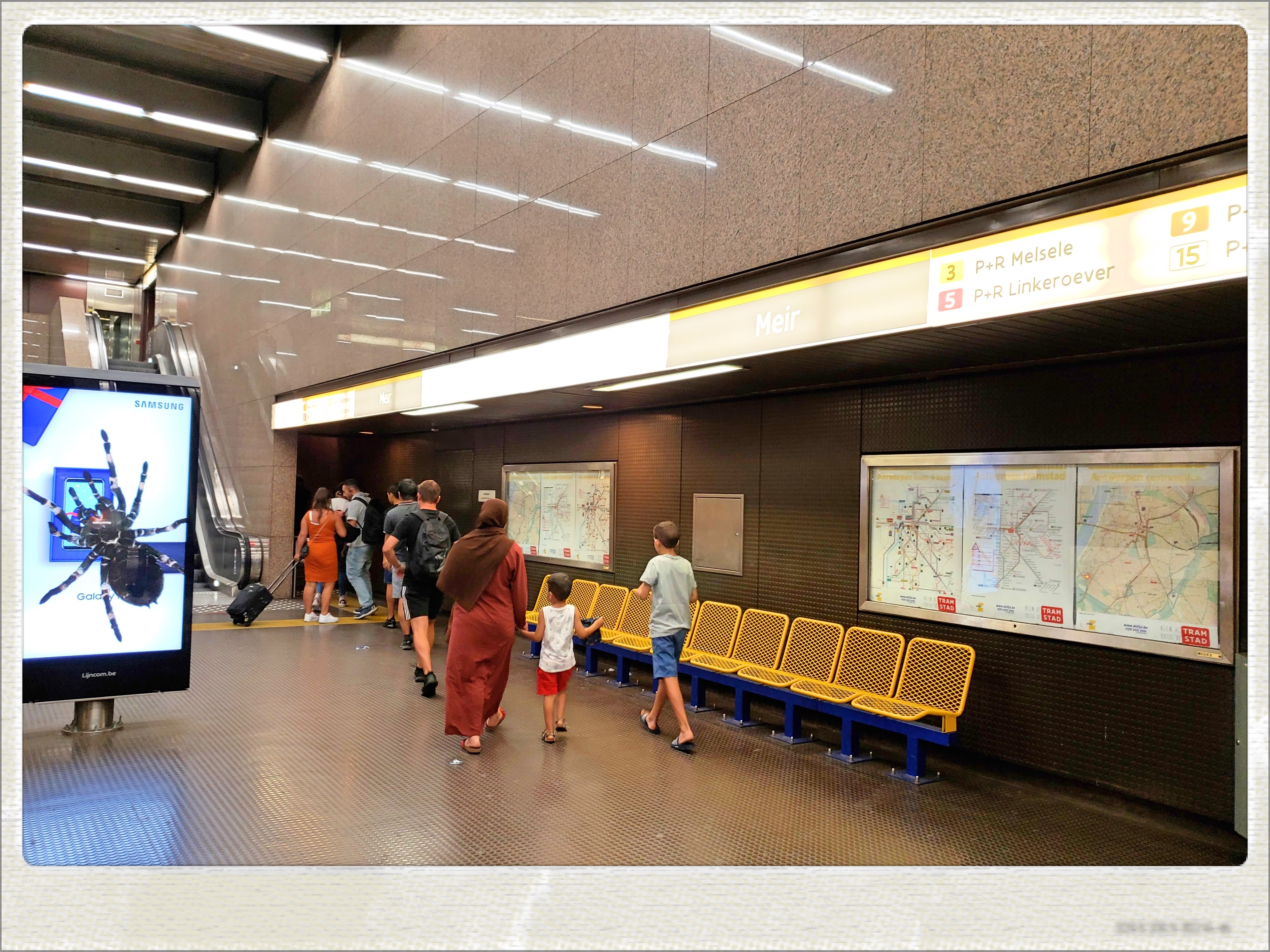
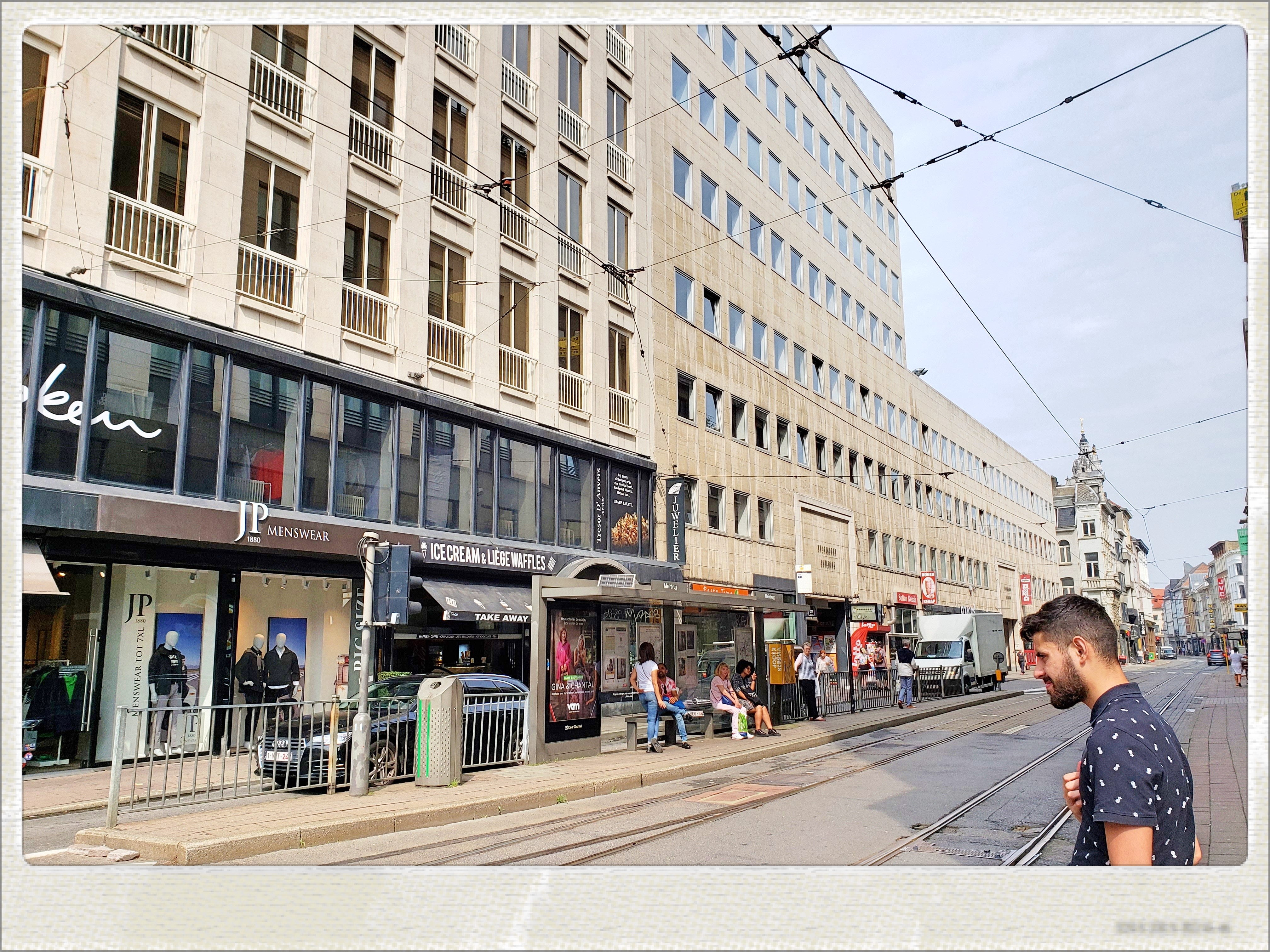
I got off at Meir Station, a premetro station located at the westernmost end of Meir Street which is the major shopping street of Antwerp.
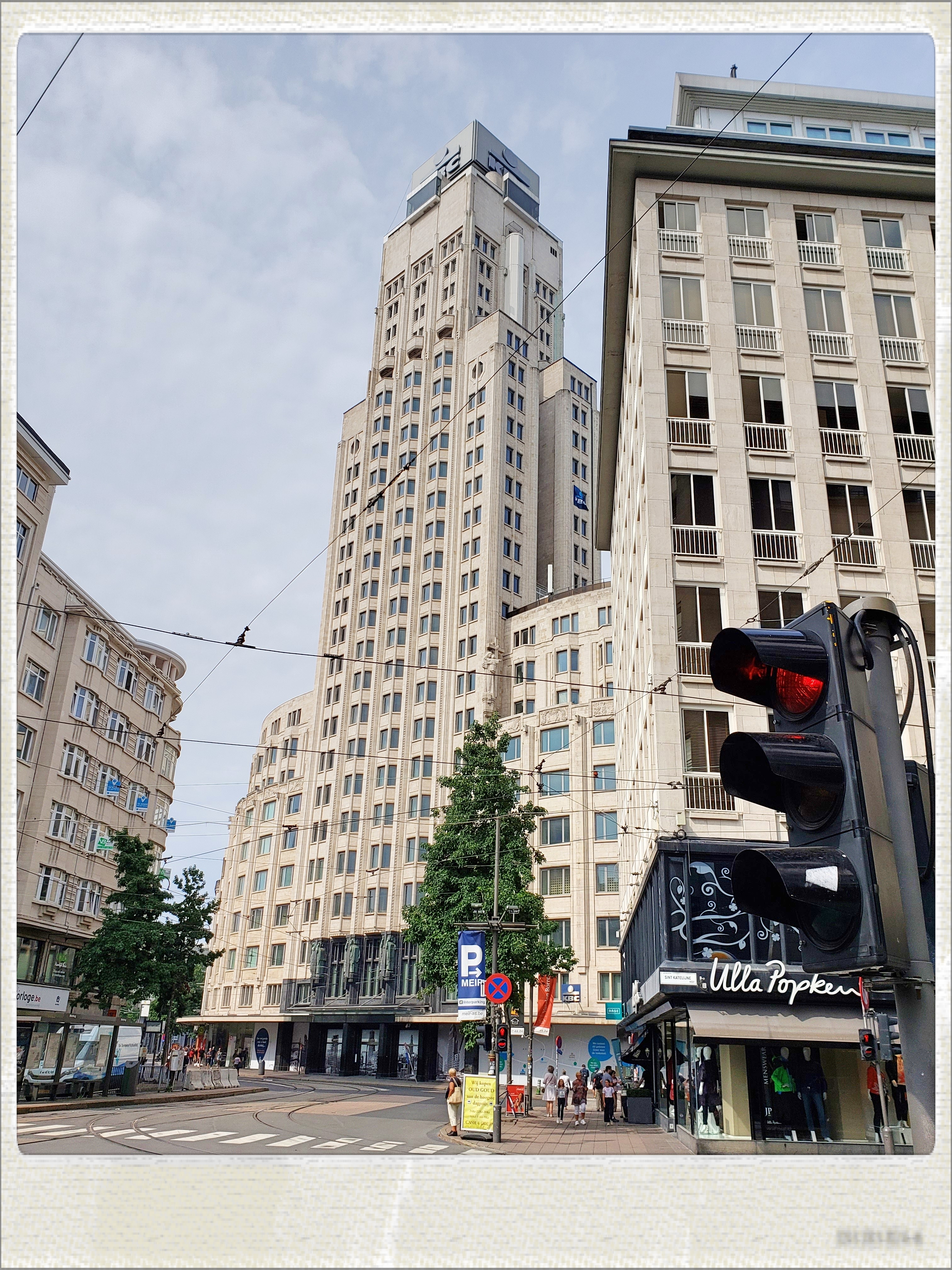
Stepping out of the metro exit, in a instant I was drawn by the art-deco building of Boerentoren, officially the KBC Tower which at the time of its construction in 1930s was Europe’s first skyscraper.
Groenplaats
Just a stone’s throw from the Meir Station saw the Groenplaats (Green Square) at which as a tourist, I summed up my observation on how the city centre of most of the major European cities were characterized.
- enormous imposing church
- city hall
- plazas
- tramway, tram stops and trams
- uncovered metro station entrances
- handsome, huge railway station
- streets, pavements paved with stones
- open-air eateries
- 5-story historical buildings
- cramped streets and alleyways
- motor vehicles are banned
- no distinct boundary among tramway, pavements and streets for vehicular traffic
- museums
- small parks
And I spotted all of the above in Antwerp.
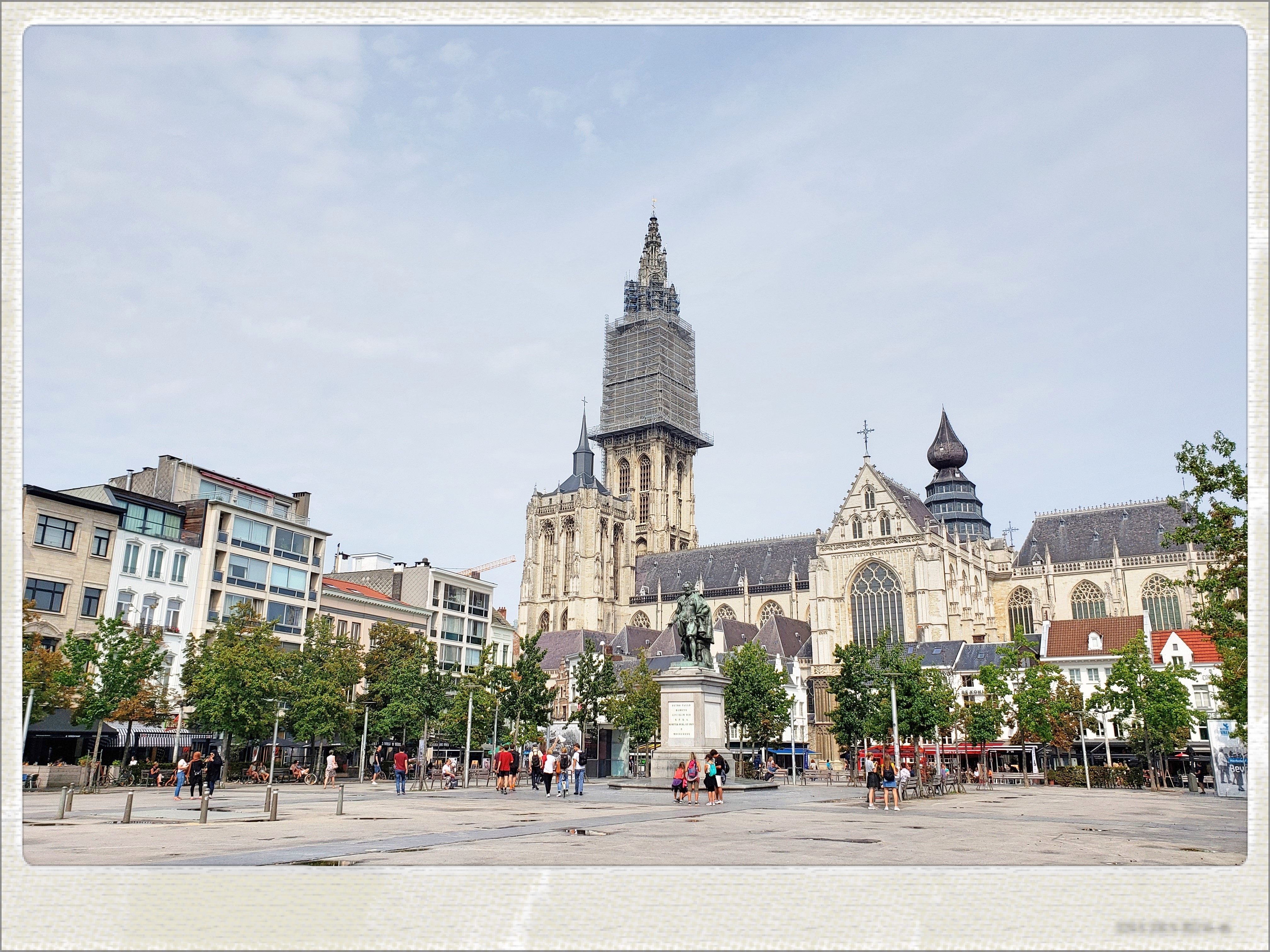
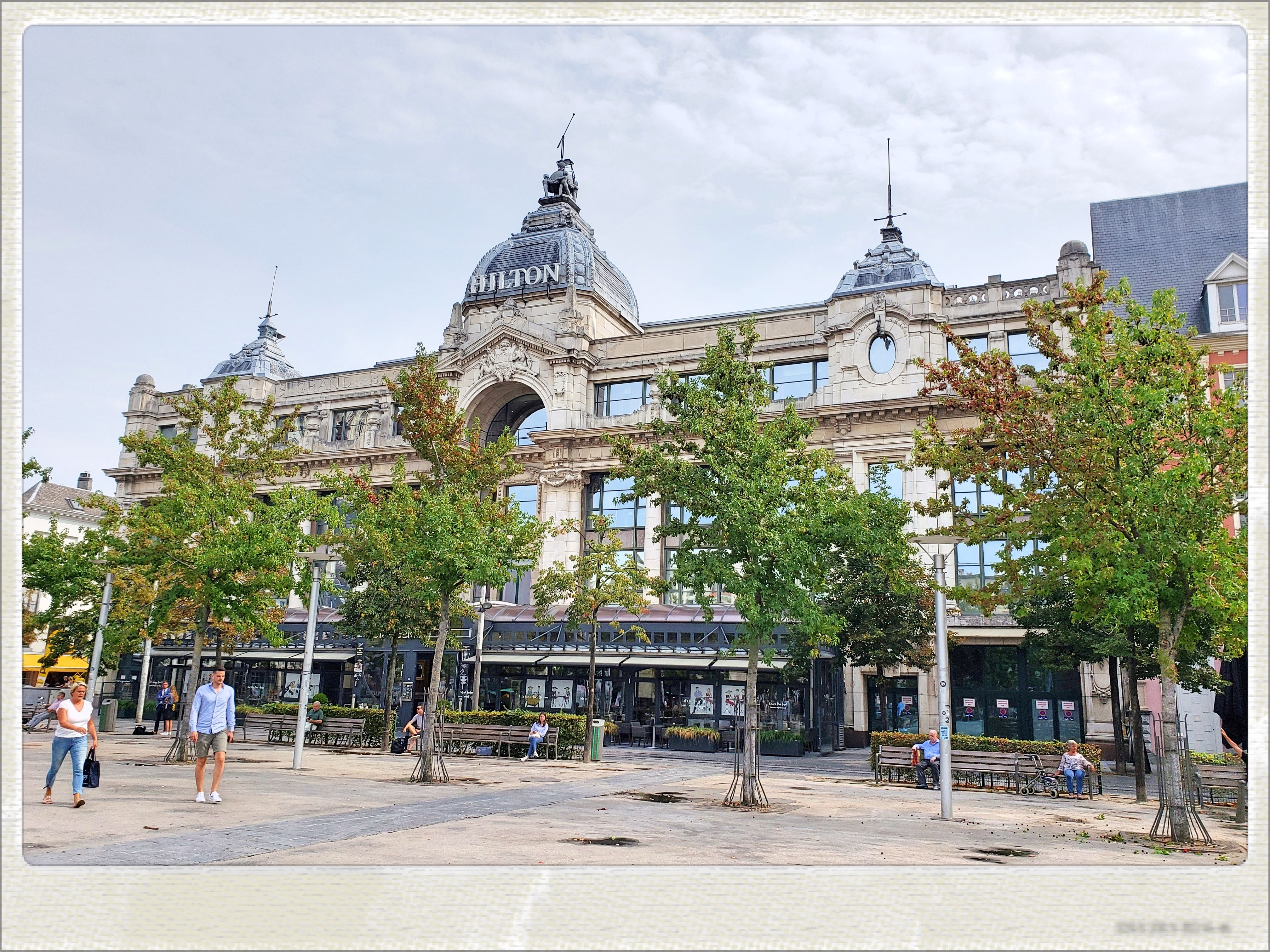
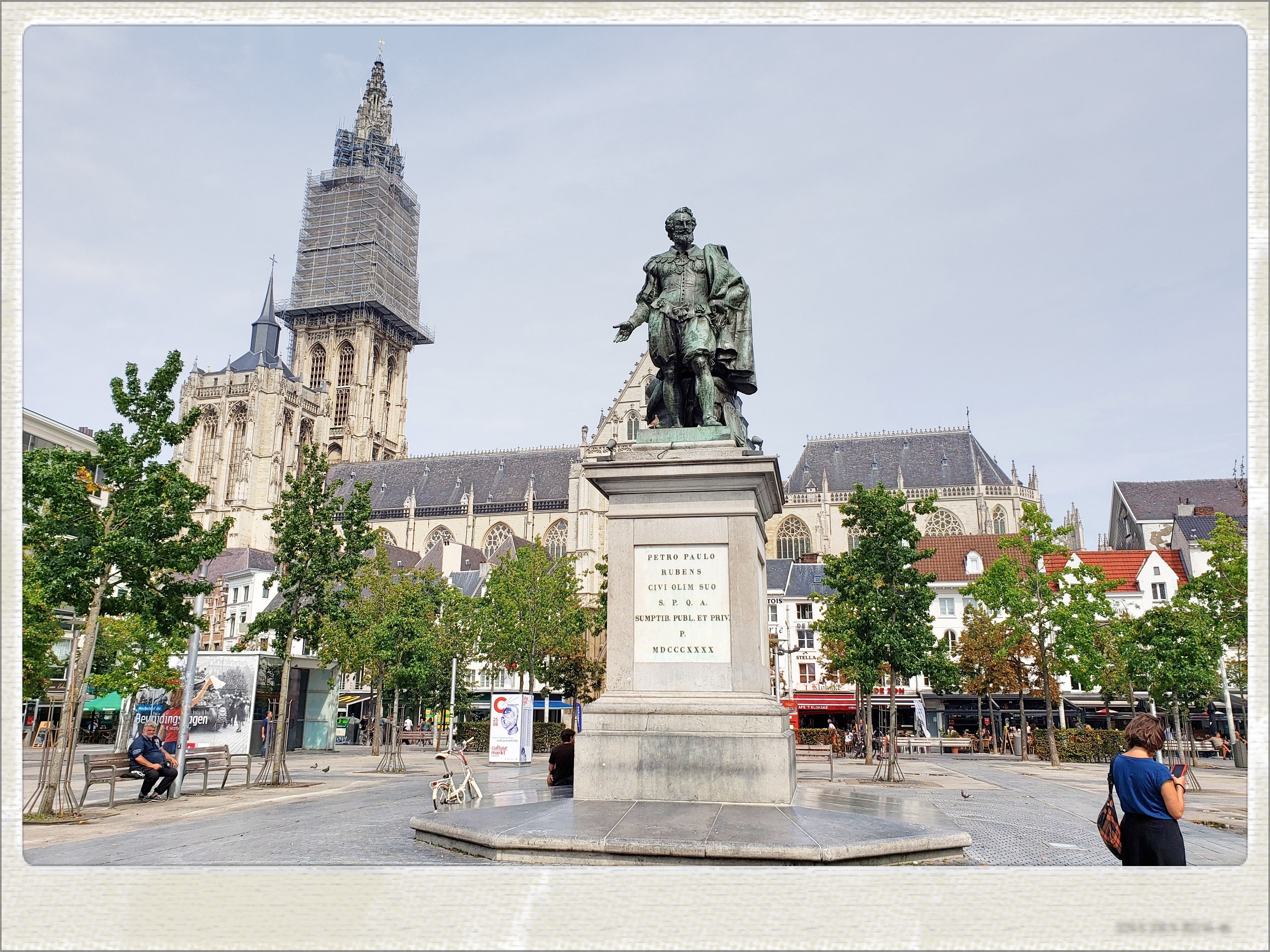
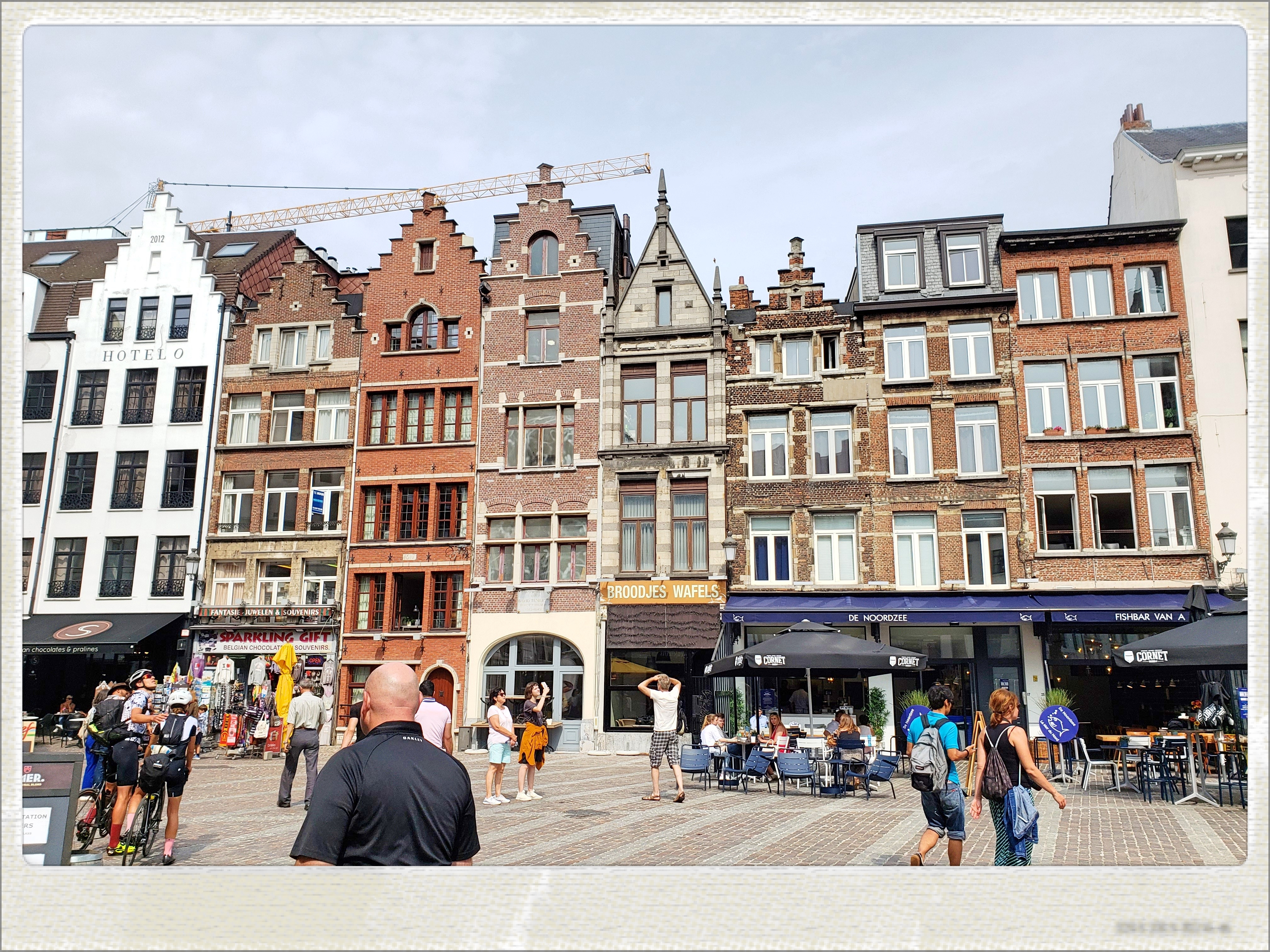
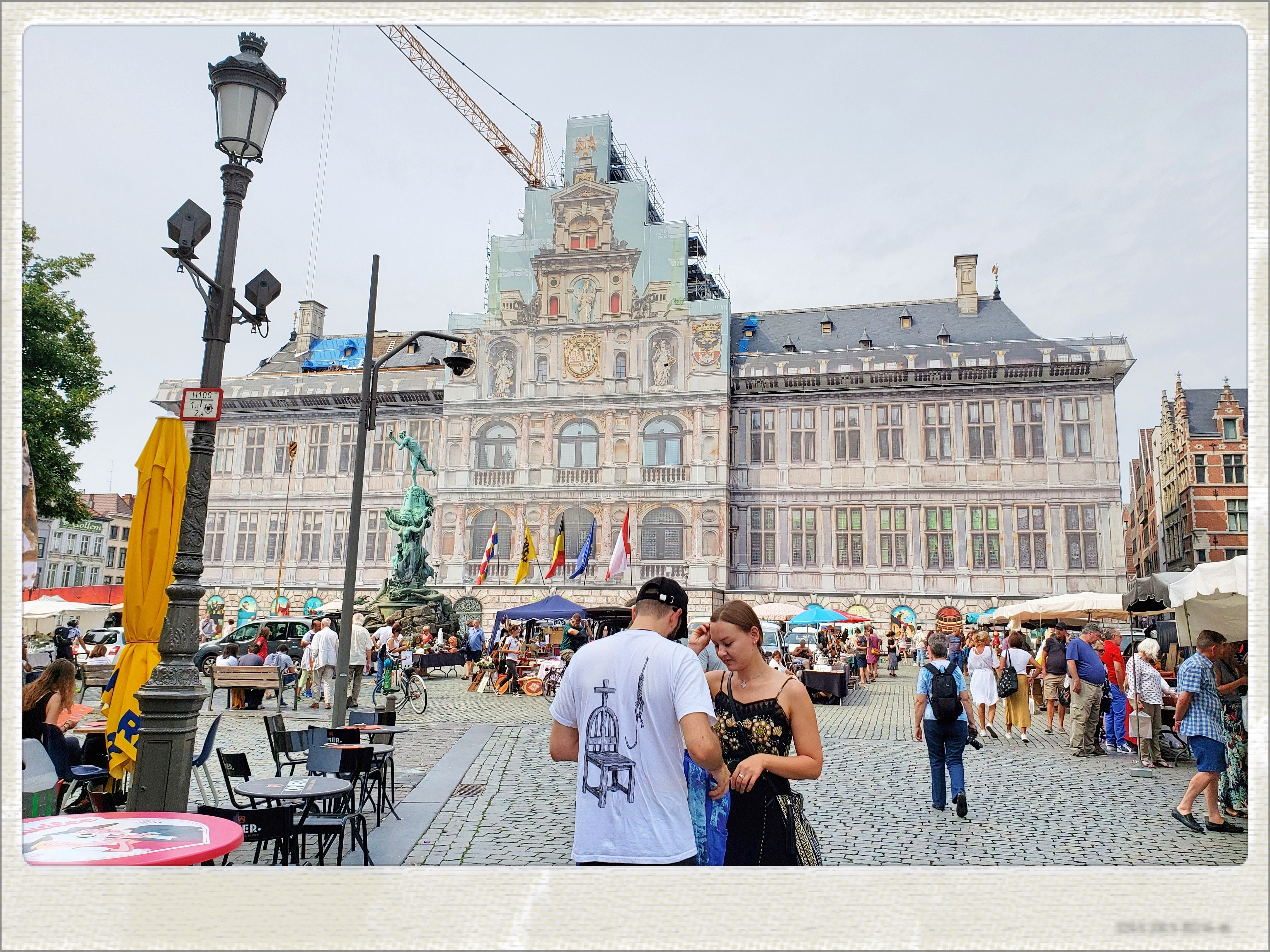
Antwerp City Hall (Stadhuis van Antwerpen) / Grand Plaza
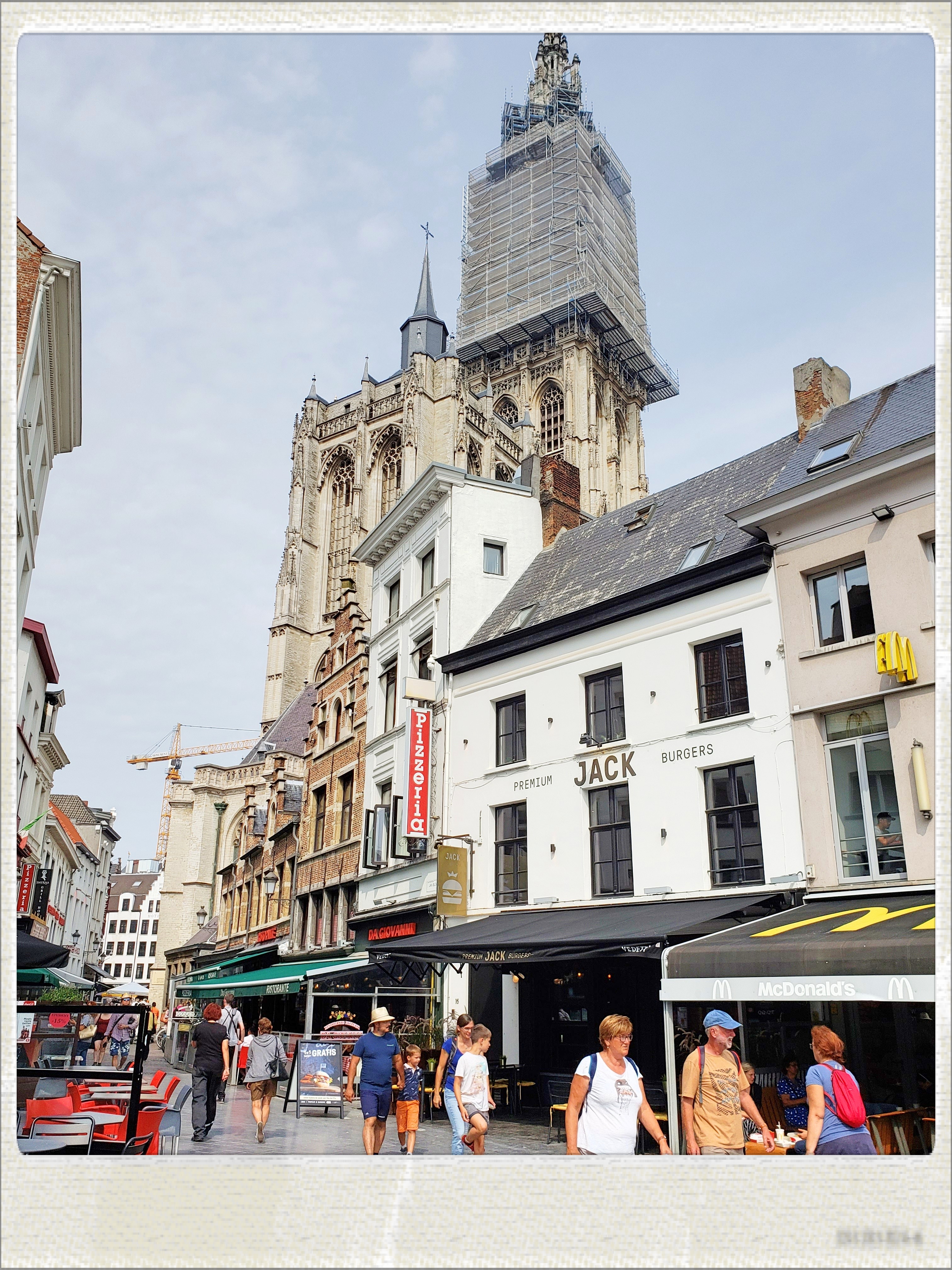
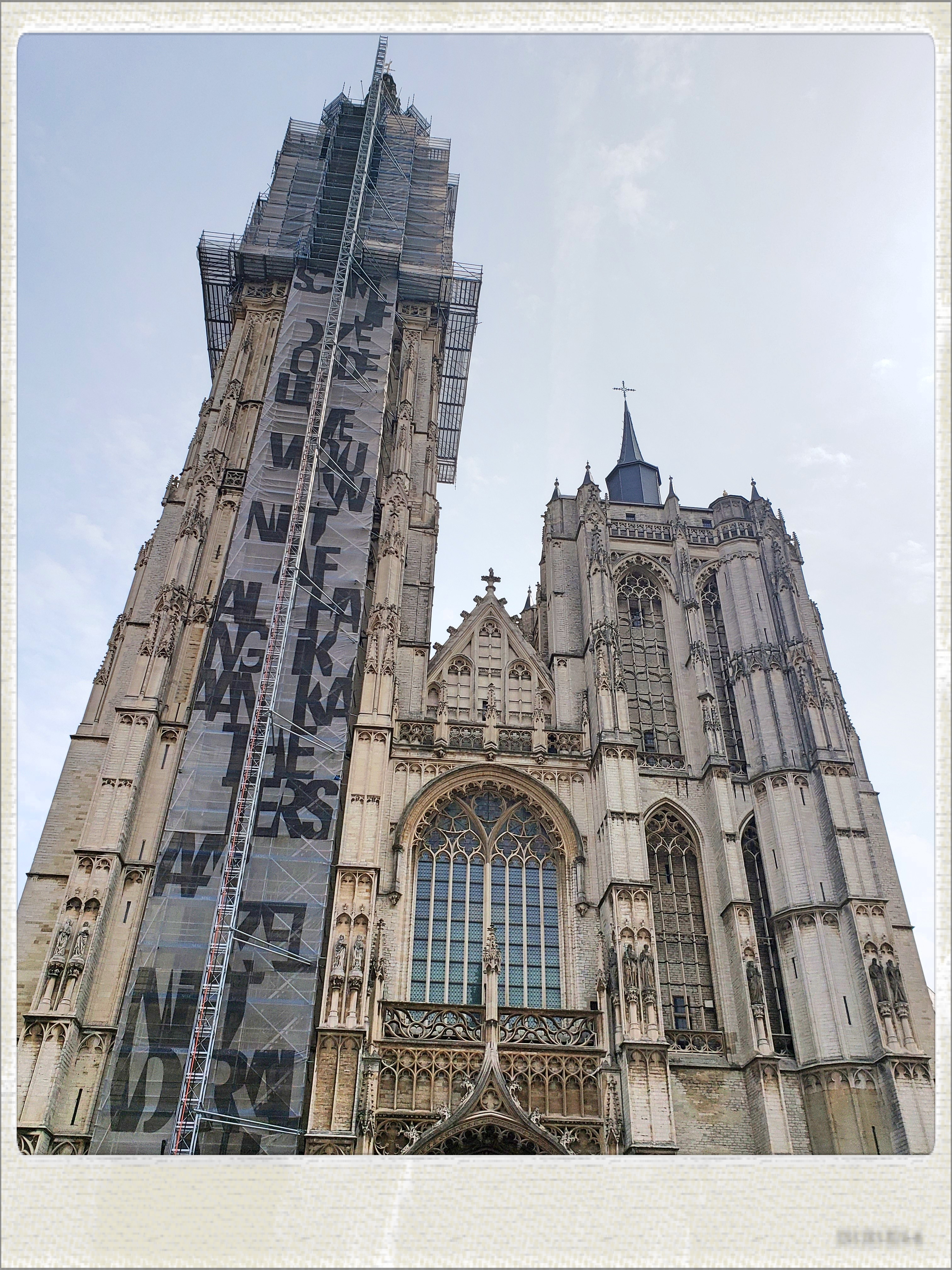
Walking further north from Groenplaats, I came upon two of the iconic landmarks of Antwerp, the Cathedral of Our Lady Antwerp and the Antwerp City Hall.
Sadly, the Antwerp City Hall, inscribed on UNESCO’s Heritage List, was undergoing renovation but it was heartwarming to see that the structure was covered by a large cloth on which the facade of the City Hall was printed as though no renovation had been carried out.
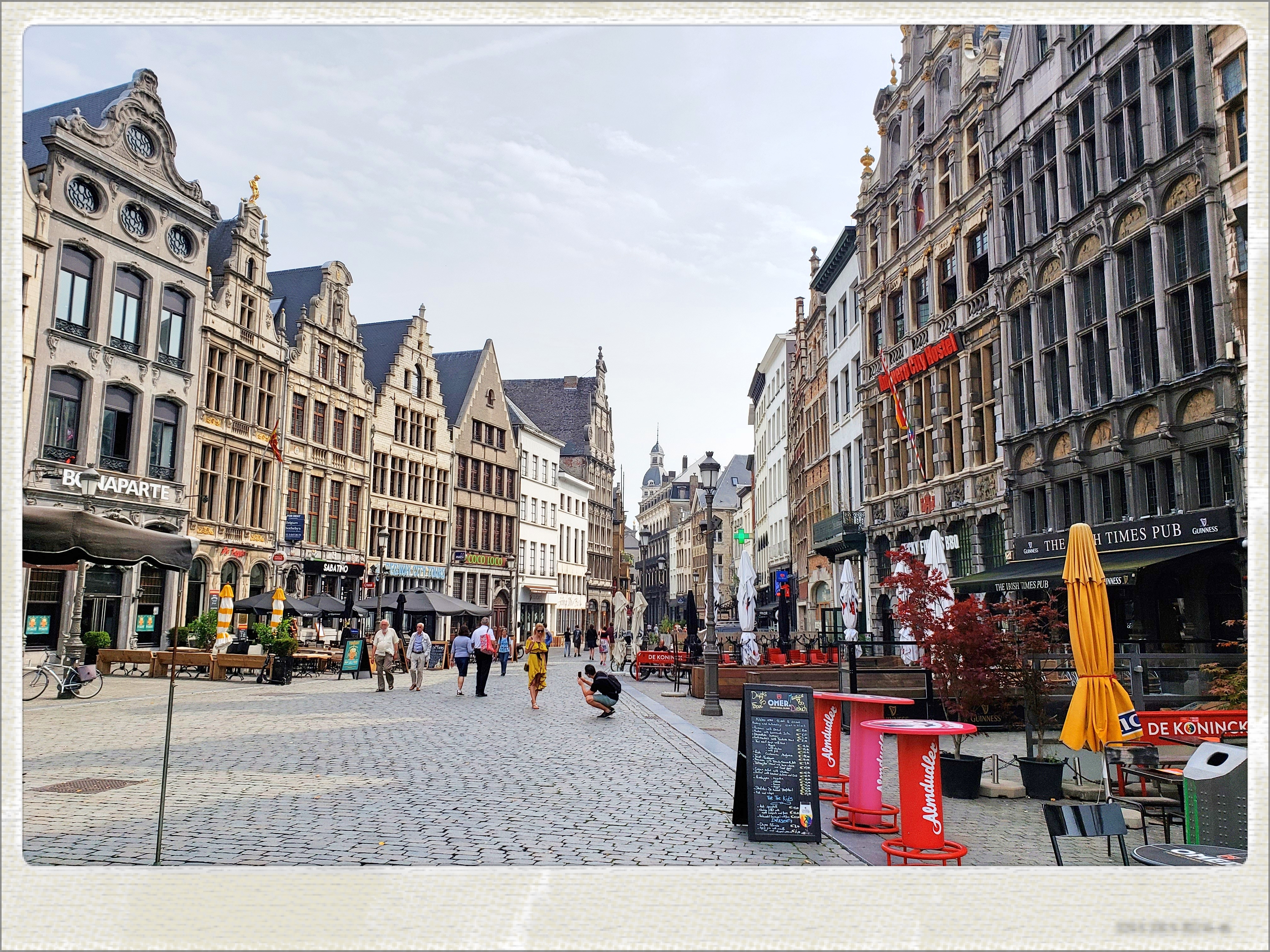
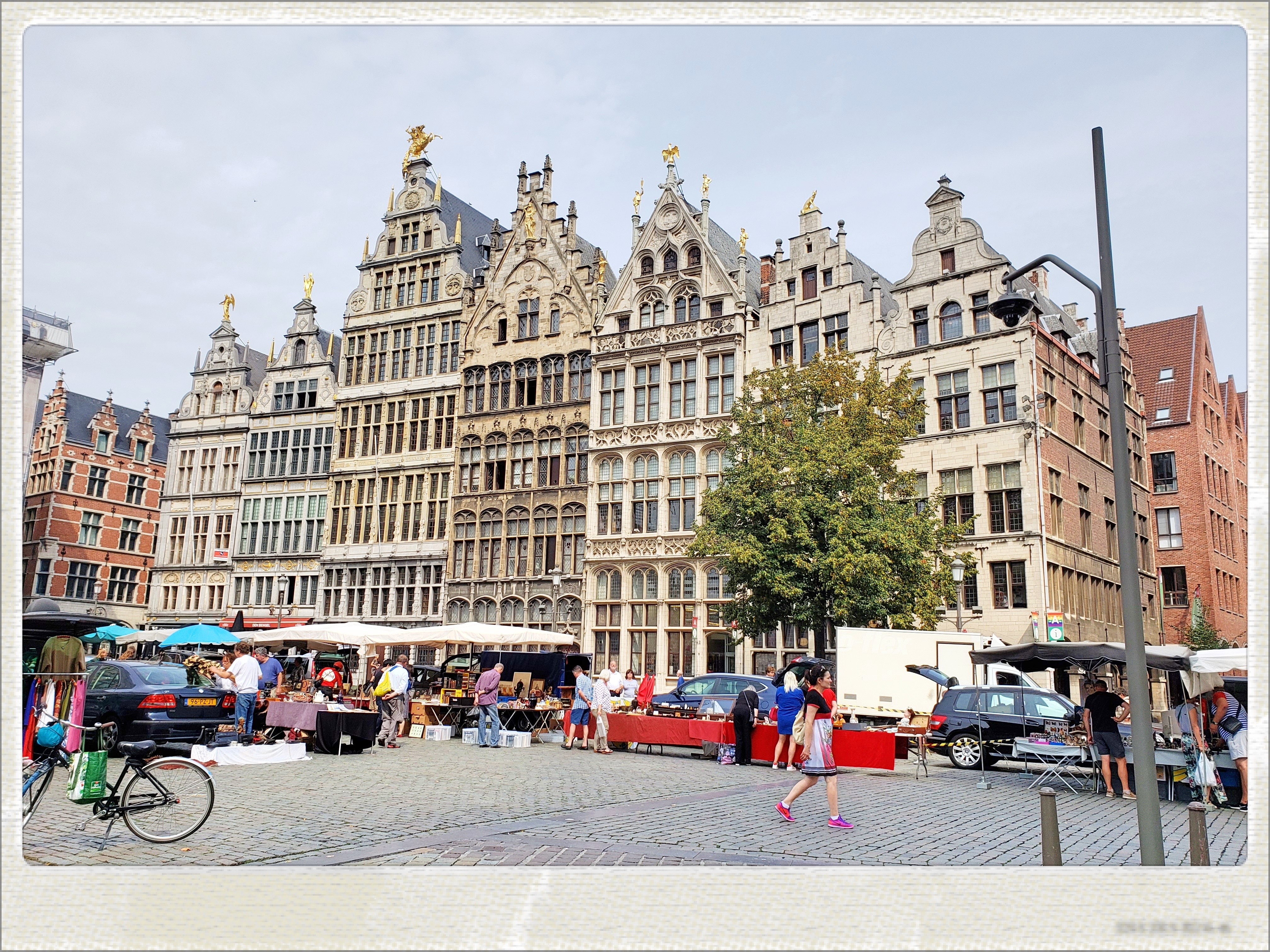
Oude Beurs
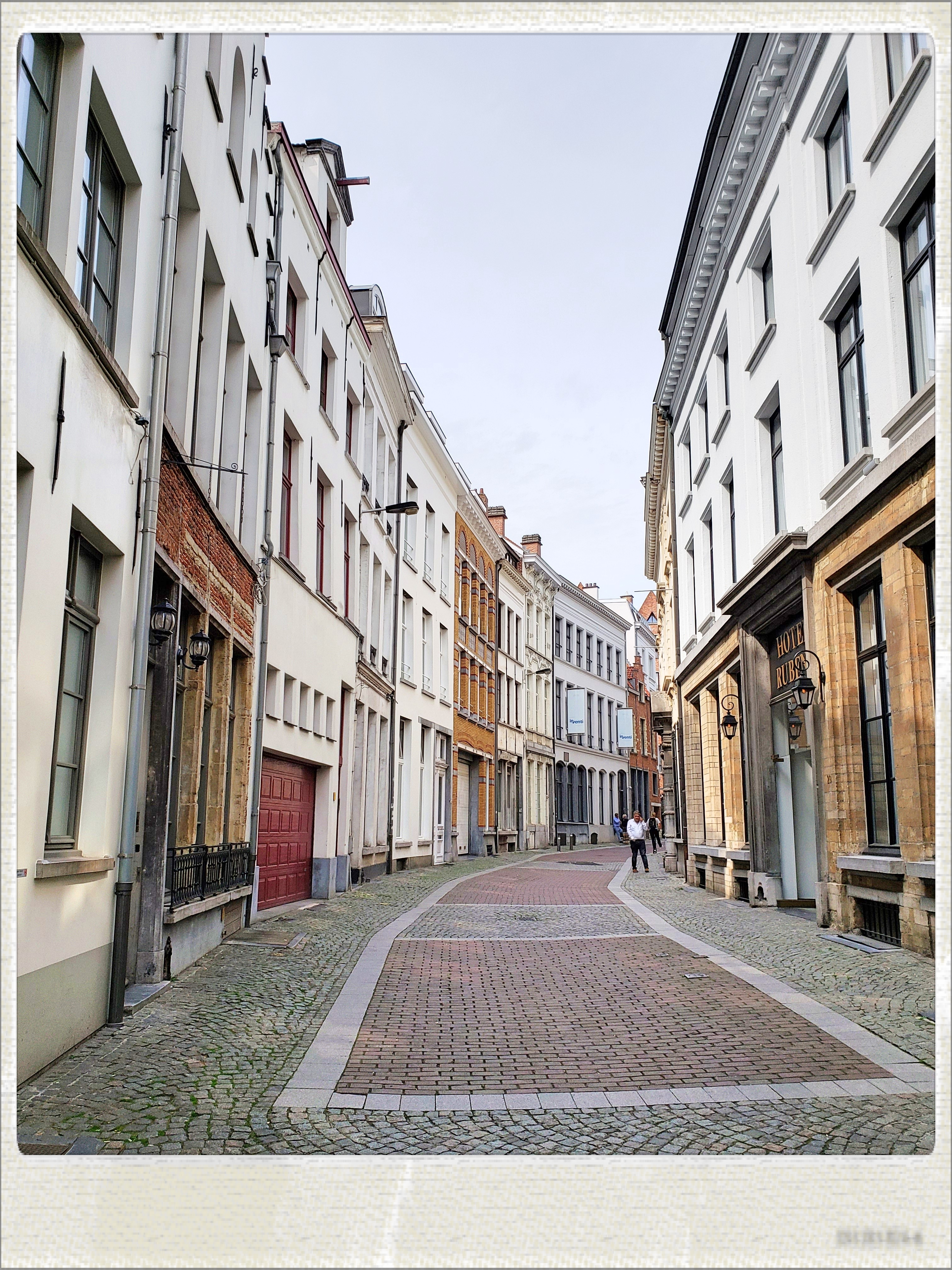
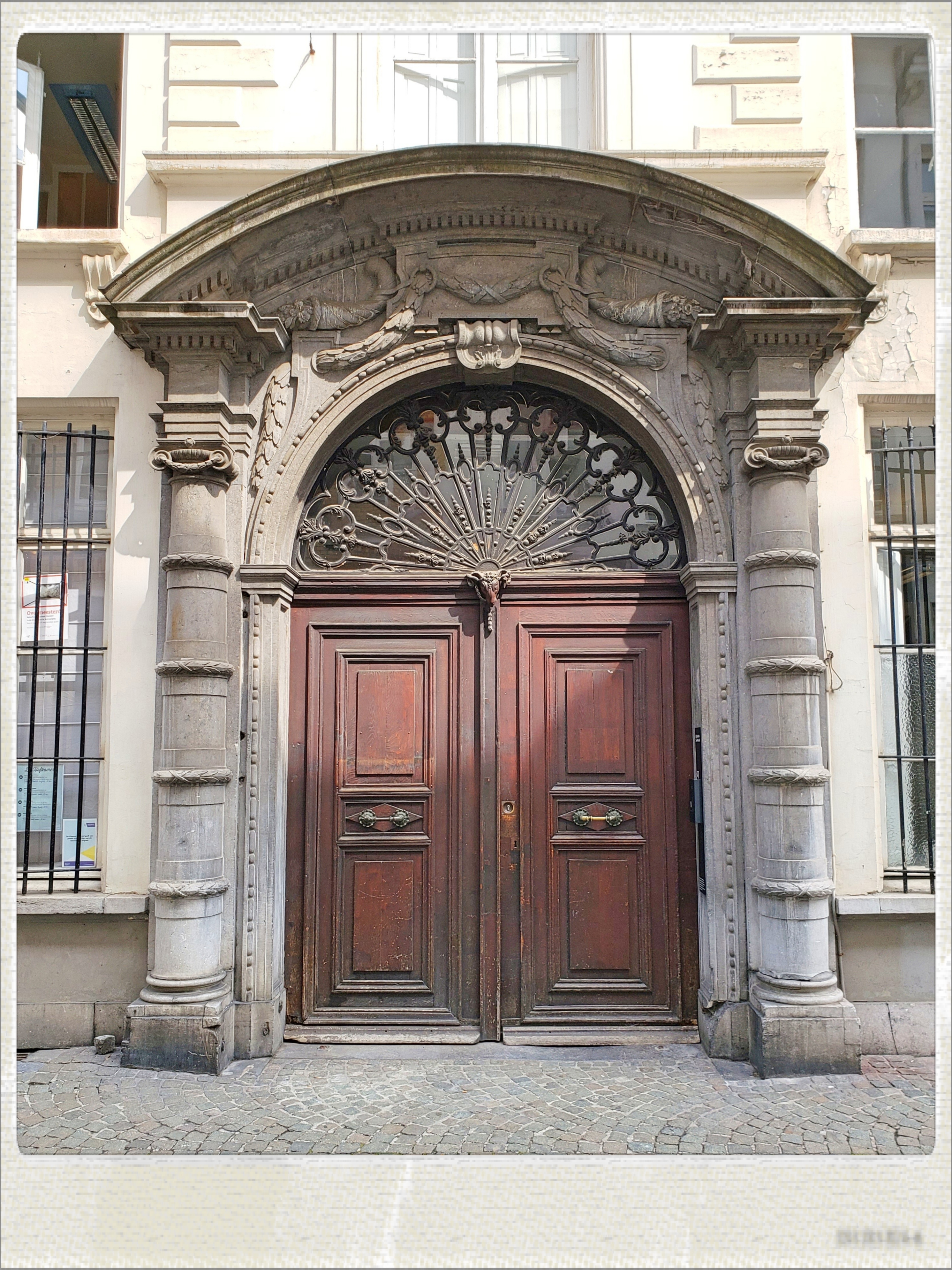
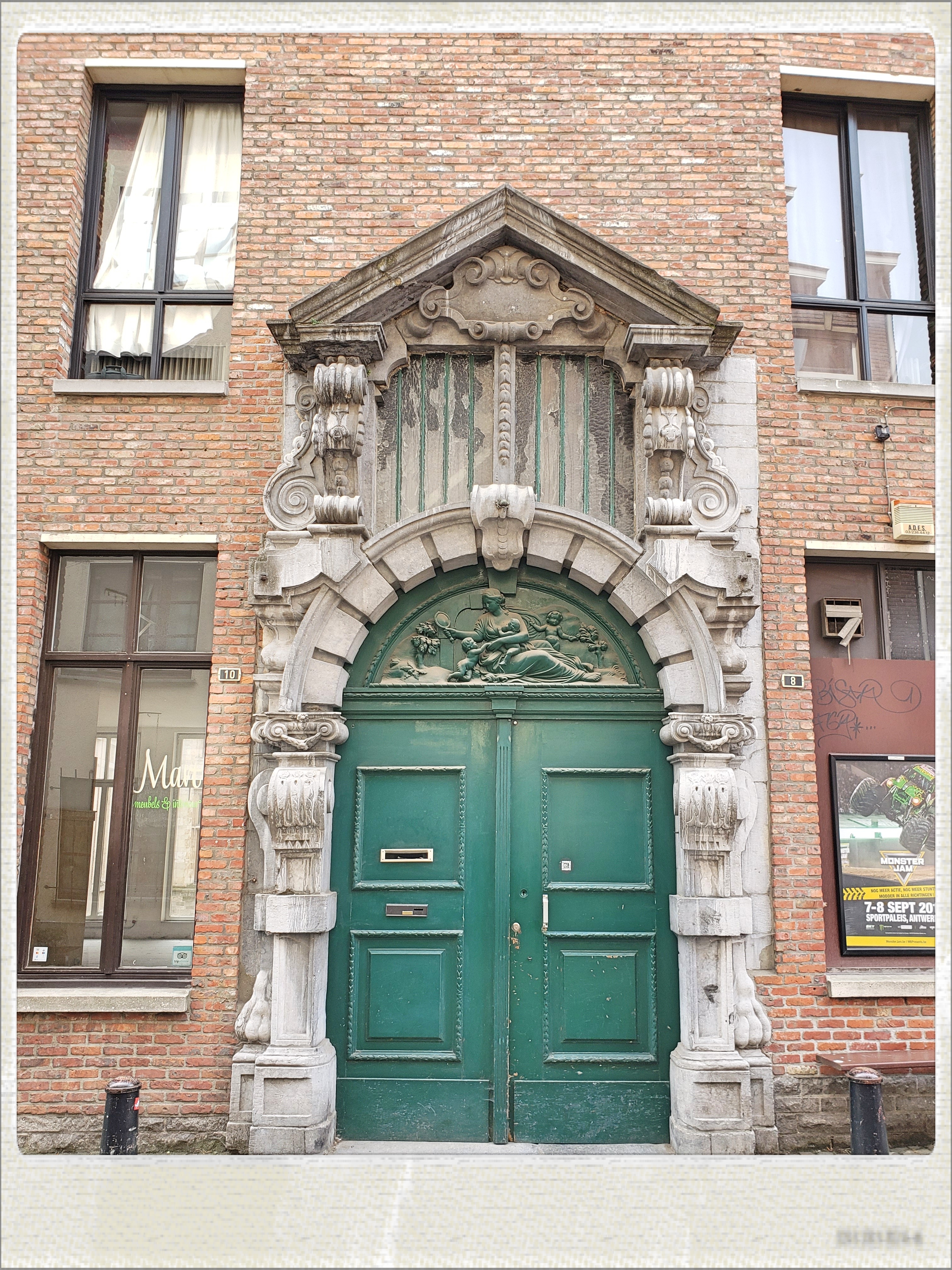
Meandering solo through the narrow alleyways near Oude Beurs , relishing the serenity in the backstreets of the Grote Markt as well as the delicate beauty of the architecture in the pleasurable weather, I was literally in sheer bliss.
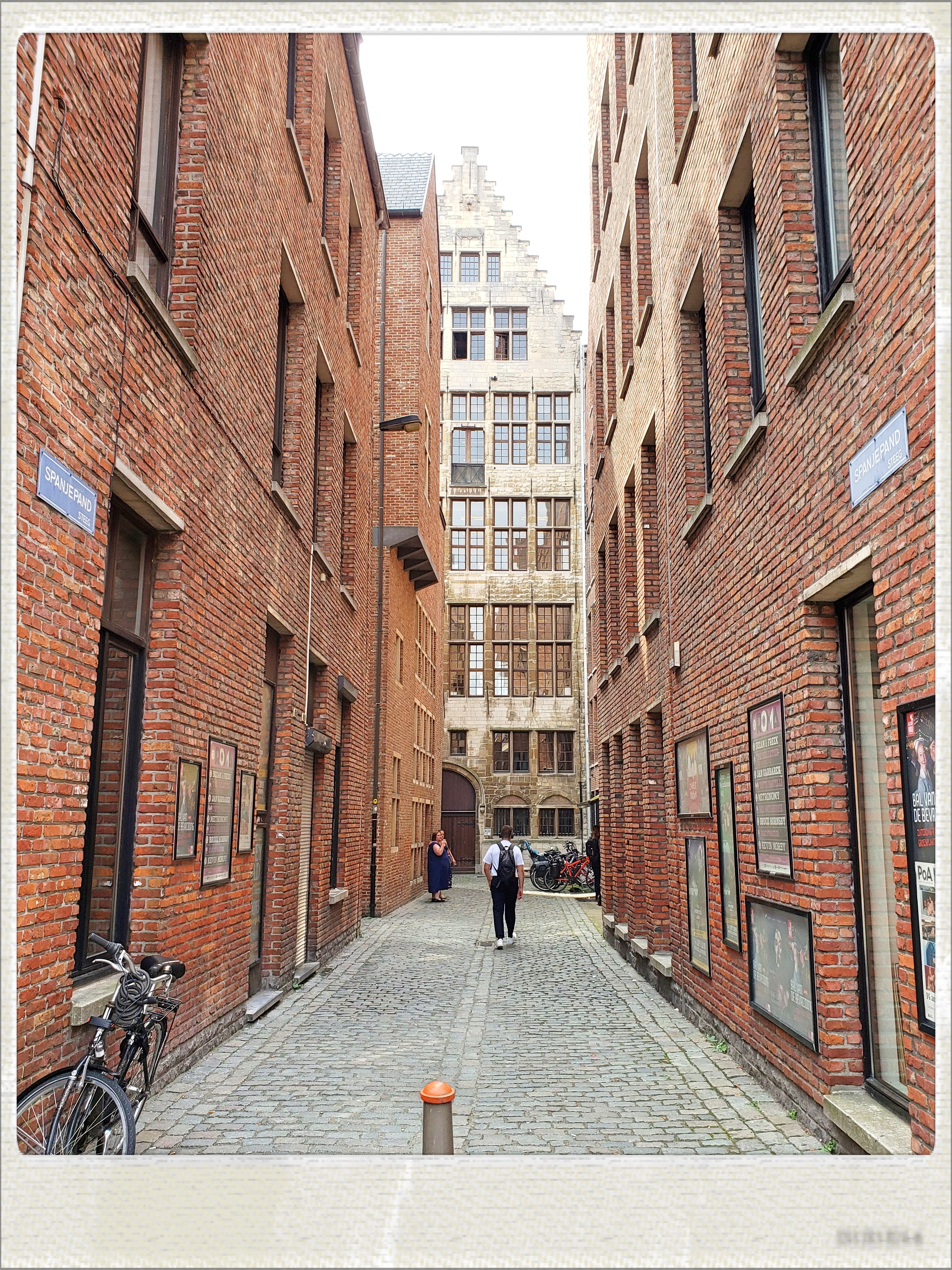
Butcher’s Hall (Vleeshuis)
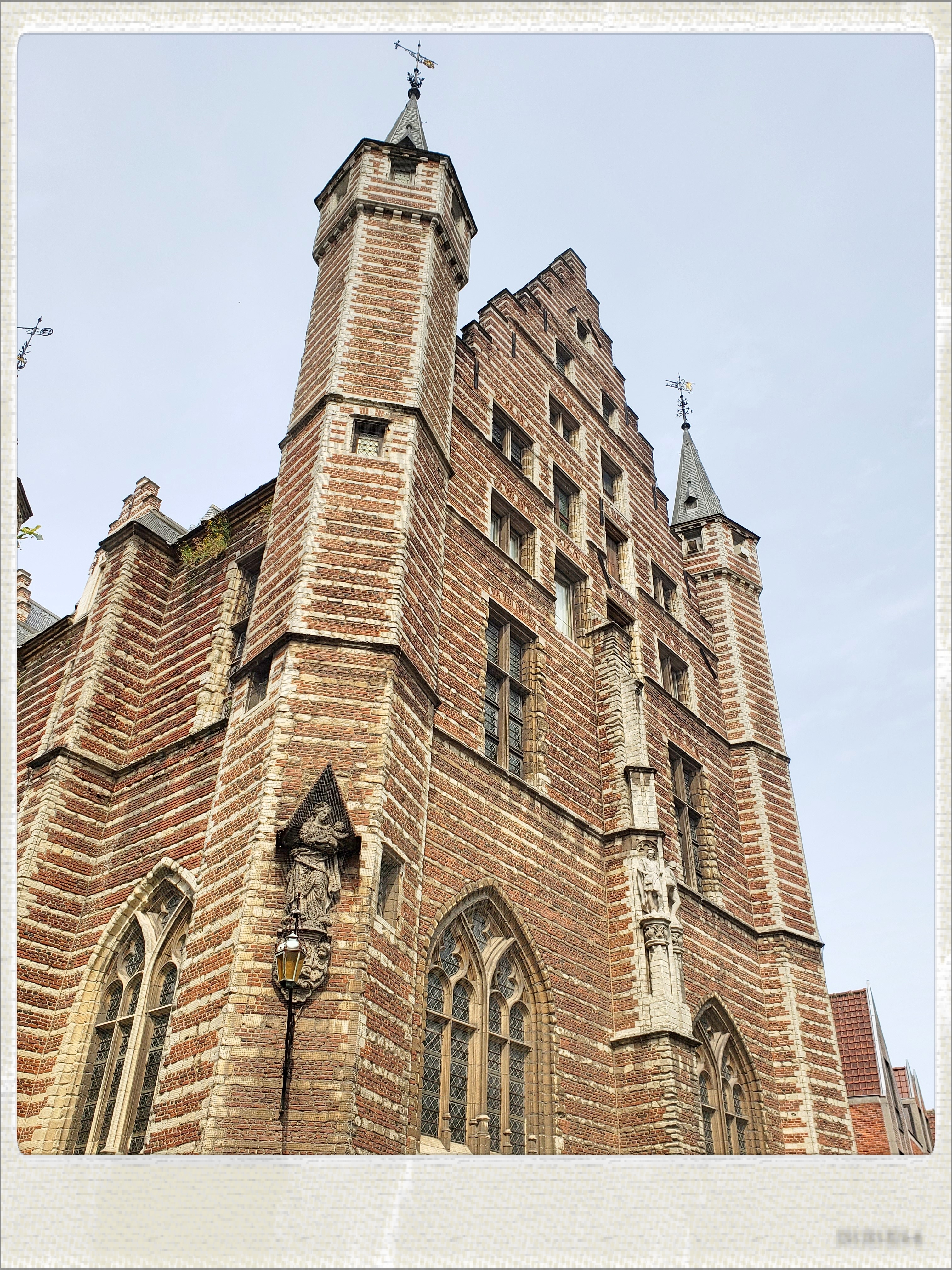
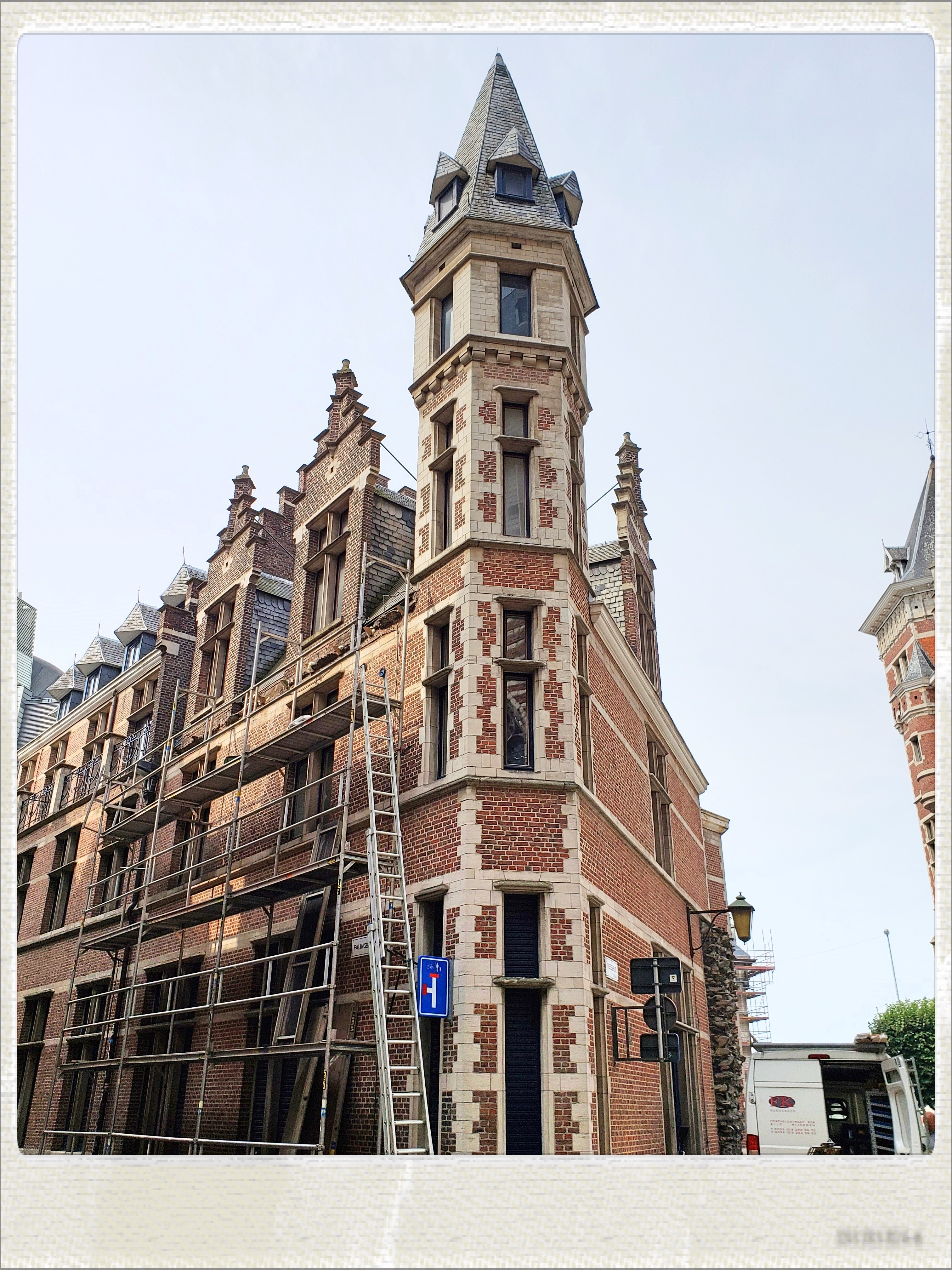
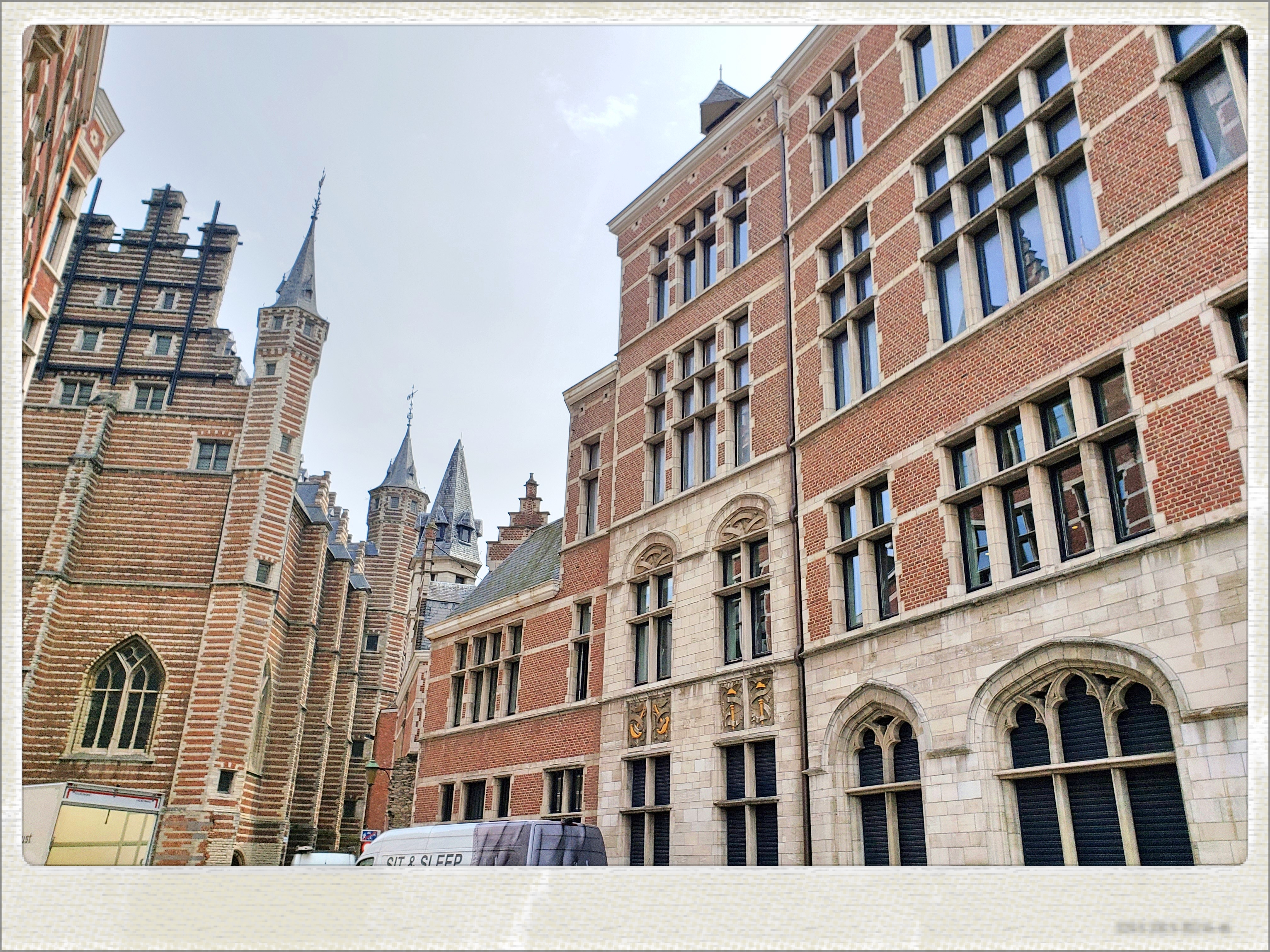
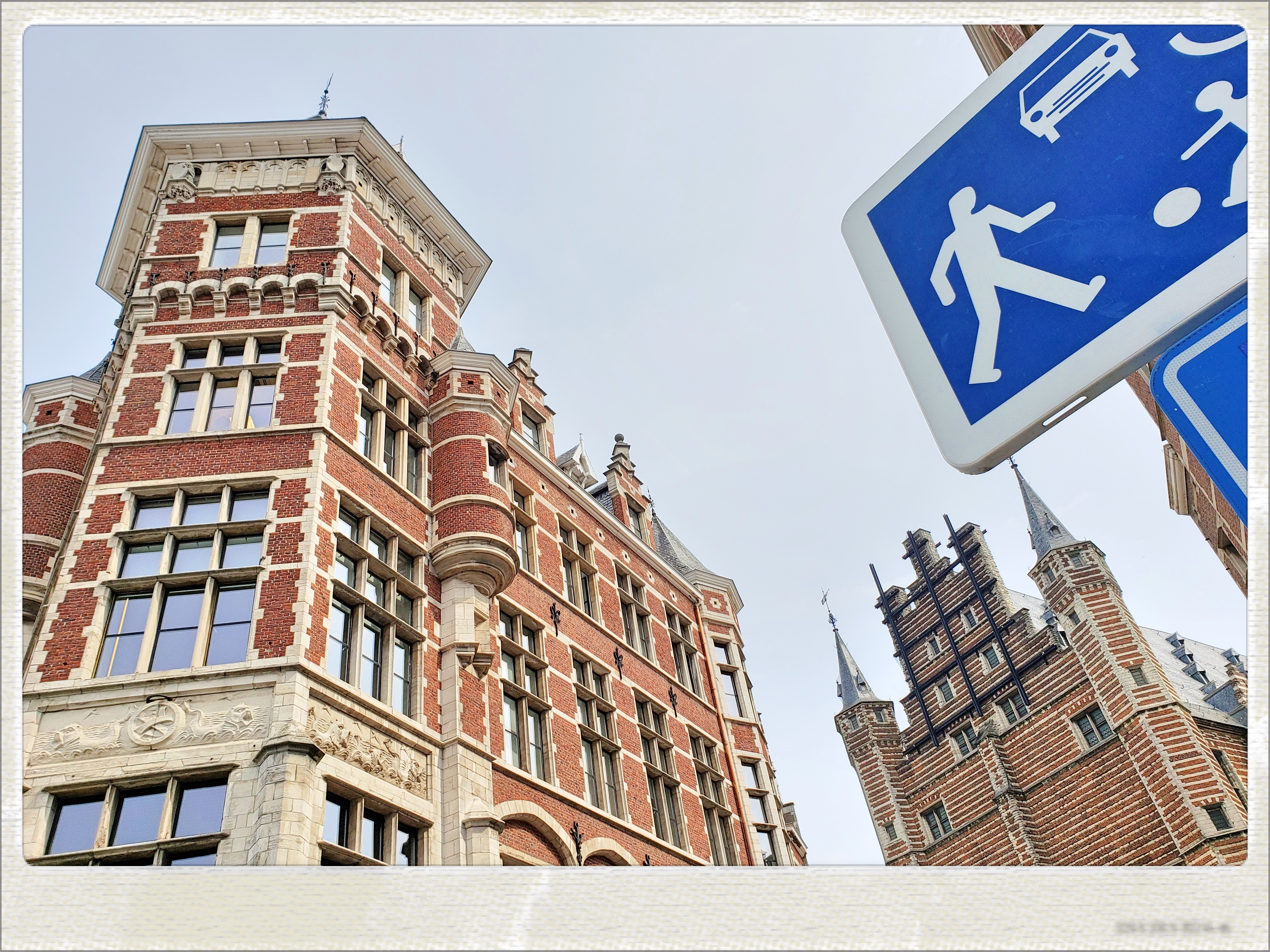
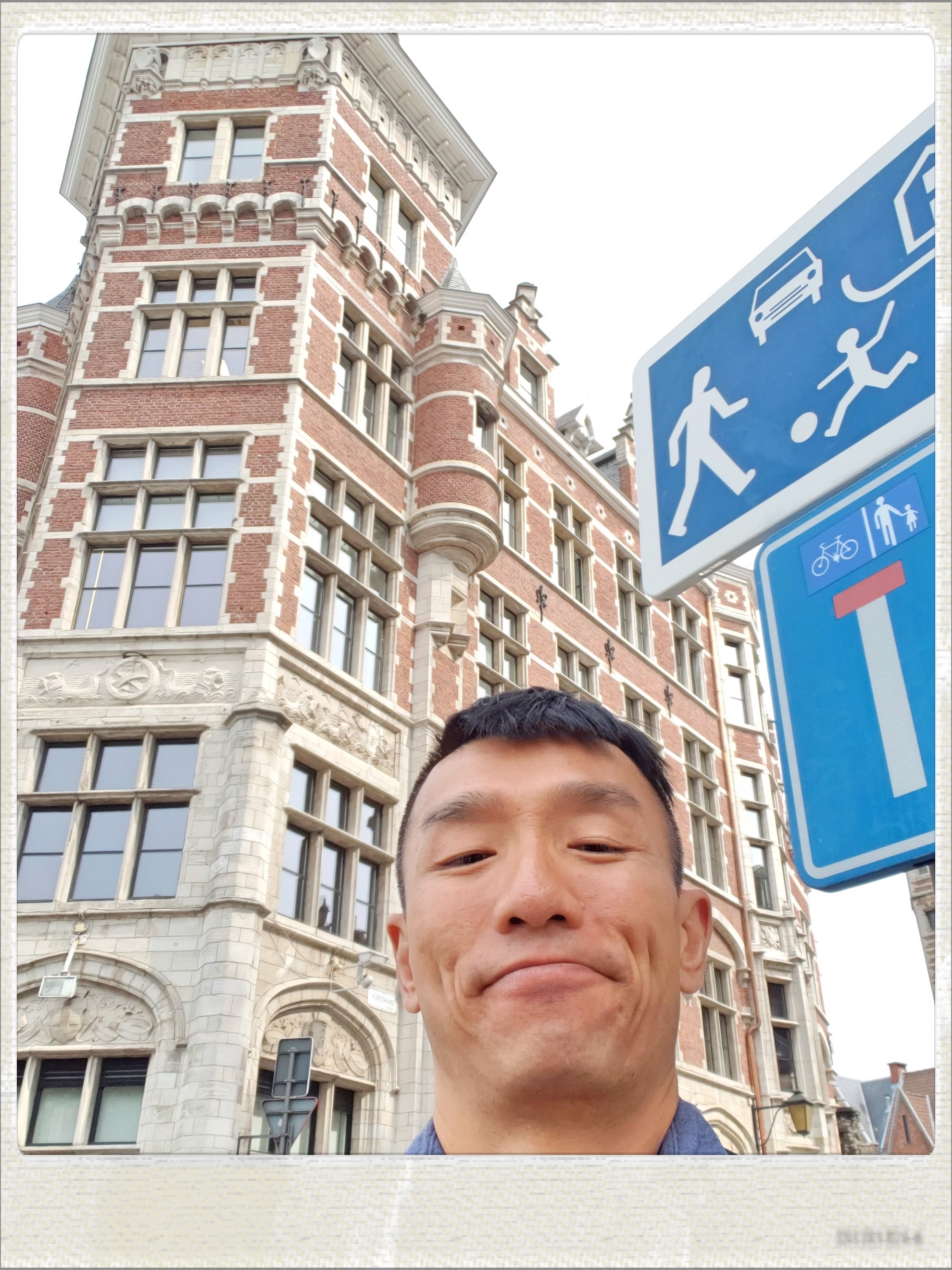
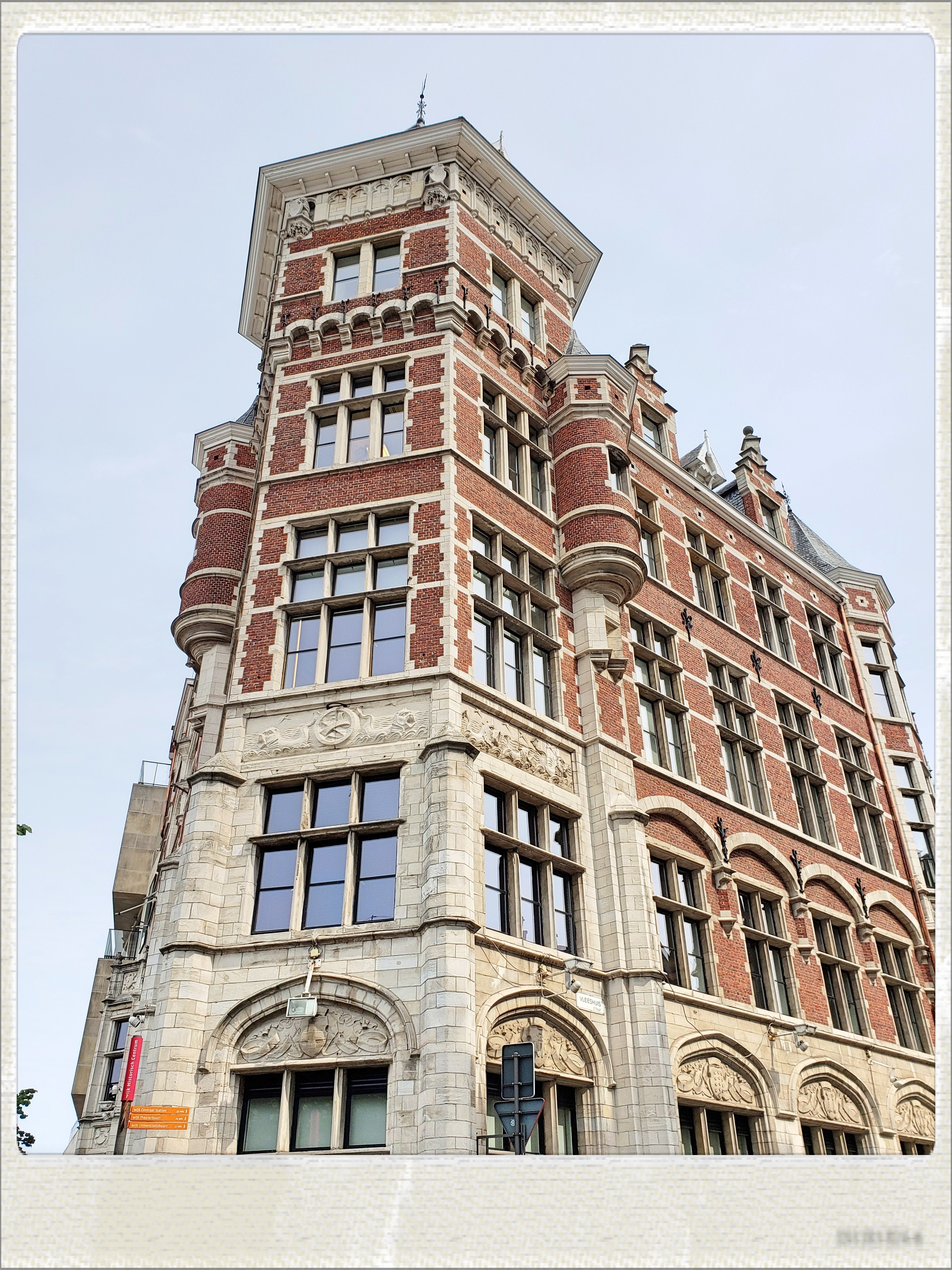
As I was nearing the Scheldt River, being a loyal lover of brick buildings, Butcher’s Hall (Vleeshuis), along with an ensemble of brick structures, successfully captured my attention.
Butcher’s Hall (Vleeshuis) is a former guildhall and is now a museum of musical instruments. The current late-Gothic building, which constructed in 1501-1504, is made of red brick and sandstone.
Museum Plantin-Moretus
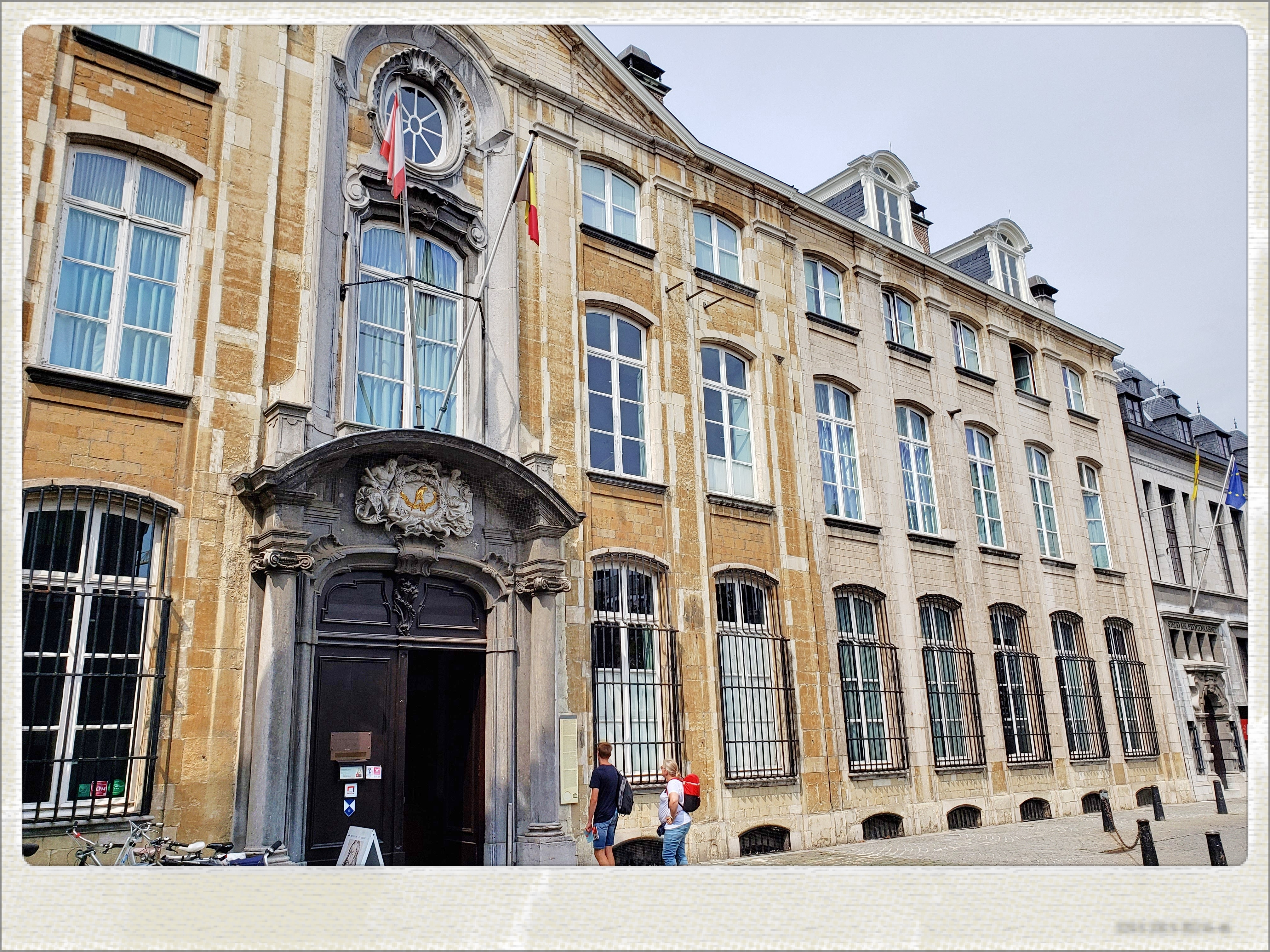
Being a UNESCO World Heritage site since 2005, Museum Plantin-Moretus is a printing museum, and the wooden historical interior is a sheer beauty. However, I skipped the museum for some reasons.
St. Anna’s Pedestrian Tunnel
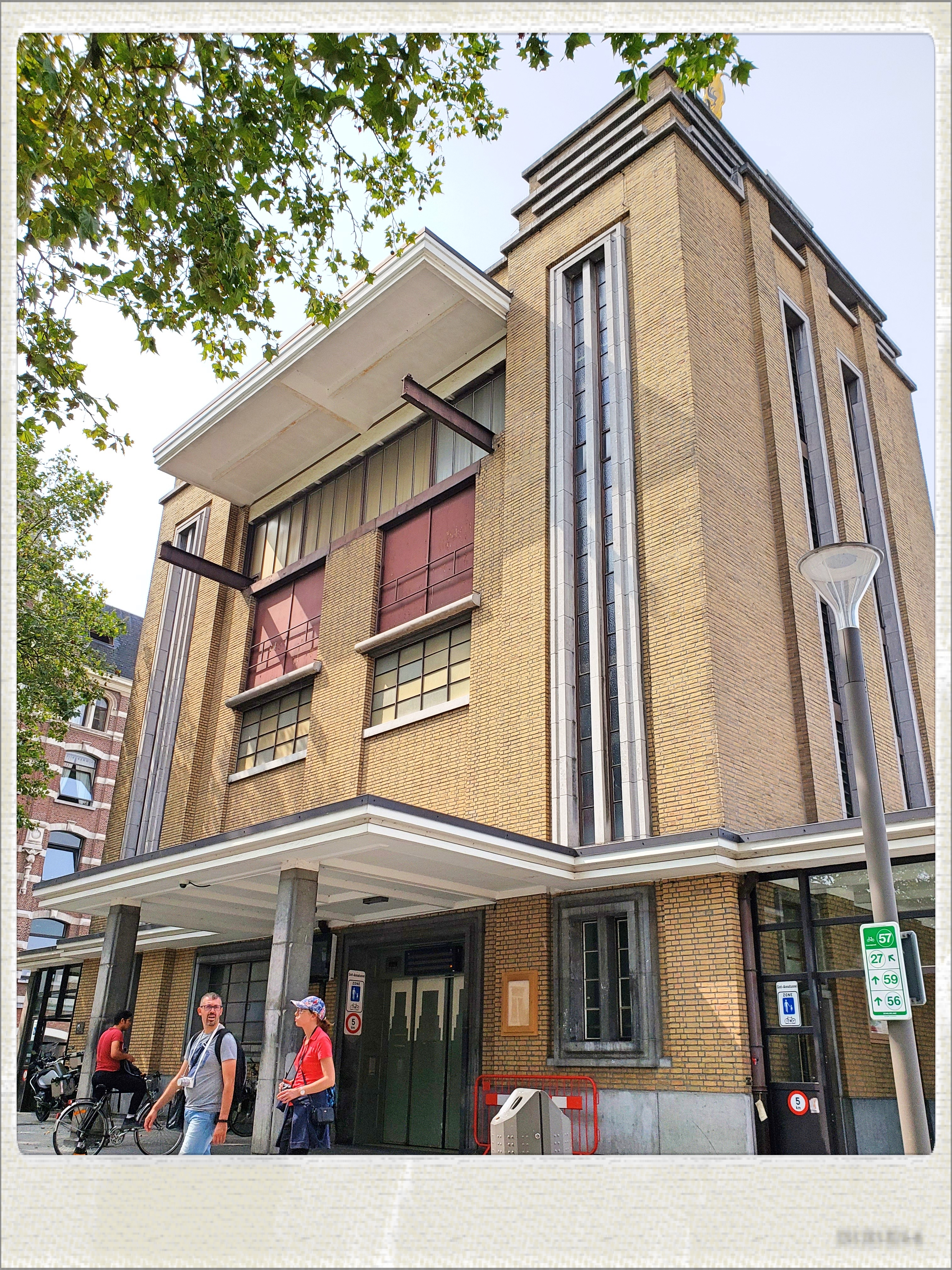
At the end of a stretch of open space planked with trees standing a modestly embellished brick structure, I thought it was a school building and its sports ground at the first sight but it turned out to be one of the most eccentric tourist attractions that I’ve ever visited in my entire life and one of my two highlights of the day as well.
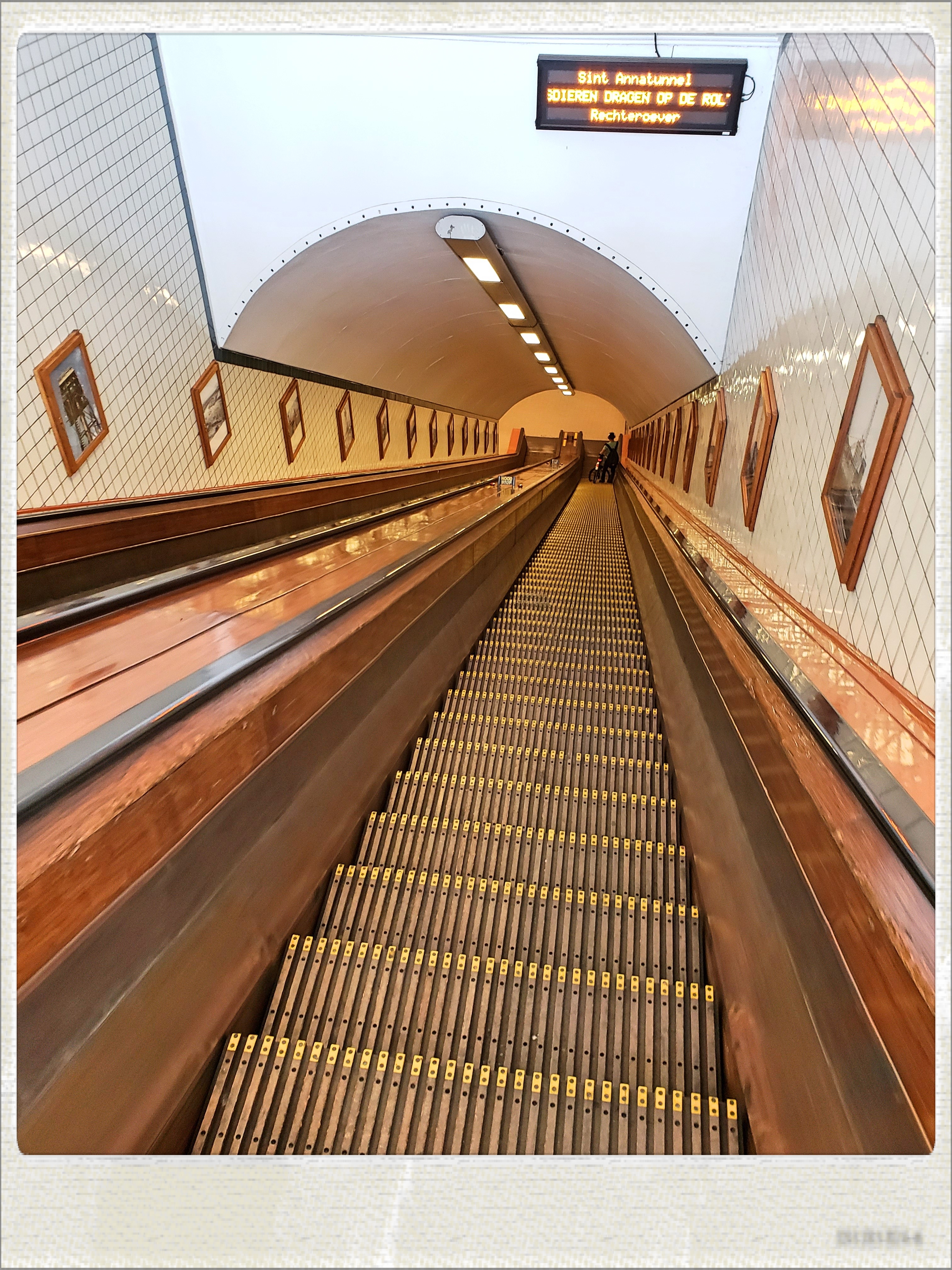
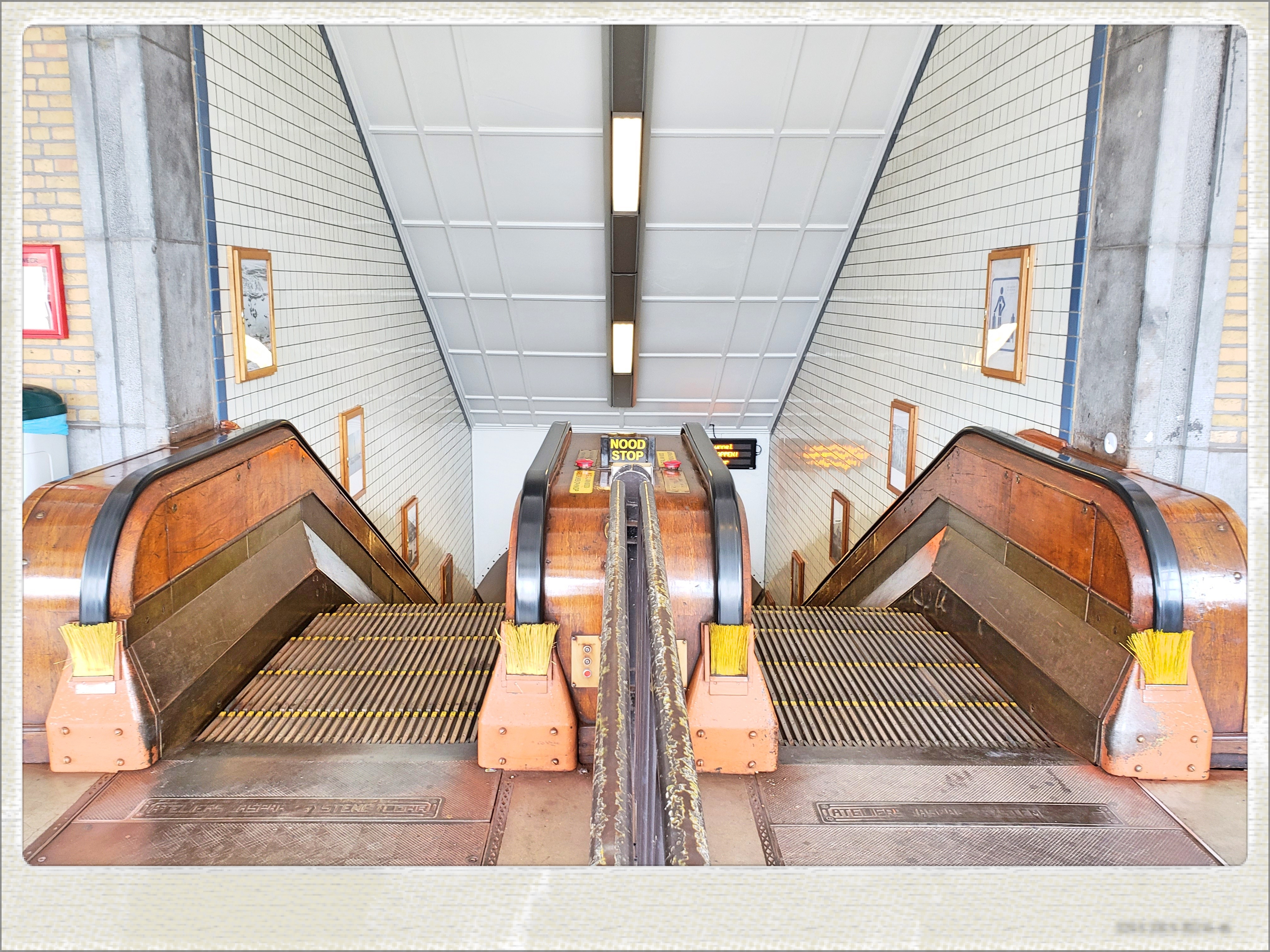
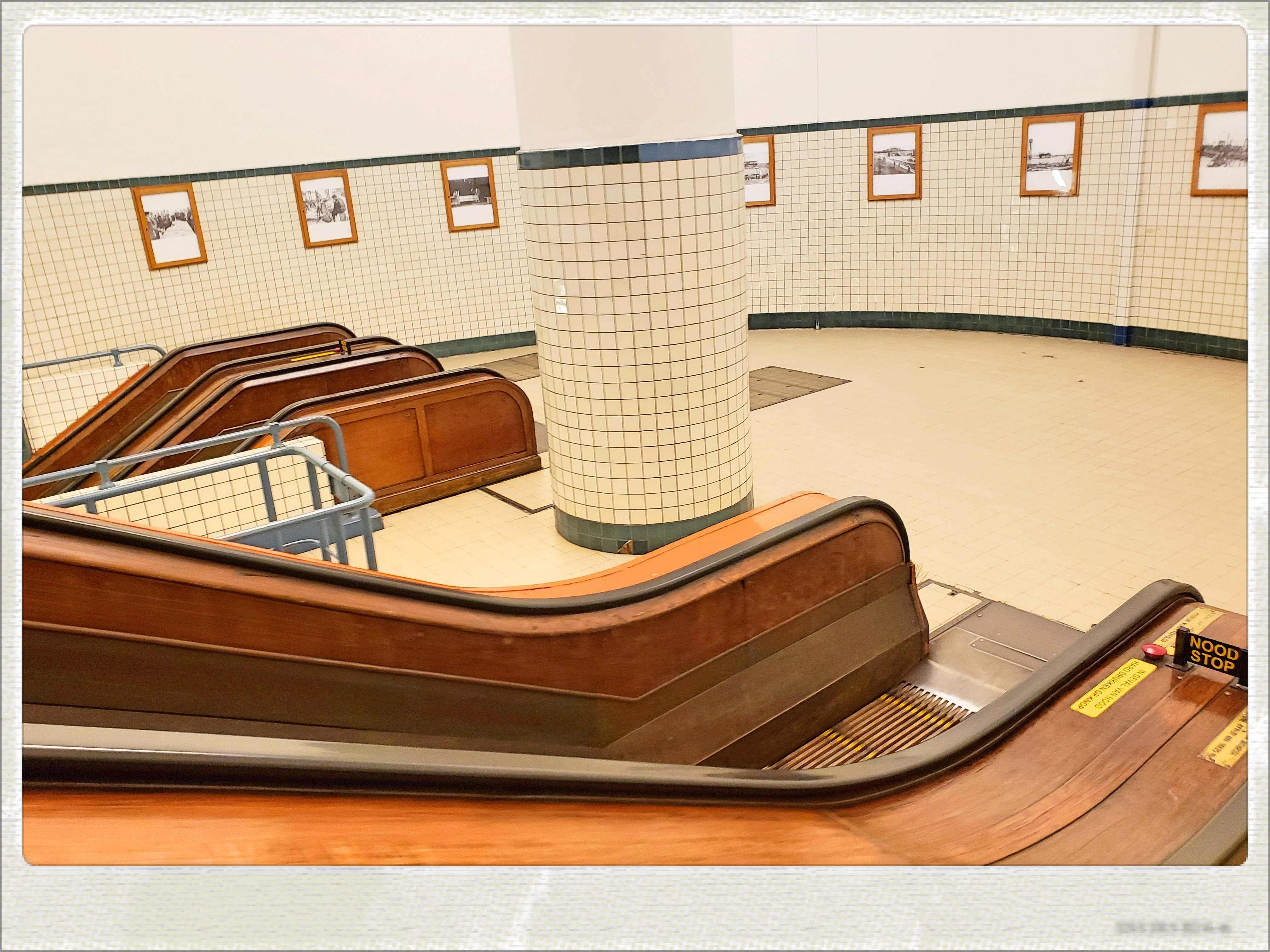
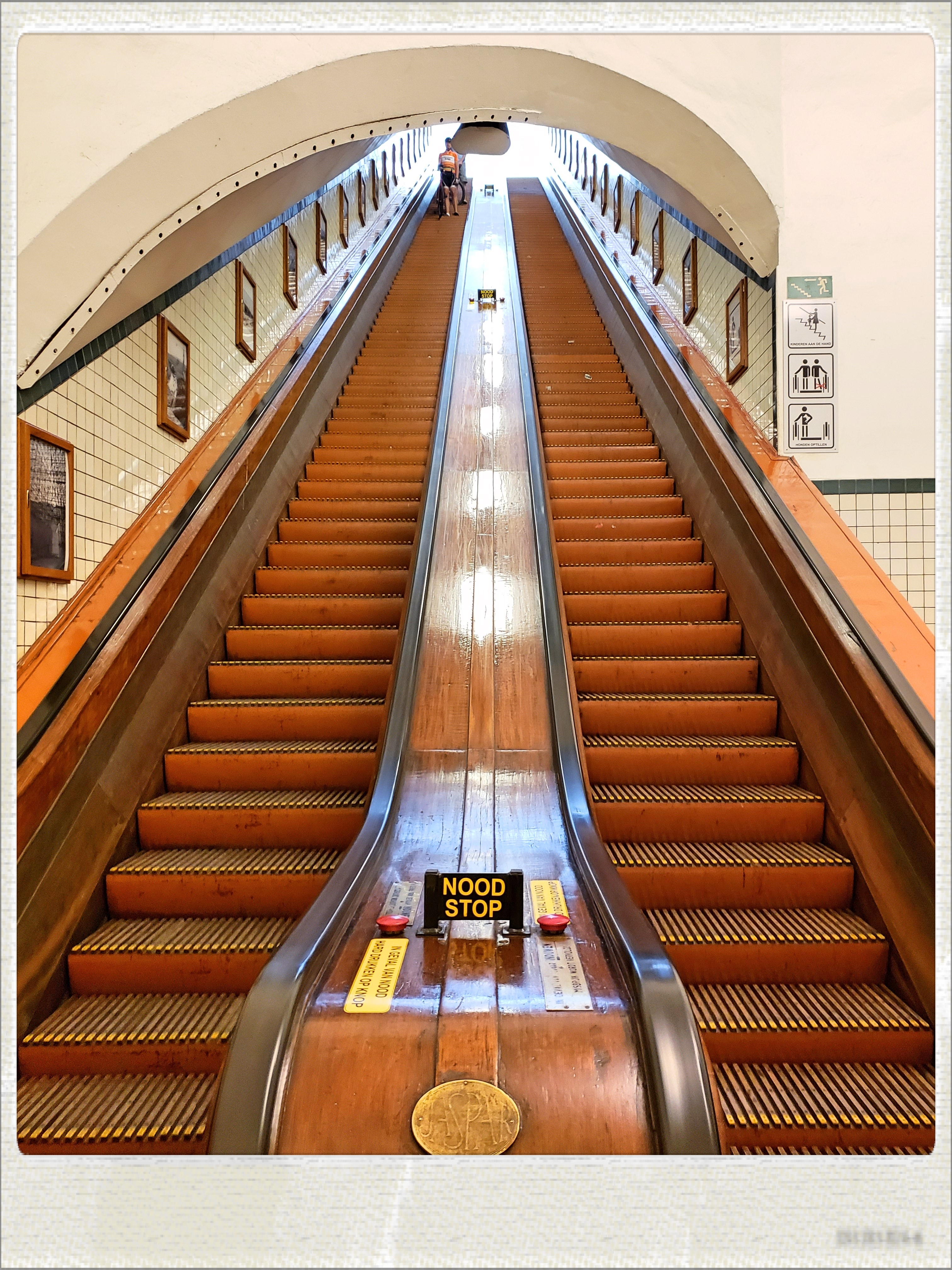
At the moment stepping inside the little brick building, the sober tiles and the vintage wooden escalators literally transported me to the early 20th century before the outbreak of WWII.
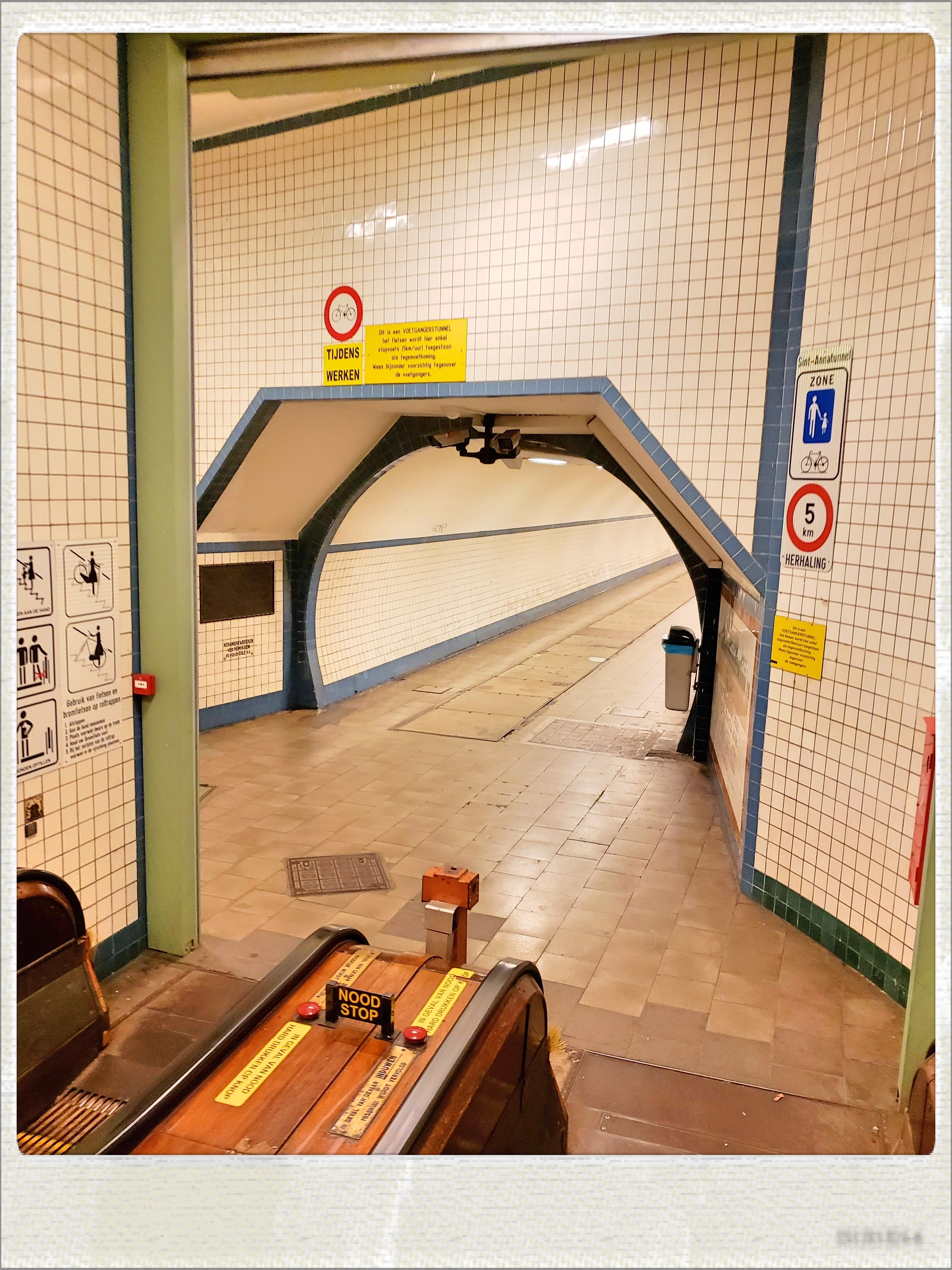
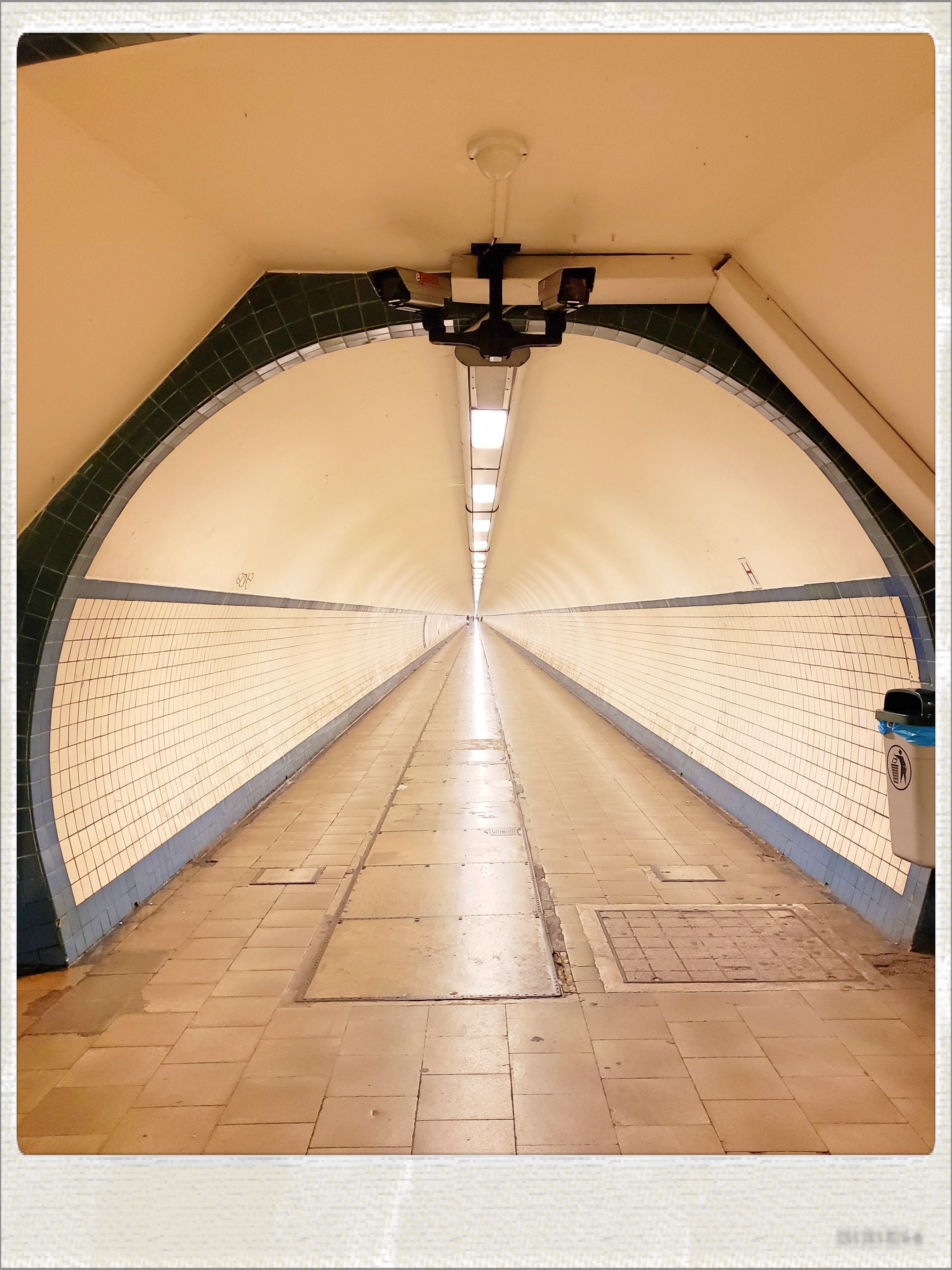
Soaking up in the atmosphere, I was gobsmacked yet tremendously psyched. Riding the escalators in complete awe and amazement, I reached the lowest level at which the ever going, modestly ornamented pedestrian and cyclist tunnel came into sight.
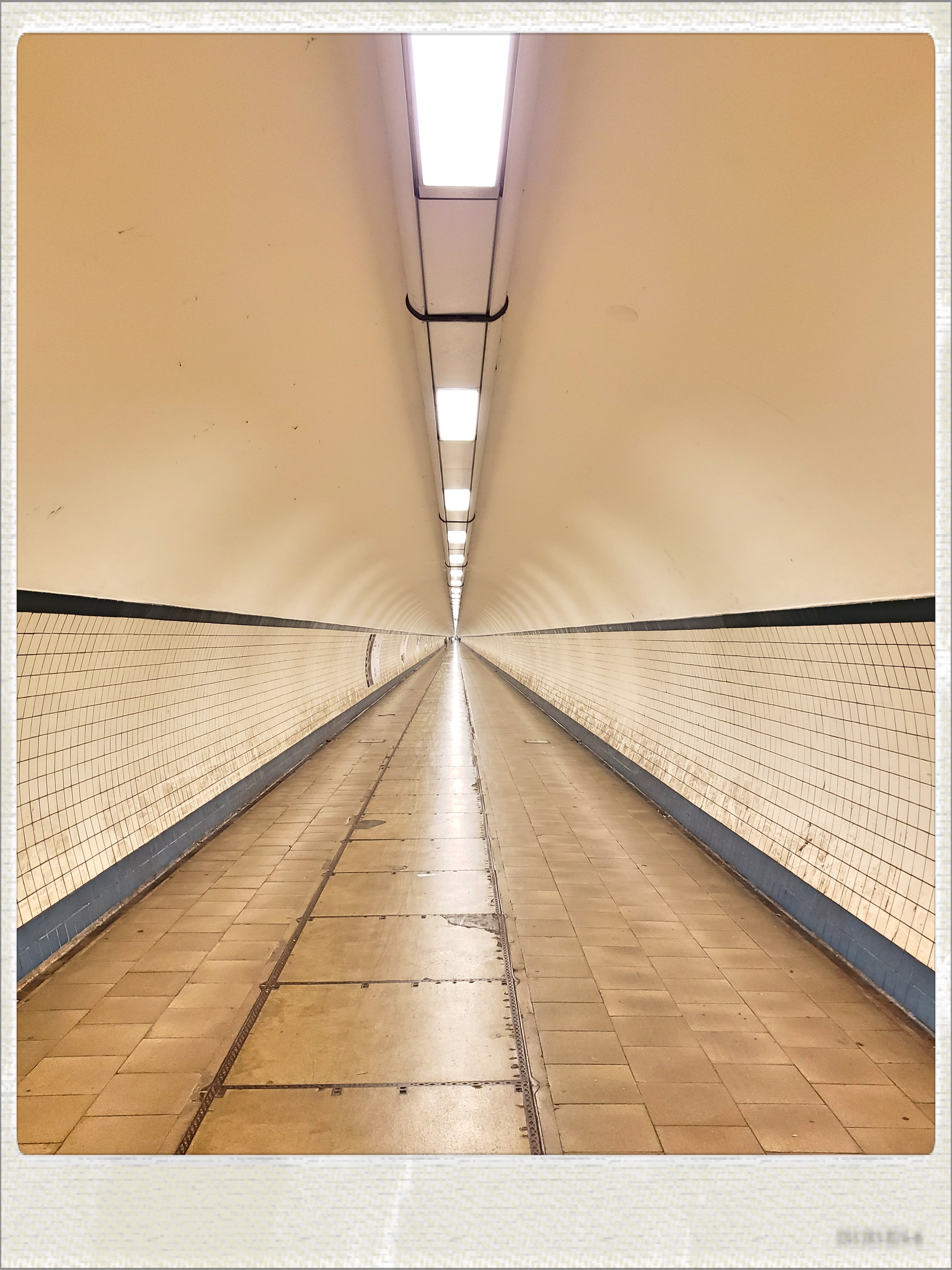
The scarcely peopled, vintage tunnel had a hint of spookiness and oddity particularly when the abrupt drop of temperature inside the tunnel was distinct.
In 1810, Napoleon had designed a new district on the western side of the Scheldt River but the lack of connecting road meant that his urbanization plan could not continue.
Not until 1930s when a never-seen-before technology emerged, could a tunnel be eventually excavated over 31 meters deep below the Scheldt River.
Van Eeden Metro Station
Leaving the St. Anna’s Pedestrian Tunnel on the left bank of the Scheldt River, the entrance of the Van Eeden Metro Station and the low density residential area that it served came into sight.
The astonishing austerity of the station design was way beyond my imagination. There was hardly anything in the overly spacious dim midway hall between the entrance on the street level and the lowest level of platforms.
I was planning to go back to the city centre but the appallingly packed train forced me to change my mind by taking the train of the opposite direction instead.
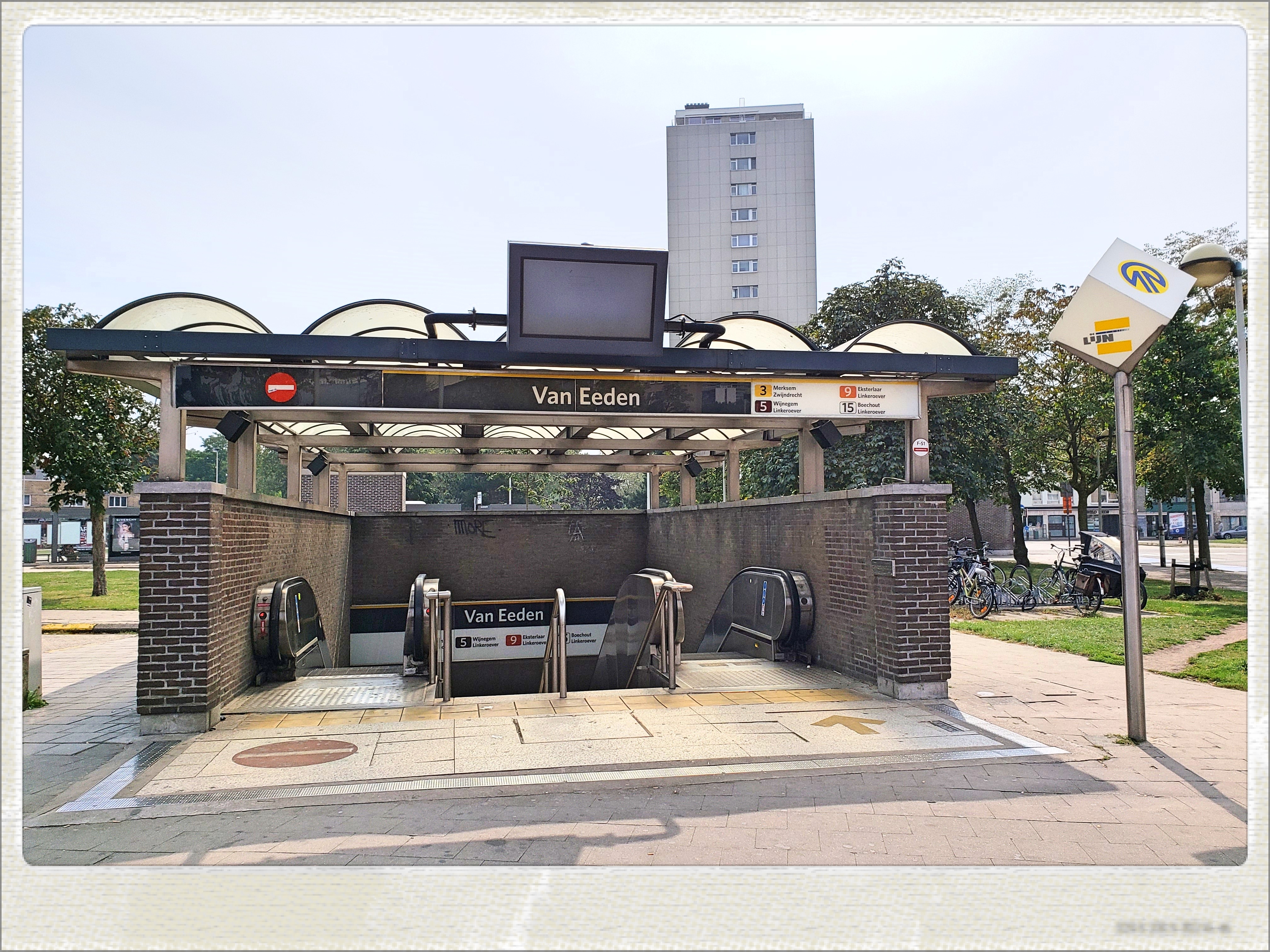
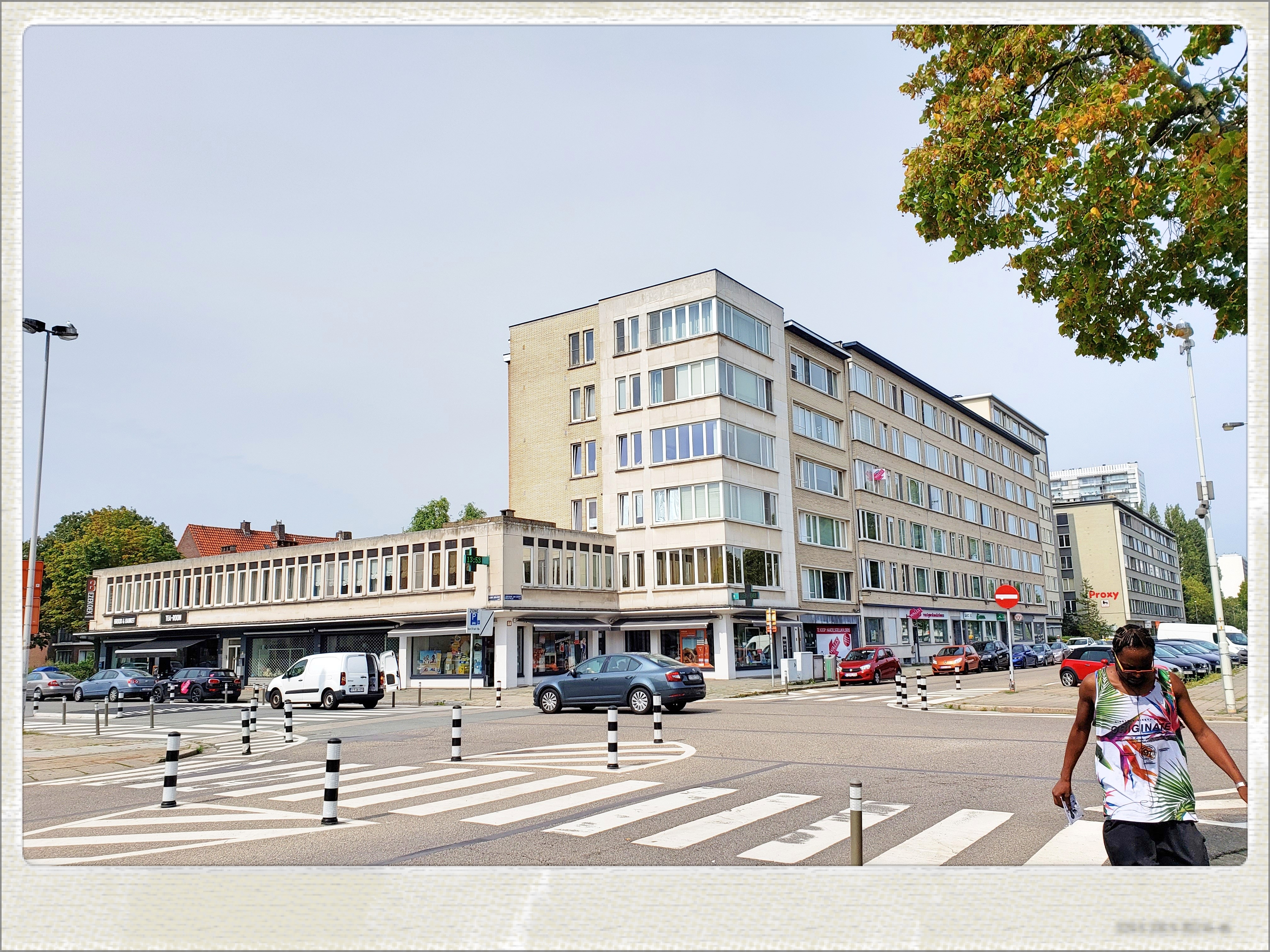
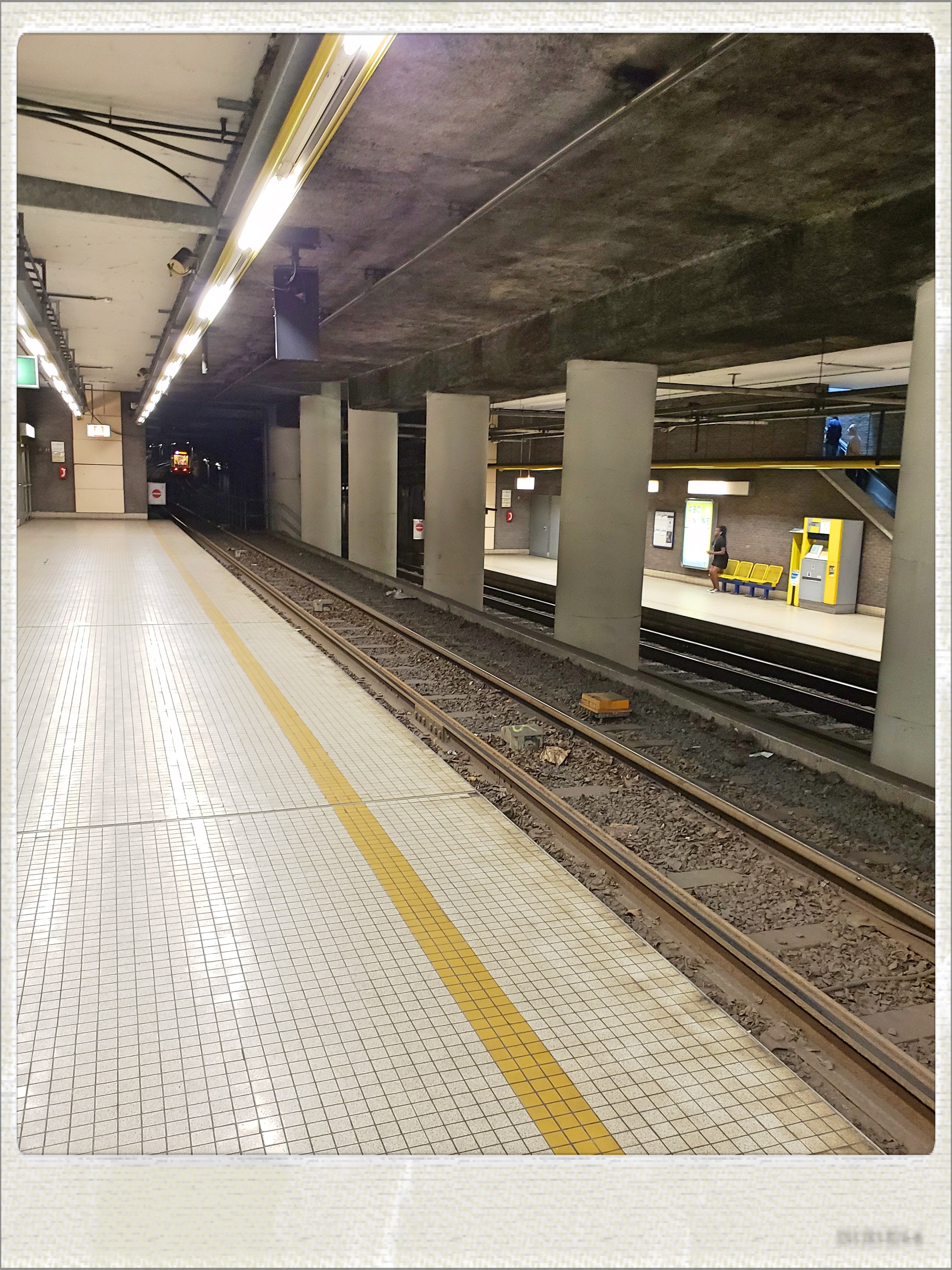
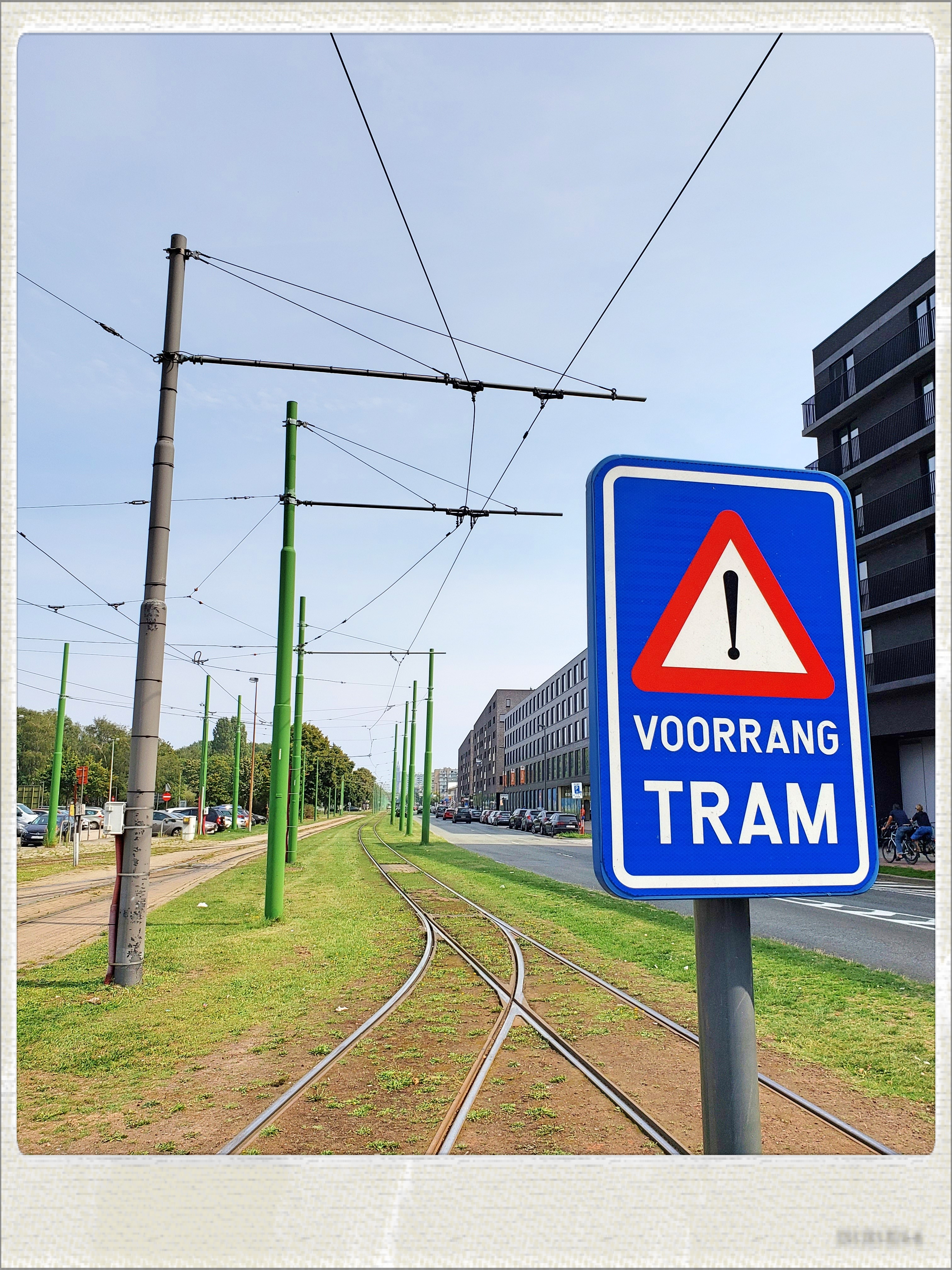
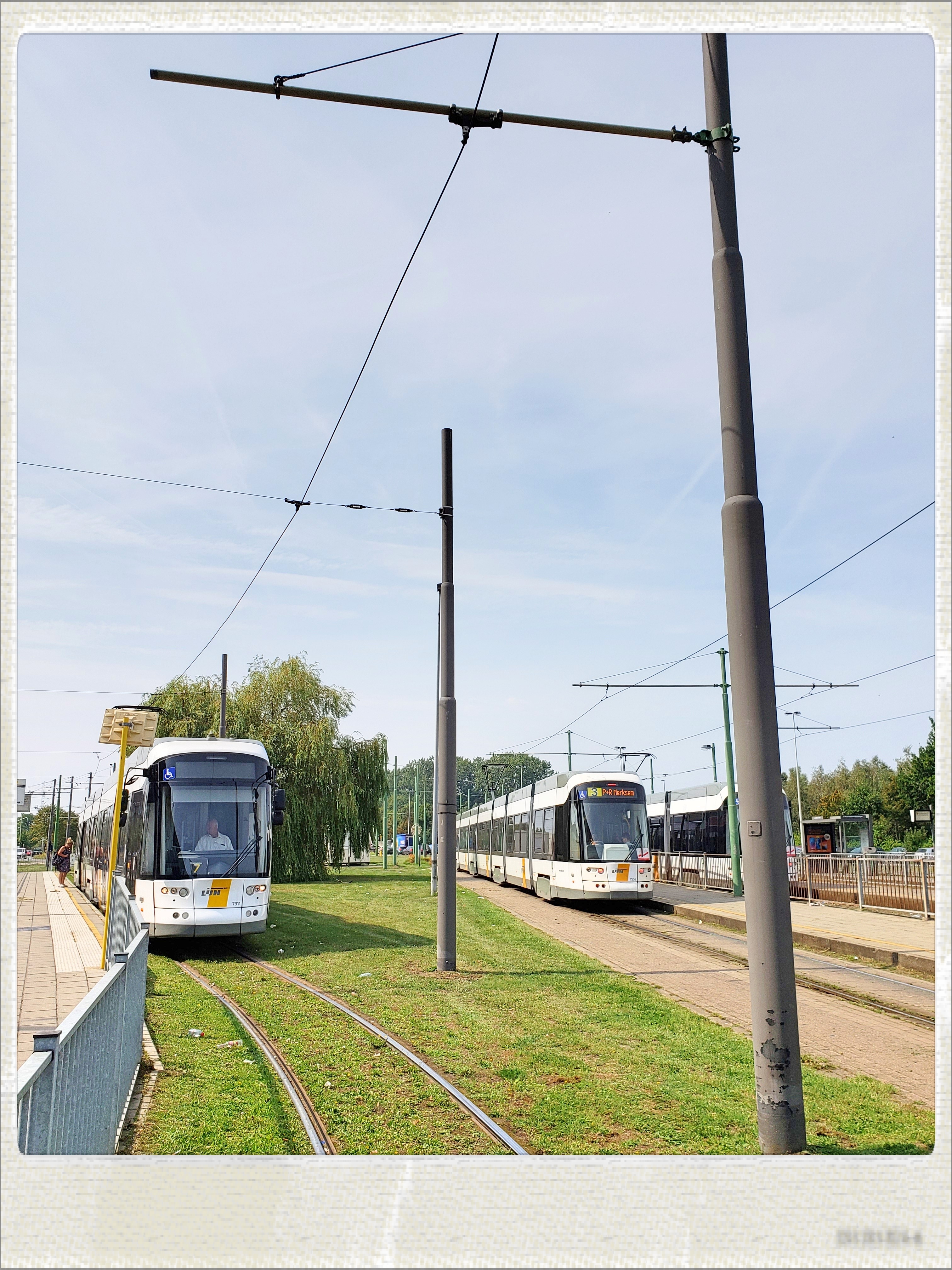
Antwerpen P+ R Linkeroever Tram Stop
I took a tram back to the city centre at this station, also the terminus of some tram lines.
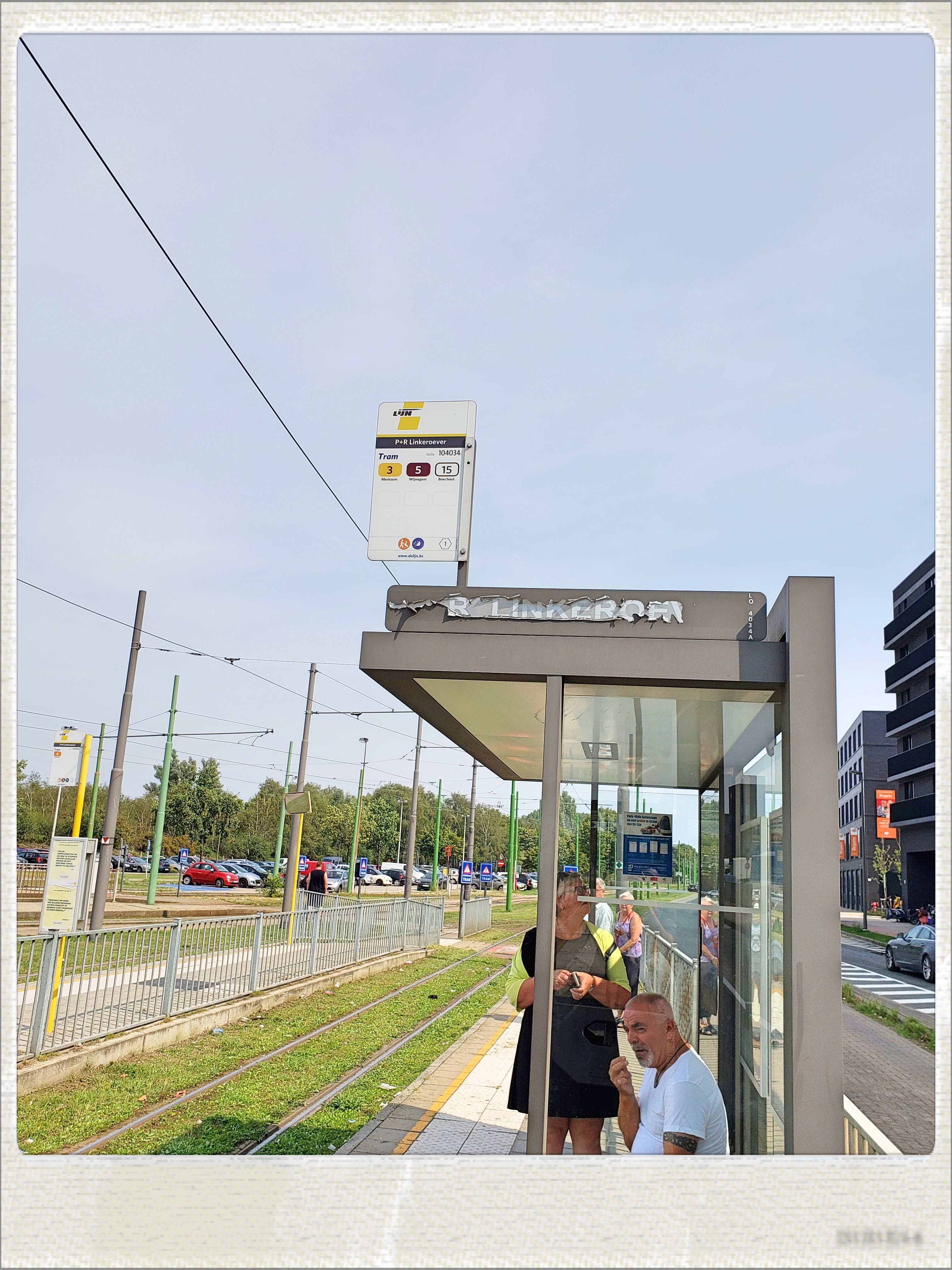
Elizabeth Station
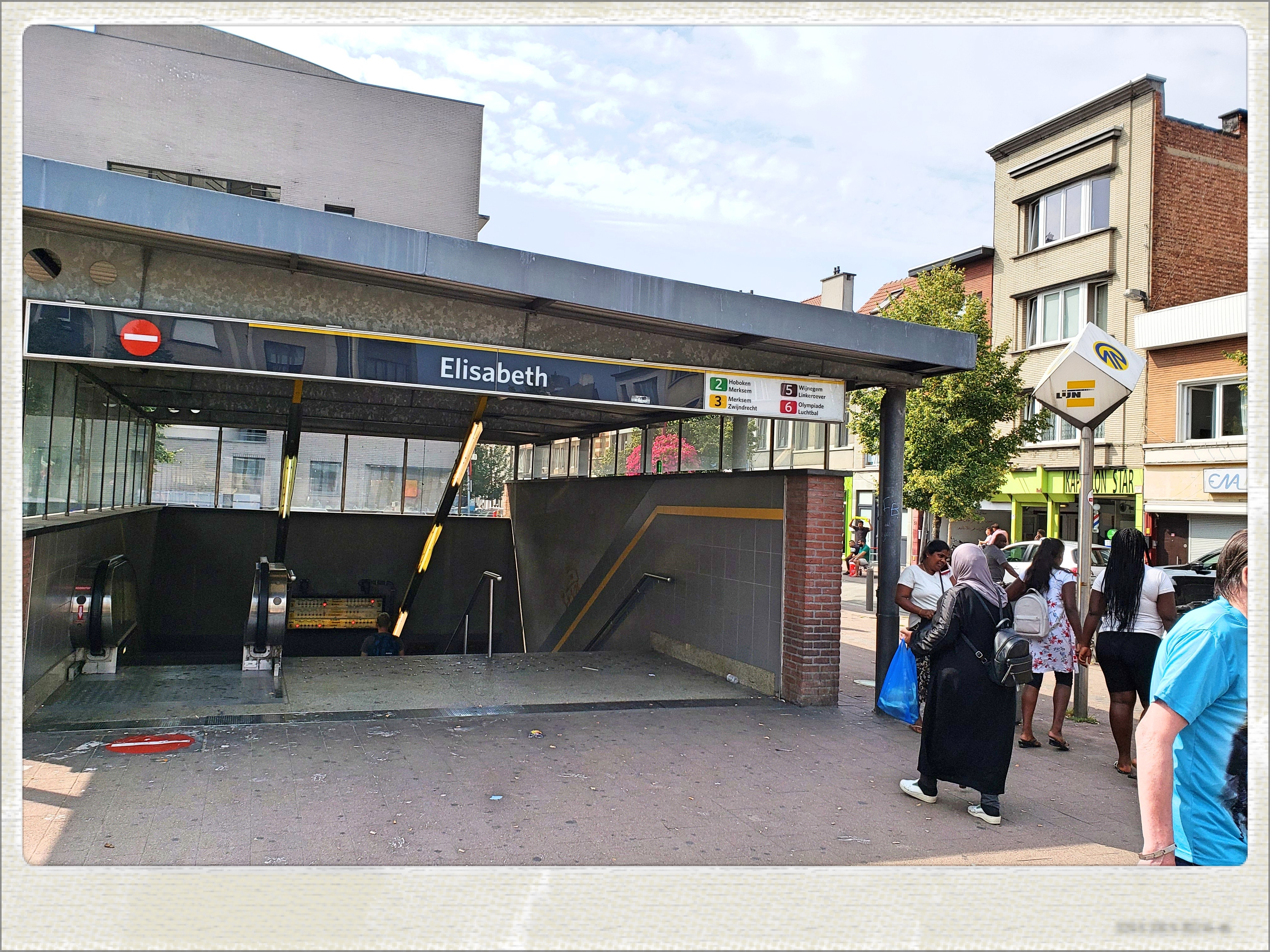
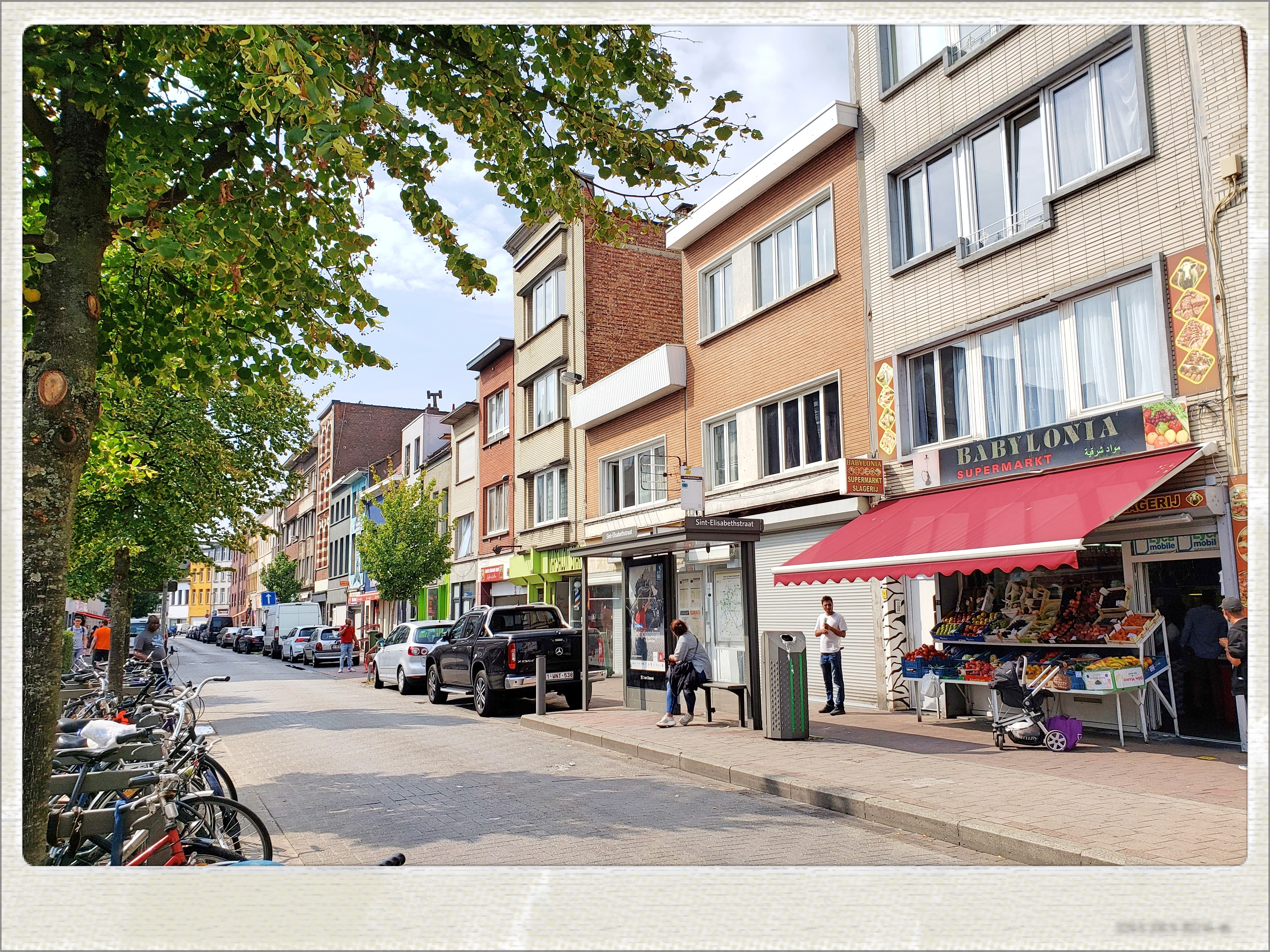
I’d always had the preconceived notion that metro stations and entrances were supposed to be constructed below or at least, in close proximity to the main roads or boulevards before it came to my edifying realization that the Elizabeth station was entirely built in an area of narrow streets, also a neighborhood home to mostly African-Belgians.
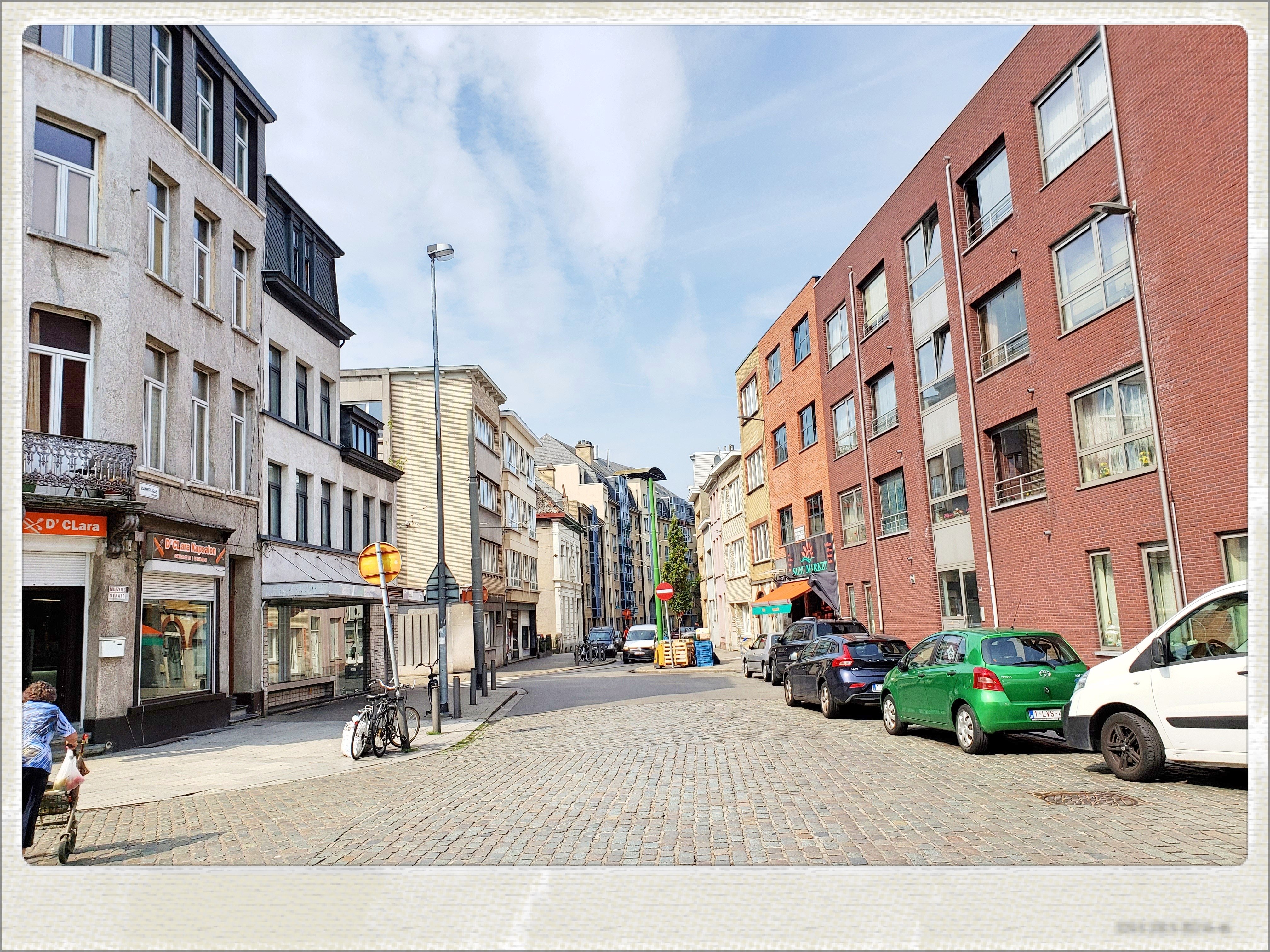
Antwerp Chinatown
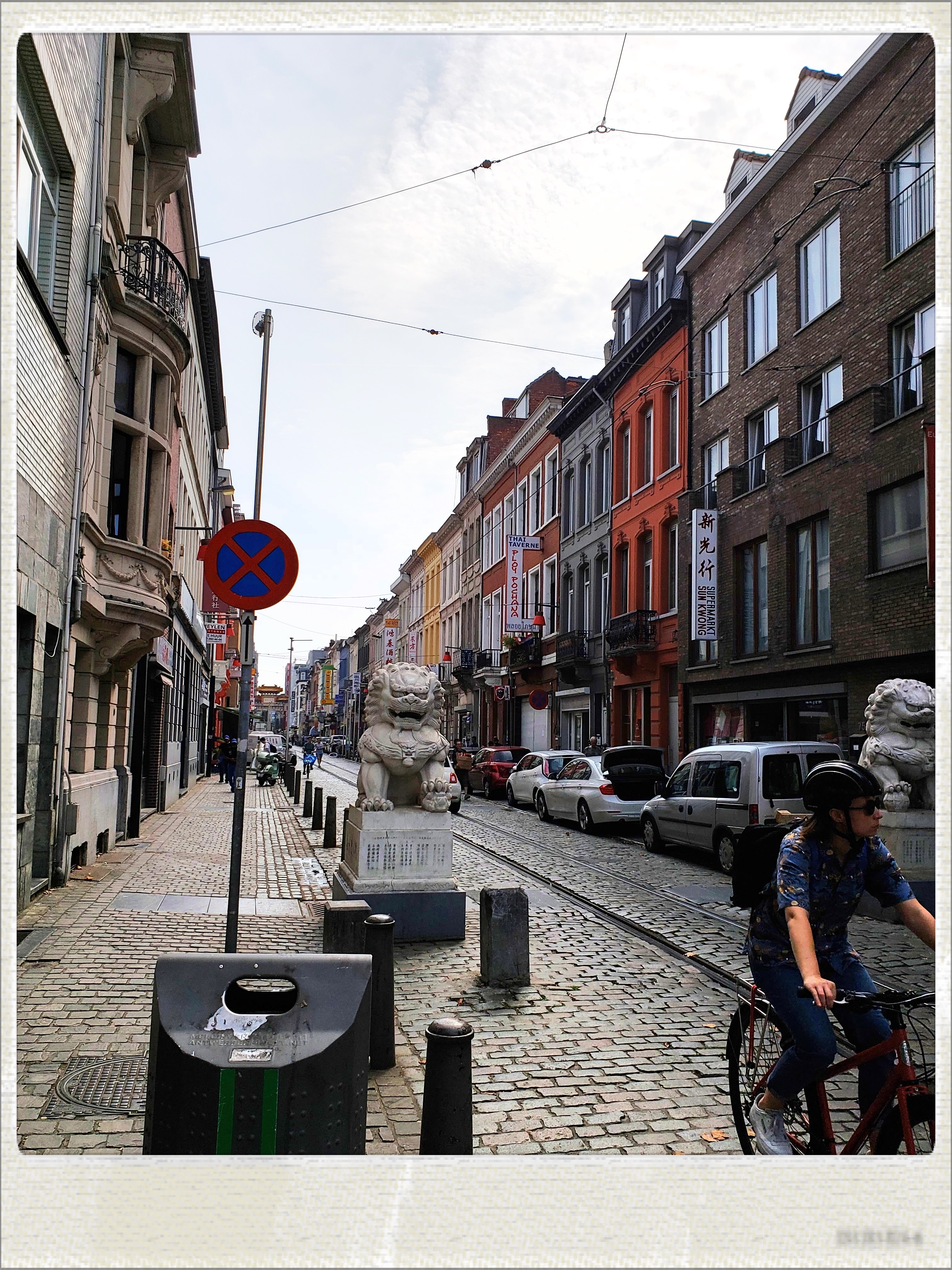
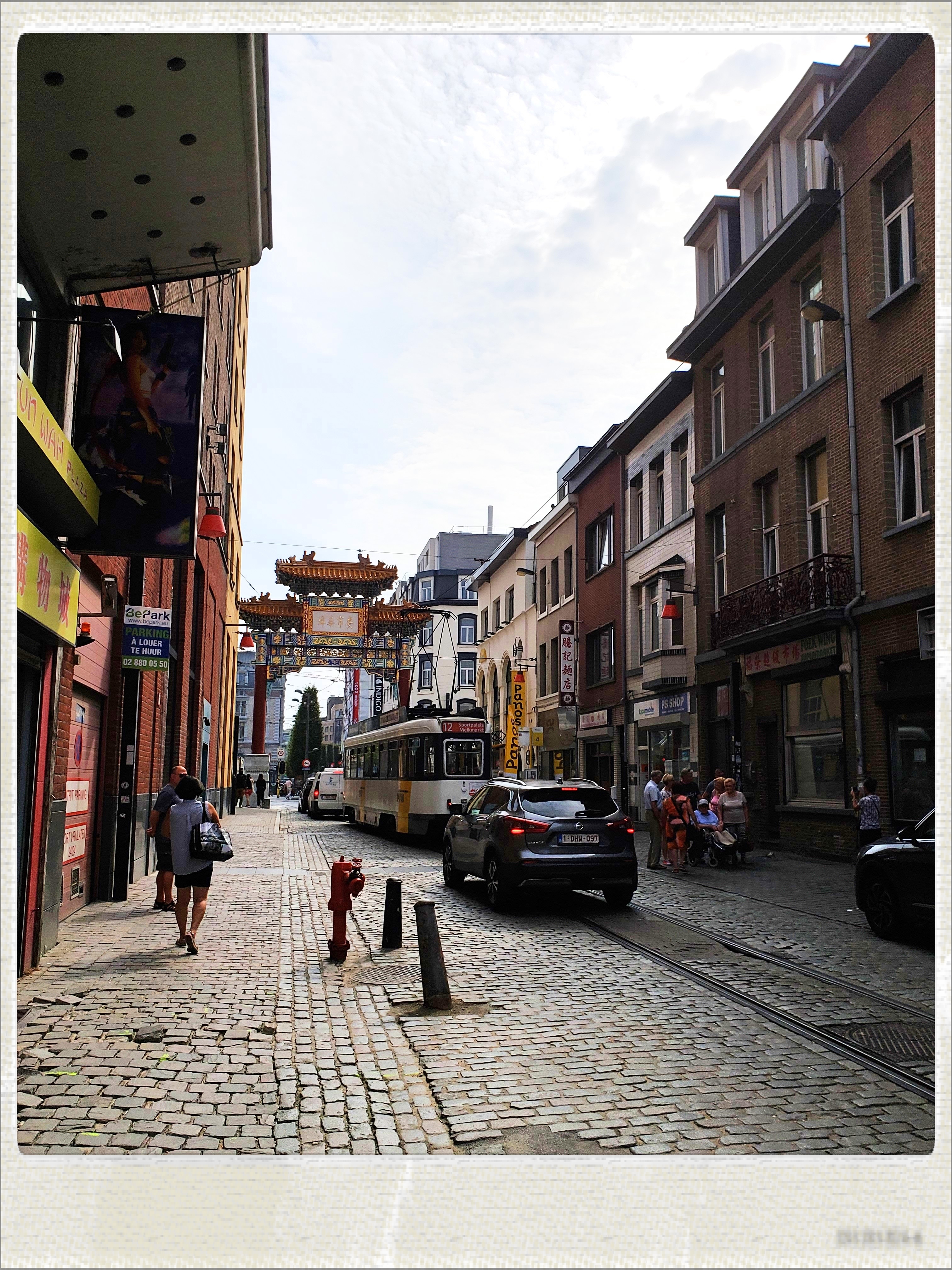
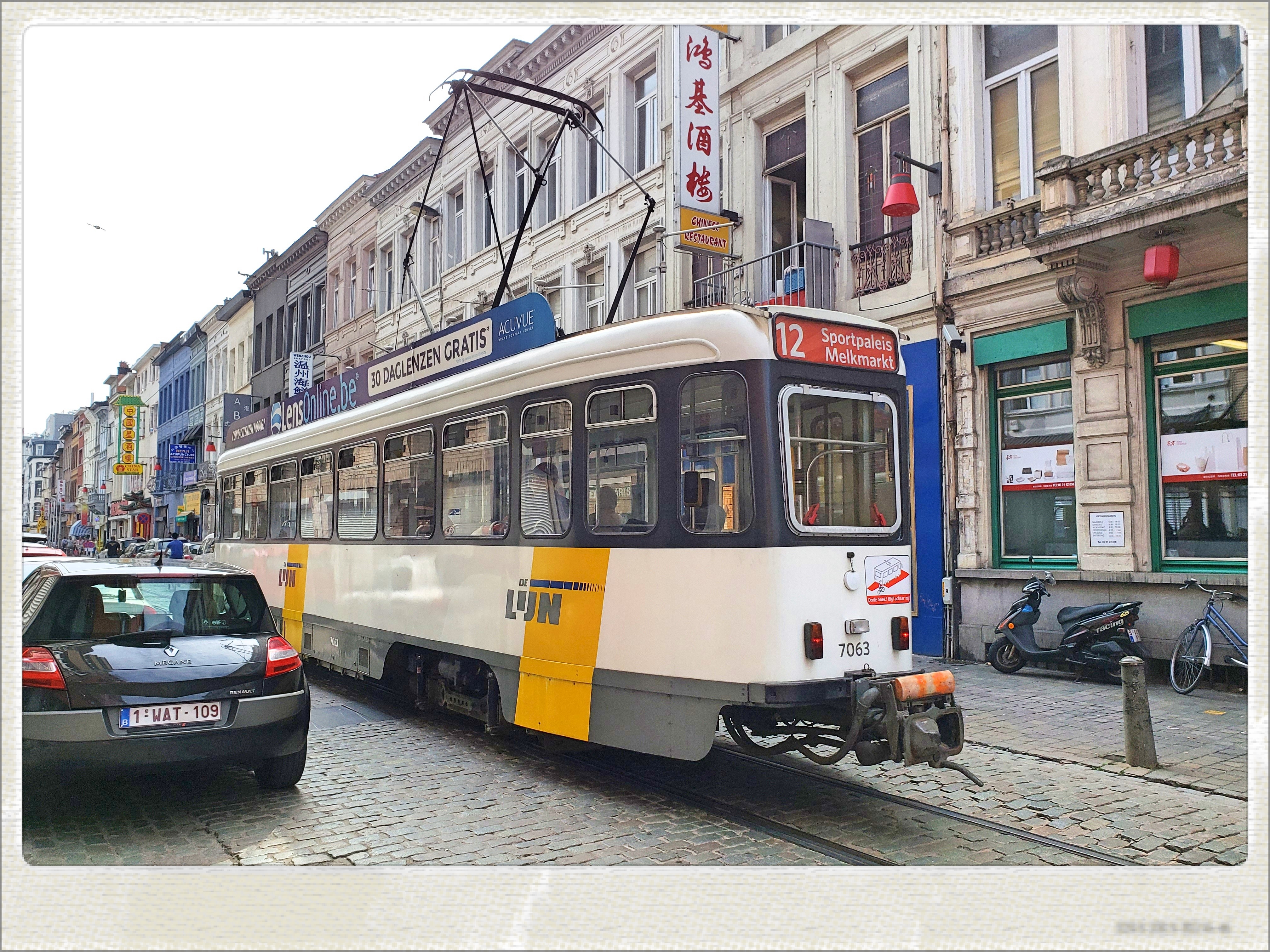
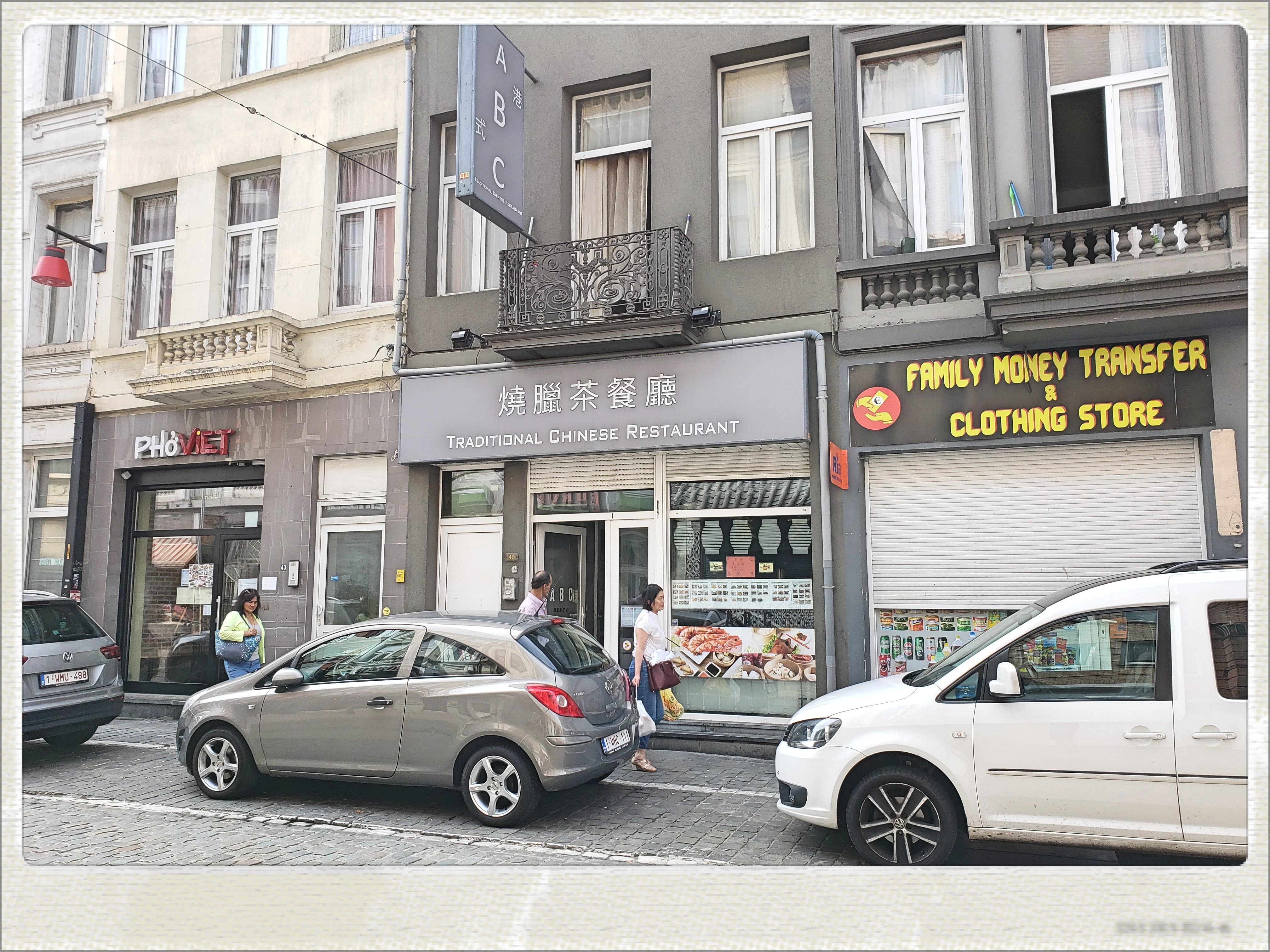
Just a few blocks away from the Elizabeth Station saw the Antwerp Chinatown, the Belgium’s only officially recognized Chinatown.
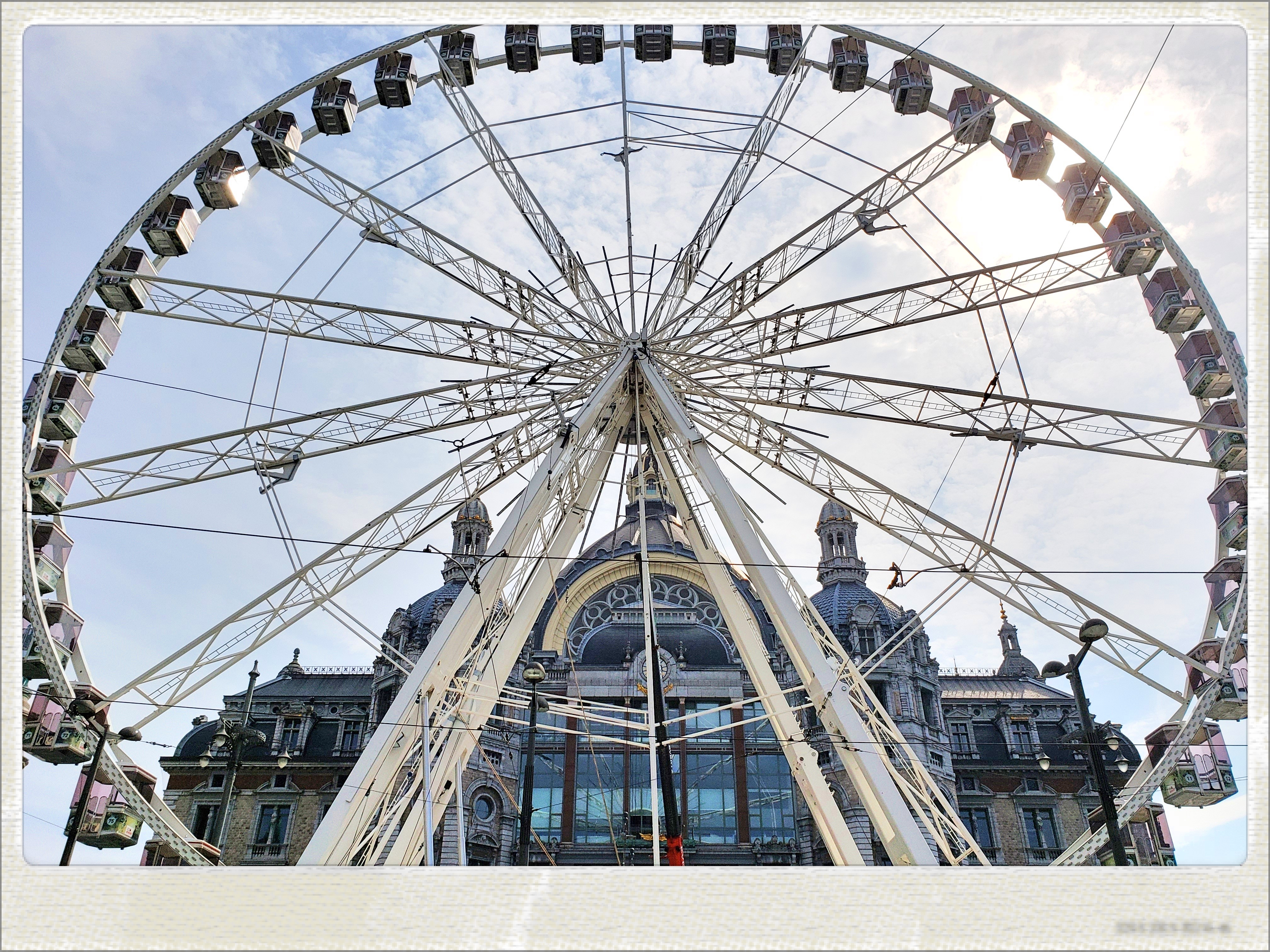
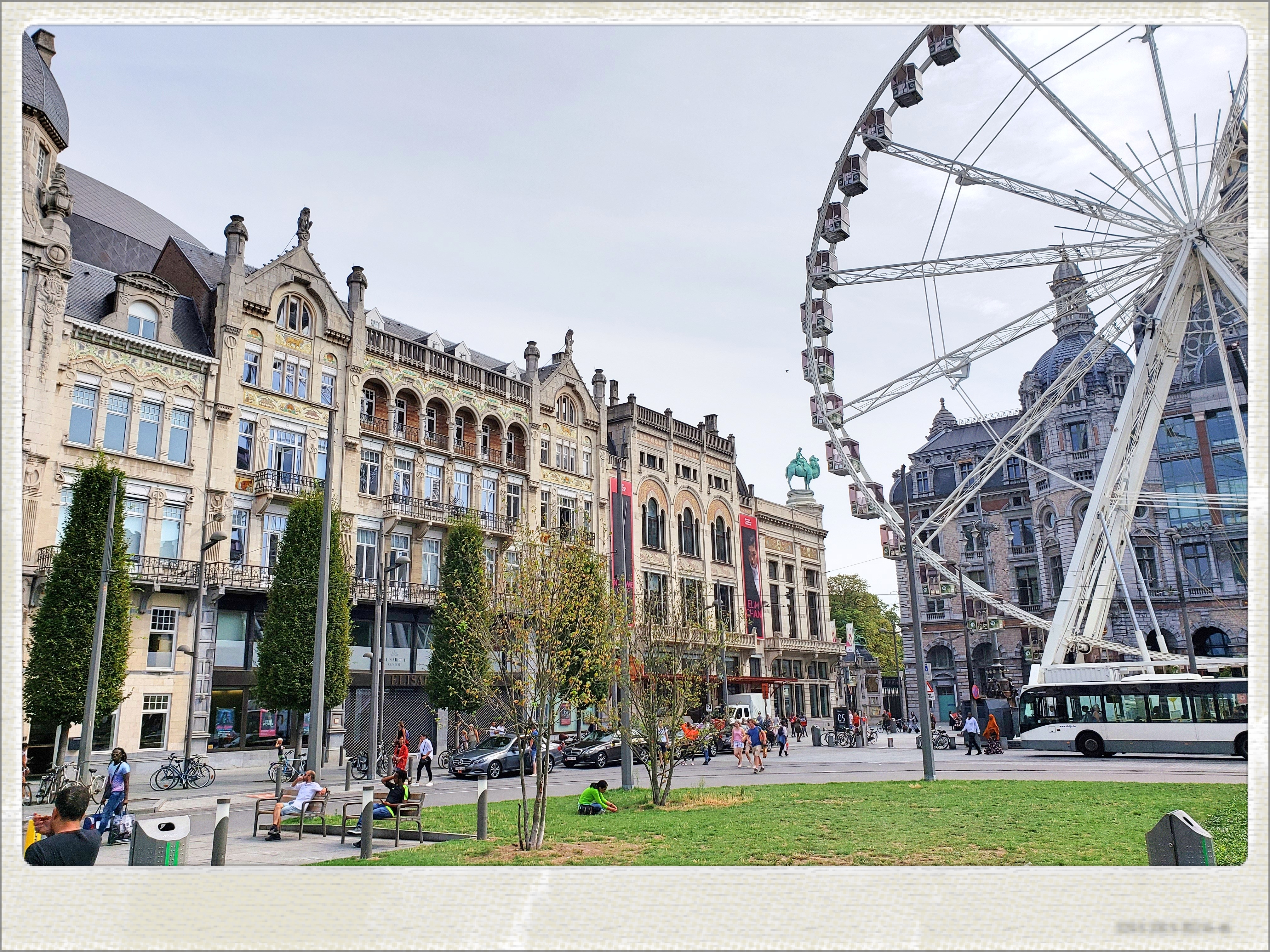
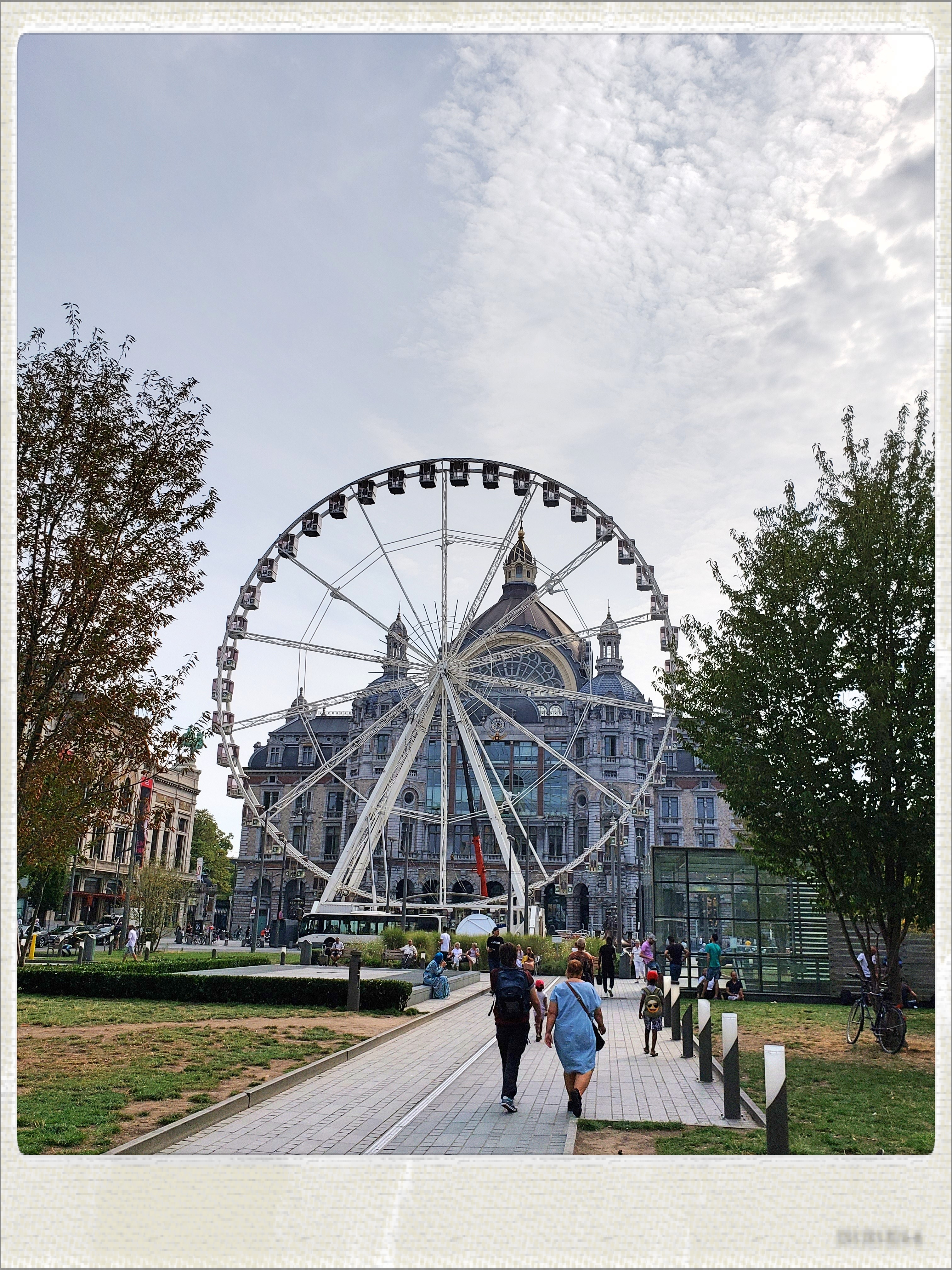
Antwerp-Central Station
Before hopping on the train back to Brussels, I’d given my last attempt in capturing the grandeur of the Antwerp-Central Station from the northern flank which was characterized by a ferris wheel.
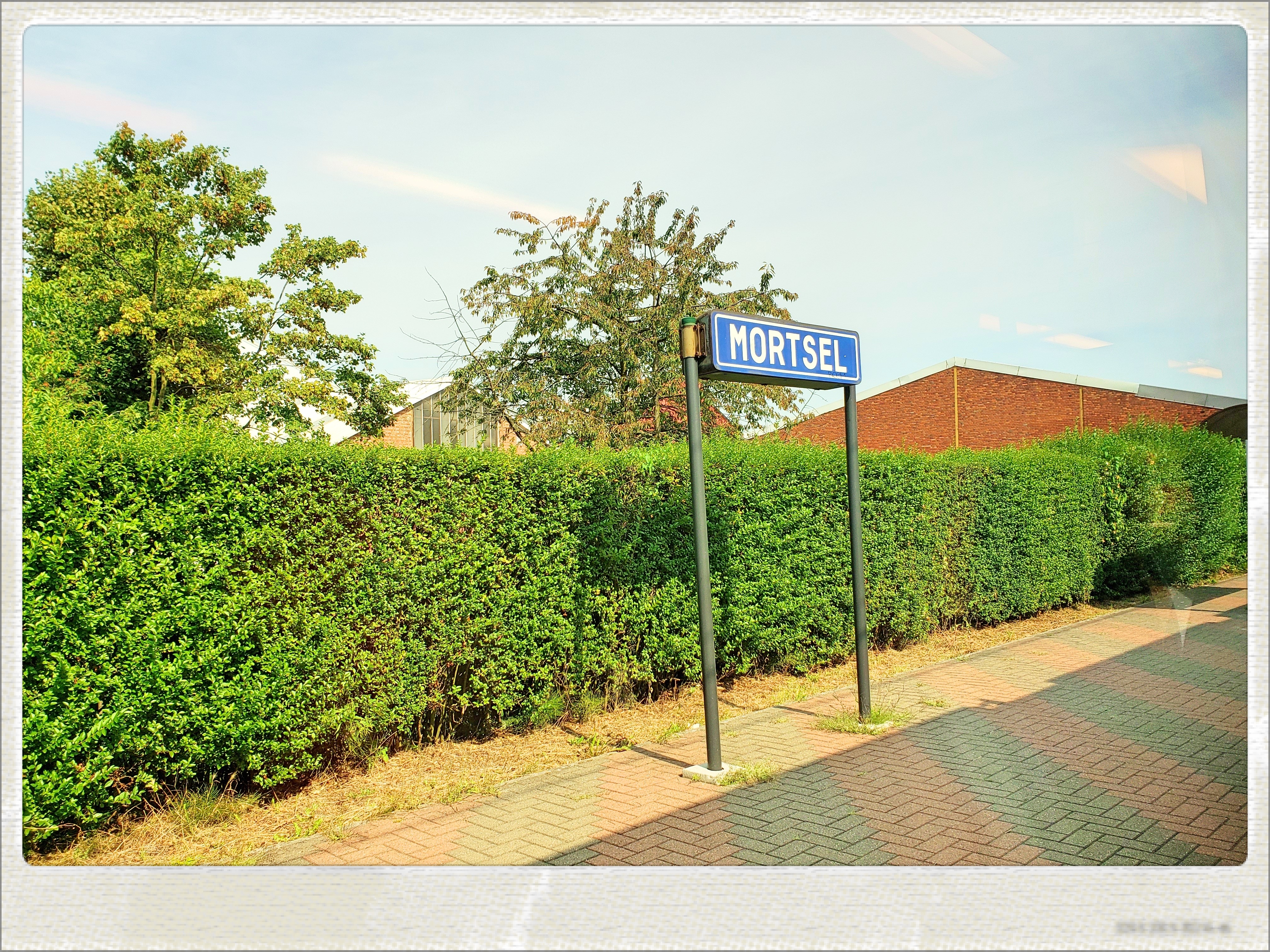
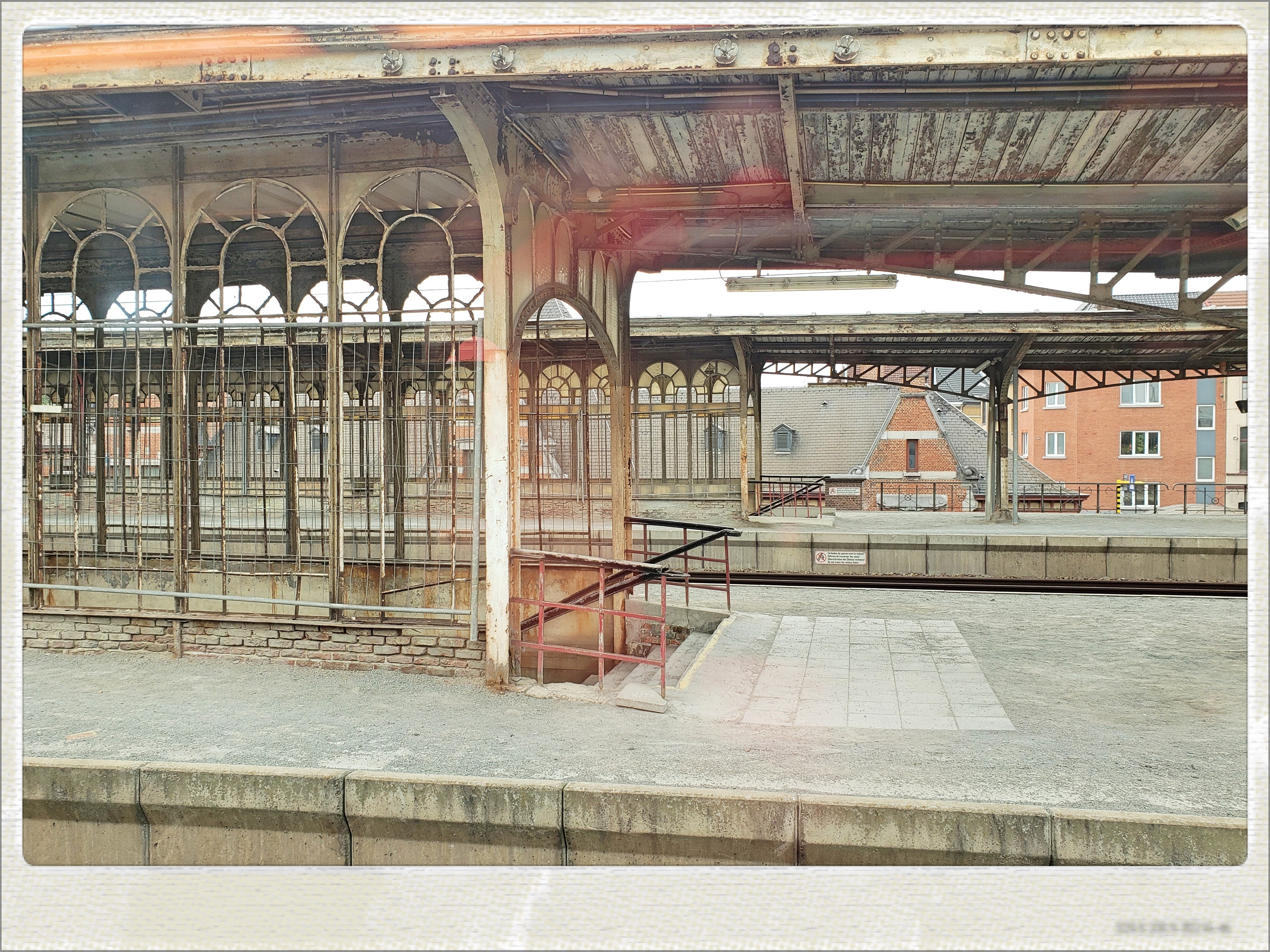
On my way back to Brussels, I unwittingly boarded a regional train which observed every midway station en route. Despite a more lengthy journey, I was given a great opportunity to see the midway stations. The modesty and dilapidation of some of the stations were, in my honest opinion, staggering yet they are also the alternate beauty to behold.
Brussels-Congress Station
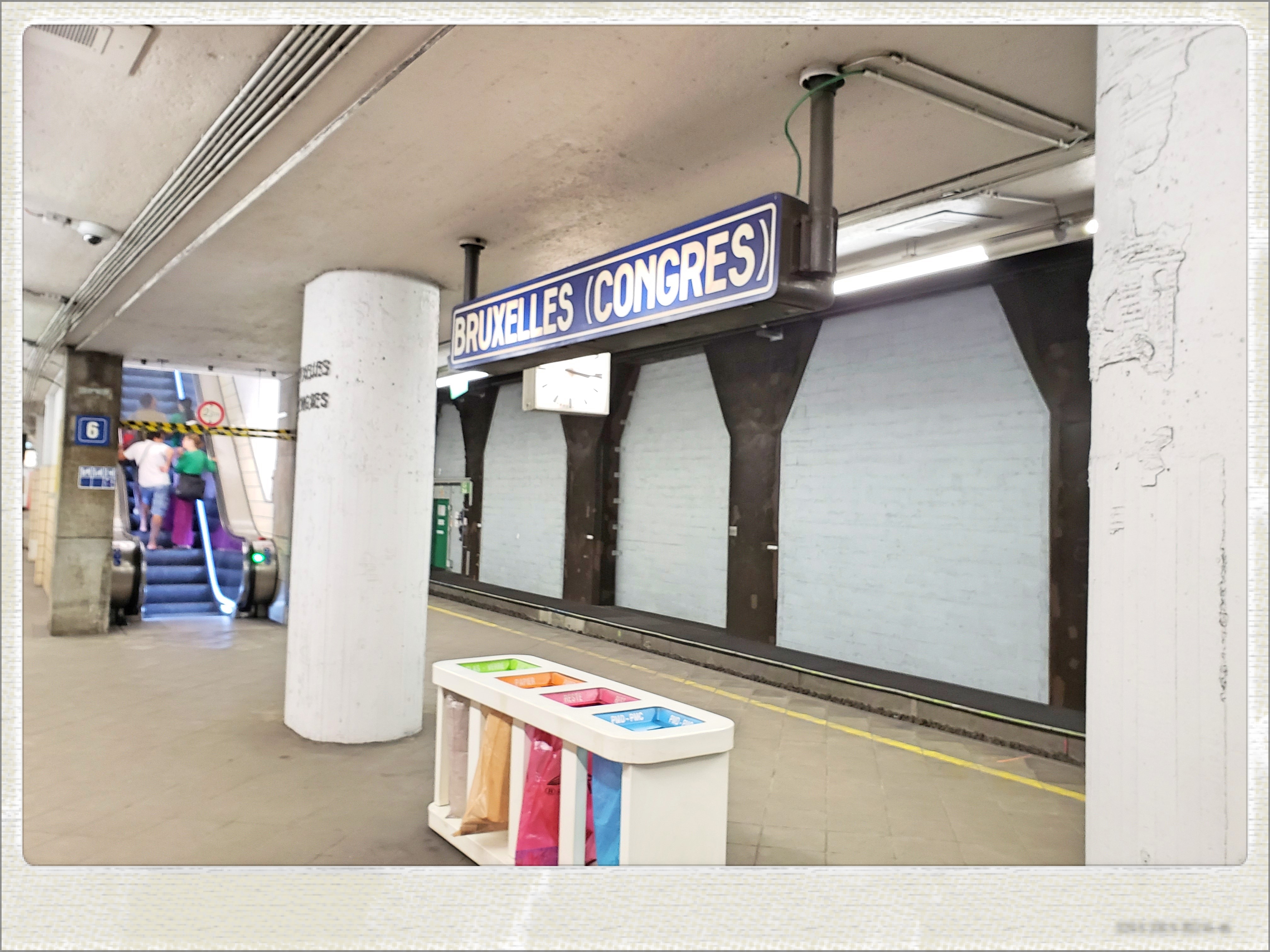
I mistakenly got off at this lonesome station. Got some food from the supermarket, then took a rest back in the hotel. Later on, went out again as soon as the rain had stopped.
Horta Station
After days of stay in Brussels, I’ve finally came to realize the differences between two kinds of trams running in Brussels.
1. Modern trams or Premetro, running underground in the city centre, on the ground on the outskirts of the city
2. Classical trams running only on the ground.
The two distinct tram systems do not connect with each other.
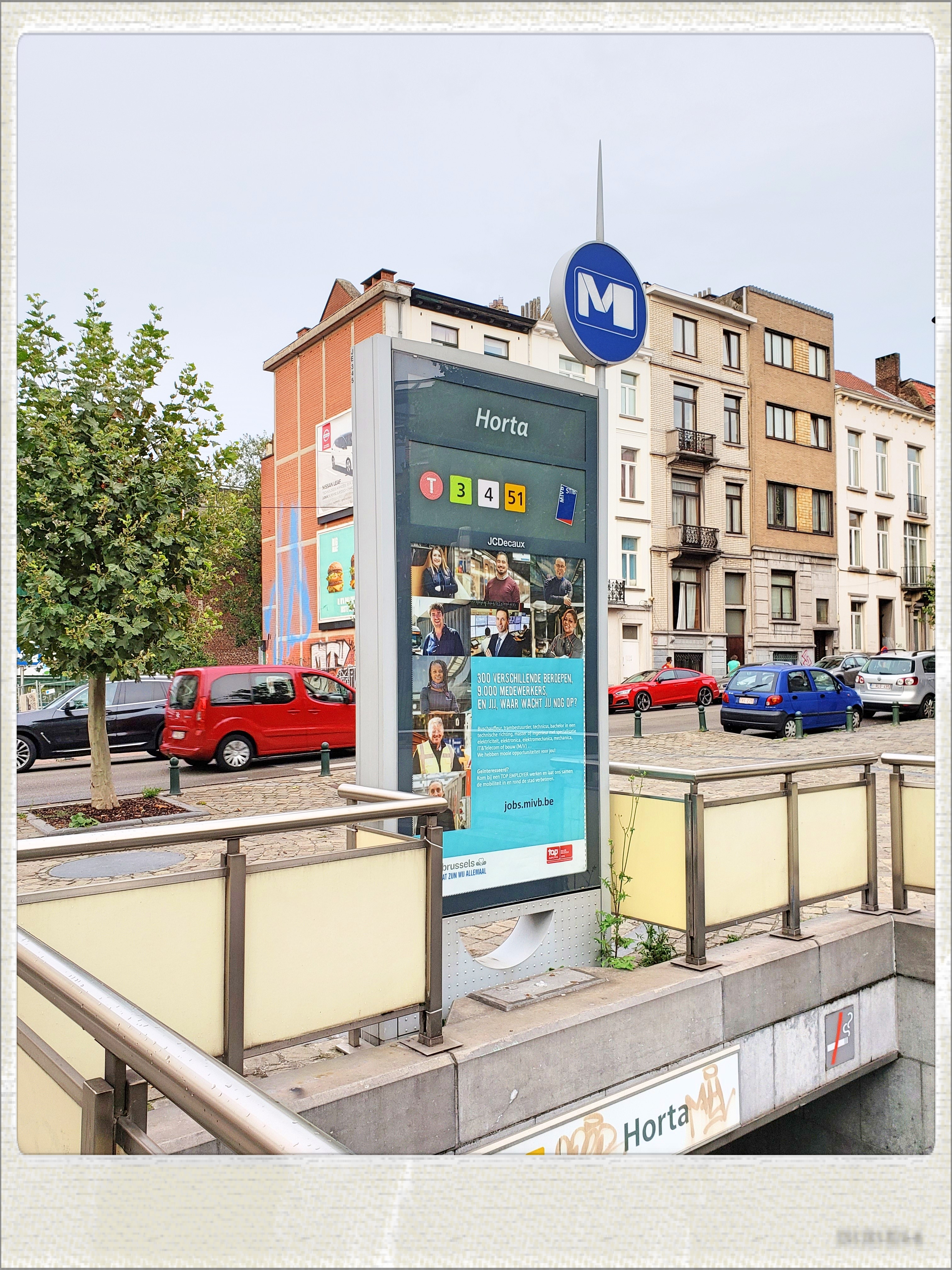
Horta Station, being an underground station, was served by modern trams.
Municipality of Saint-Gilles
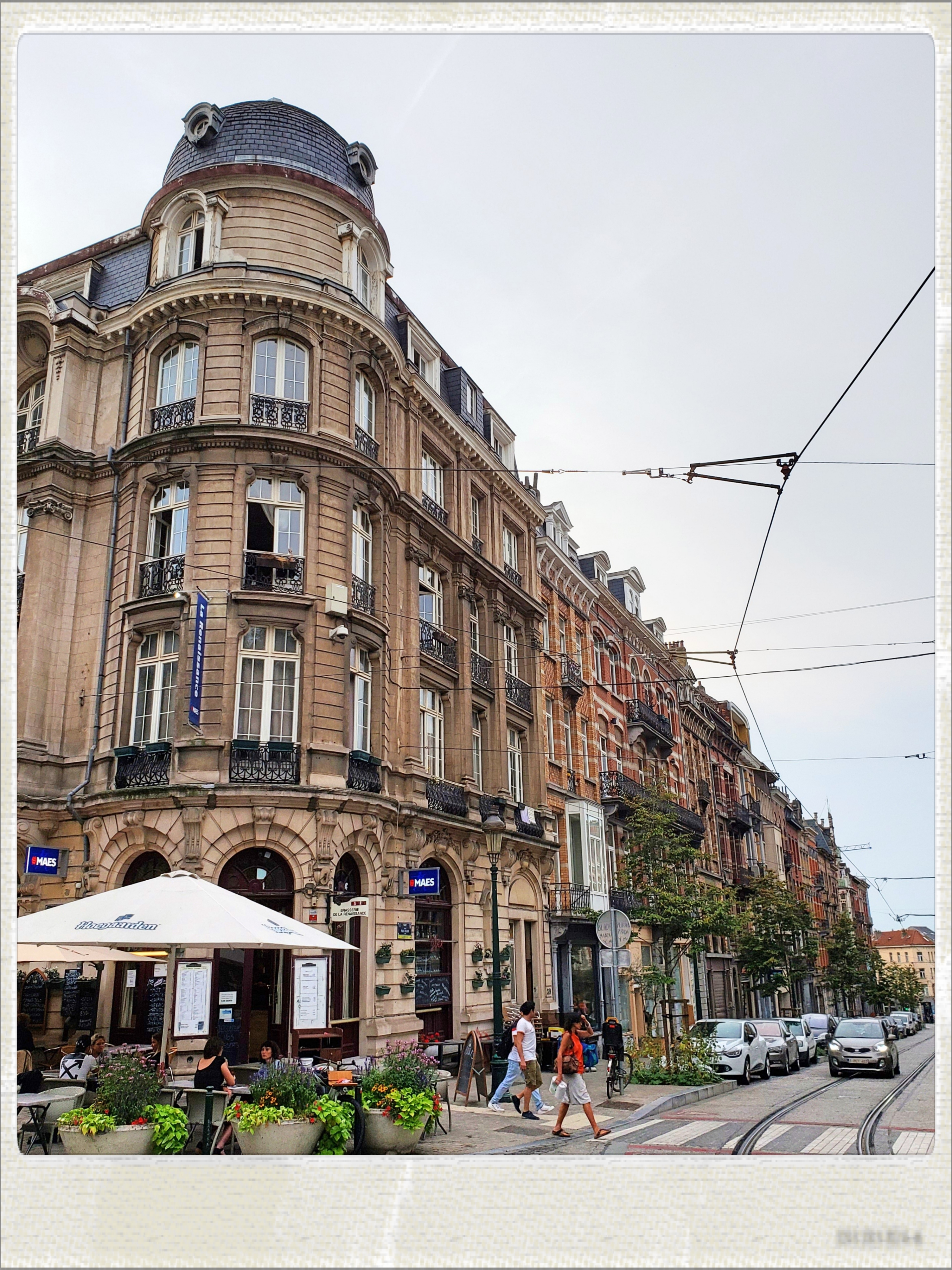
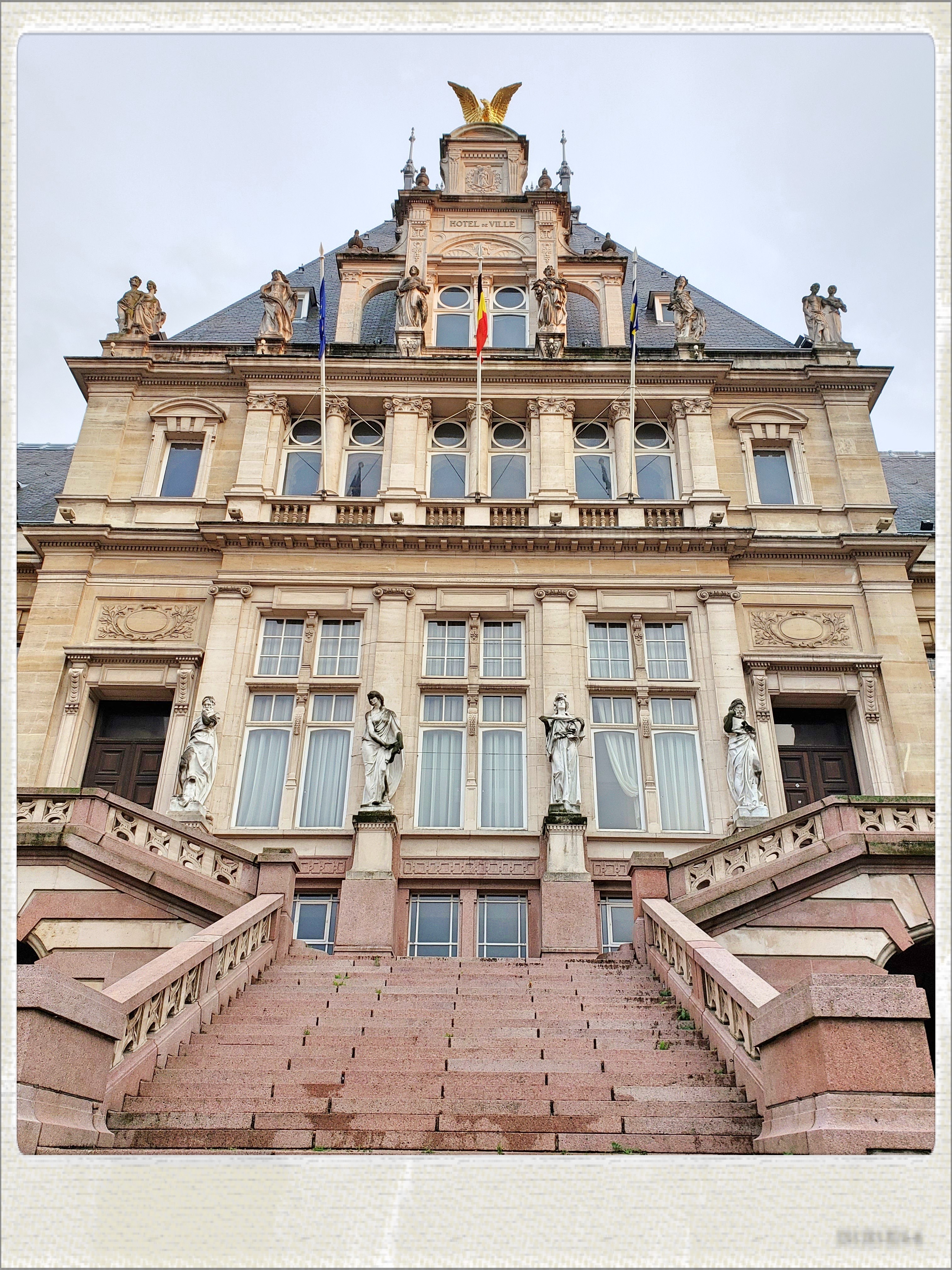
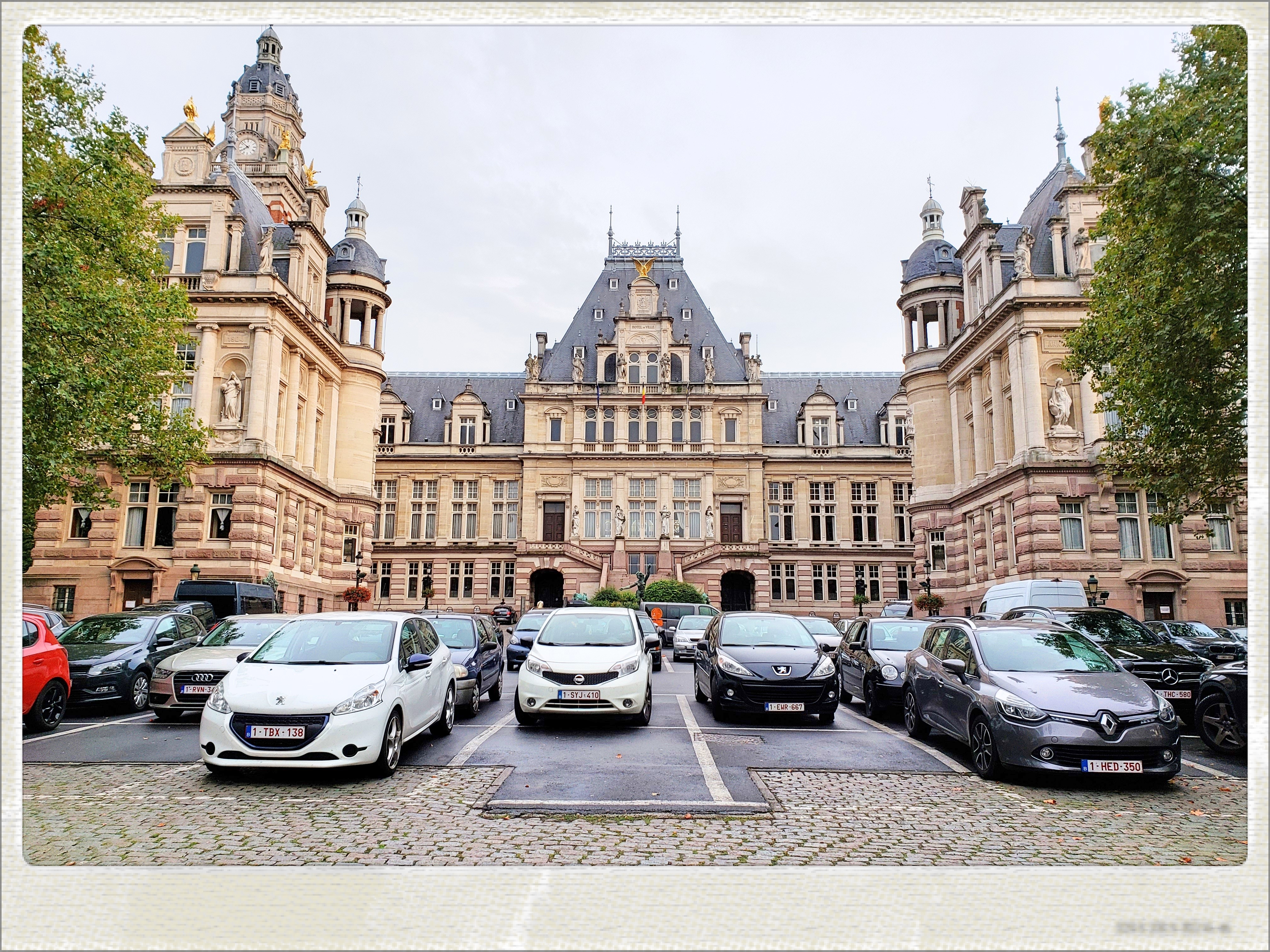
Saint-Gilles, one of the 19 municipalities in Brussels, was strongly reminiscent of Paris out of its elaborately embellished 5-story buildings, as well as the vibrant alfresco eateries.
Place Flagey
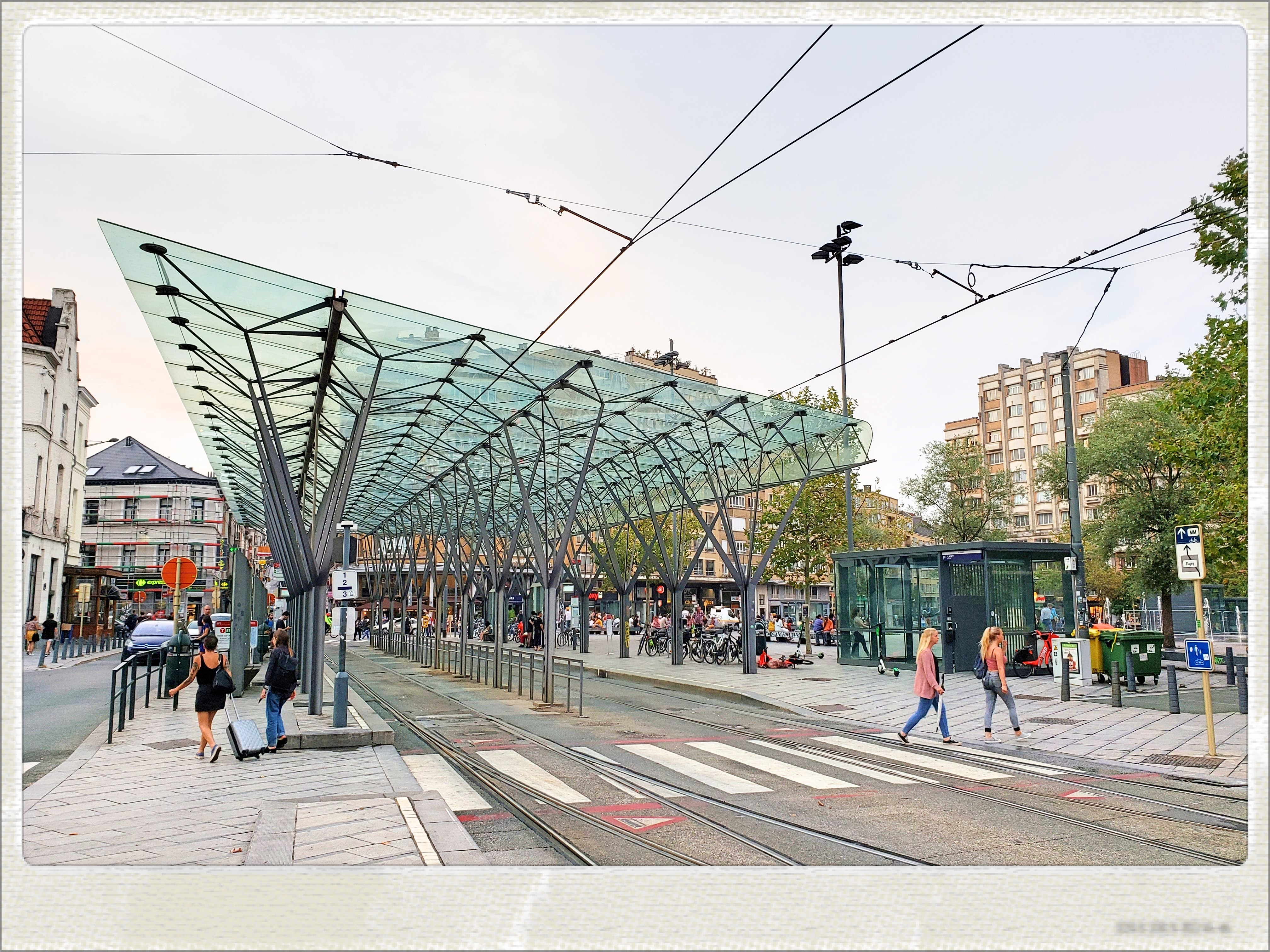
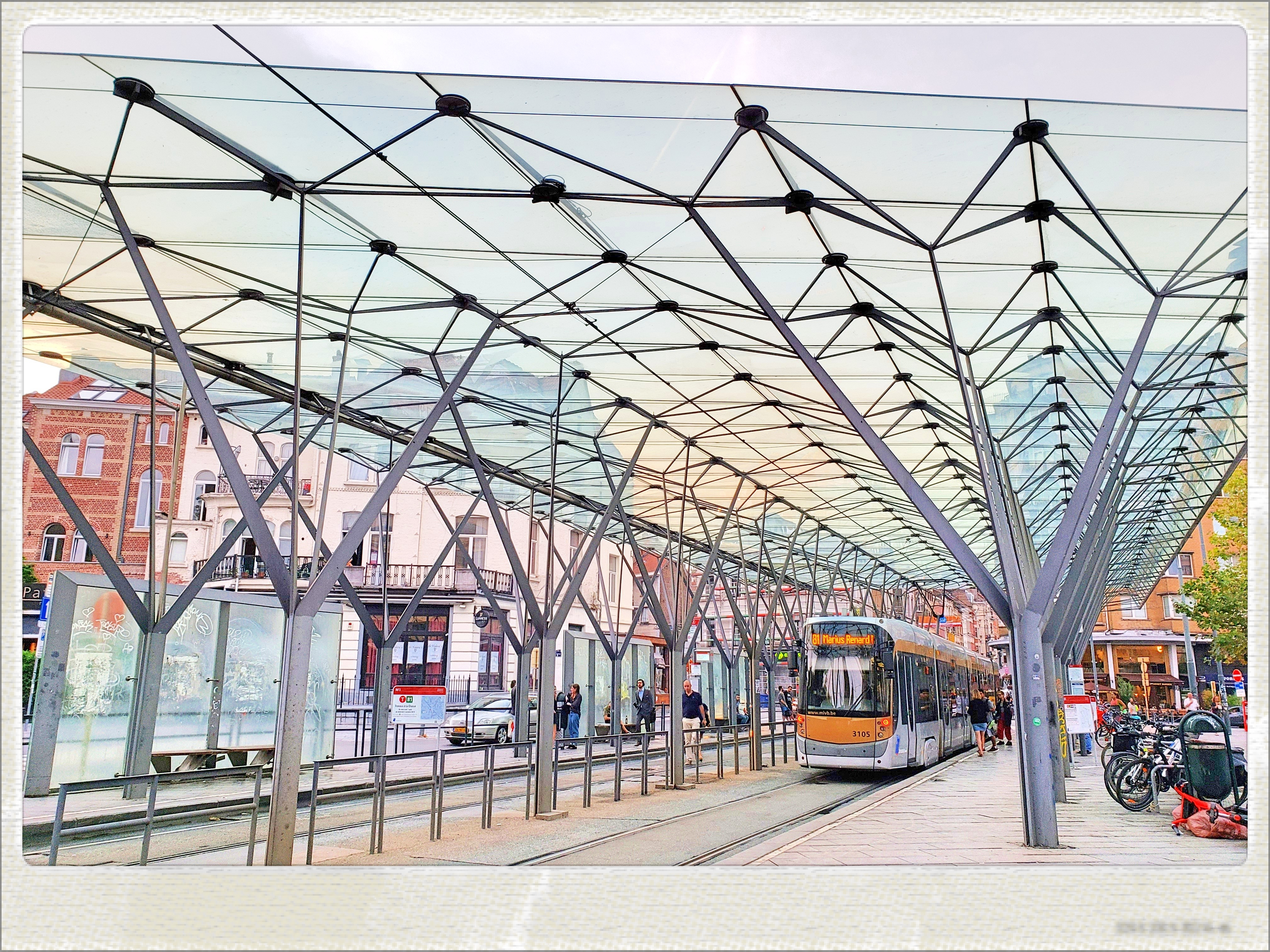
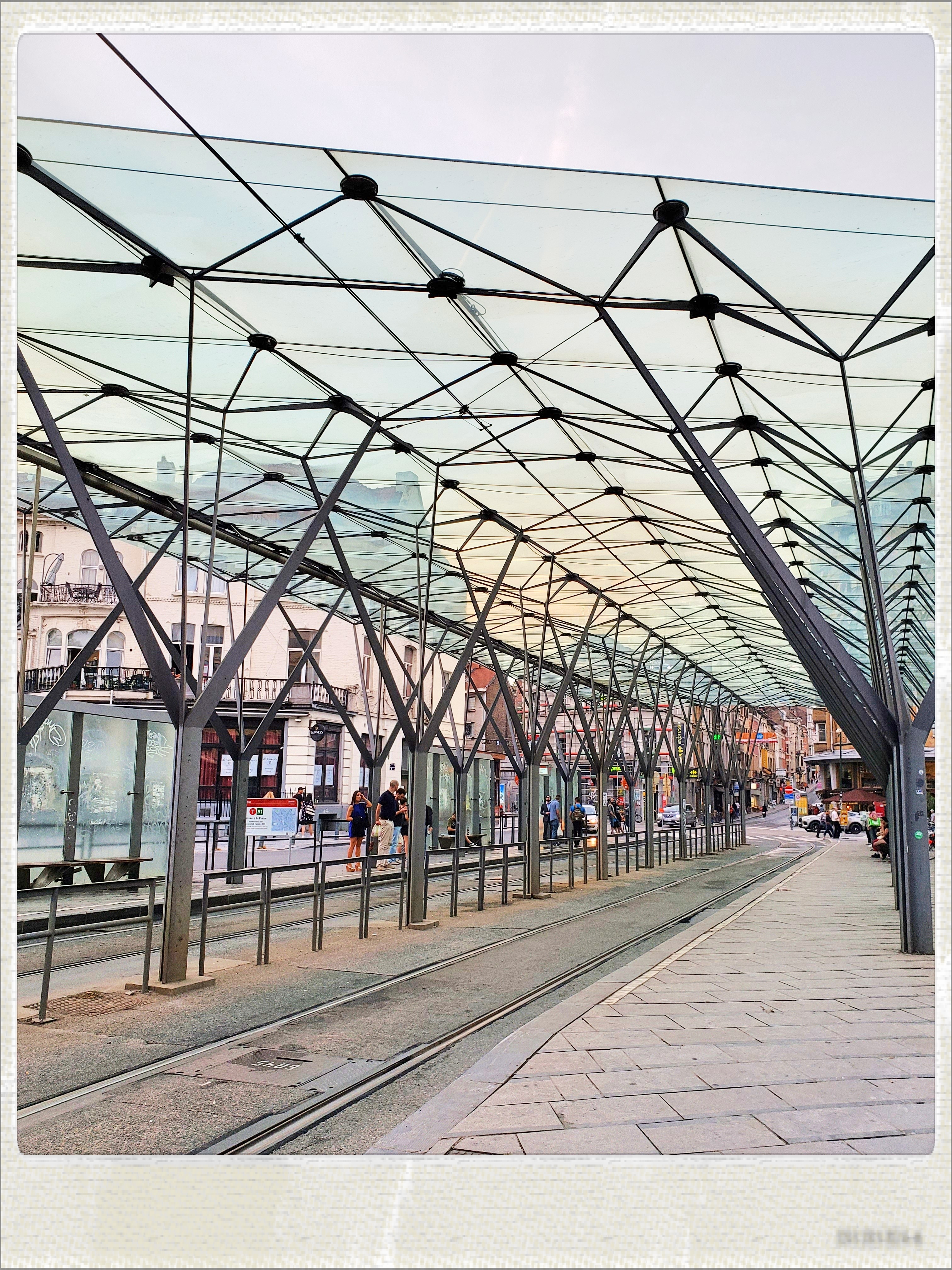
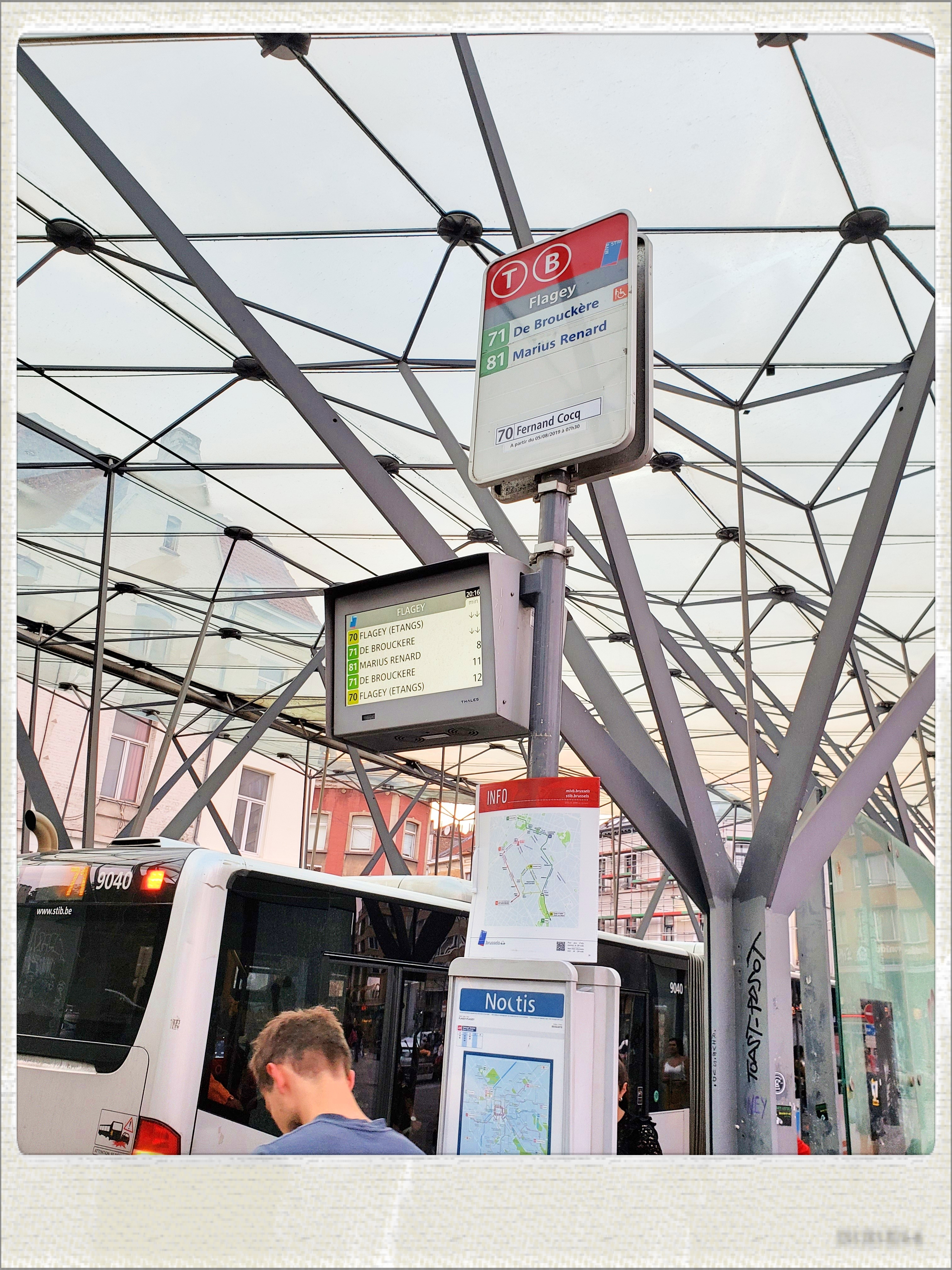
Shambling through the tortuous narrow streets in Saint-Gilles, the nostalgic tram stopped gracefully under the glazed-roof of a futuristic tram stop. The modern tram stop and the vintage tram formed a sharp contrast.
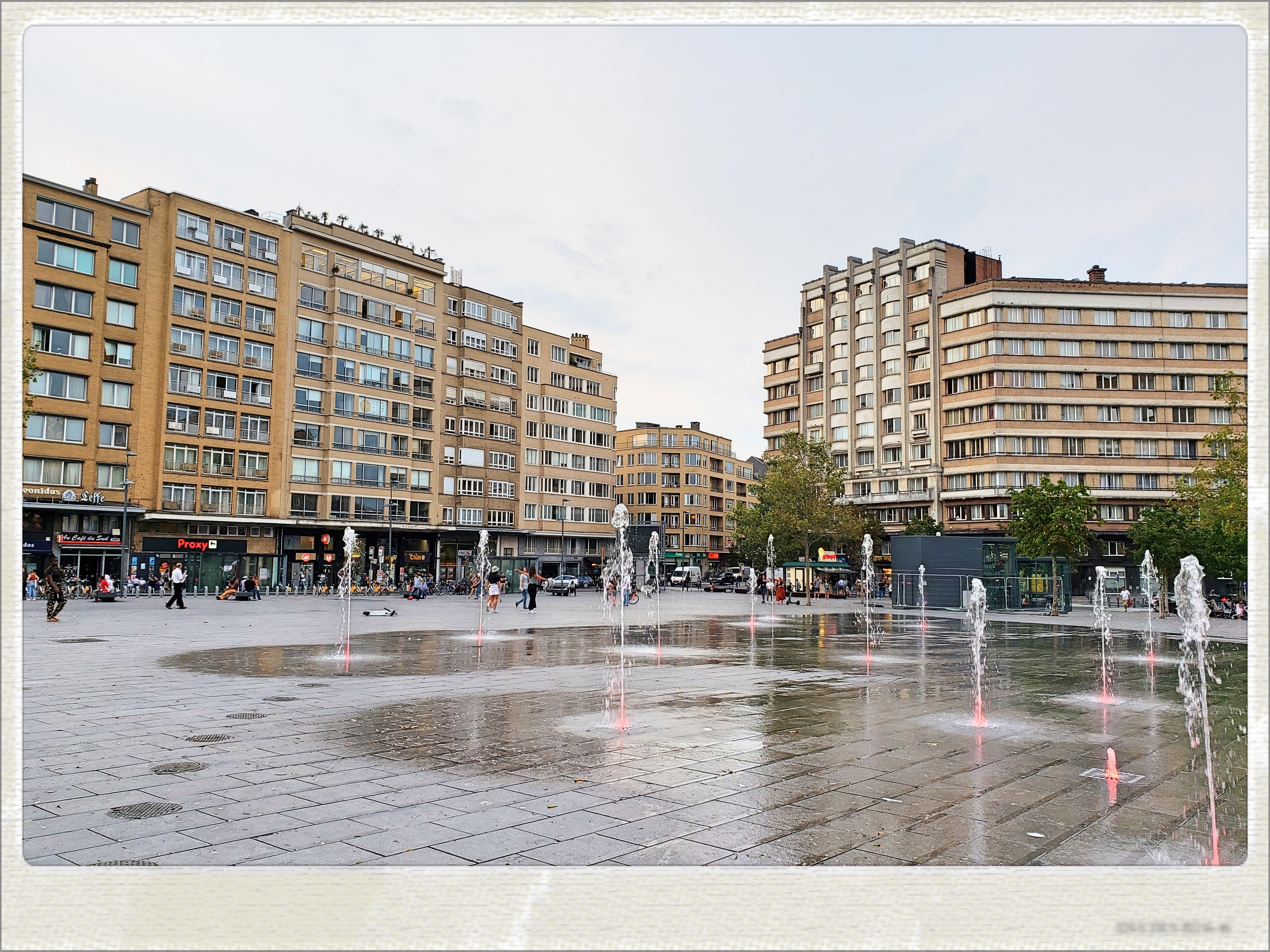
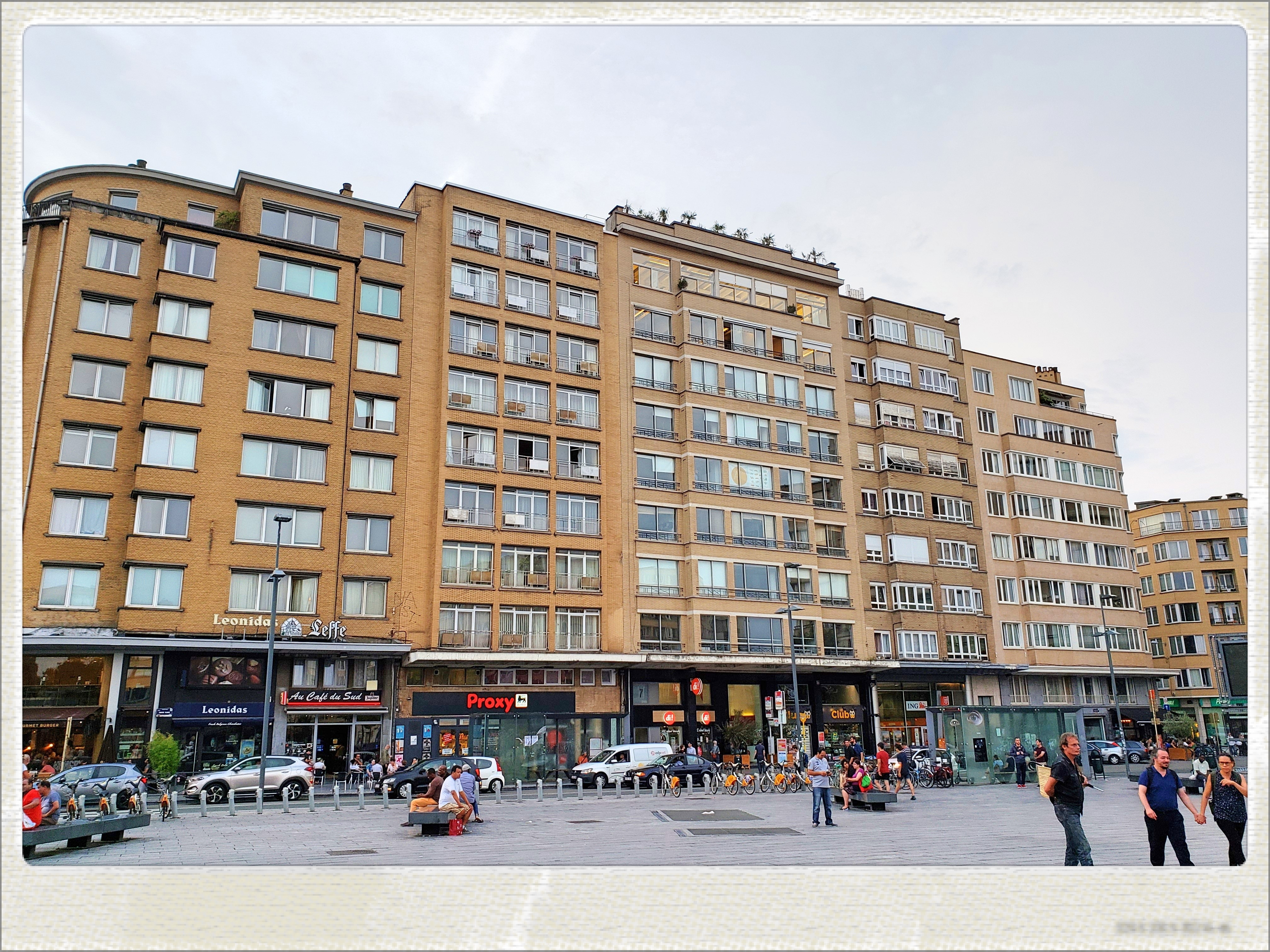
Situated adjacent to the Flagey tram stop was a spacious public square, the Place Flagey which was surrounded by more modern yet less flamboyant buildings as against their elegant counterparts in Saint-Gilles.
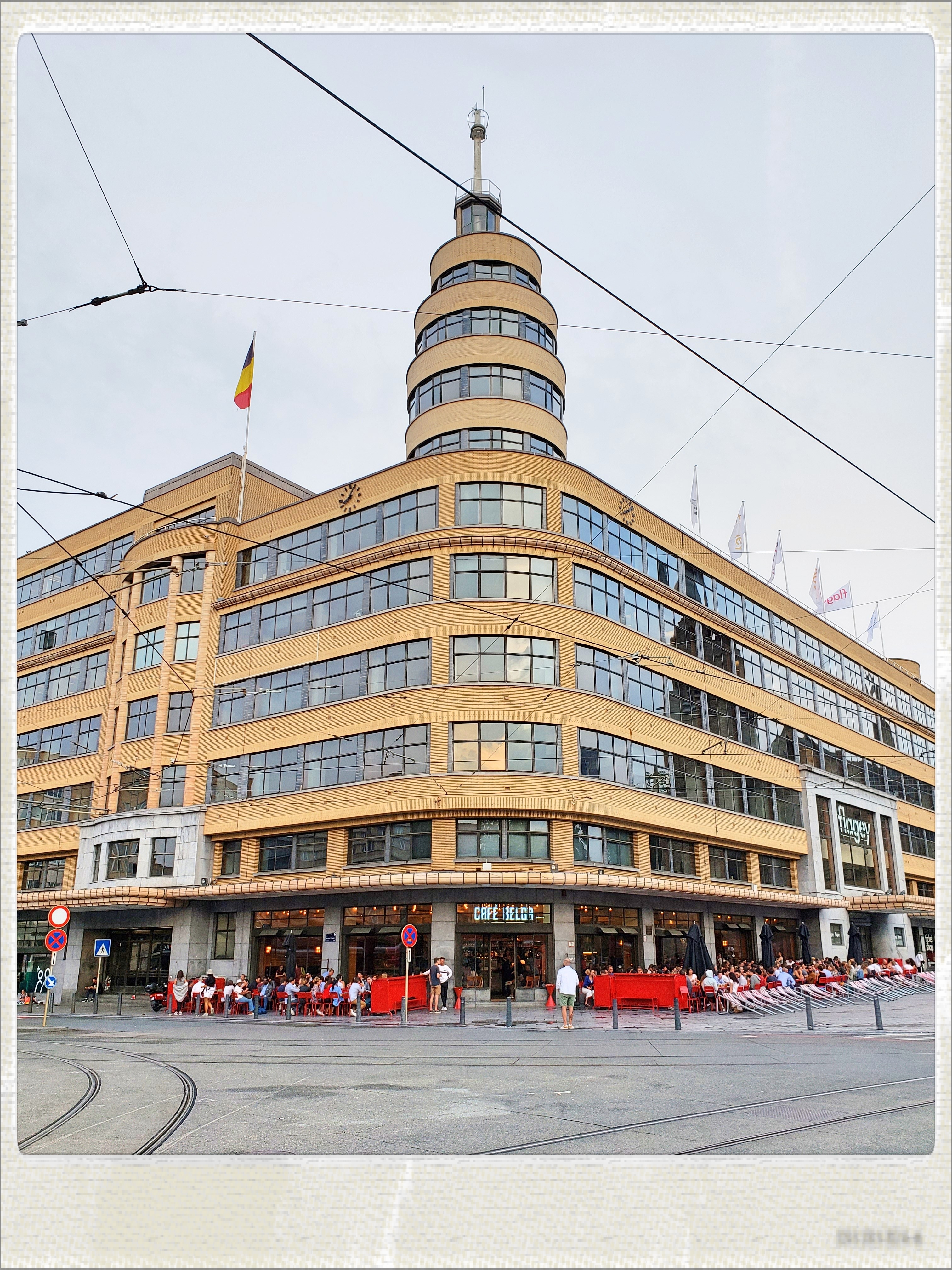
On the southern flank of the blasting uproarious square stood the most prominent structure of the area, the art-deco Flagey Building. It hosted a cultural centre and was home to the Brussels Philharmonic.
 My Travel Journal ONE