The European financial centre was a delightful blend of vibrancy and tranquility
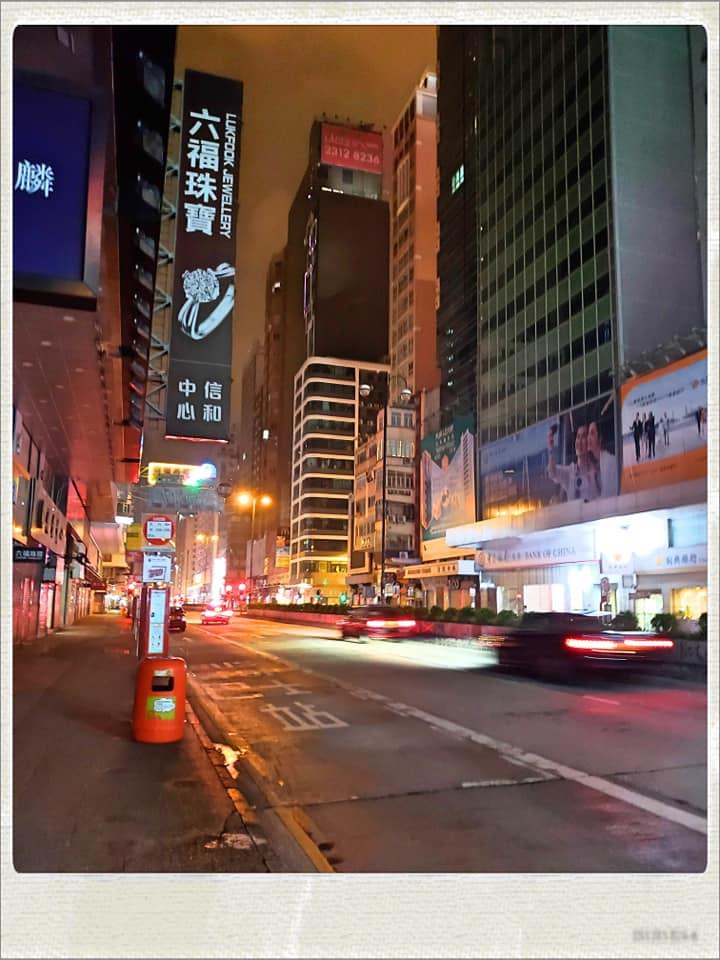
Nathan Road, Hong Kong
The flight departed at about 8 in the morning, so I had to arrive at the airport before daybreak. So grateful for the overnight airport buses!
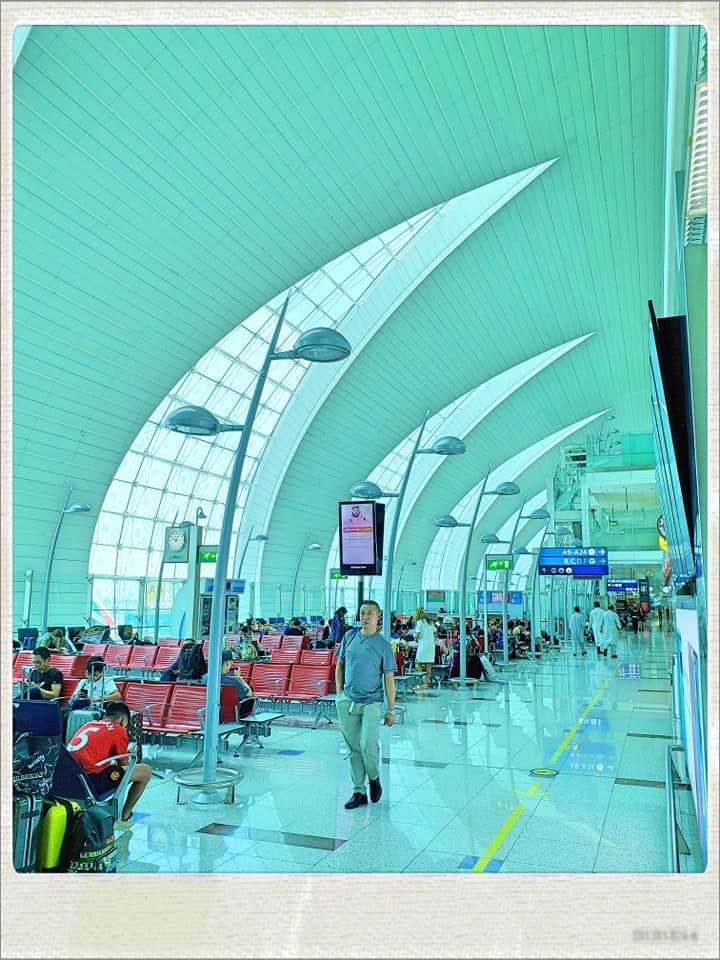
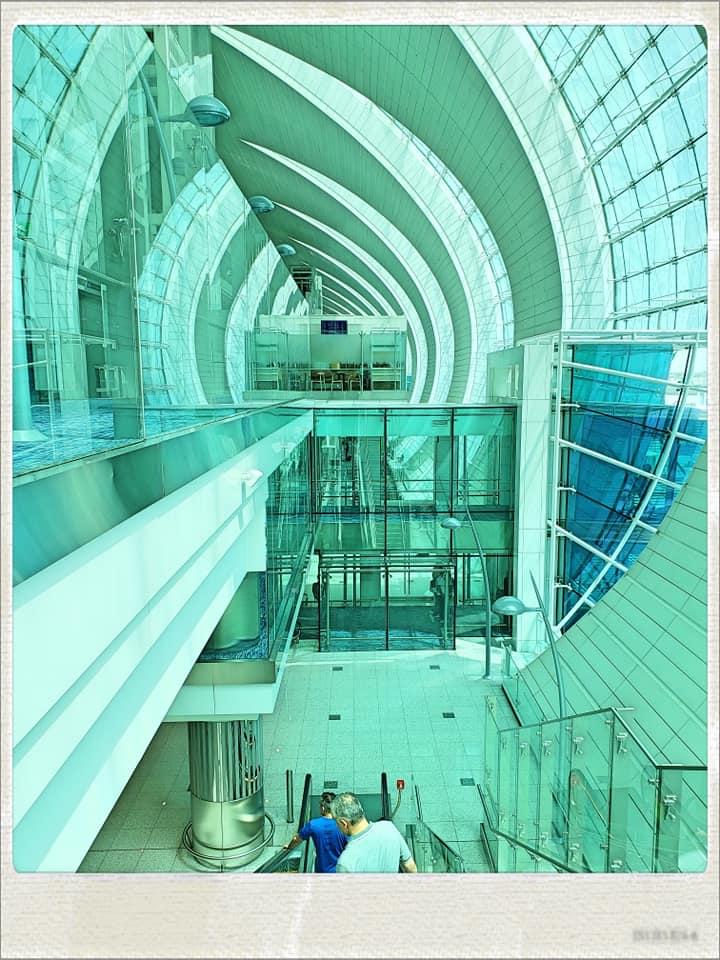
Dubai International Airport
I was traveling with Emirates so a transfer at Dubai was required. I’m just more than grateful that my transfer was in the afternoon so that I could avoid the peak transfer period in the early morning.
And it’s the very first time that I’ve ever flied with Airbus A380 which was new and literally gargantuan! Amazing!
However, I was also happy yet unhappy that I could also experience the flip side of flying A380 on the return flight.
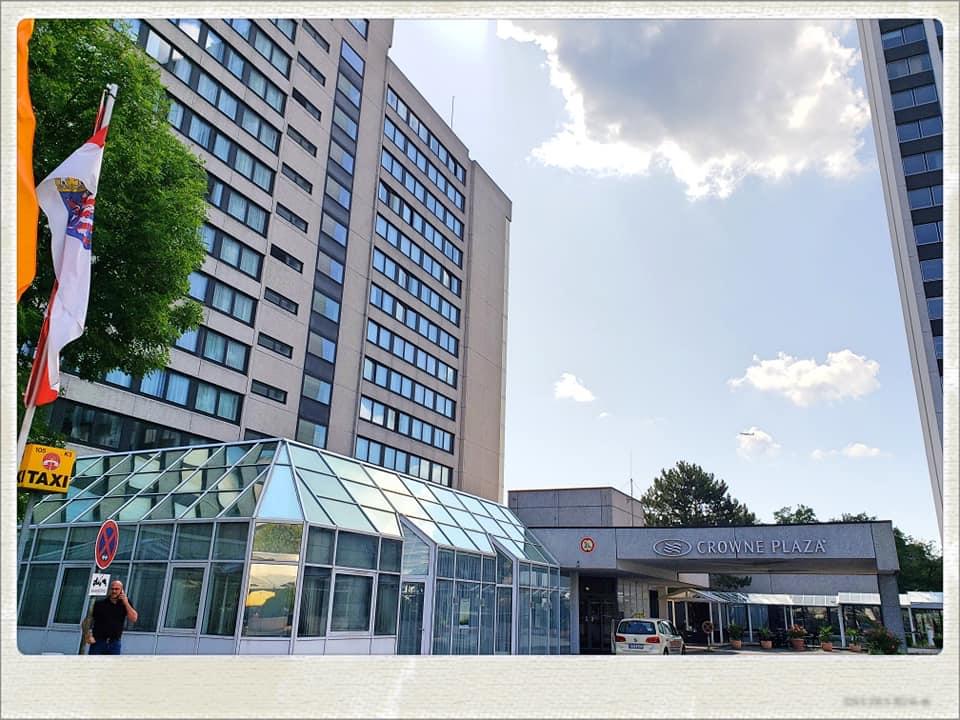
Crowne Plaza Frankfurt Congress Hotel
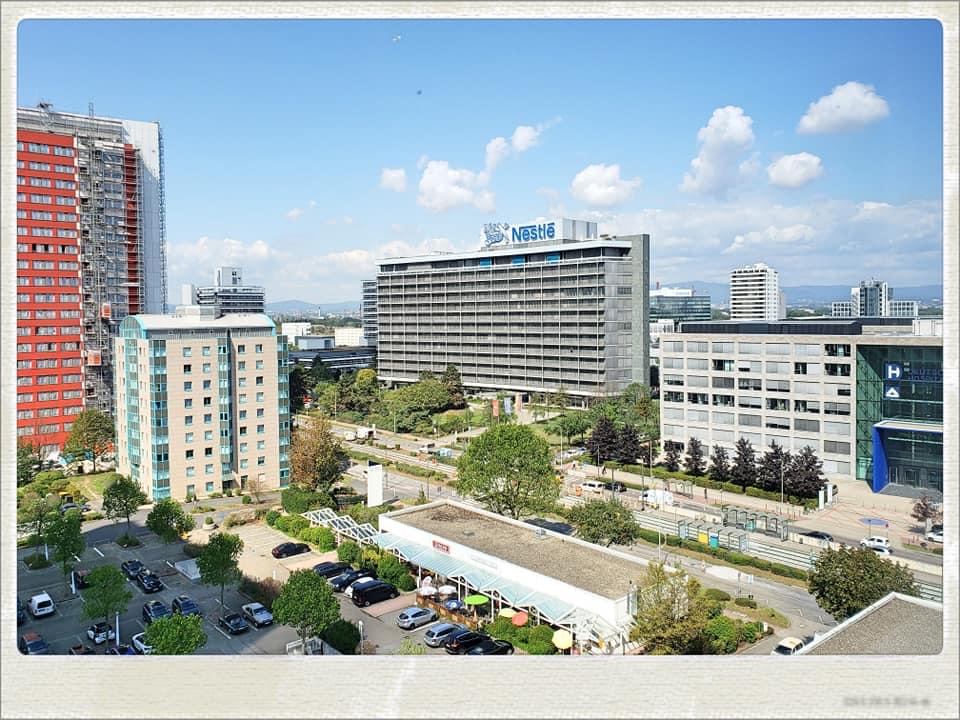
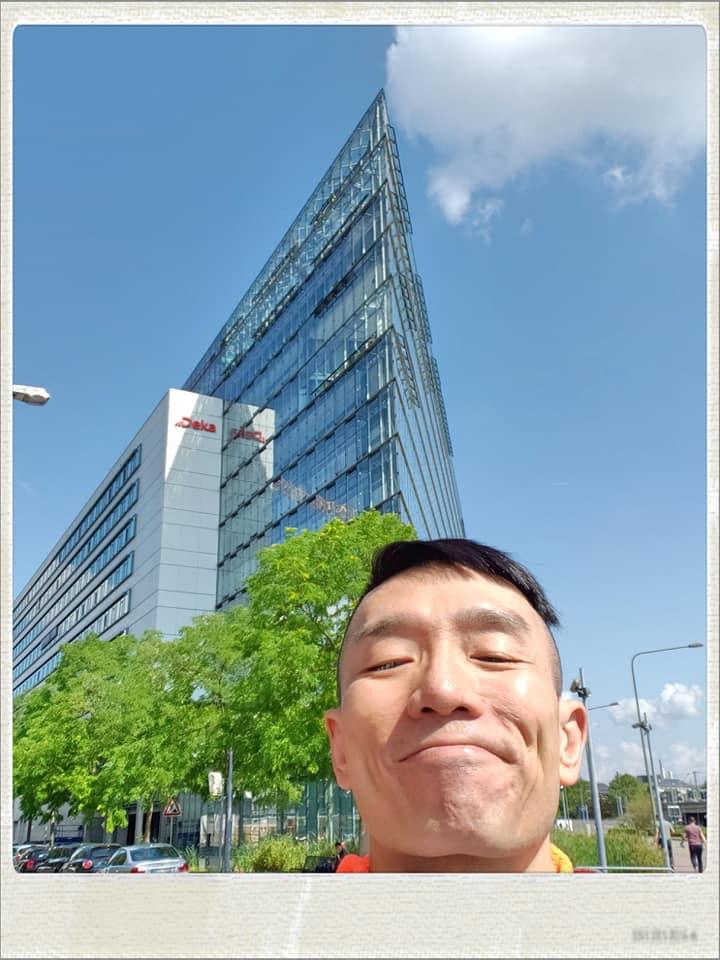
Being as good as the tallest building within the area, the Crowne Plaza Frankfurt Congress Hotel overlooked quite a lot of nearby buildings, most of which were the offices or headquarters of the world renowned global brands like Siemens and Nestle.
I speculated that very likely I wasn’t the hotel’s targeted customer because the hotel’s name speaks for itself.
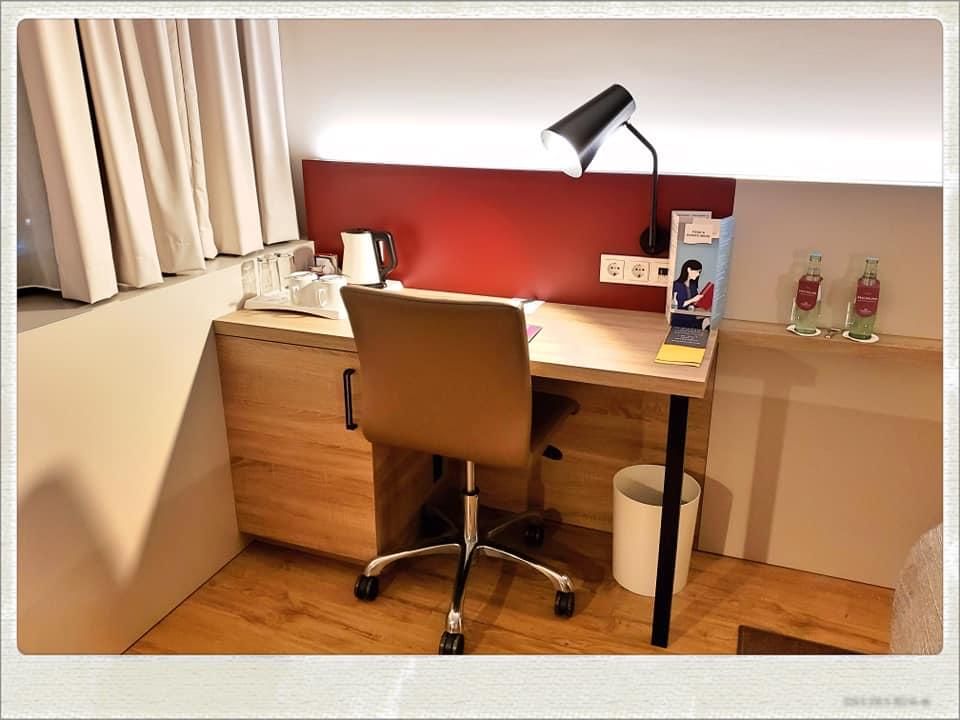
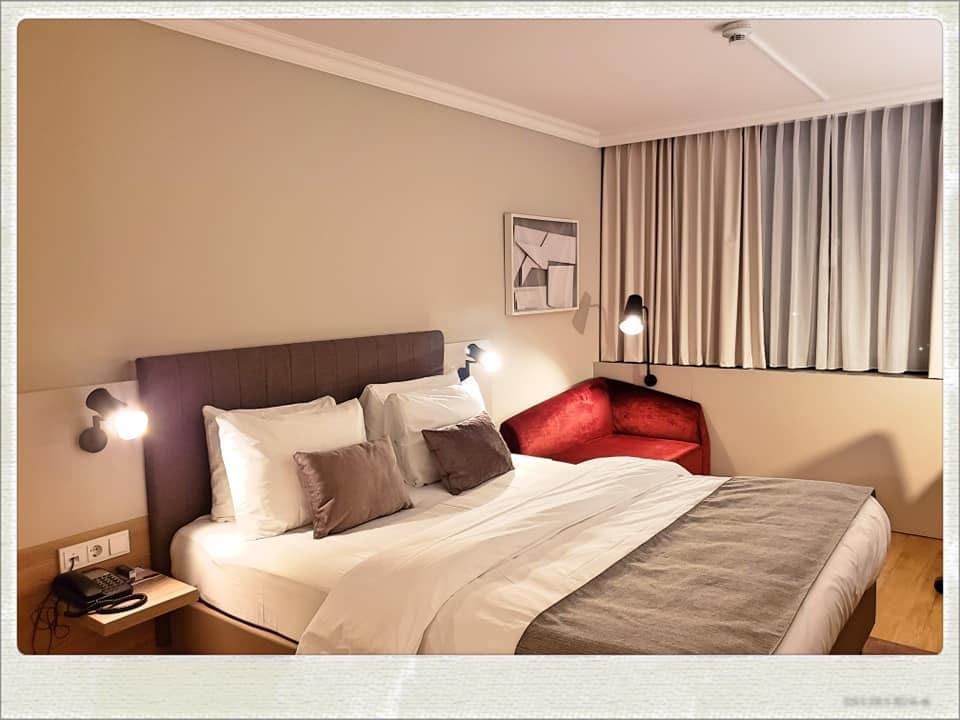
The room I stayed was sizeable. I am always attracted to the warm and earthy colours so I was so glad to see the wooden floorboard and furniture. Along with the minimalistic design, the room was strongly reminiscent of a IKEA showroom.
Lyoner Strasse
Lyoner Strasse is the boulevard right in front of the hotel, in the middle of which lied the tramway and tram stops.
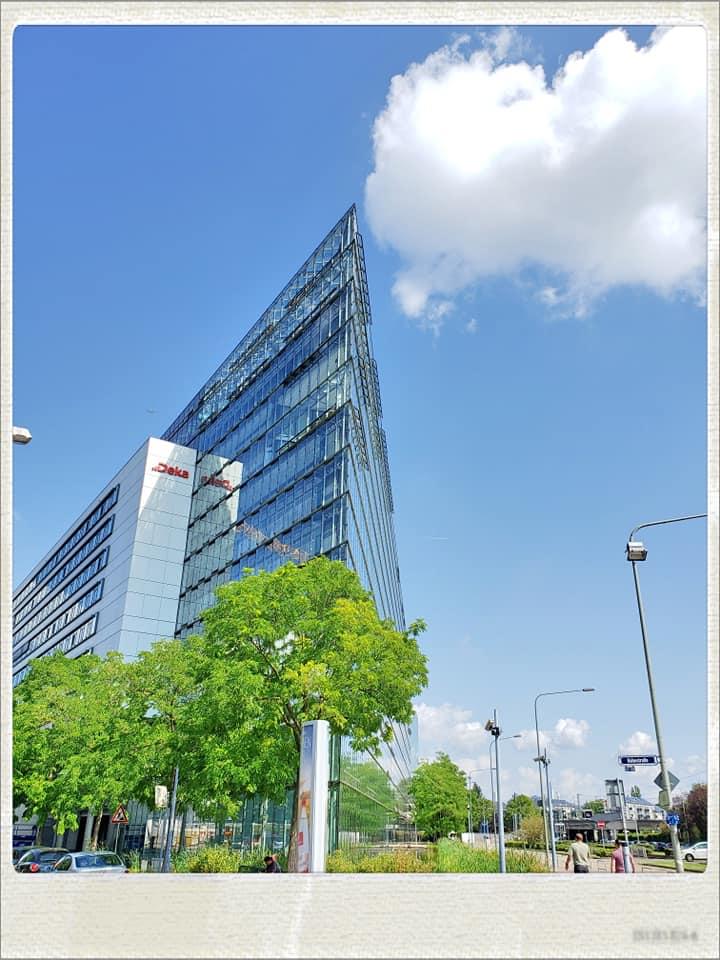
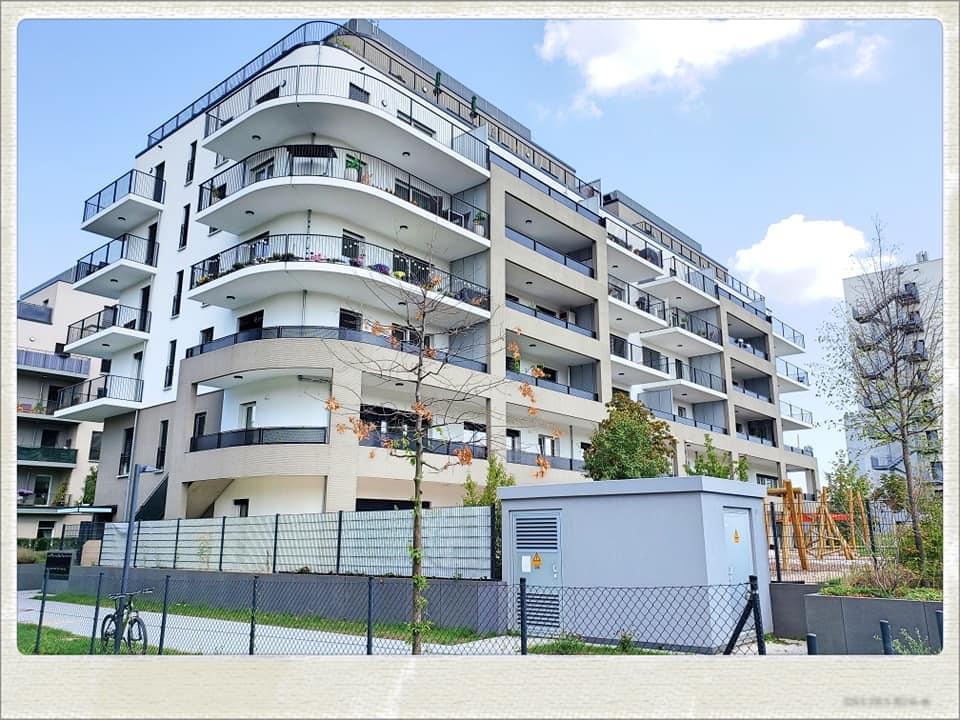
Lyoner Strasse was located in a neighborhood with a myriad of eye-catching, modern residential and commercial buildings.
The streets were clean and tidy. And I was traveling in the month with the nicest weather of the year. The daily temperature was around 20-24 degrees in the daytime with plenty of sunlight.
The pleasure was immense in perfect weather of this kind even though Lyoner Strasse was nothing but a humble neighborhood.
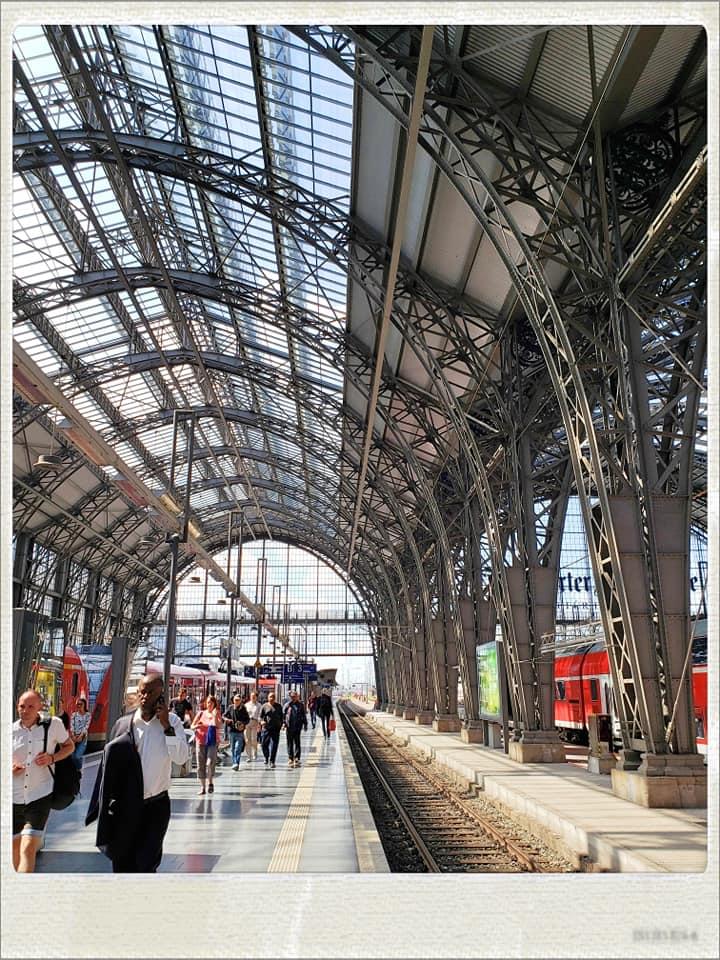
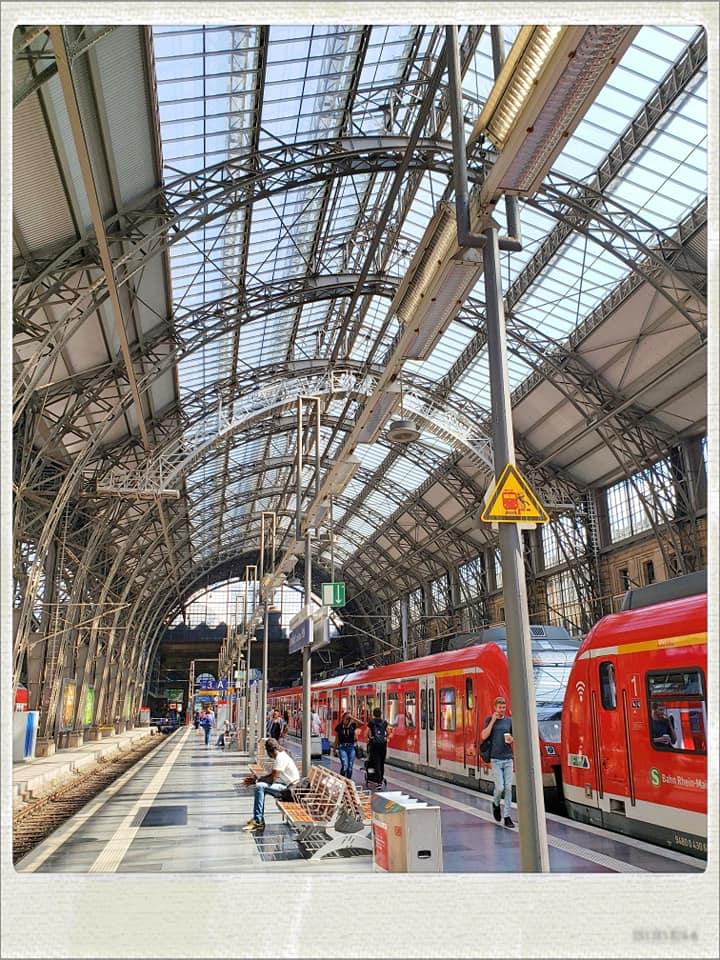
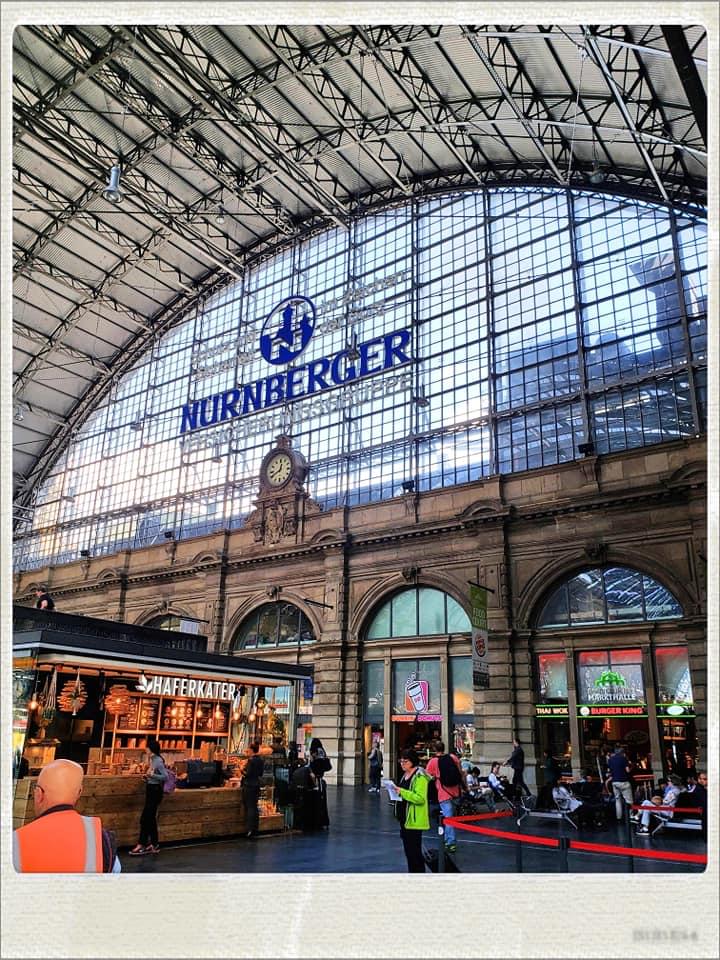
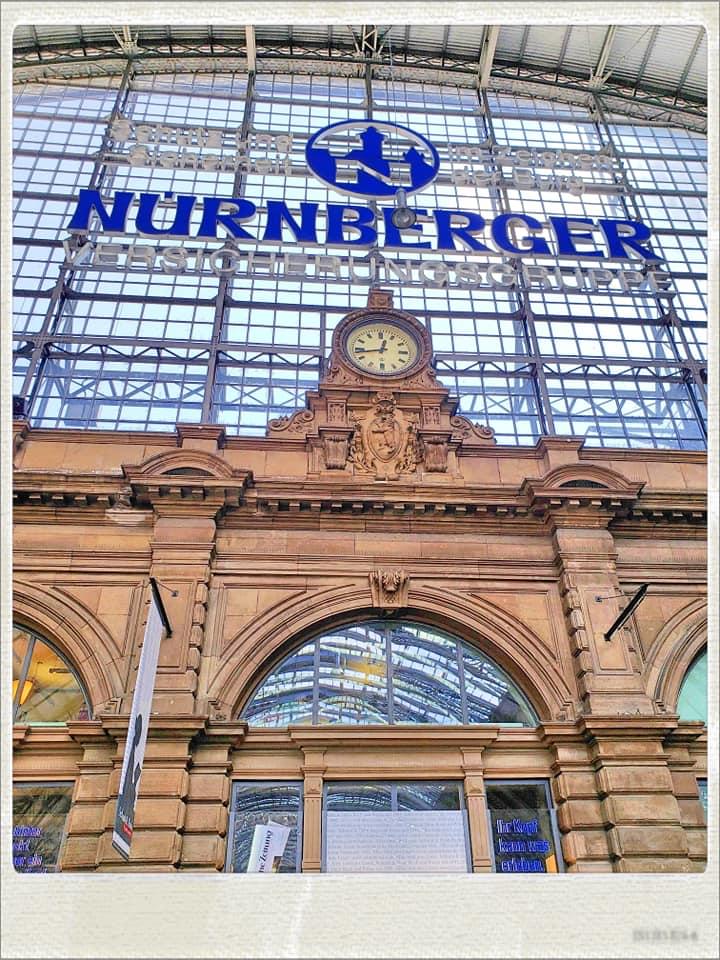
Frankfurt Main Station (Hauptbahnhof)
With the metal frame ceiling of sheer height as well as a myriad of bay platforms, similar to its counterparts of Piccadilly Station in Manchester, Paddington Station in London, Atocha Station in Madrid, the imposing Frankfurt Main Station epitomized the grandeur and vastness of the major railway stations in European.
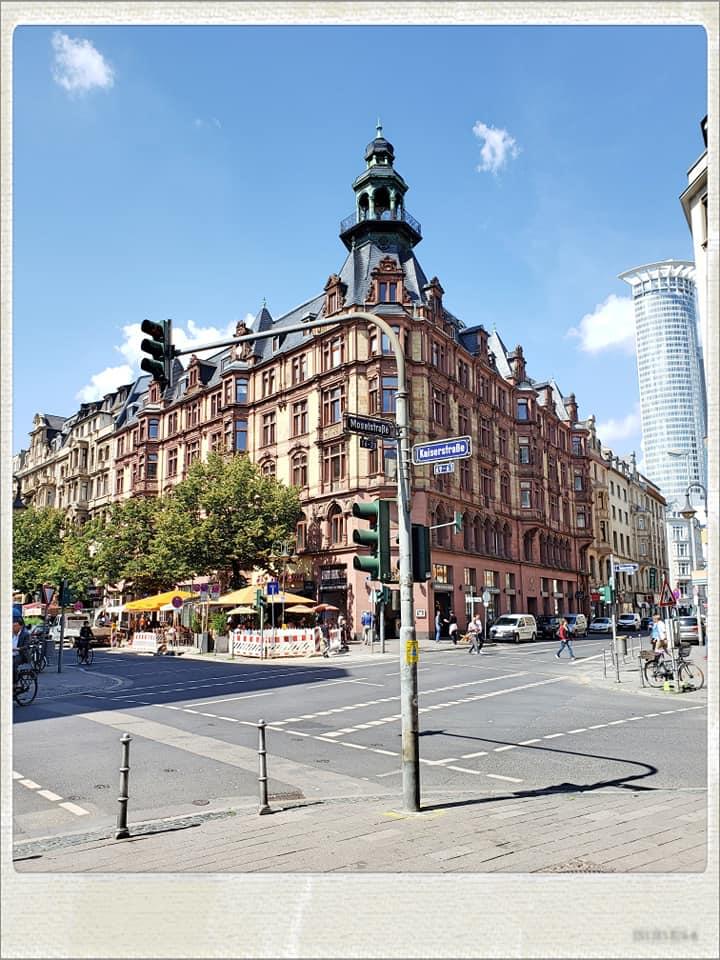
Kaiser Strasse
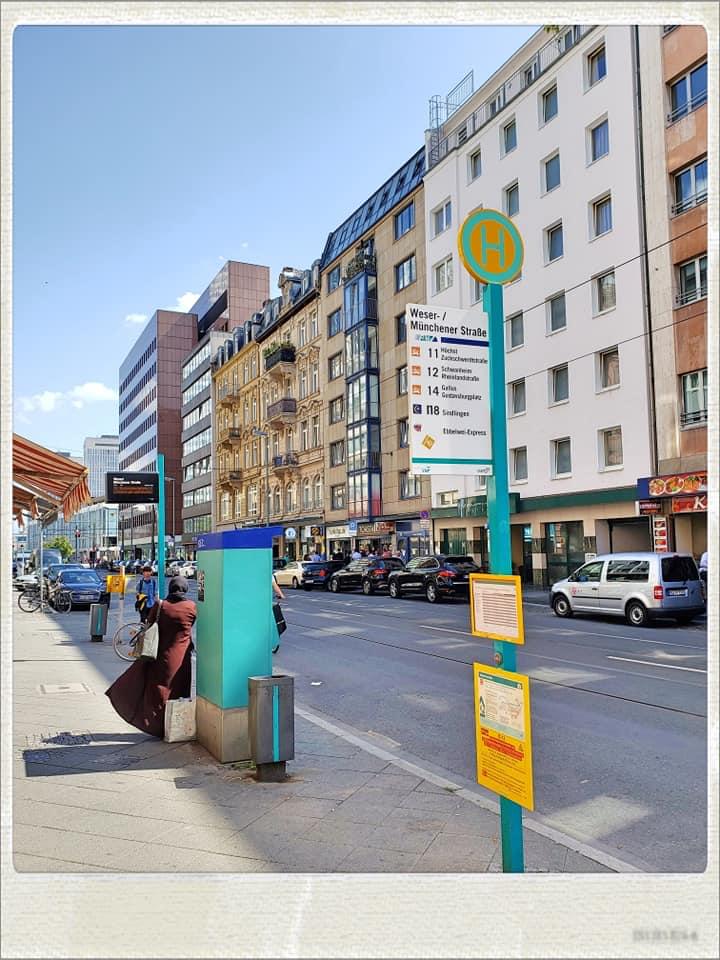
Running perpendicular to the main entrance of the Frankfurt Main Station, Kaiser Strasse was loaded with European classical buildings which were uncommon in other areas in Frankfurt. The reason is that most of them were severely destroyed in WWII and not rebuilt since then.
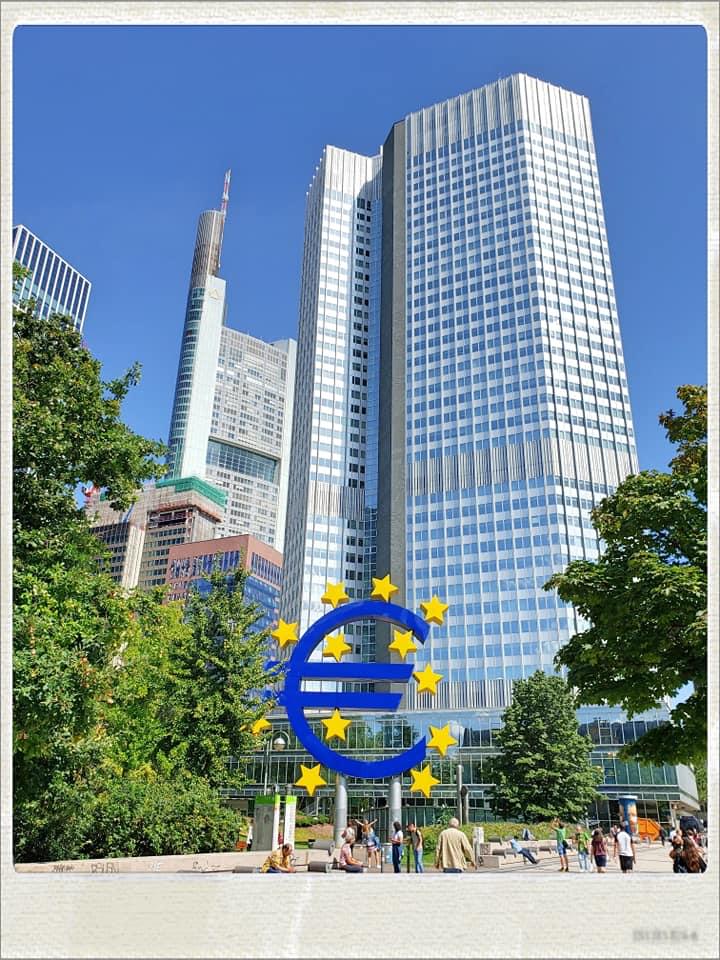
Euro Tower
According to Wikipedia, this building served as the seat of the European Central Bank until 2015, at which point it was replaced by a new building along River Main.
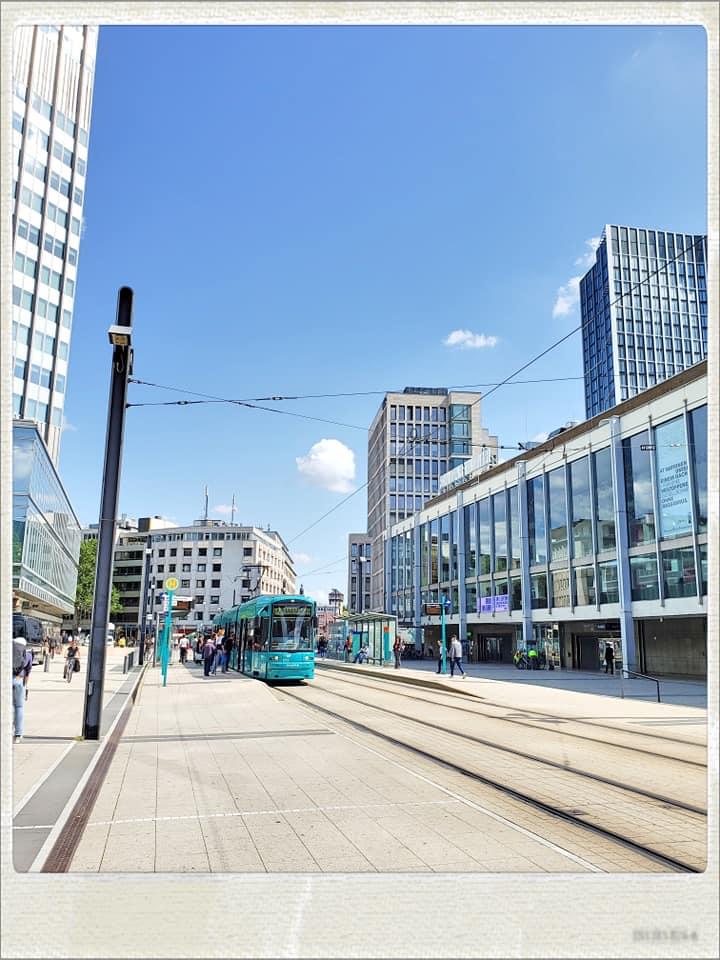
On the opposite of the road sat the Frankfurt Opera House (Frankfurt Oper). Between them lied the Willy-Brandt-Platz tram stop and tramway which blended fully into this pedestrianized zone. There was hardly anything dividing the tramway and the pedestrianized area, so the tram was running within a hair’s breadth of my body.
It may seem dangerous to some people, but I felt harmony and mutual respect between the pedestrians and the trams.
Kamelitergasse
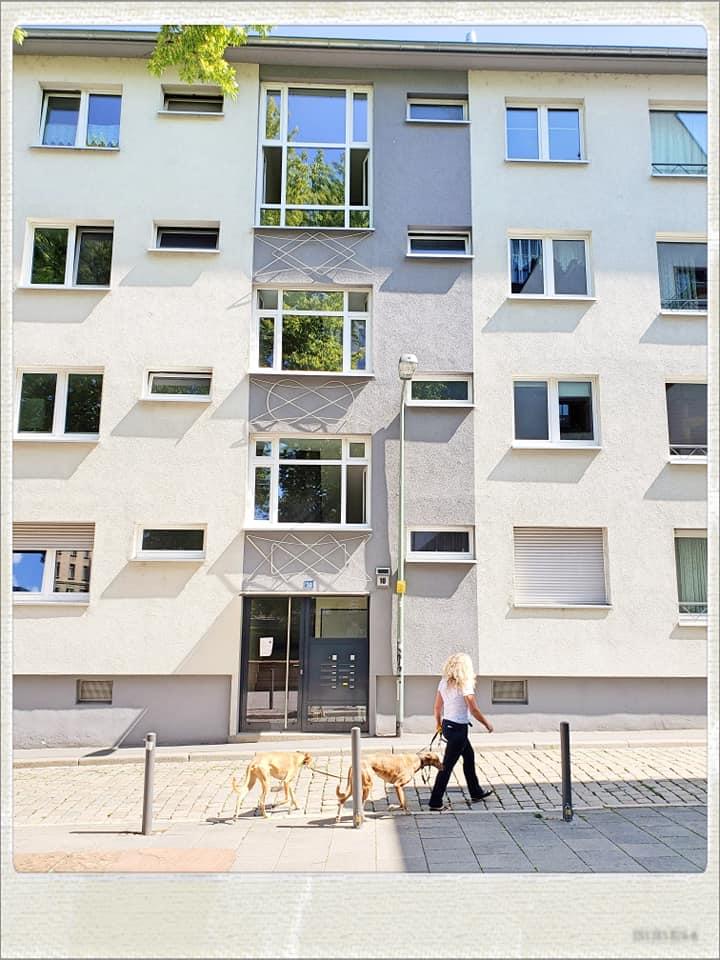
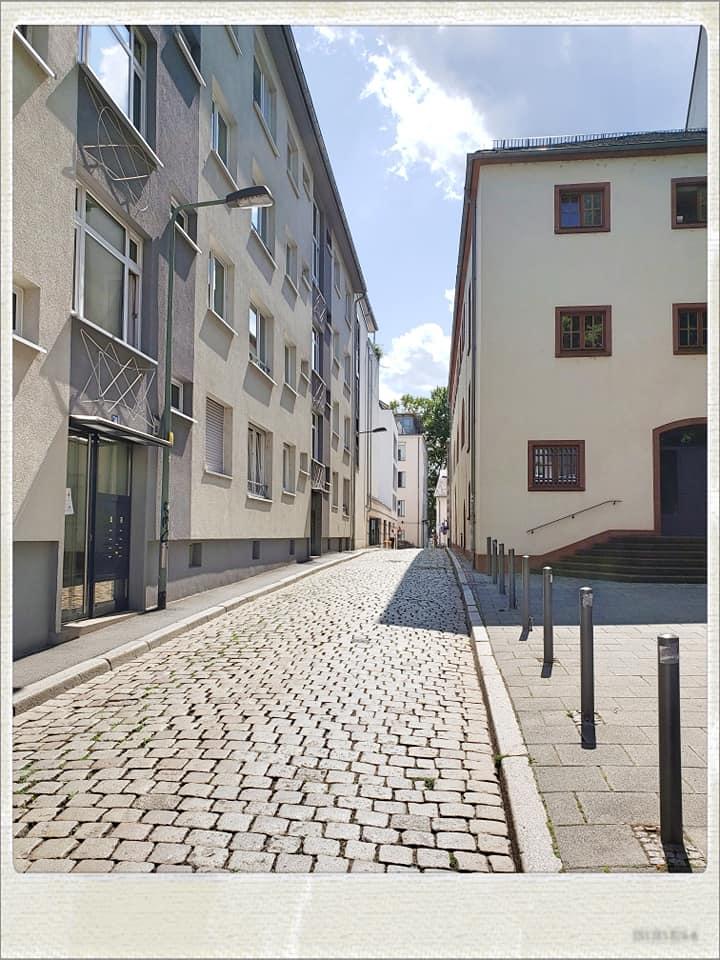
Just a few blocks away from the hustle and bustle of the Euro Tower, I came upon Kamelitergasse, an astonishingly tranquil, clean and tidy neighbourhood.
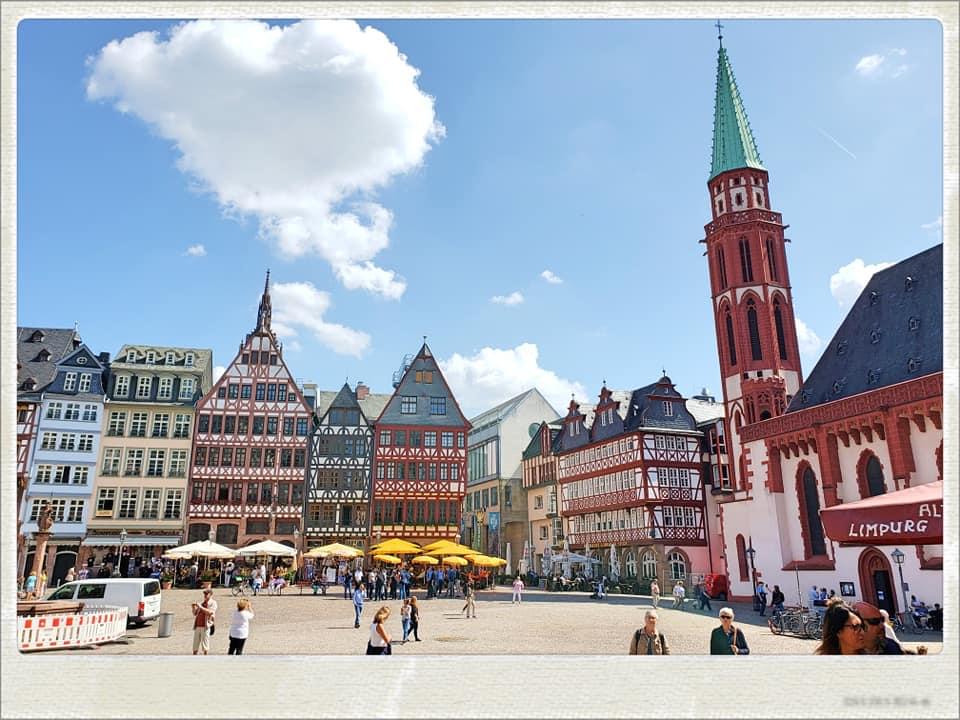
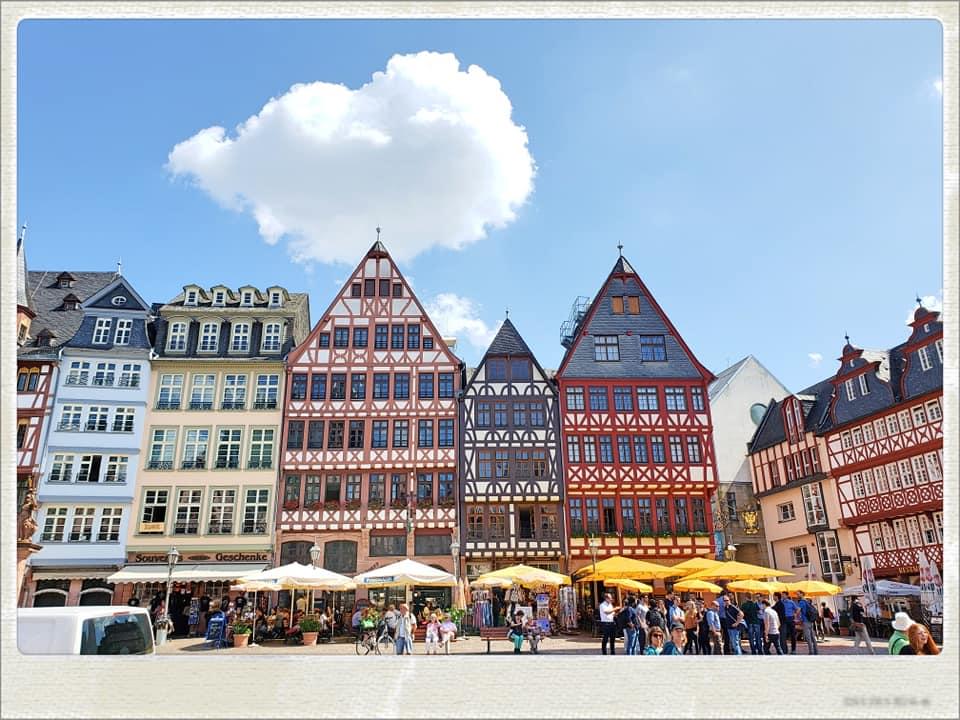
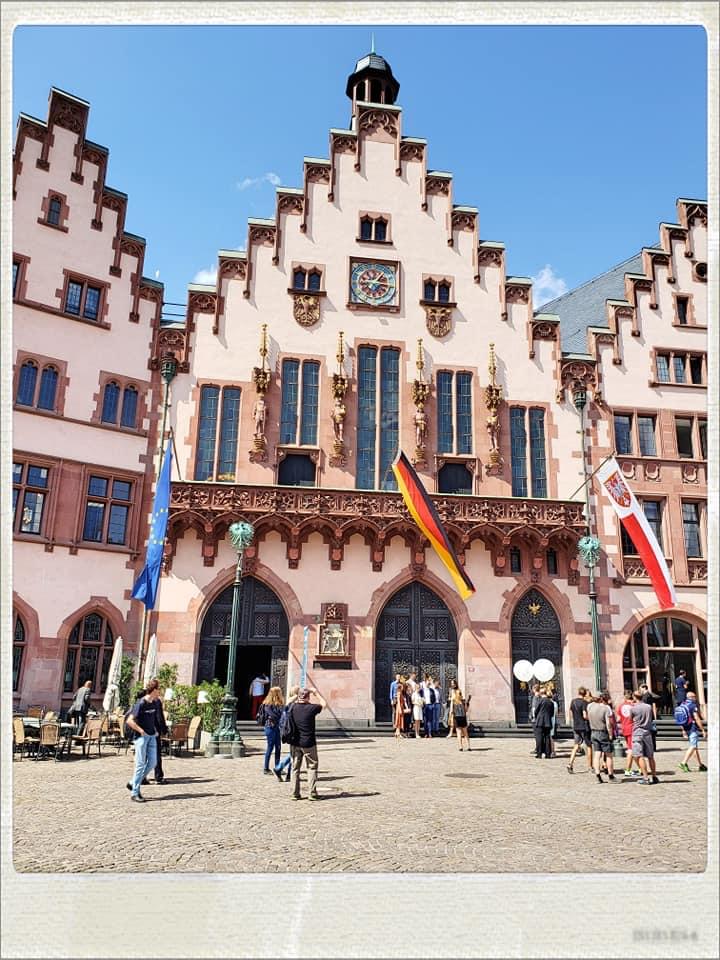
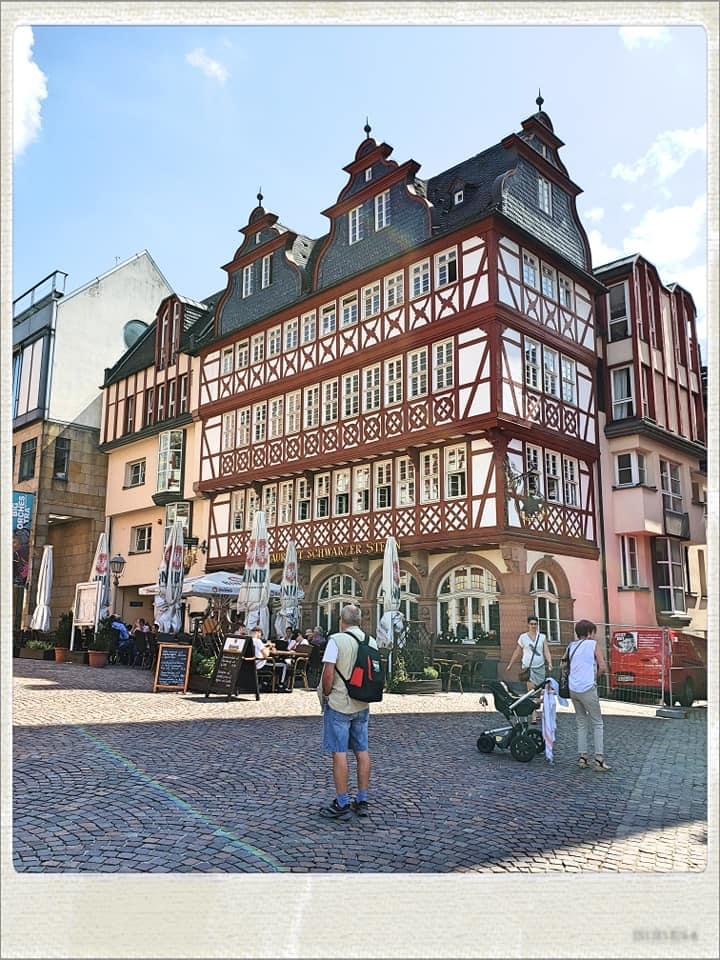
Romerberg
I have a great affection for the public squares in many European cities because public squares offer vast space and the surrounding buildings, beauty and sense of security!
Being notable for its technicolor houses with pointed rooftops, Romerberg is worth a visit.
Zeil
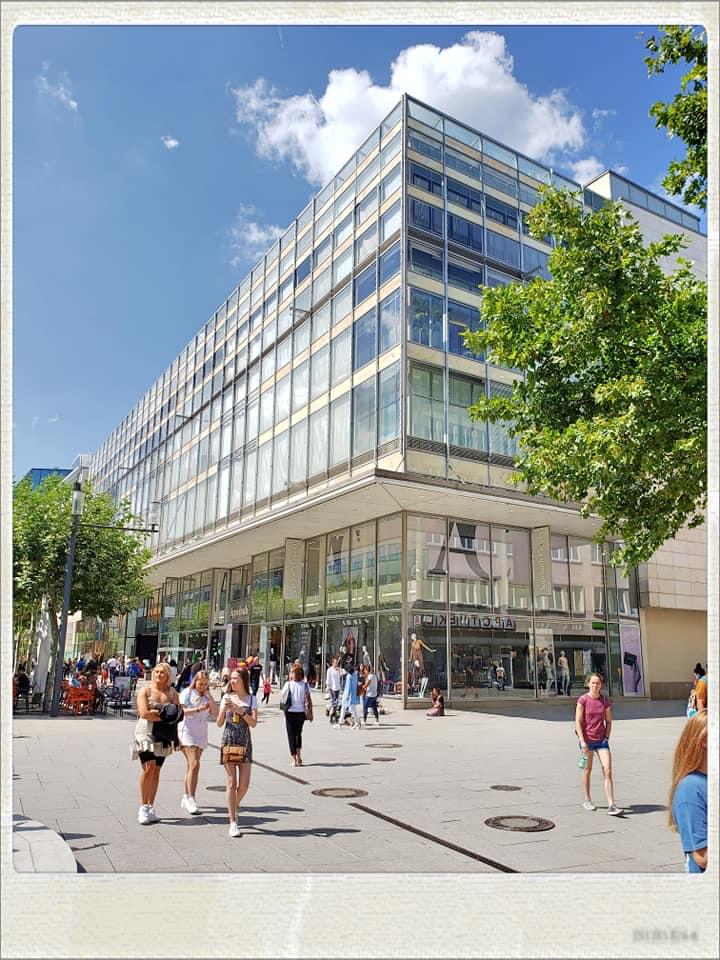
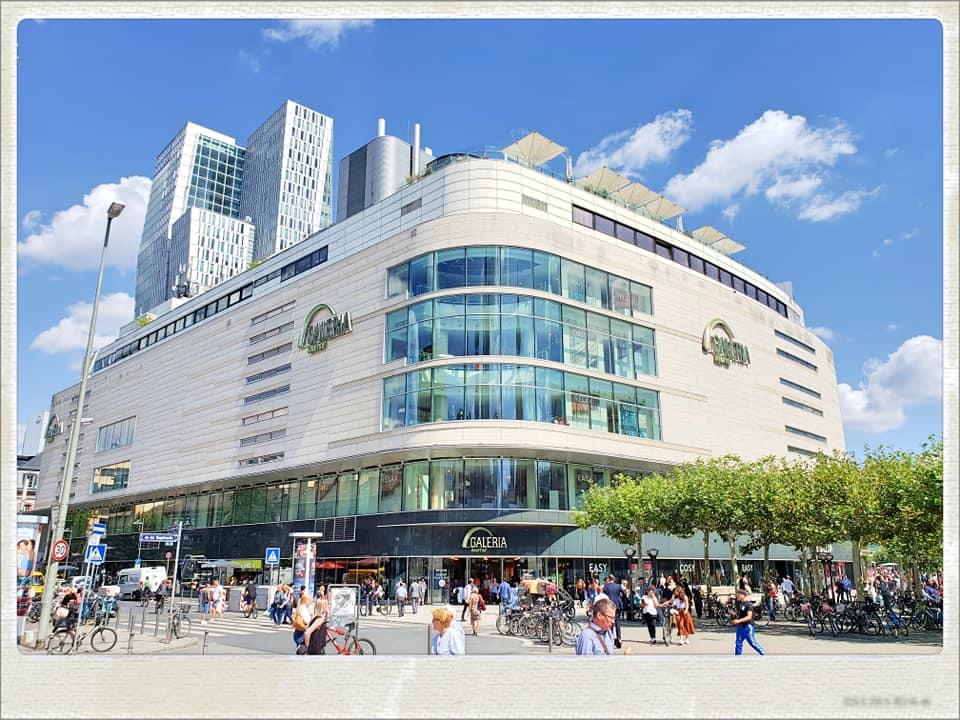
Zeil was a clean, tidy and vibrant shopper’s boulevard loaded with outdoor cafes and restaurants. Glazed modern low rise buildings which housed many sought-after department and malls were built along the boulevard.
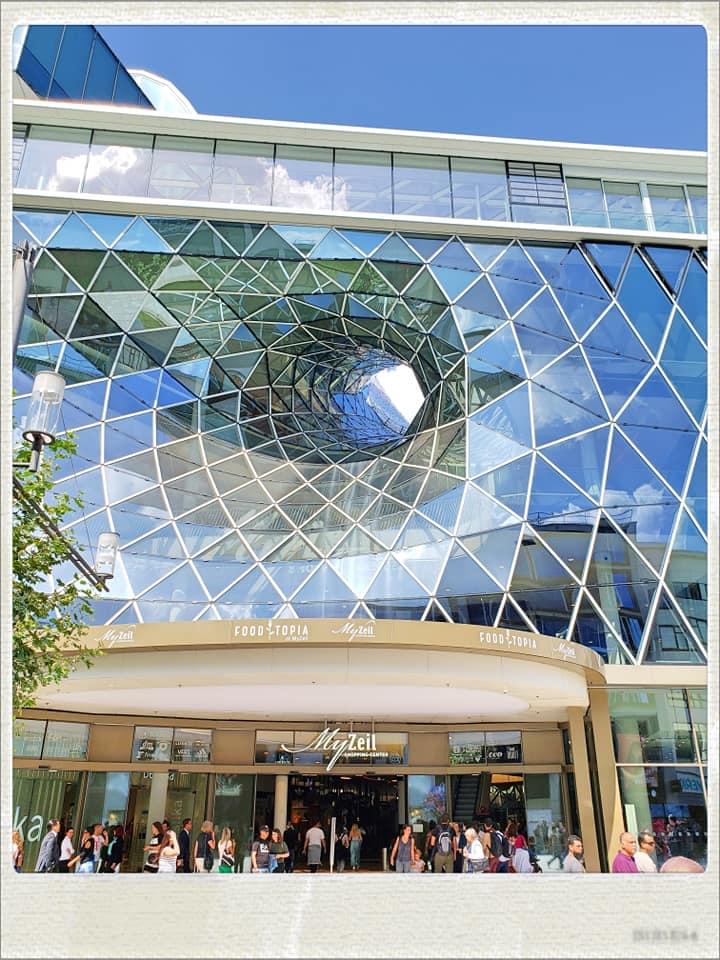
What drew me was the quirky design of the cave built on the facade of the Shopping Centre MyZeil.
According to Wikipedia, Zeil has been the most famous and busiest shopping district in Frankfurt since the end of 19th century. It’s also known for its imposing buildings but they’re all destroyed after WWII and not rebuilt.
Frankfurt Stock Exchange
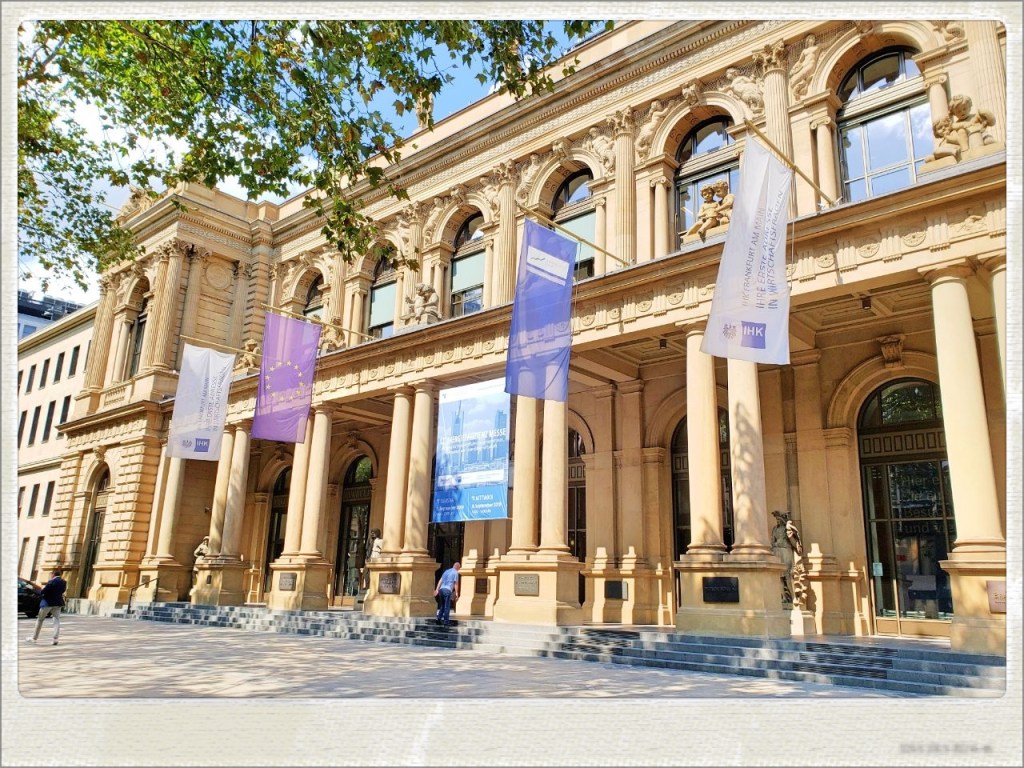
Frankfurt Stock Exchange, being the 10th world’s largest stock exchange by capital capitalisation, was housed in an imposing edifice but sadly I failed to take a full shot of it because of the packed buildings surrounding it.
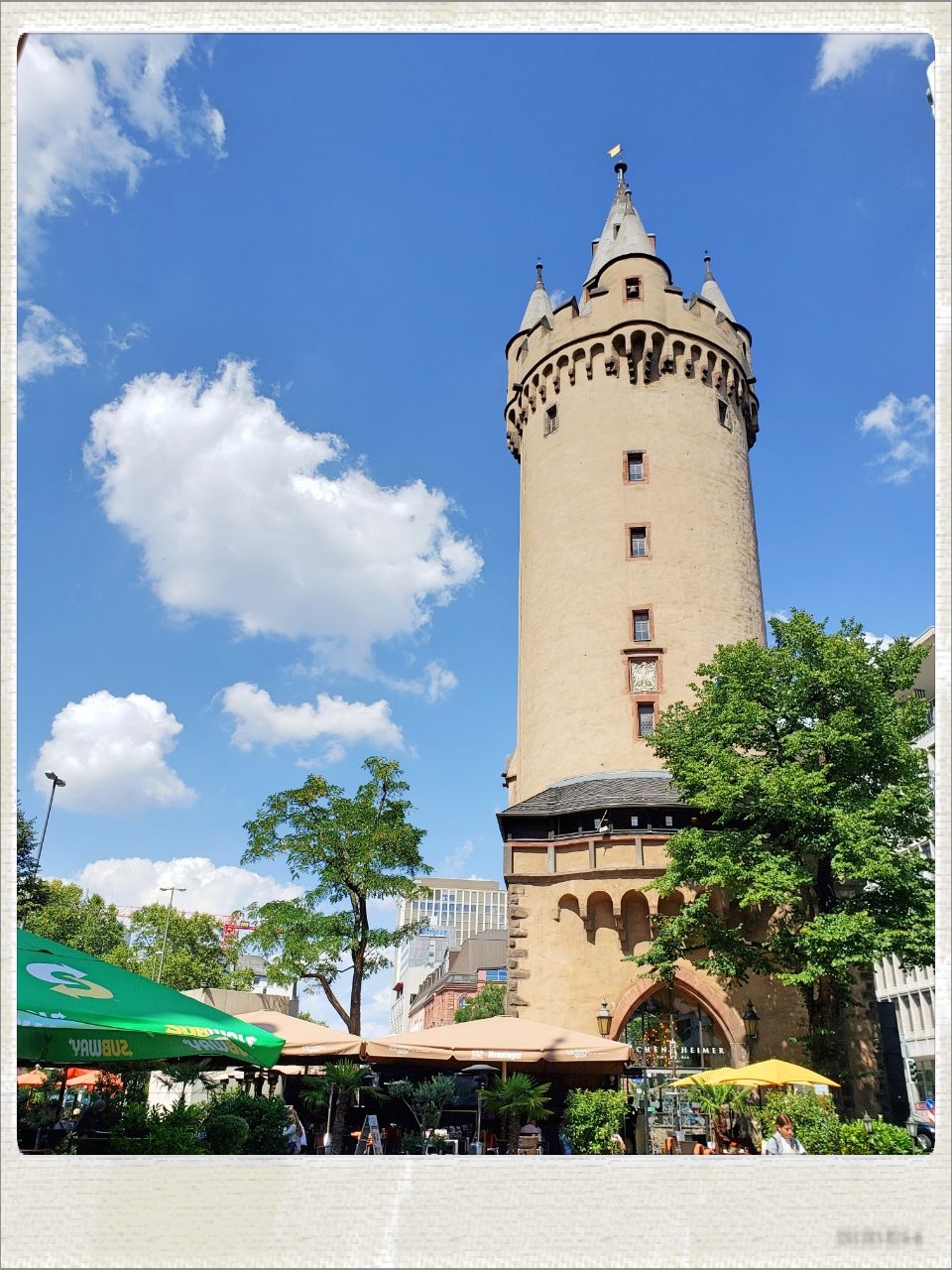
Eschenheimer Tor
Eschenheimer Tor was a city gate which formed part of the late-medieval fortification of the city. In all honesty, being a tourist from a completely different cultural background, I am afraid I couldn’t appreciate its beauty.
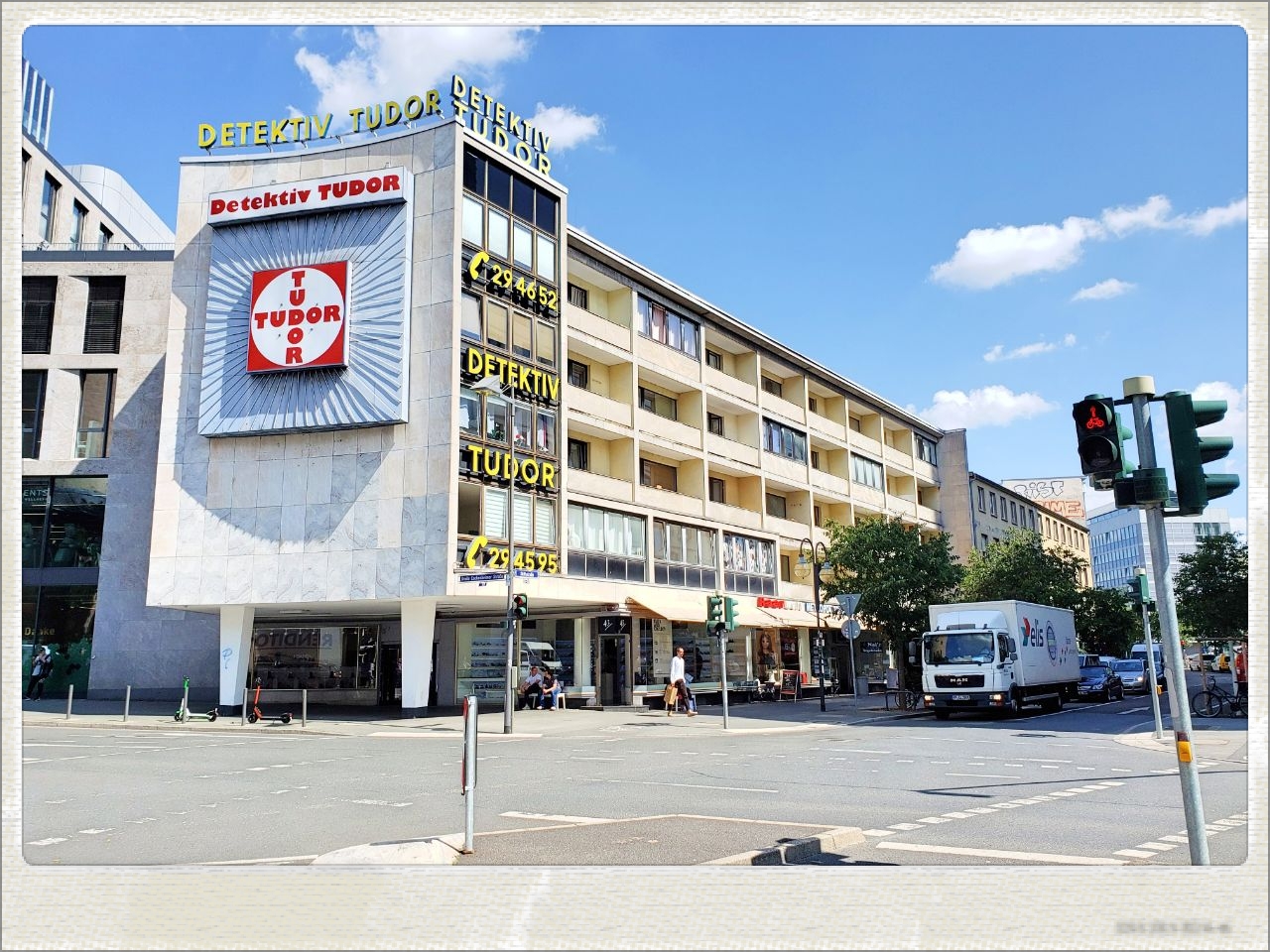
On the contrary, I was drawn by the building on the opposite side of the road which was strongly reminiscent of the communist East Germany.
Commerzbank Tower
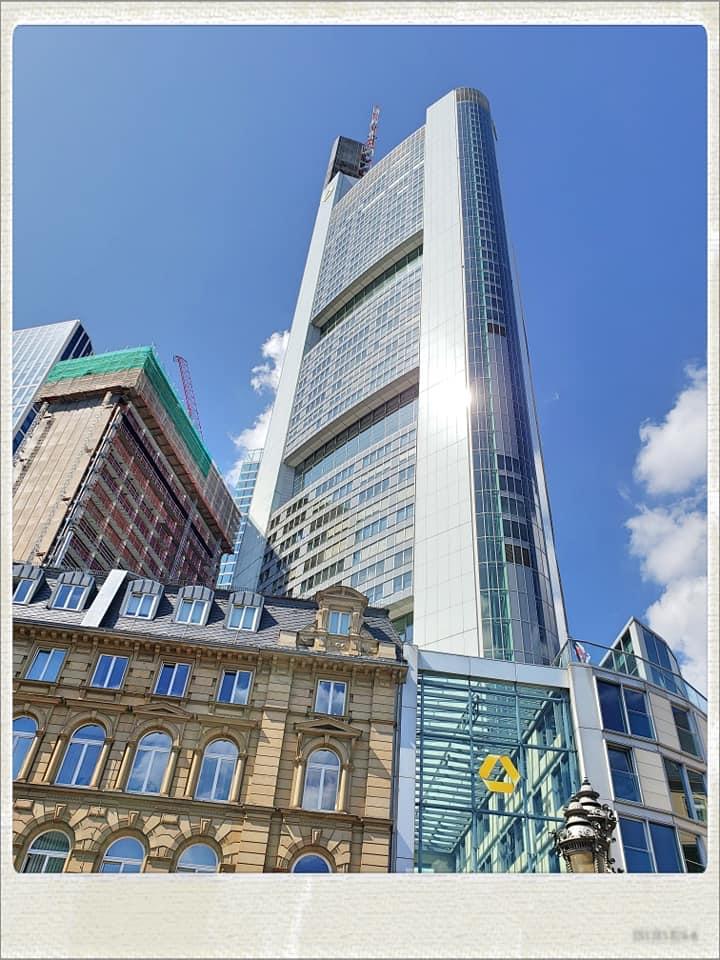
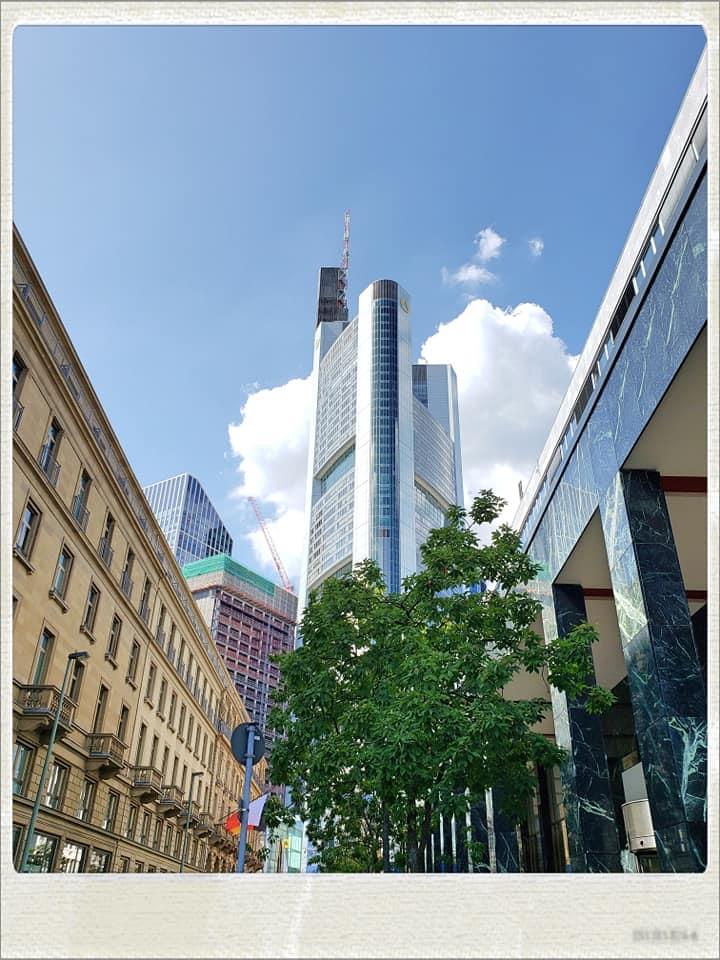
Especially notable for the triangular cylindrical shape as well as the sleek design of the corners, the Commerzbank Tower has always been the embodiment of the prosperity of Frankfurt, the largest financial centre in the European continent since its completion in 1997.
It’s the tallest building in Frankfurt and Germany. Since its completion in 1997, it’d been the tallest building in Europe until it was surpassed in 2003.
Untermainbrucke
The bridge offered a magnificent view of the Main River.
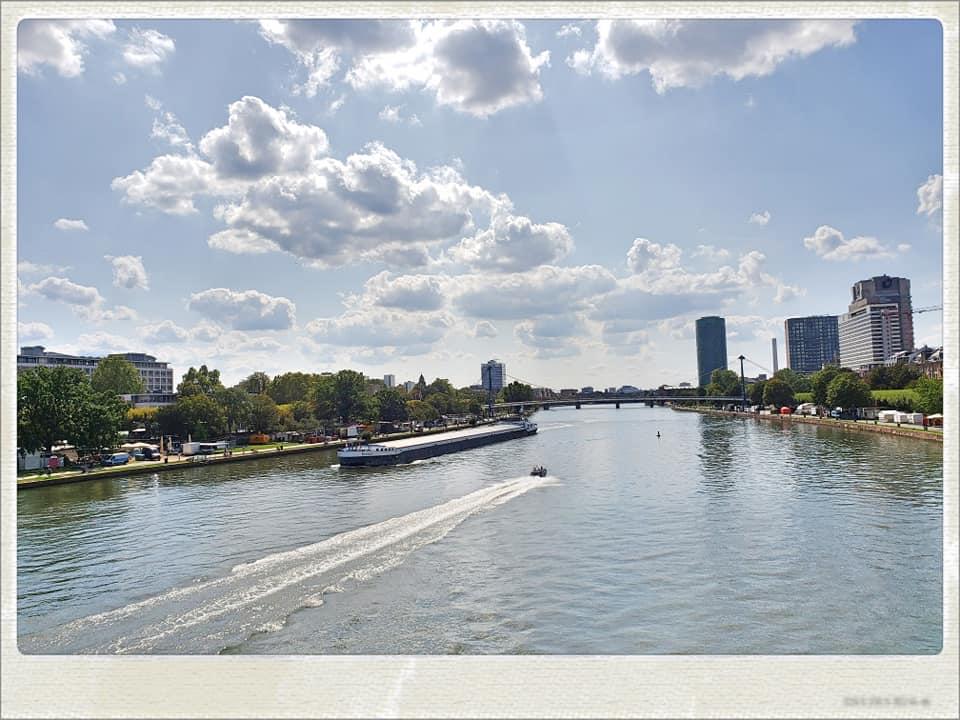
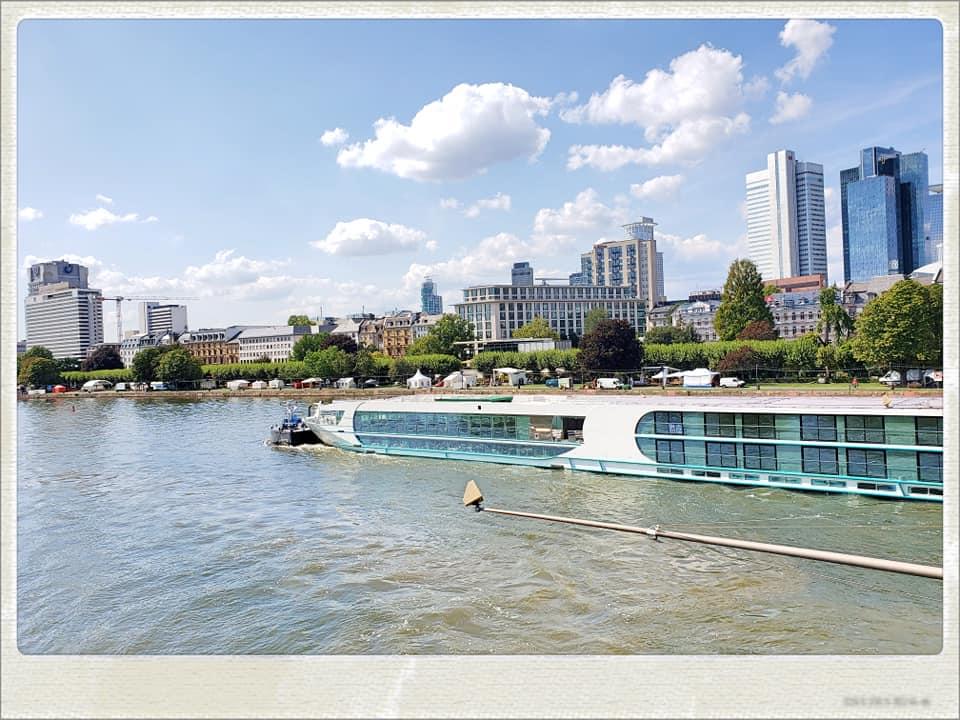
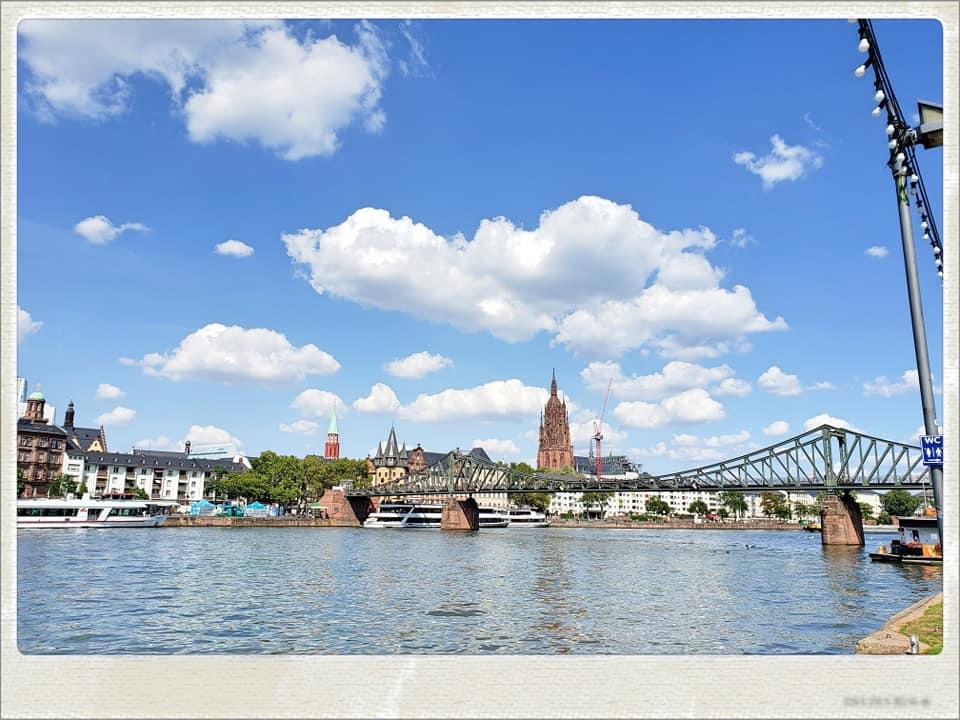
Southern Bank of River Main
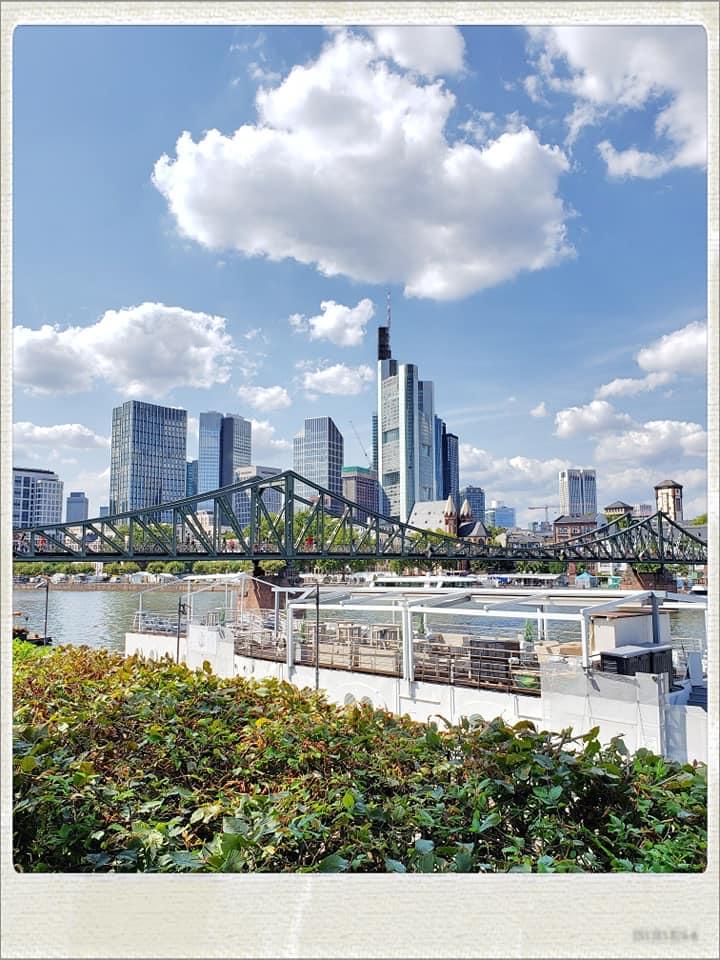
Easily accessible, well paved promenades were built along both the southern and the northern banks of the Main River. The impressive skyline of Frankfurt was a sheer delight to behold.
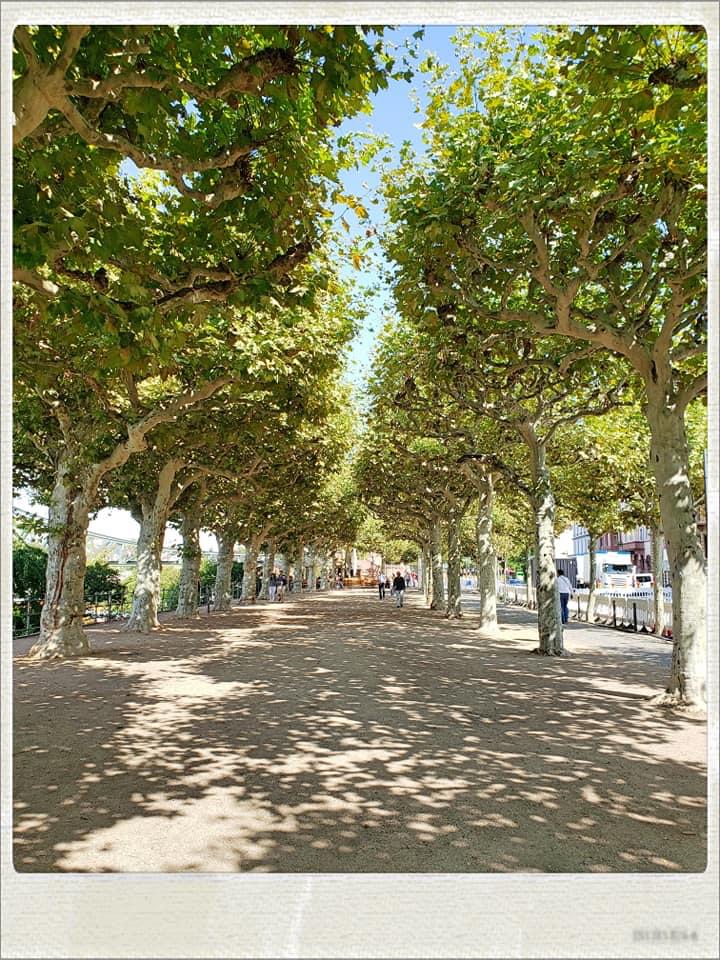
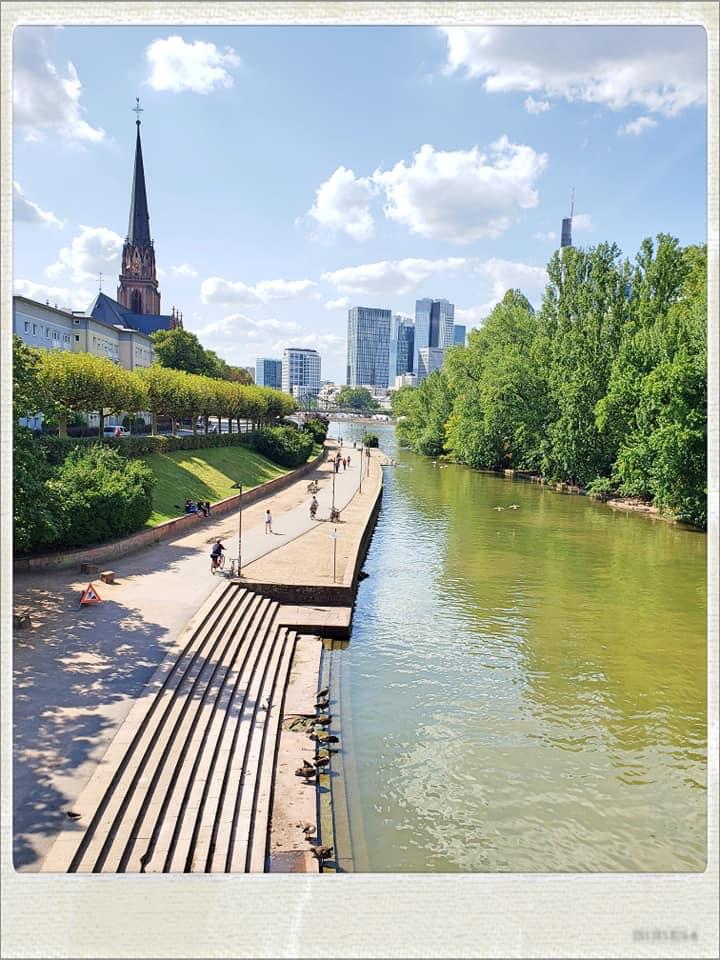
Konstablerwache
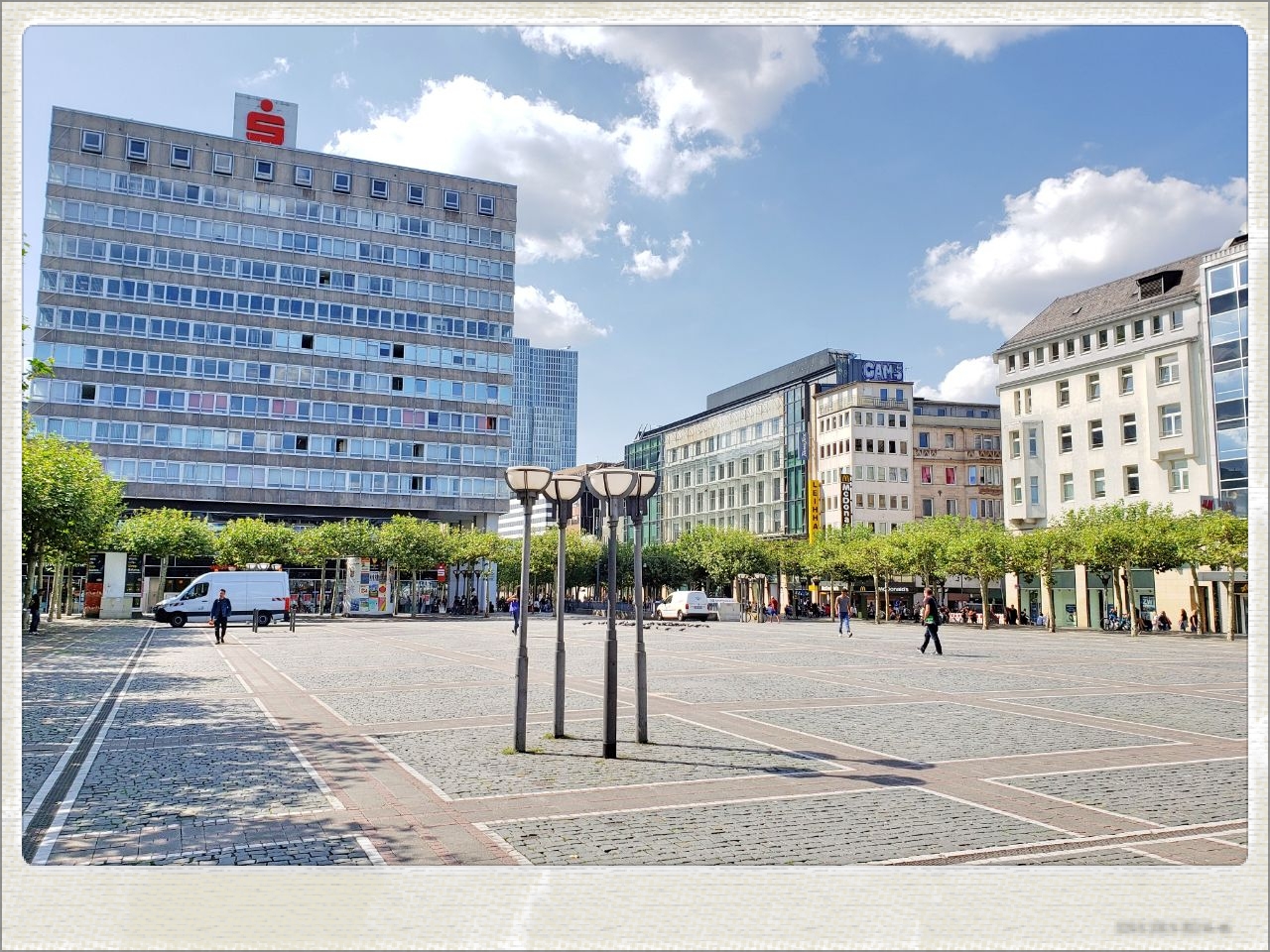
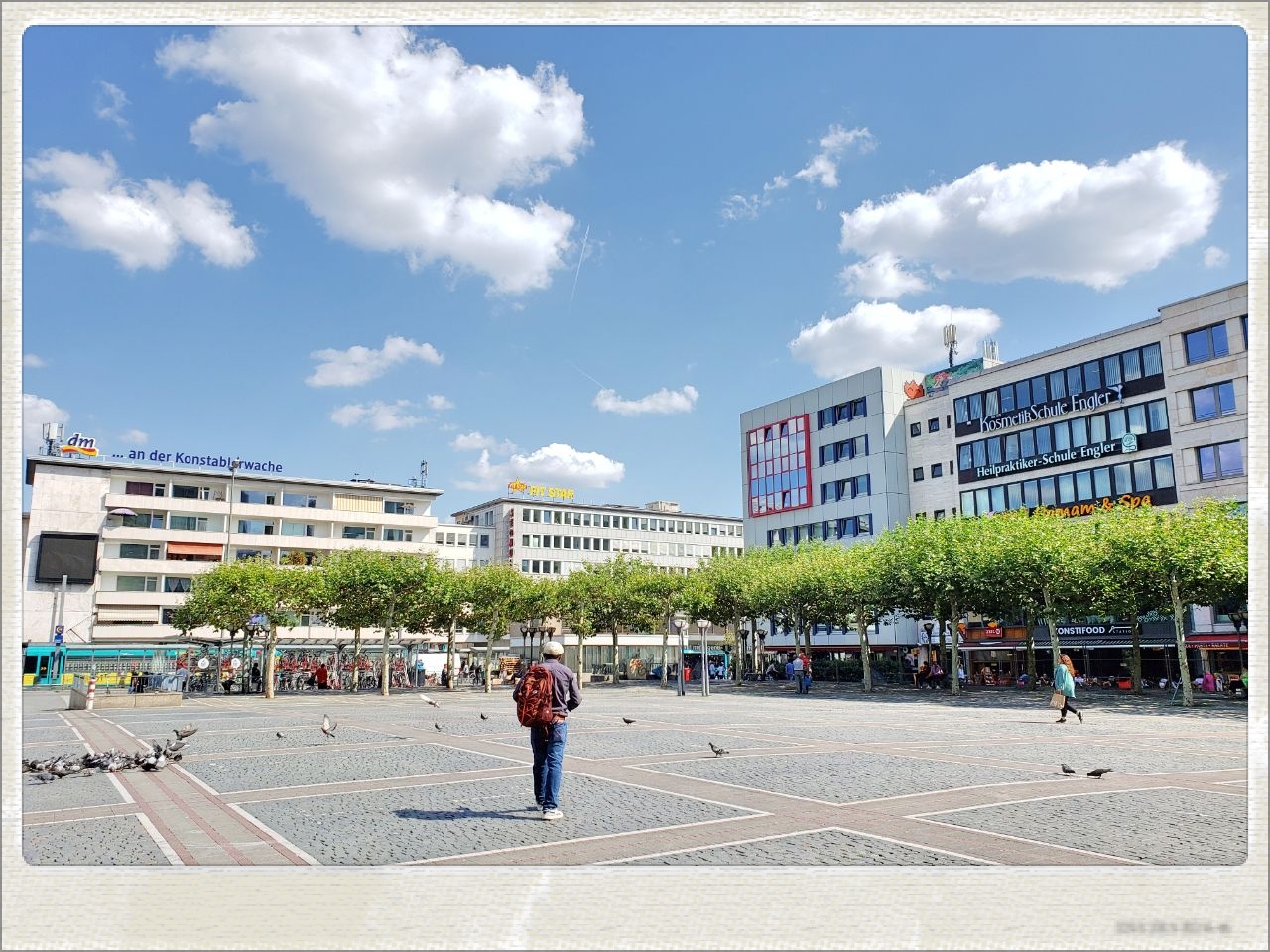
Having kept walking for 4 to 5 hours, I really had to take a break. At the time I happened to have arrived at Konstablerwache, a major public square where the U-bahn line and tram lines intersected.
Grateful for the paid lavatory in the Konstablerwache U-Bahn station which offered extremely cold and sweet water though it’s just tap water!
Next, I really had to take a seat. Instead of sitting in a park, I took a seat on a random S-Bahn train, hoping it would take me to the beautiful unknown.
Oberursel station
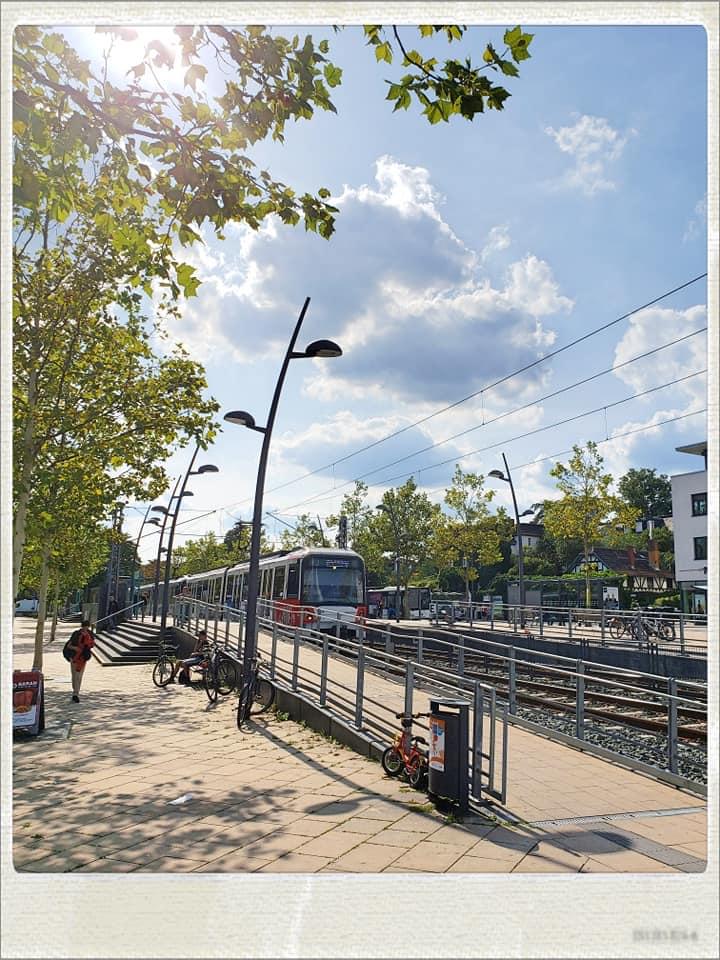
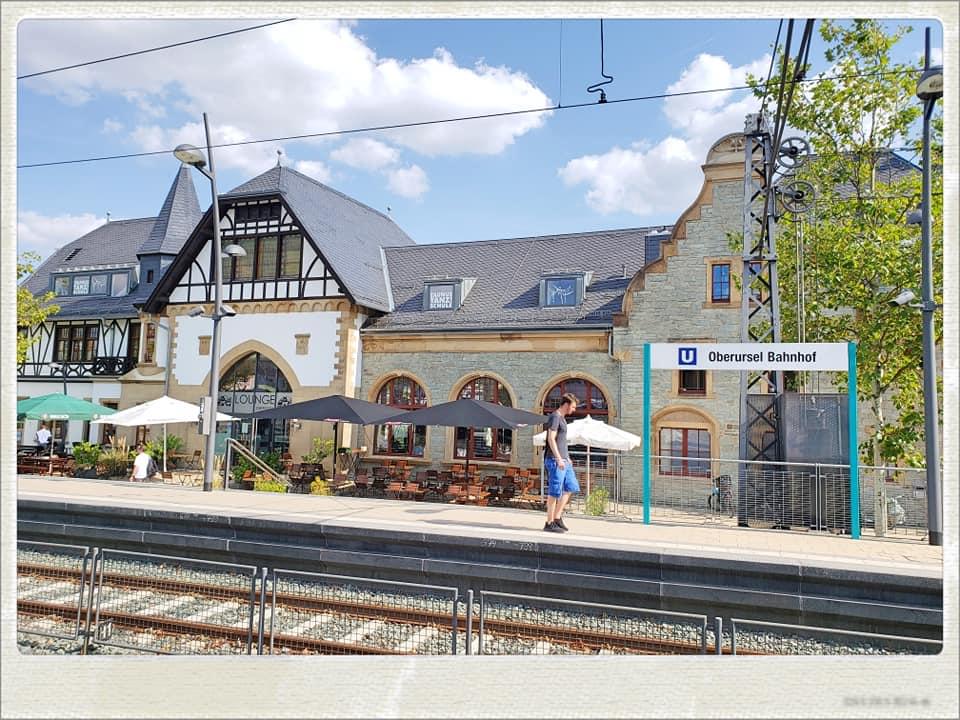
Finally, I got off at Oberursel S-Bahn station at the northern part of Frankfurt which was also a U-Bahn interchange station.
It blew my mind and broaden my horizon when it came to my edifying realization that the U-Bahn (or metro) station was not only situated on the street level, but also looked more a light rail station than a metro station.
There’s no turnstile and the separation of paid or unpaid areas in both the tram and metro systems of Frankfurt, the stations could therefore be built in a very basic manner and could also blend in greatly with the surroundings.
It brought public transport much closer to the users.
Weisskirchen Ost U-bahn Station
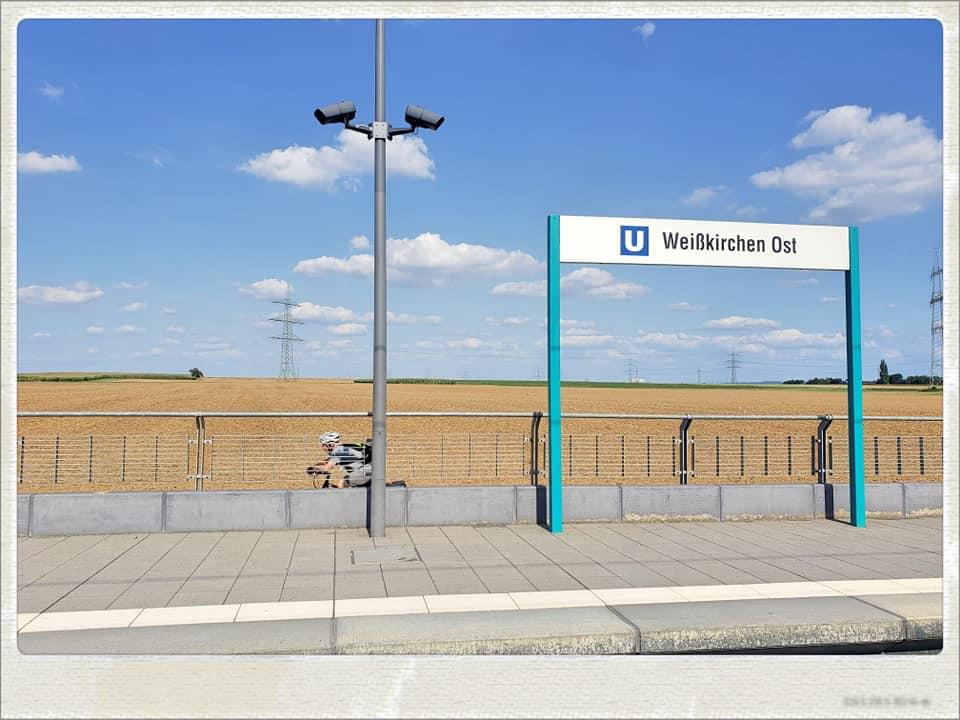
Living in a hilly city in which the property prices are skyrocketing due to the shortage of land supply for years, it was staggering for me to see countless undeveloped lands or farmlands in the urban area of Frankfurt. The enormity of the lands, including the vast area of farmland adjacent to the Weisskirchen Ost U-bahn Station, kept blowing me away.
 My Travel Journal ONE