I was a little stressed yet the exhilaration of going to travel a strange city in a totally different country was unbeatable
Being a city and a municipality in the Netherlands, Rotterdam is the largest seaport in Europe. Its history dates back to 1270 when a dam was constructed in ‘Rotte’. The Rotterdam-Hague metropolitan area with a population of approximately 2.7 million, is the 13th largest in EU and the most populous in the Netherlands.
From Hotel to Brussels-North Station en route
The coach transporting me to Rotterdam departed at the Brussels-north Station which took an approximately 10-minute metro ride from the hotel I stayed. But as I’d become aware of my desire to see more of the city, particularly in the morning, I decided to go foot as opposed to taking any kind of transport.
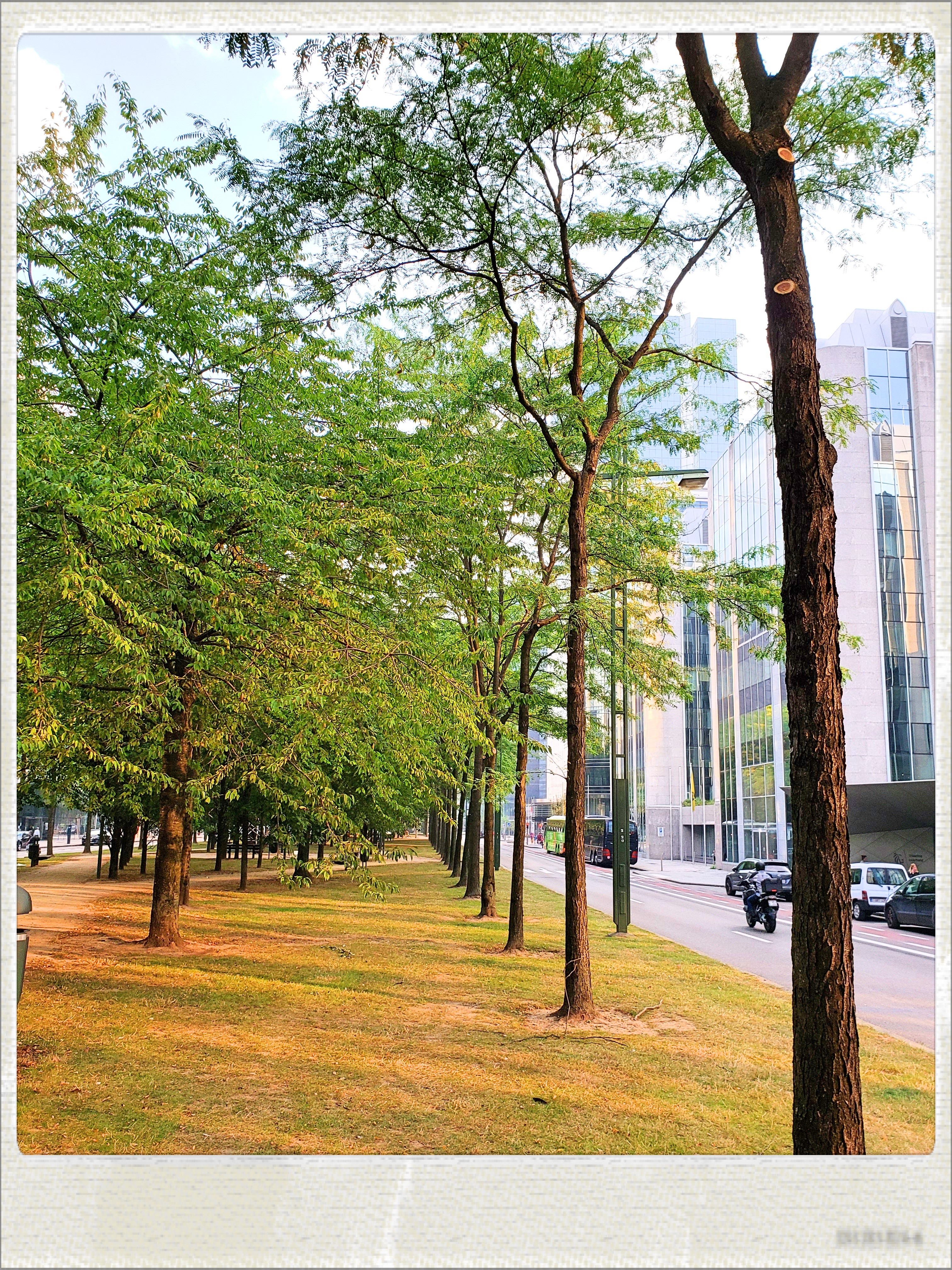
It was 19 degrees in the morning. The streets in the shopping districts were relatively empty which offered me a great chance to have a closer look of some imposing and beautiful buildings en route.
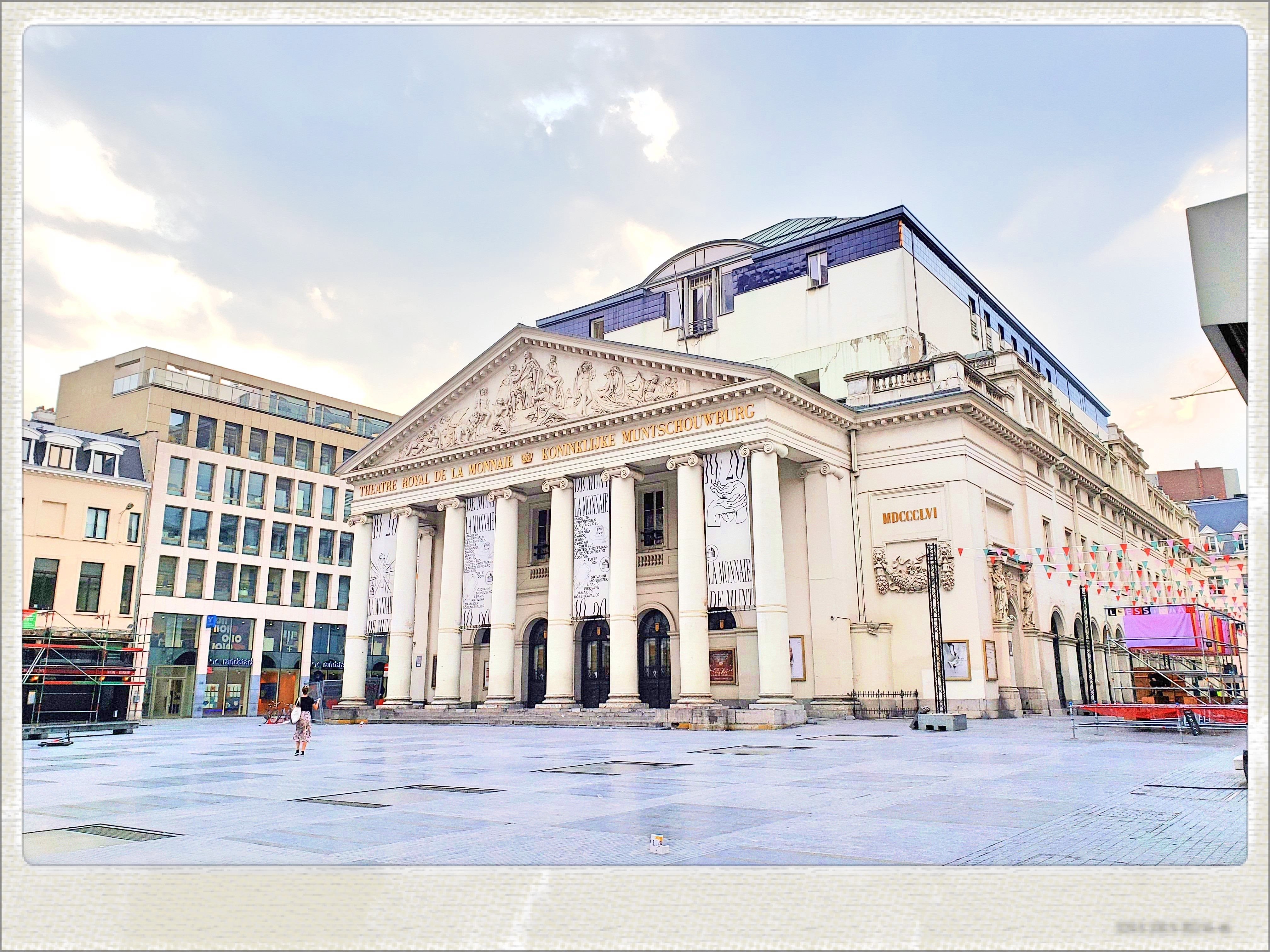
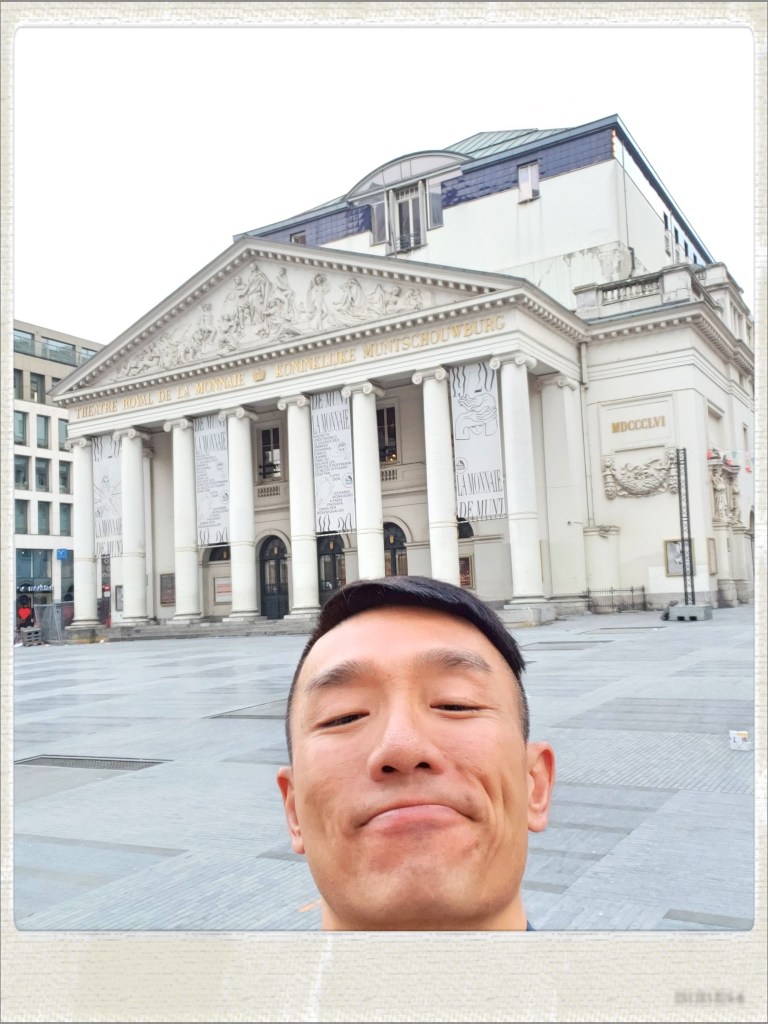
Royal Theatre of La Monnaie (La Monnaie De Munt) is the leading opera house in Belgium. The edifice is strongly reminiscent of the ancient Roman architecture.
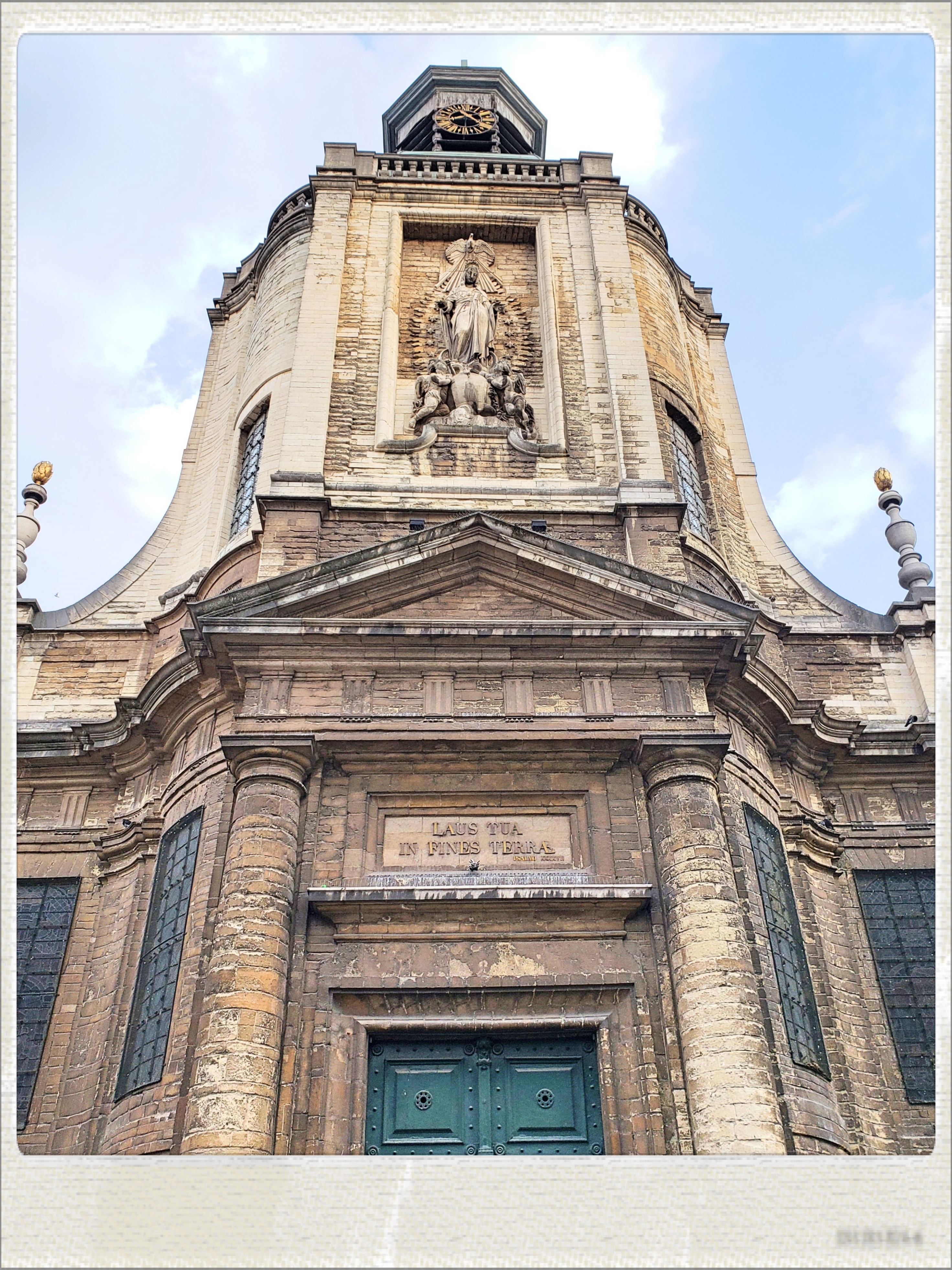
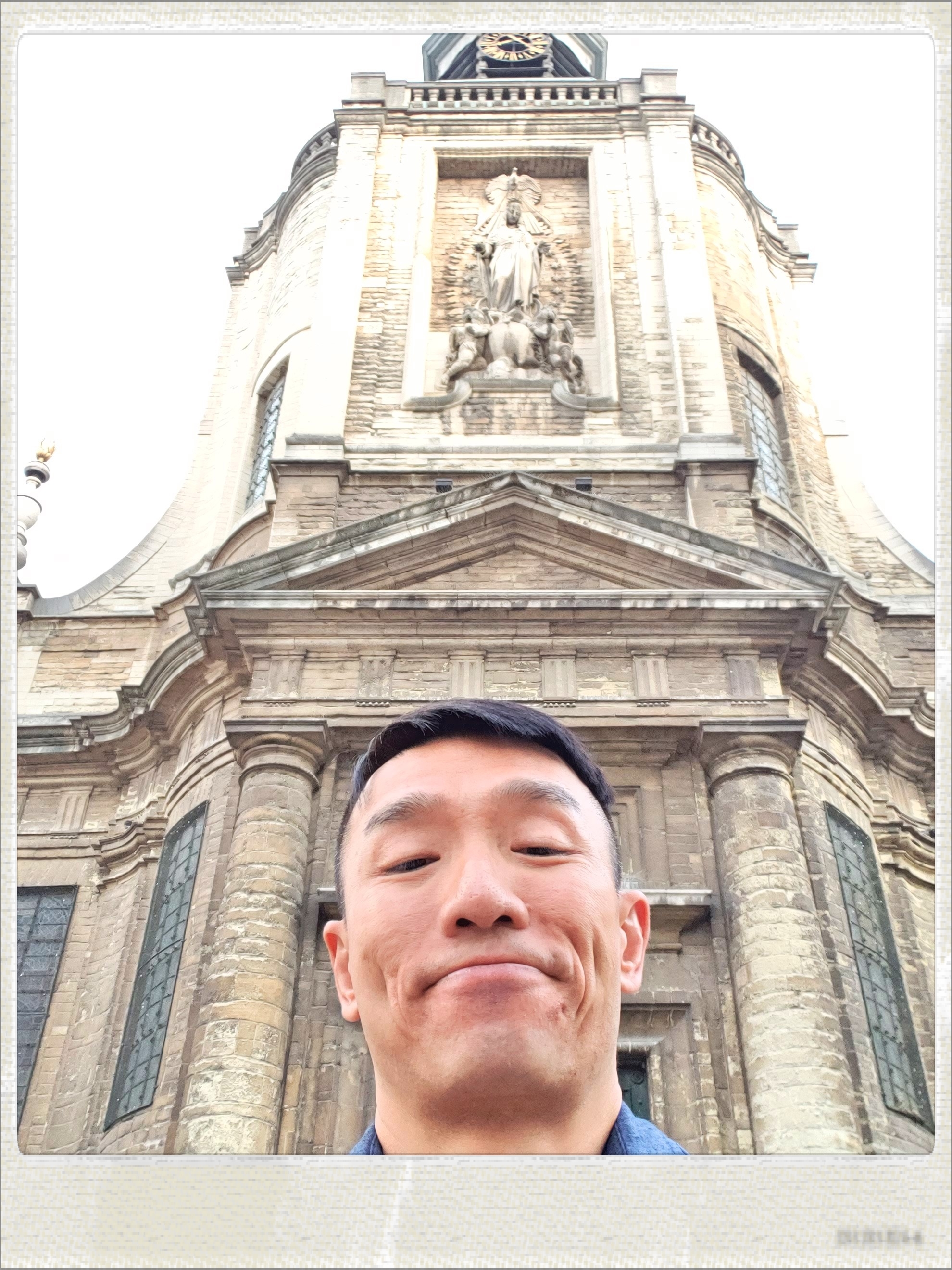
Within a stone’s throw of the Royal Theatre of La Monnaie, I came upon another brilliant structure, the Church of Our Lady of Finistère along Rue Neuve which was a shopper’s street.
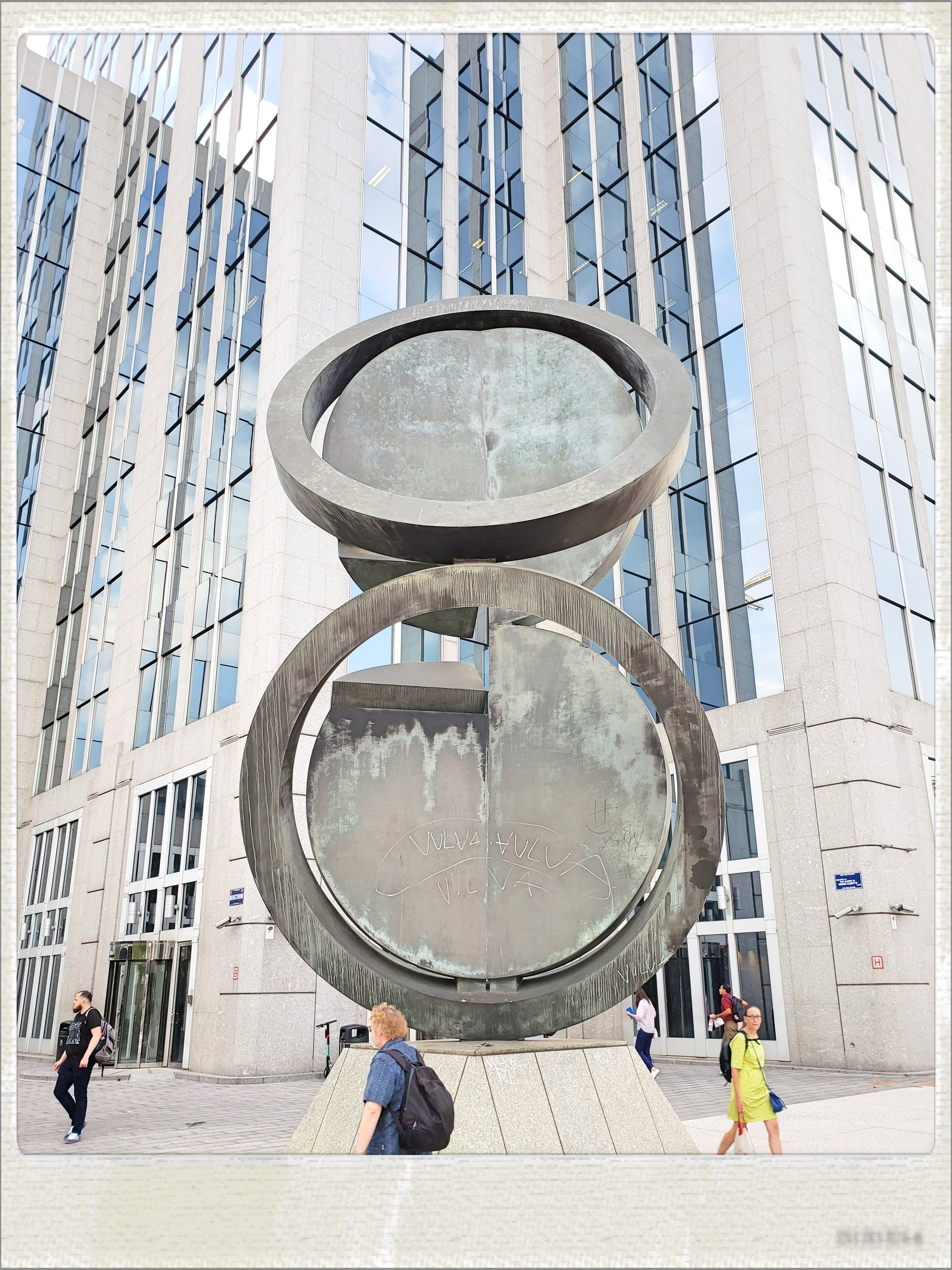
The bronze sculpture right in front of the Euroclear Bank building looked interesting and was worth a shot.
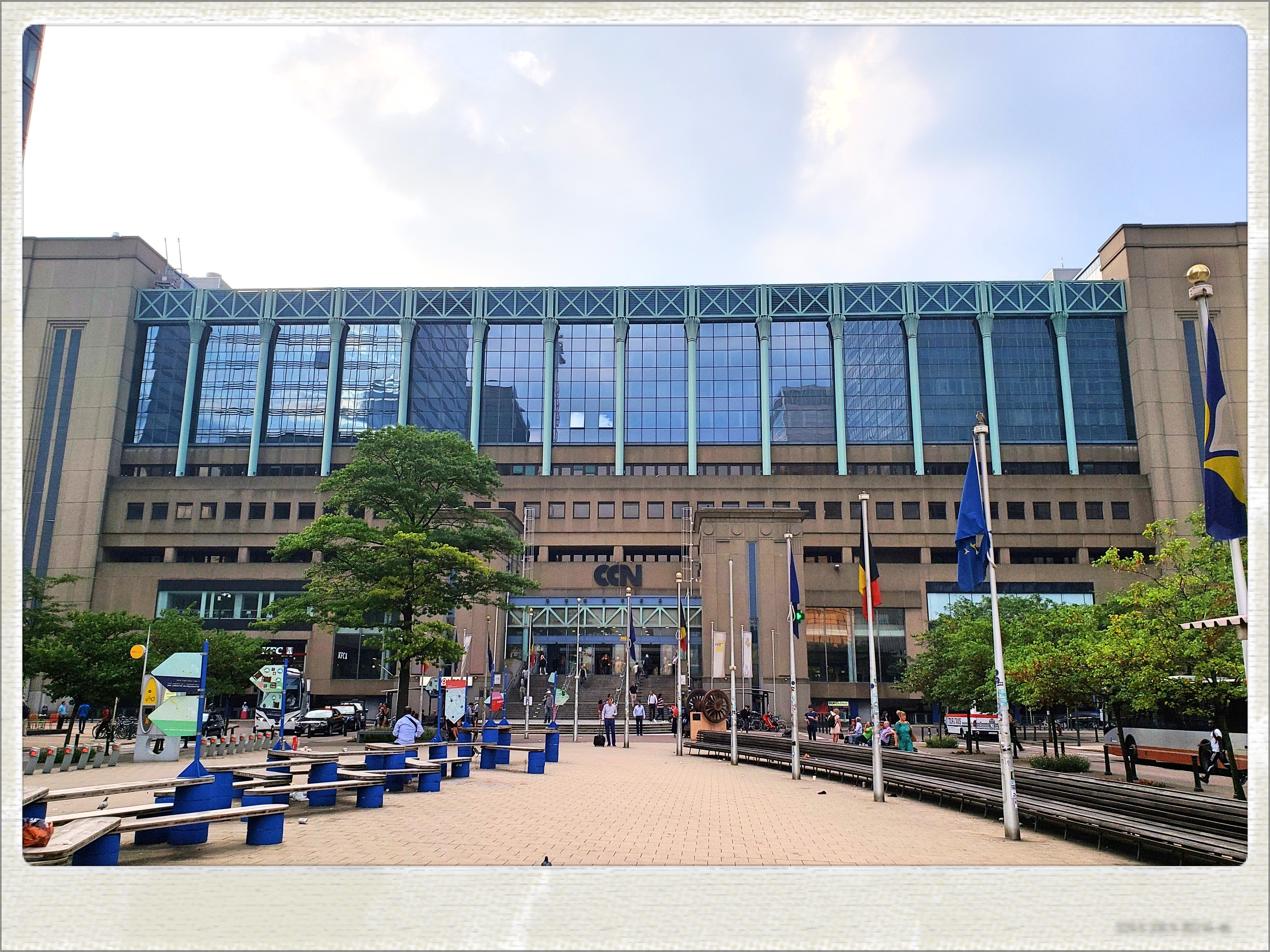
Brussels-North Station – Flixbus was good but also drove me crazy
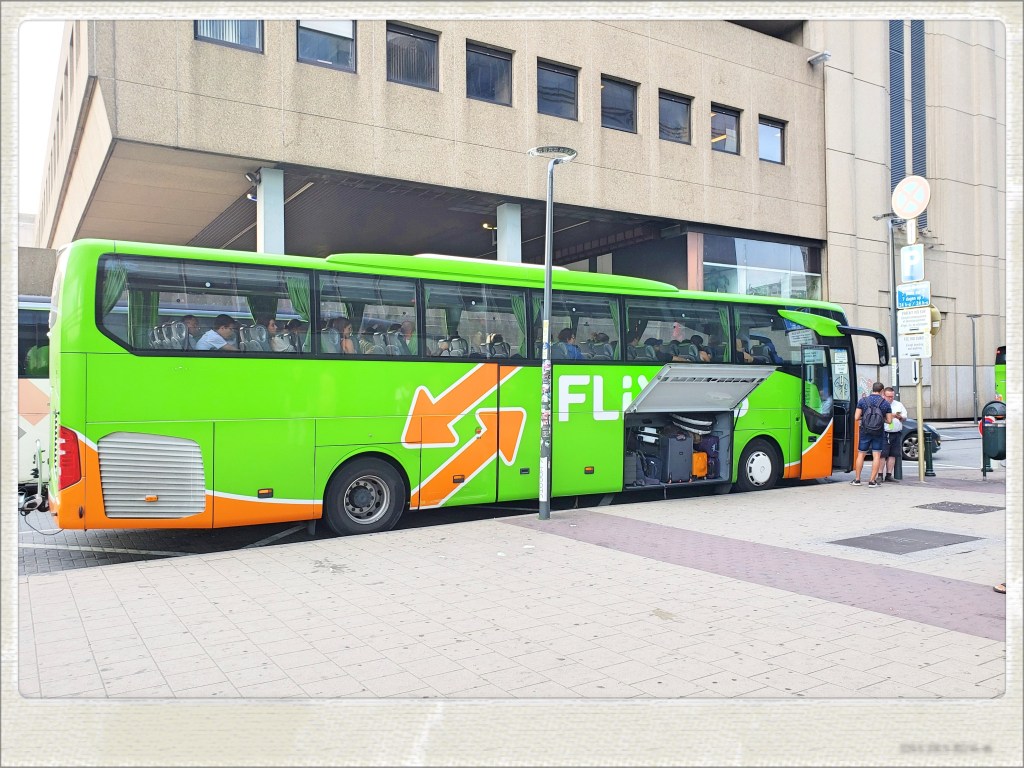
Before that day, I’d not given a try to any European’s intercity bus service except for that of Flixbus.
As far as I’ve experienced so far, not only does Flixbus cost much less than intercity trains most of the cases, it also offers more flexible schedule.
However, I always went crazy because of its seating assignment. Passengers were allowed to reserve a seat for an extra charge for about £5. However, there were chances that my reserved seated would have already been occupied by someone else as I got on the bus. And in a worst case scenario, the people who occupied my reserved seat refused to return it to me.
In view of that, I tried not to reserve any seat. Then the problem turned out me being asked to return the seat to the one who had reserved it. Most of the times those were the passengers who boarded in the midway stops.
These experiences were really distasteful.
One more disadvantage of taking Flixbus is that the actual traveling time may vary a lot subject to the traffic condition. Take my journey from Brussels to Rotterdam as an example, the bus was supposed to arrive in Rotterdam at 11:50 but it ended up being late for 30 minutes because of the traffic jam near Antwerp.
Zuidplein (South Square)
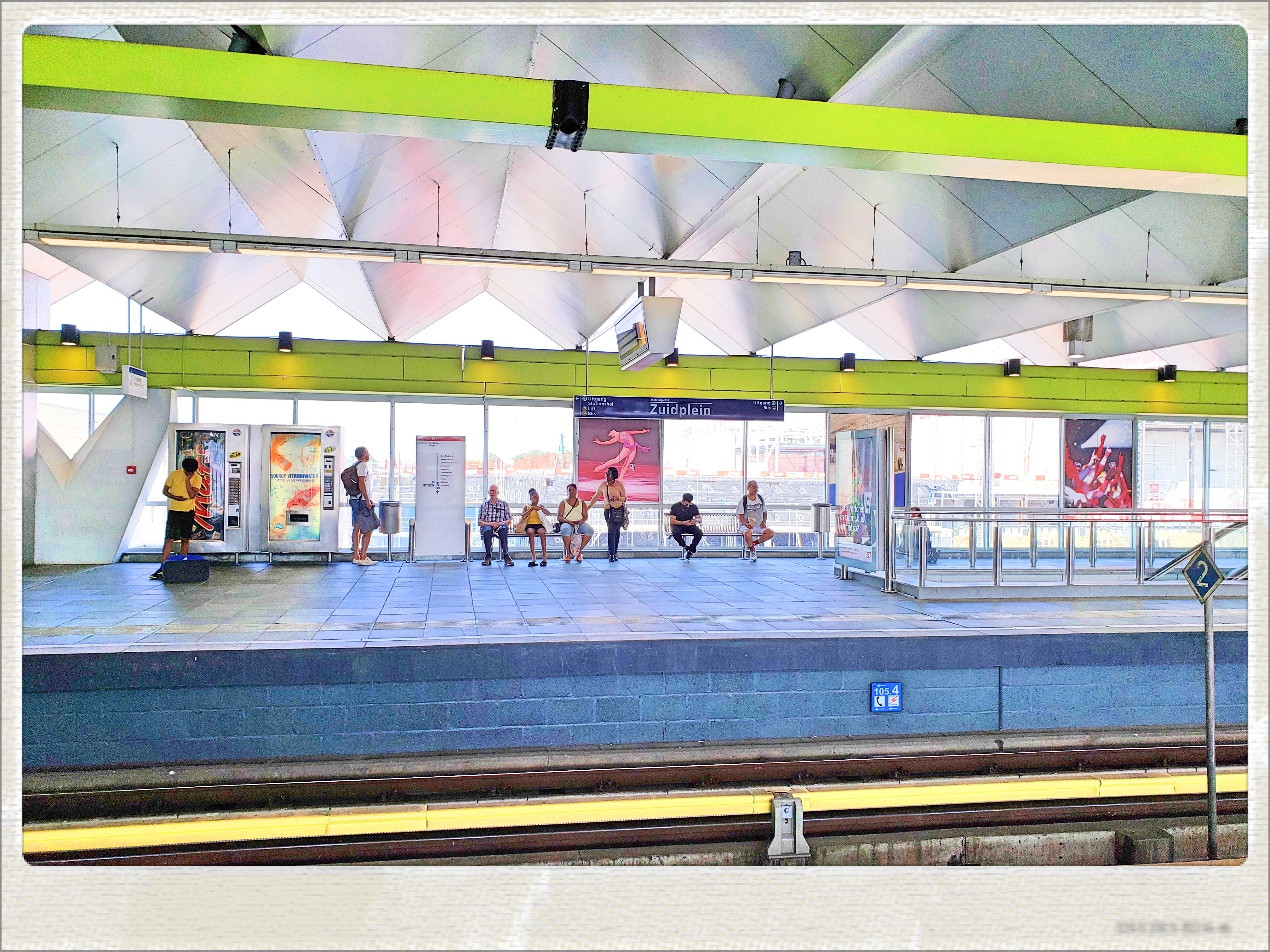
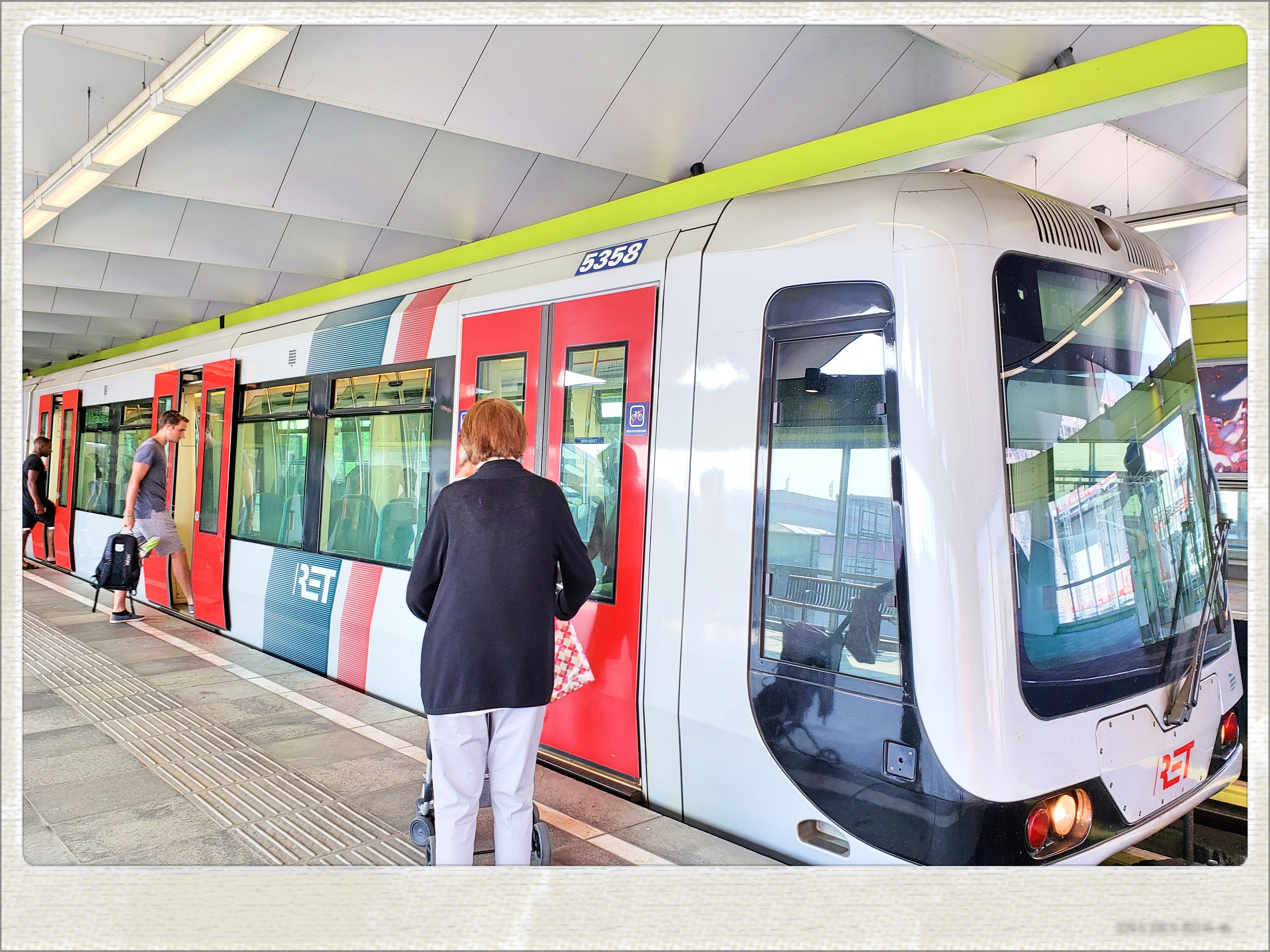
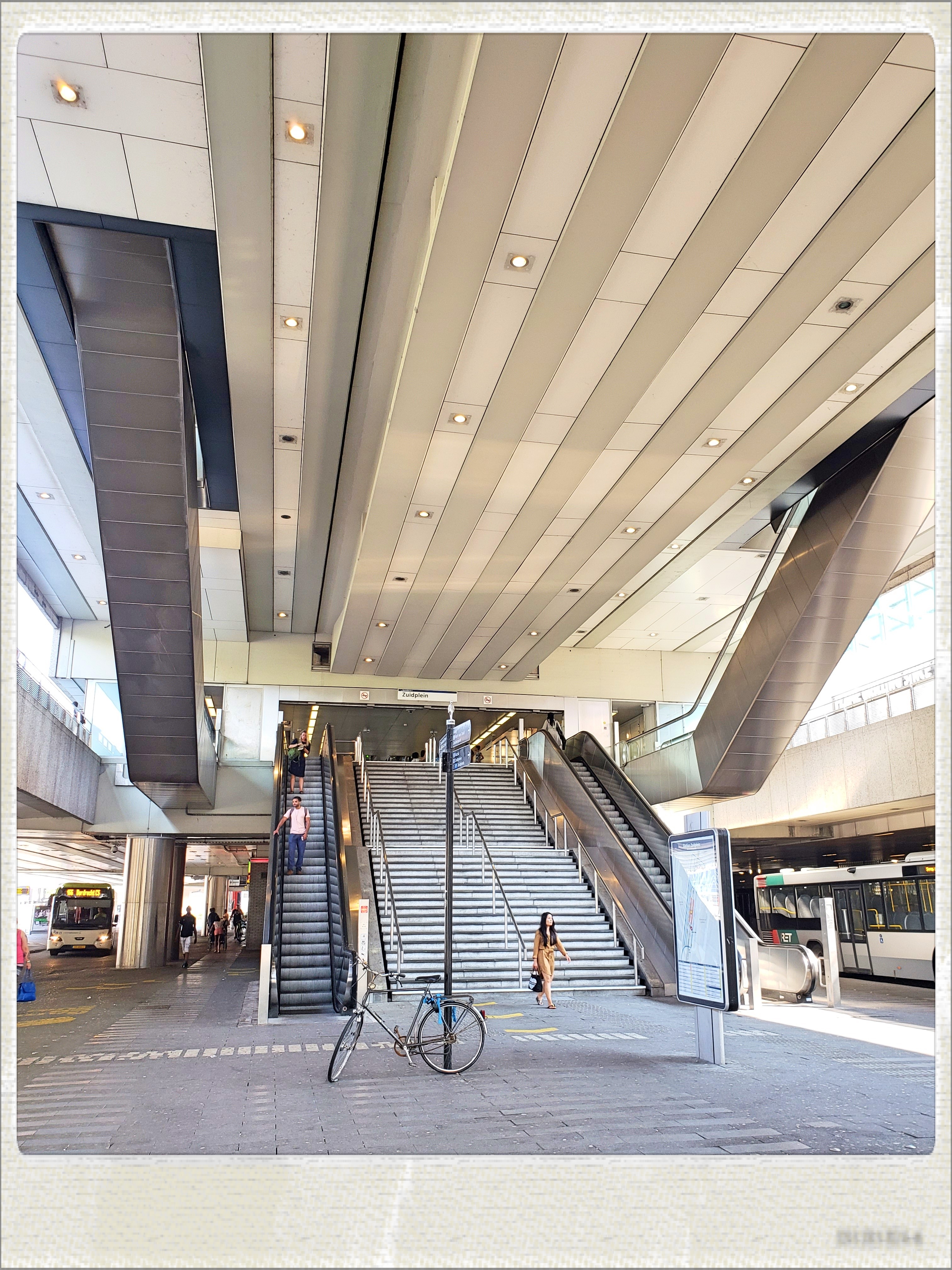
As one of the passengers whose destination was Rotterdam, I was dropped off at the Zuidplein Station. At which, I headed towards the city centre by metro. The one way ticket costed £4 which was a little more pricey than expected.
The train was running on the elevated tracks before entering the tunnel section in the city centre which offered some amazing views of the city.
Blaak Station
I got off at the Blaak station which is a railway and metro station located at the centre of Rotterdam. Many of the celebrated tourist spots like the Cube Houses, Markthal (Market Hall), Hoogstraat and Laurenskerk (St. Lawrence Church) were within a stone’s throw of it.
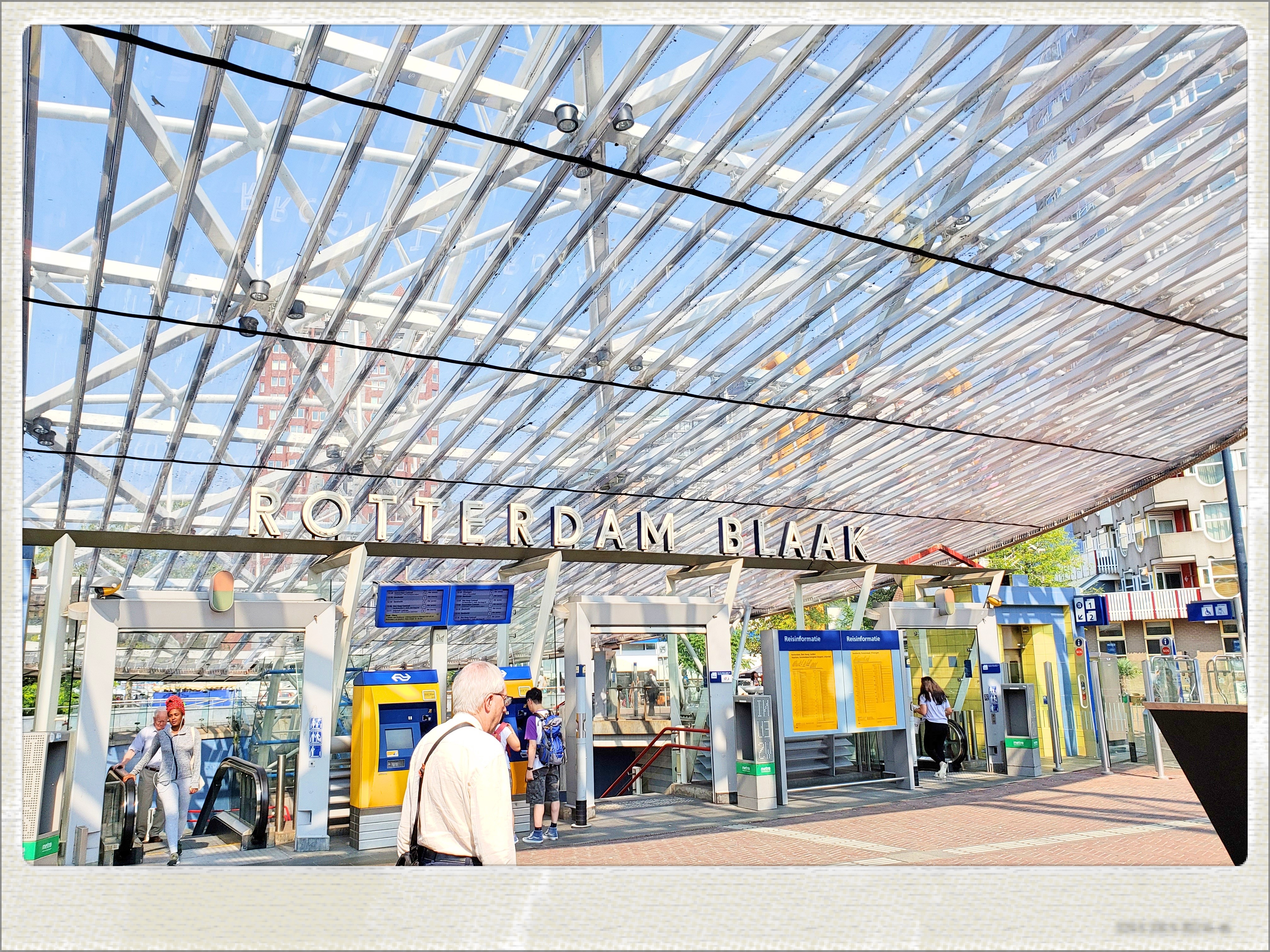
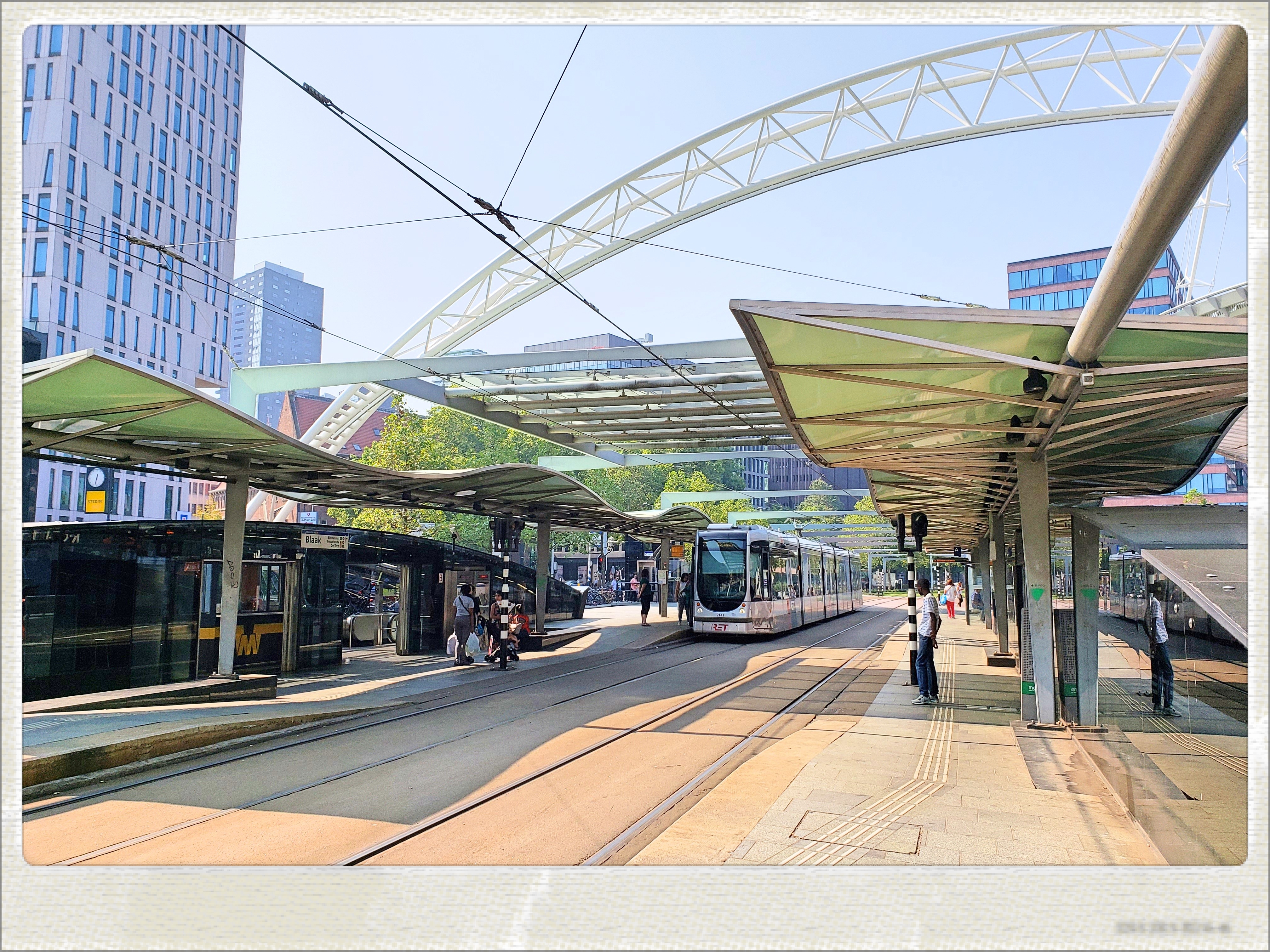
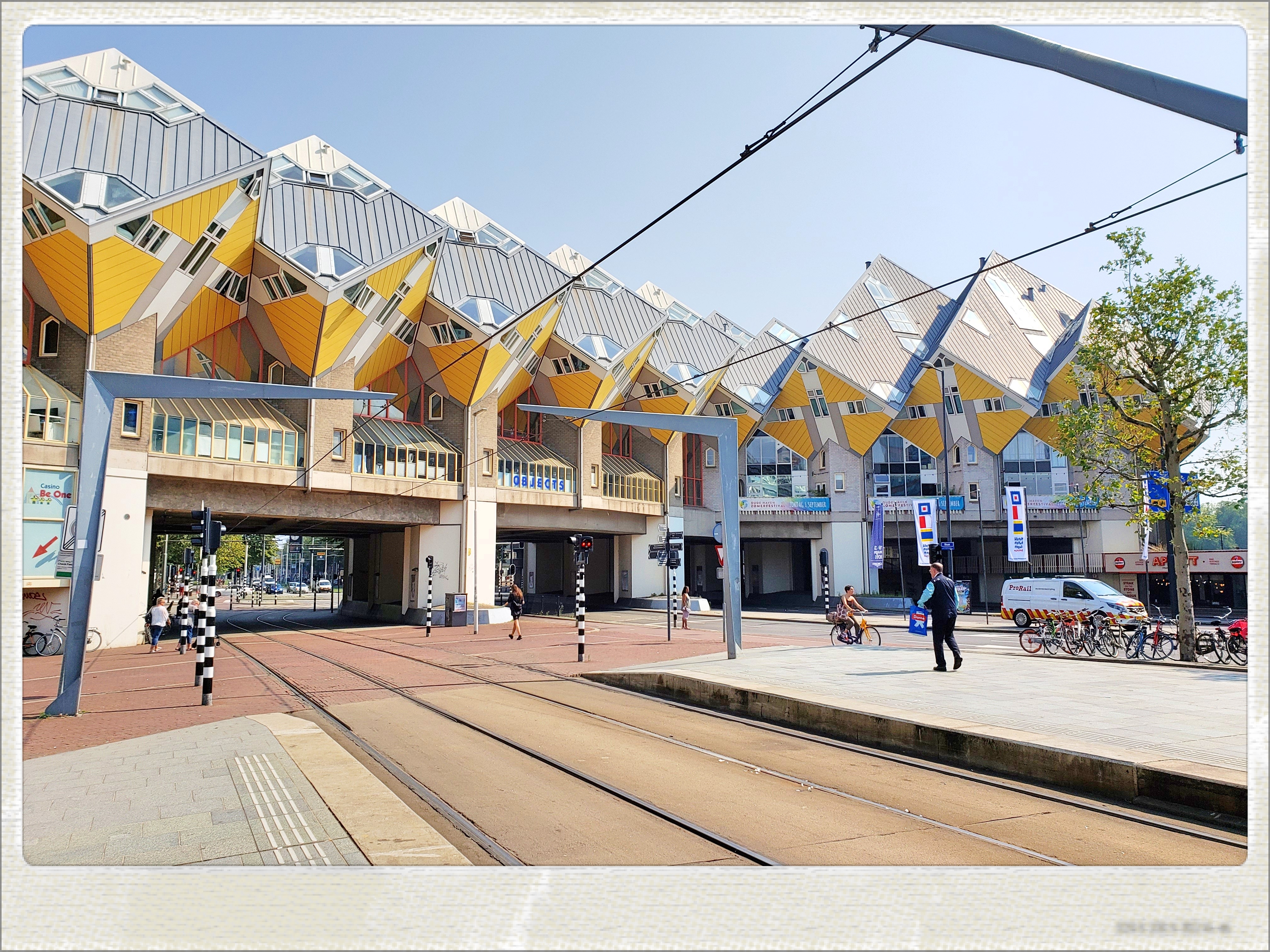
The Cube Houses
I were drawn by the Cube Houses as I left the metro station. According to Wikipedia, the design represents a village within a city, where each house represents a tree, and all the houses together, a forest.
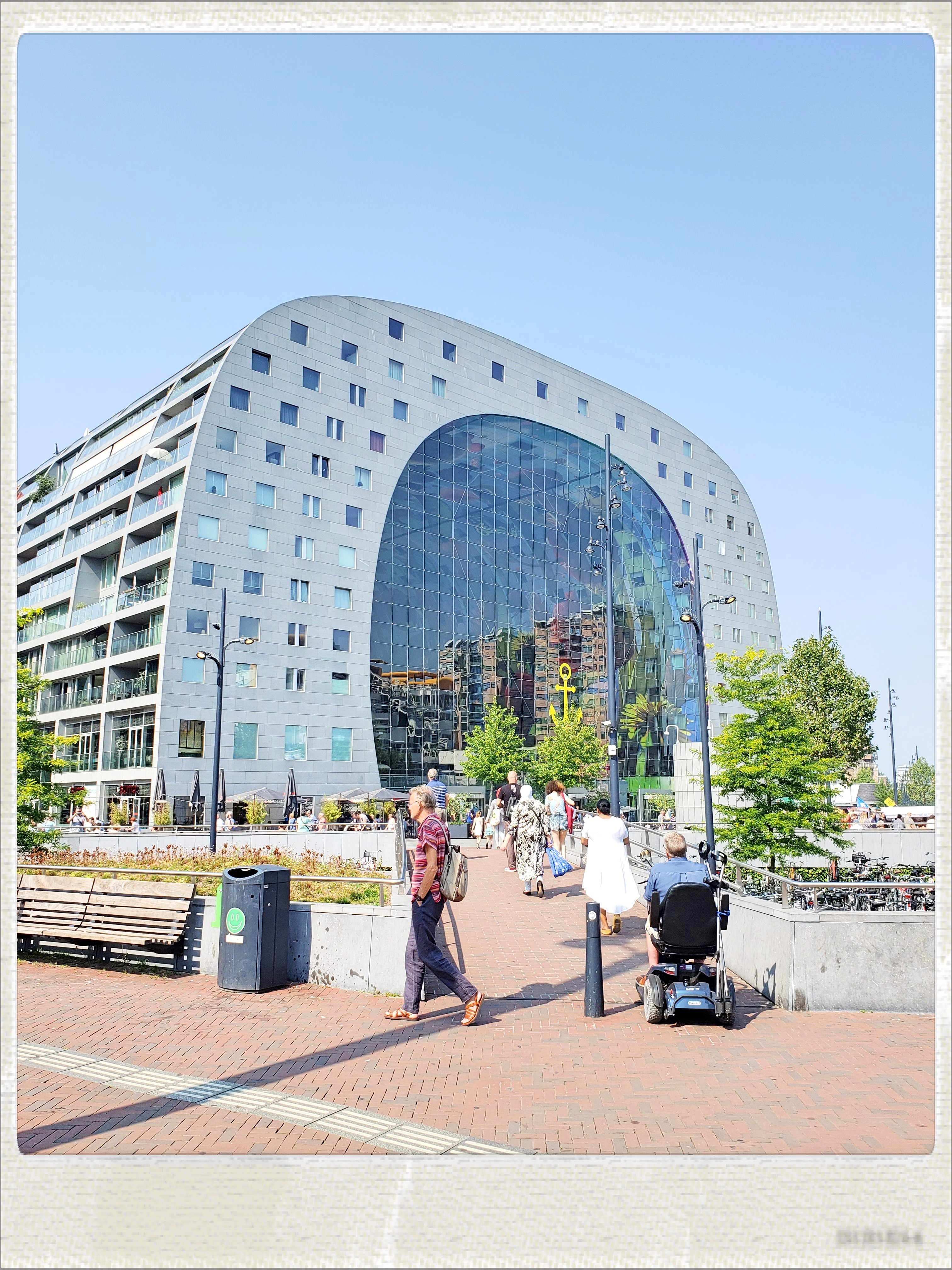
Markthal (Market Hall)
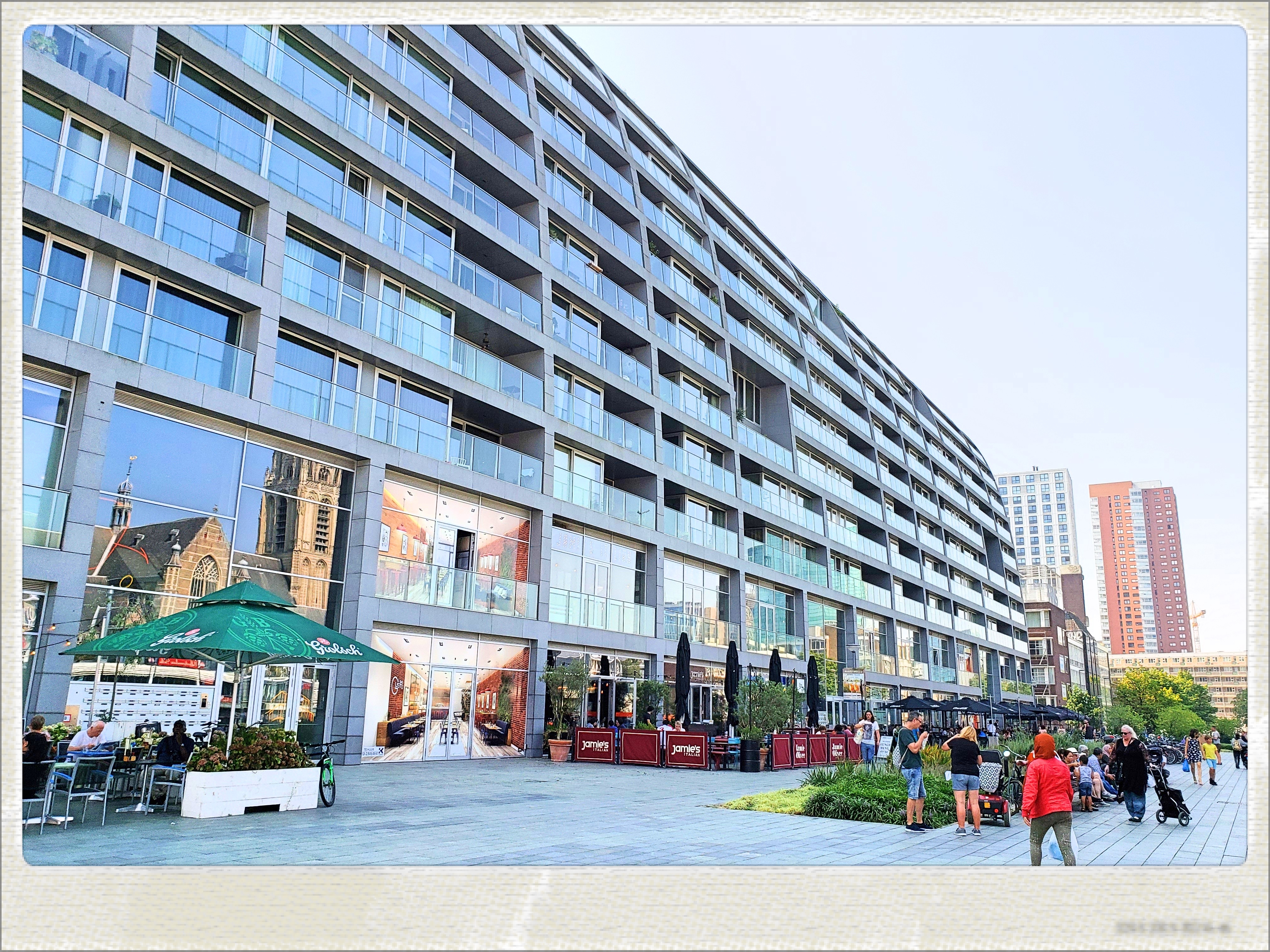
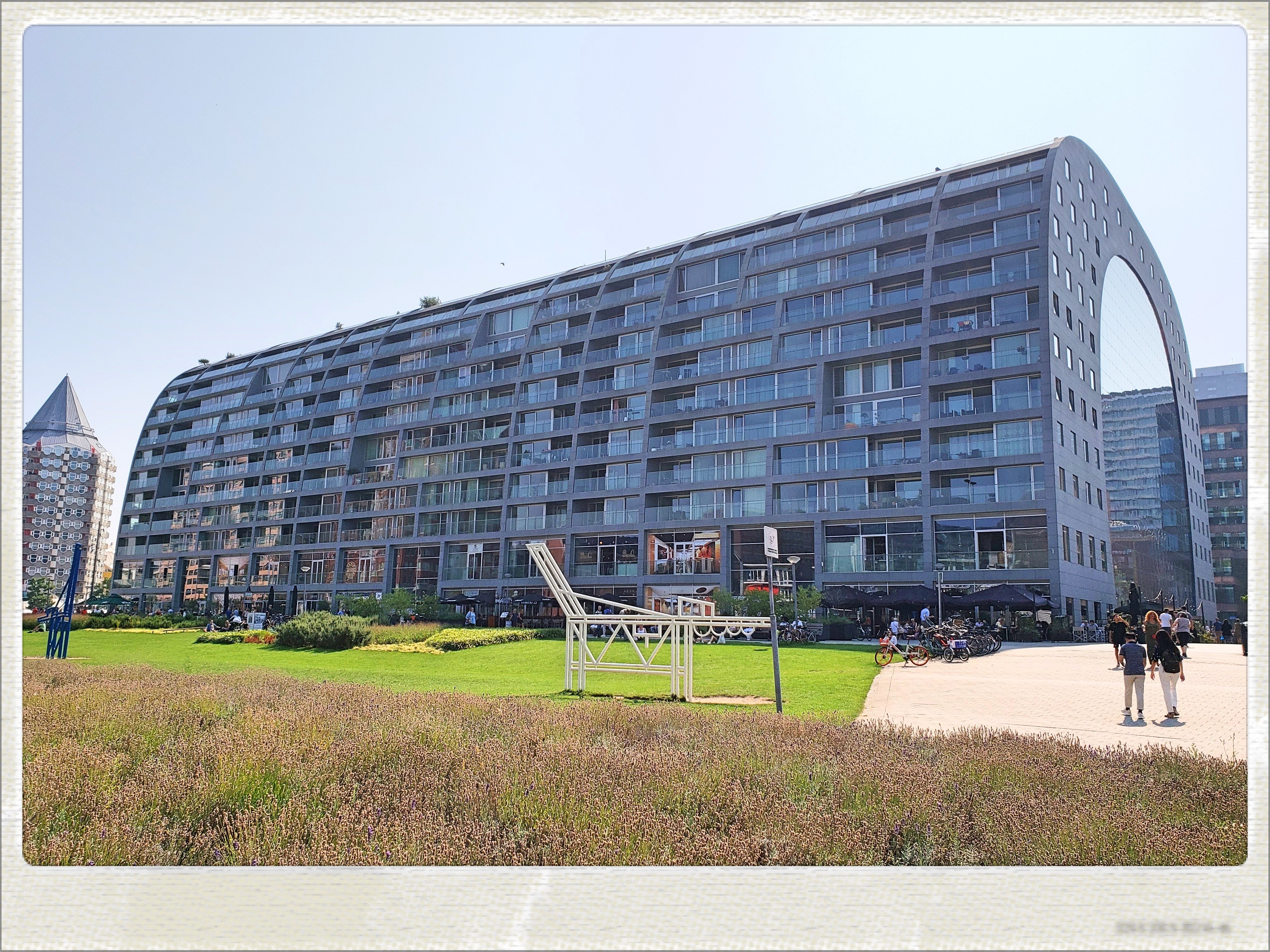
Being the largest structure in the area, there is little possibility of Markthal to remain unnoticed by anyone who passed by. The gigantic building looked like a giant swiss roll. According to Wikipedia, it’s made up of residential and office units with a market hall underneath.
Hoogstraat
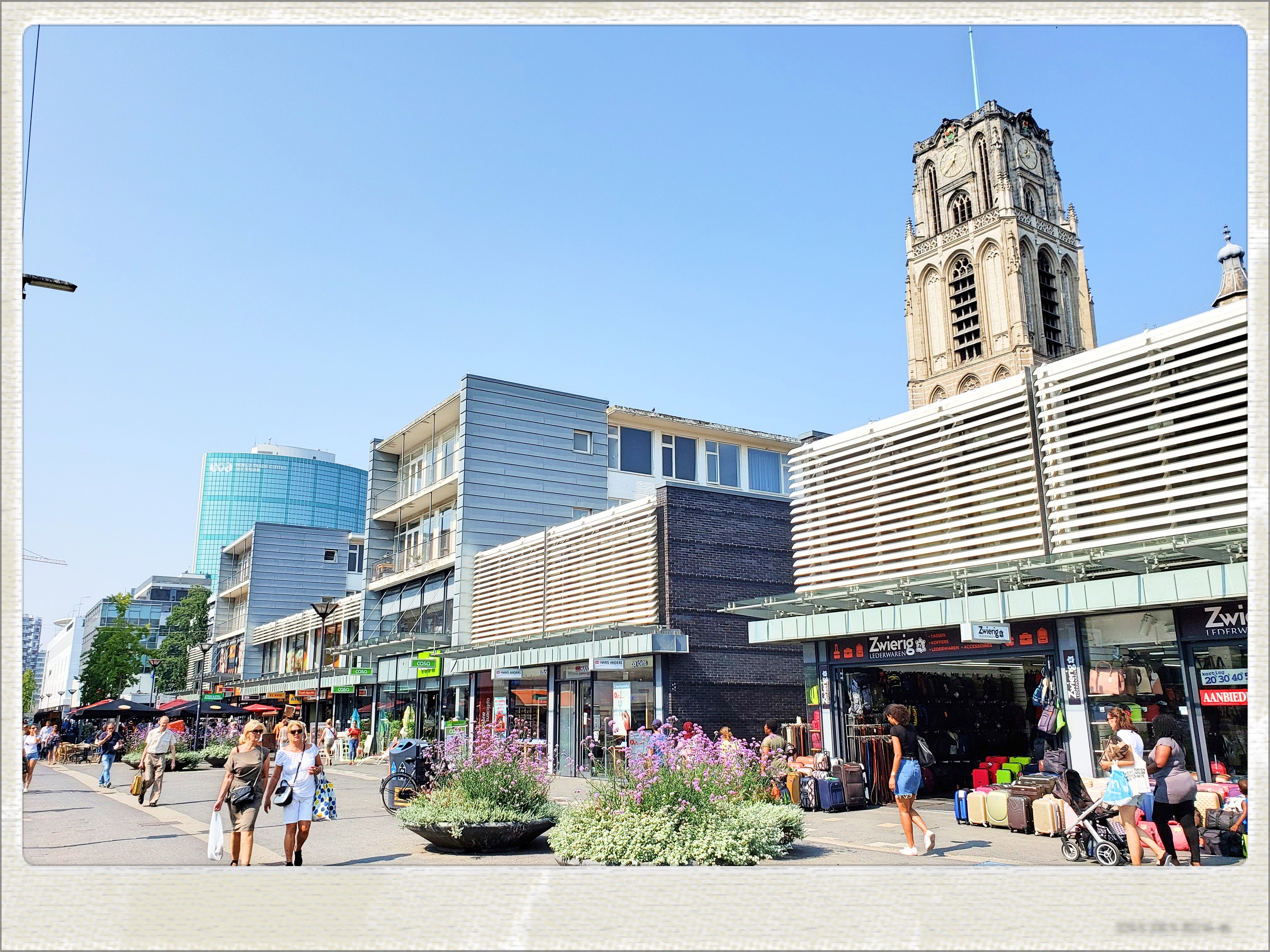
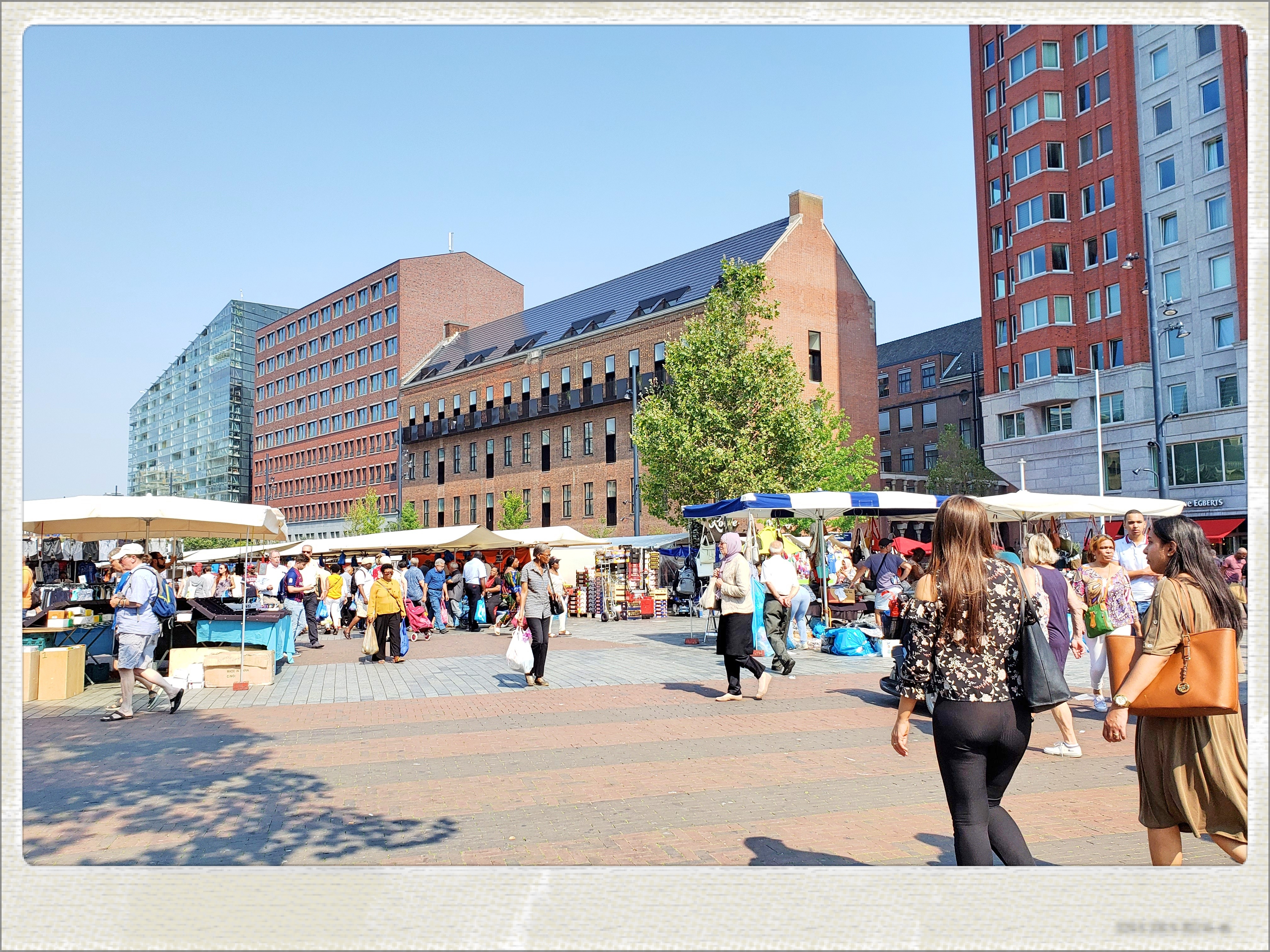
On the northern flank of Markthal was the vibrant Hoogstraat, one of the street markets in Rotterdam.
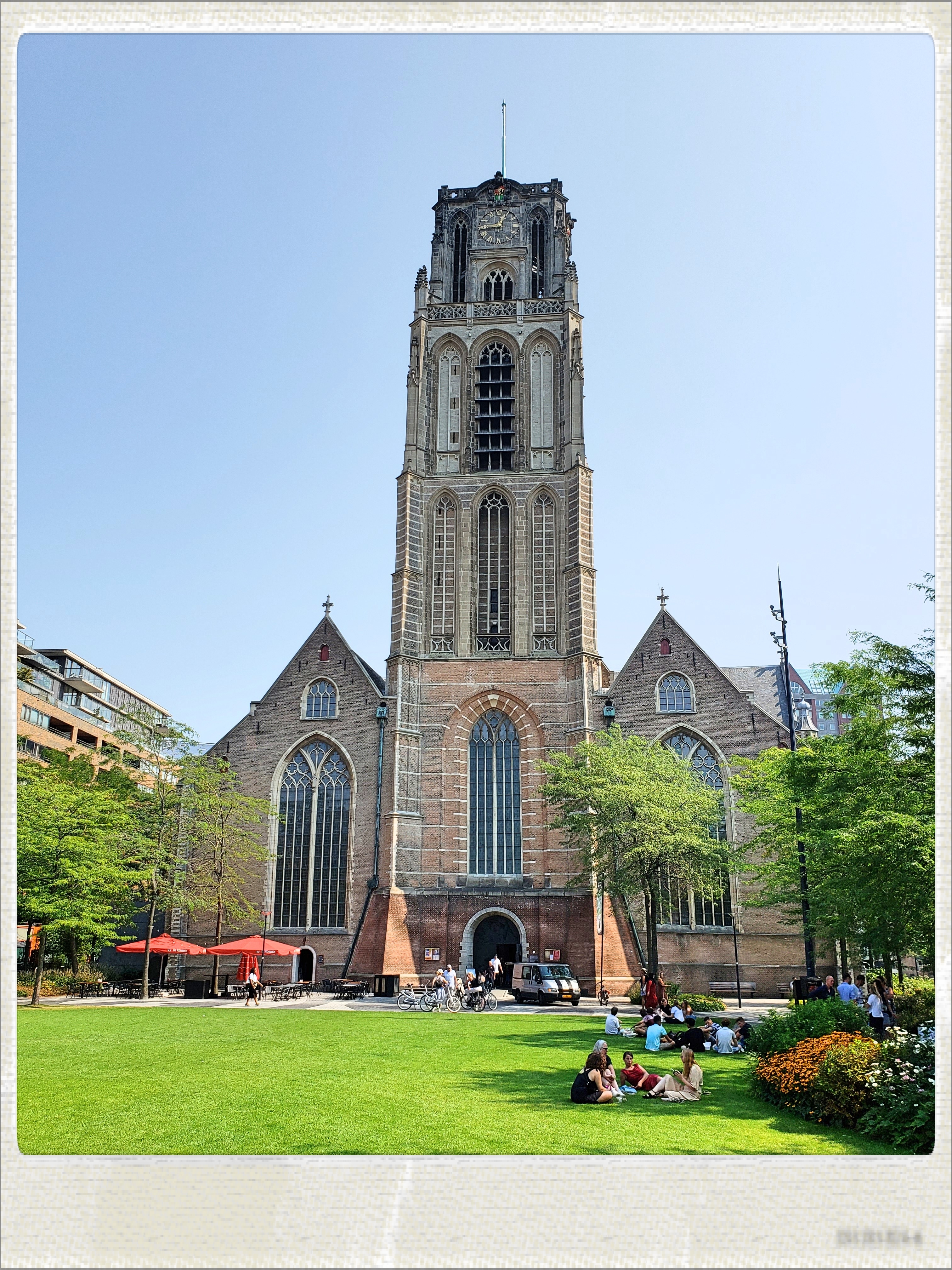
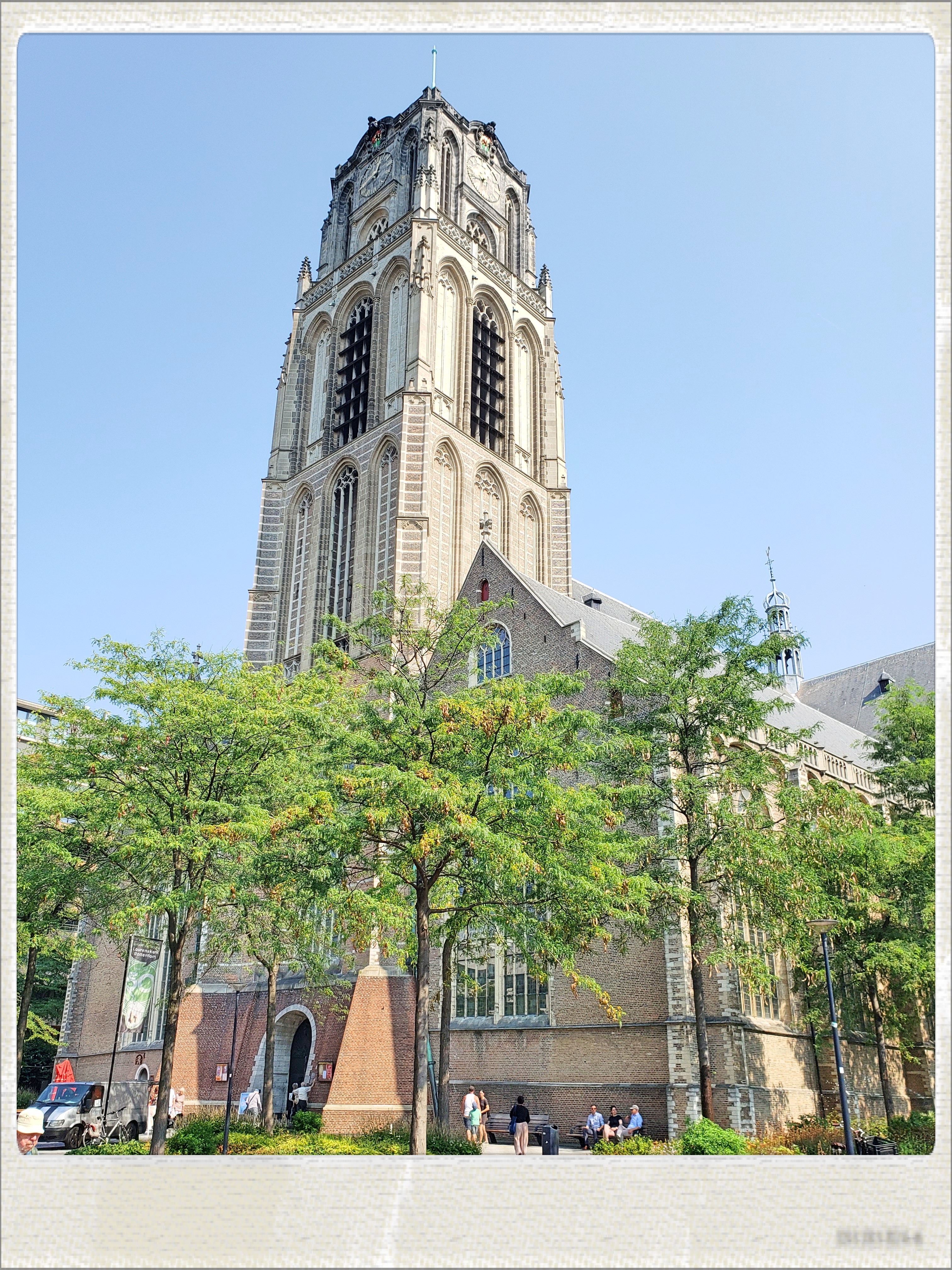
St. Lawrence Church (Laurenskerk)
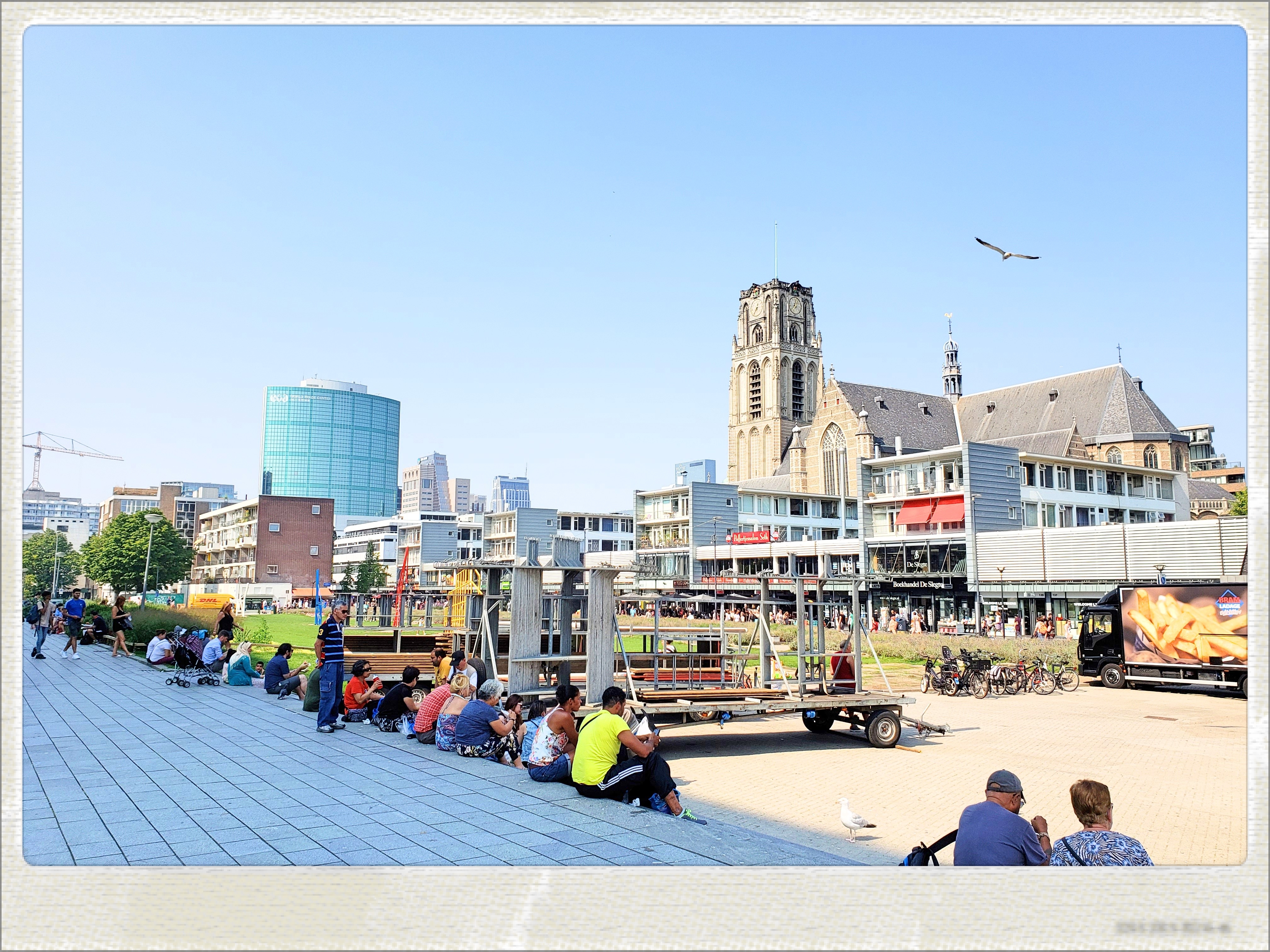
Despite being one of the most predominant structures within the area, St. Lawrence Church didn’t seem to have received enough attention that it deserved because I hardly saw any tourists gathering around it.
Delftsevaart
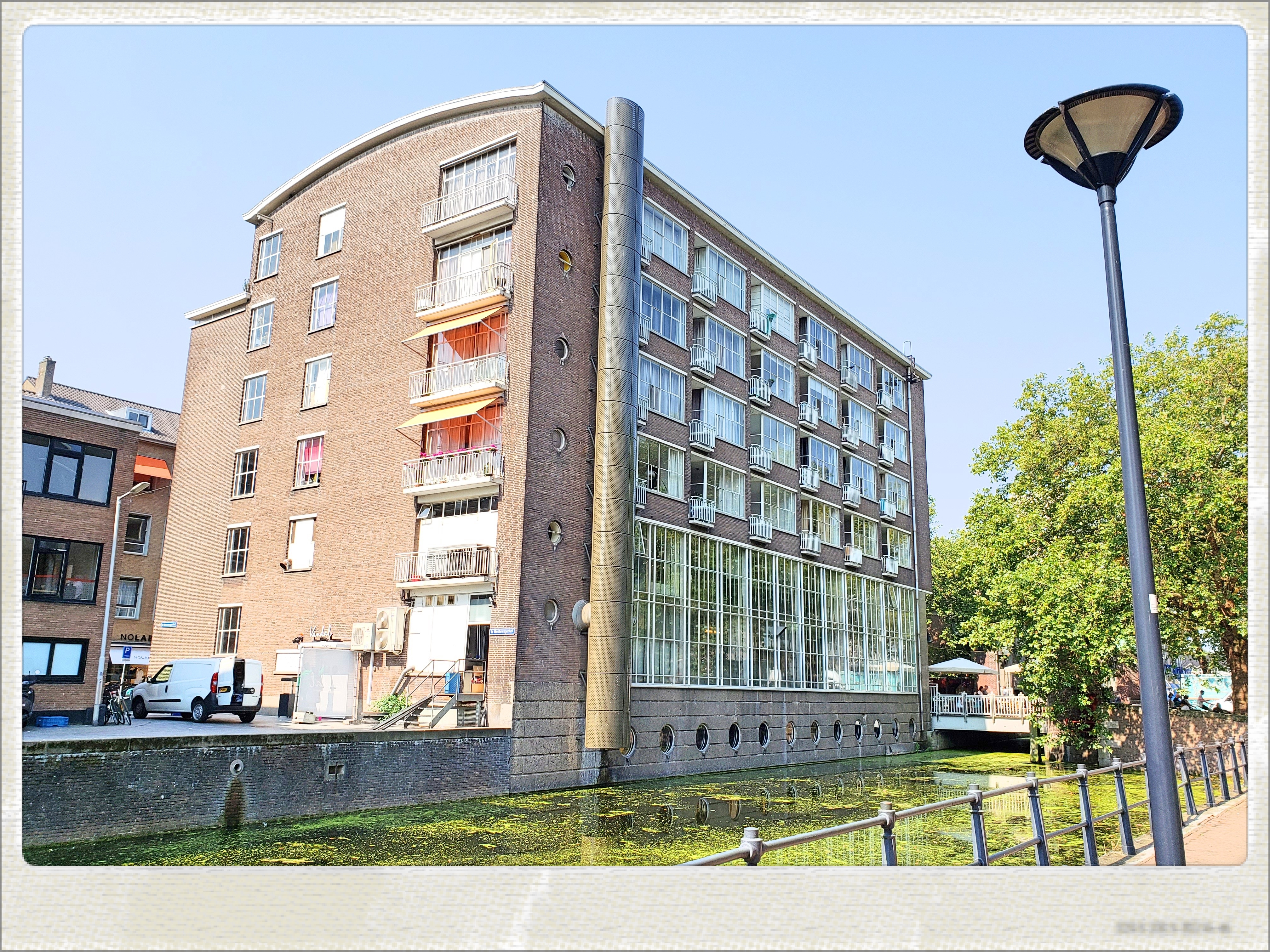
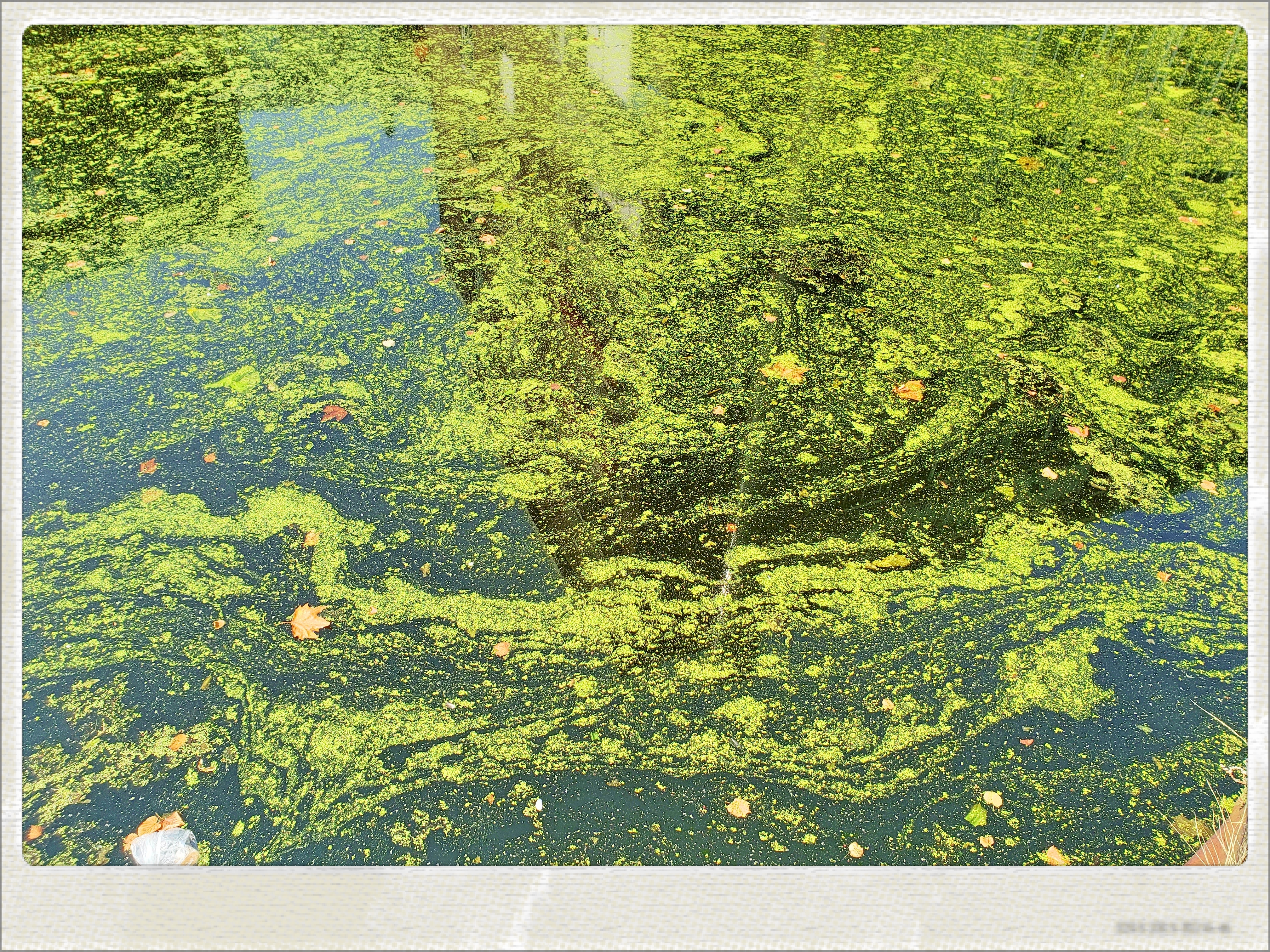
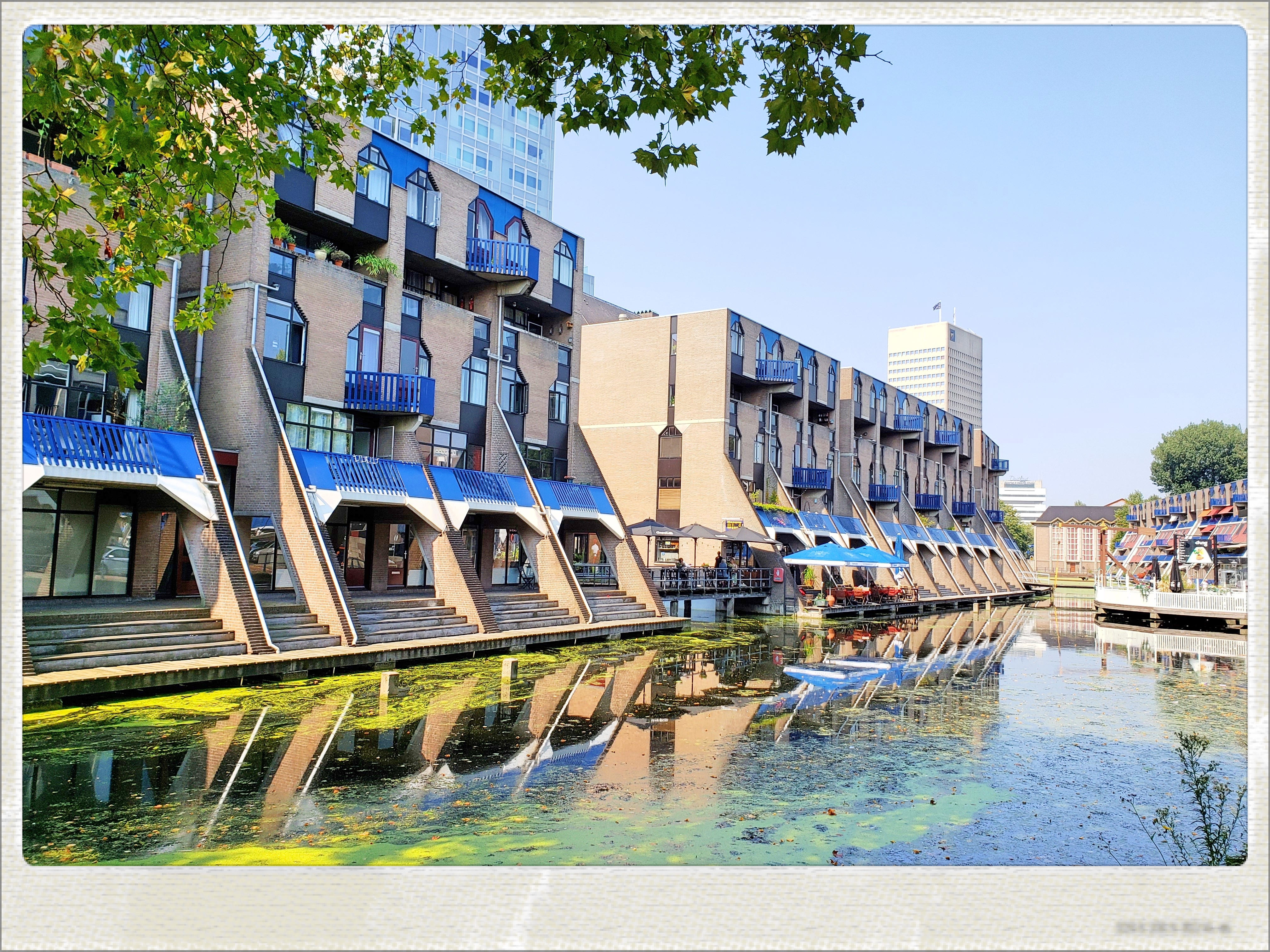
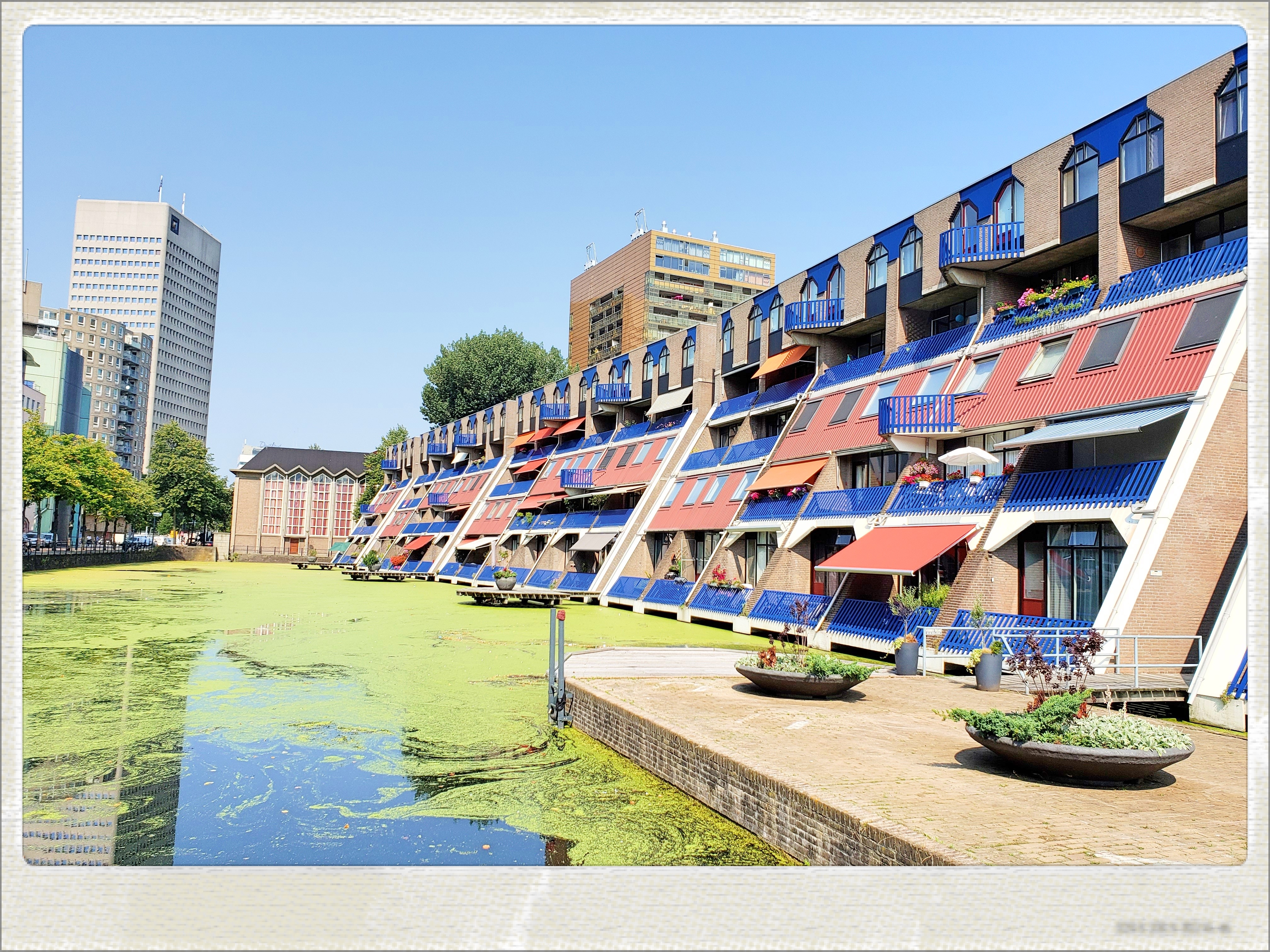
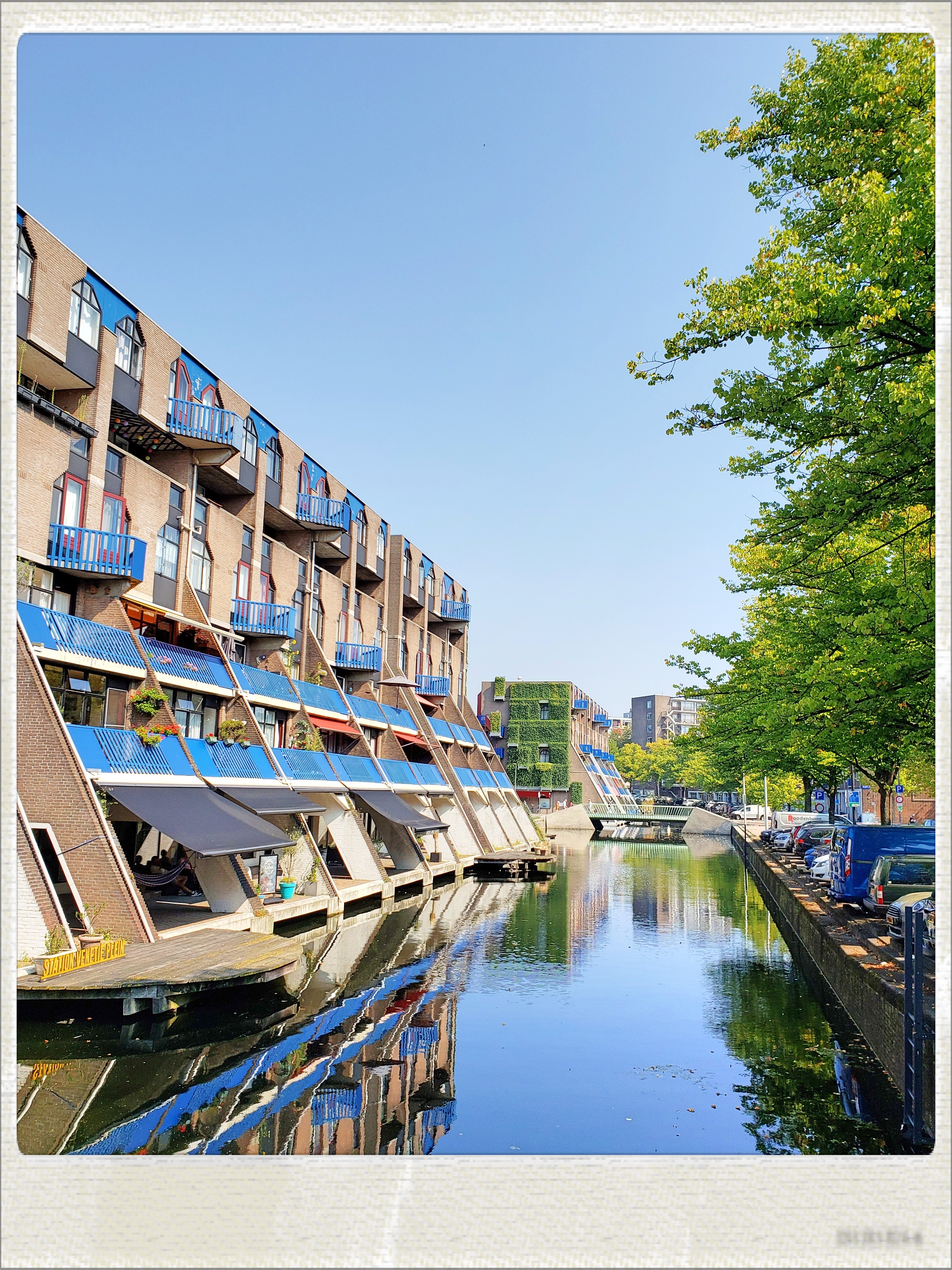
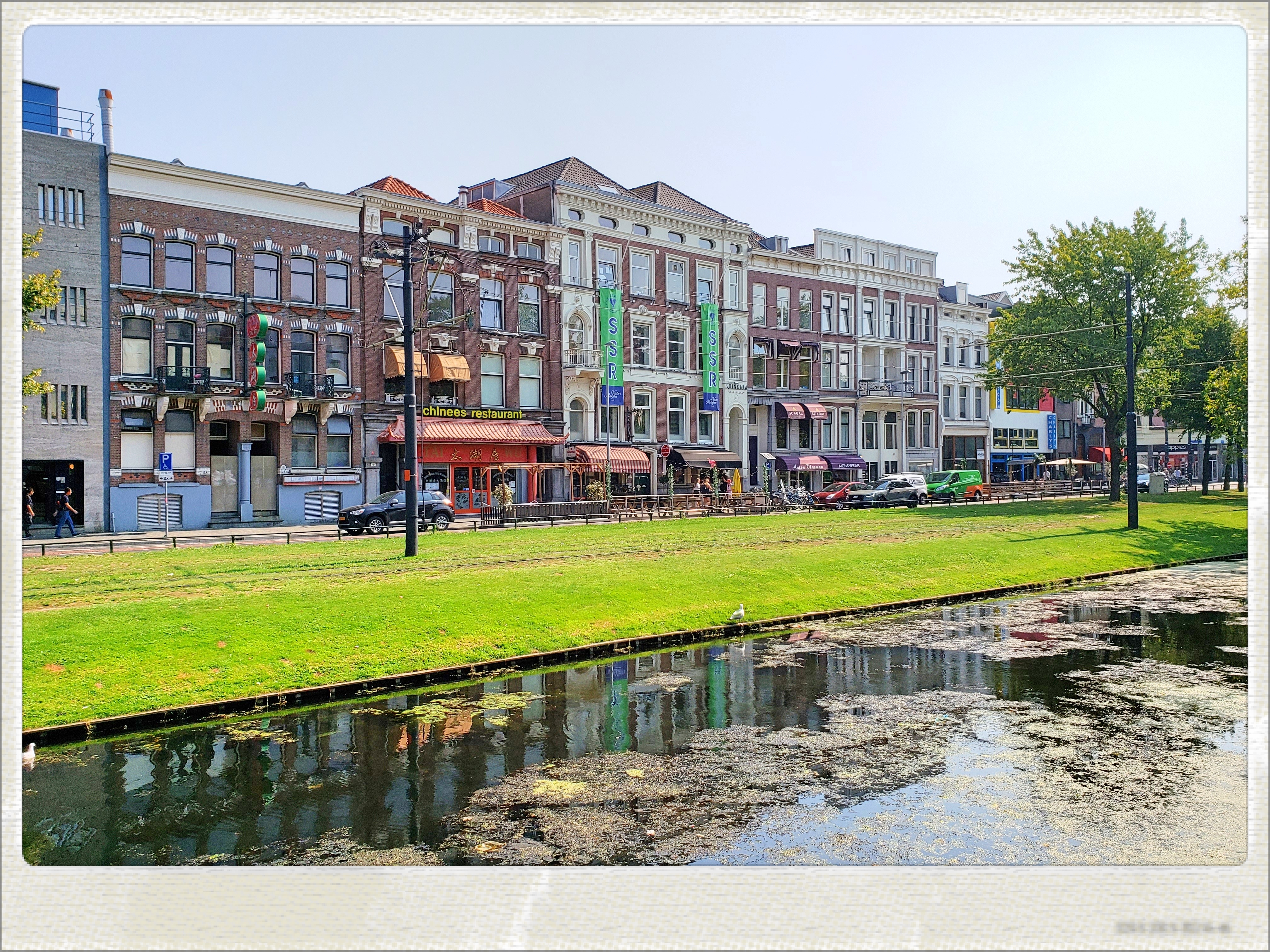
Delftsevaart is a canal to the northwest of St. Lawrence Church. It looked like a strip of green flat land, at a quick glance from far away. Why? Perhaps it had something to do with the proliferation of algae.
As soon as I crossed the Meent Street, I saw rows of trapezium-shaped residential blocks built along the Delftsevaart canal, which strongly reminded me of myself being in the Netherlands, the world-renowned expert on canals.
Stadhuisplein
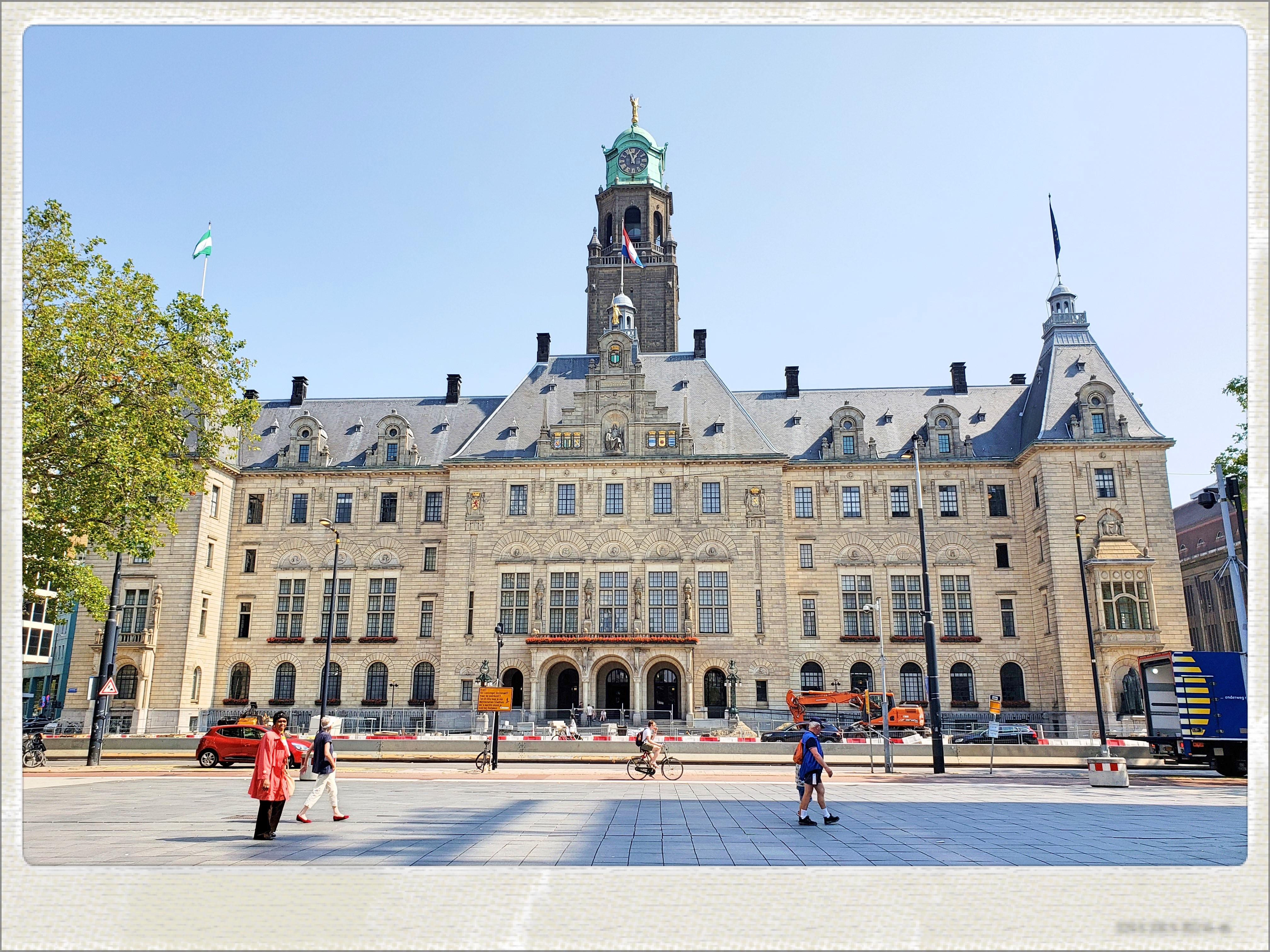
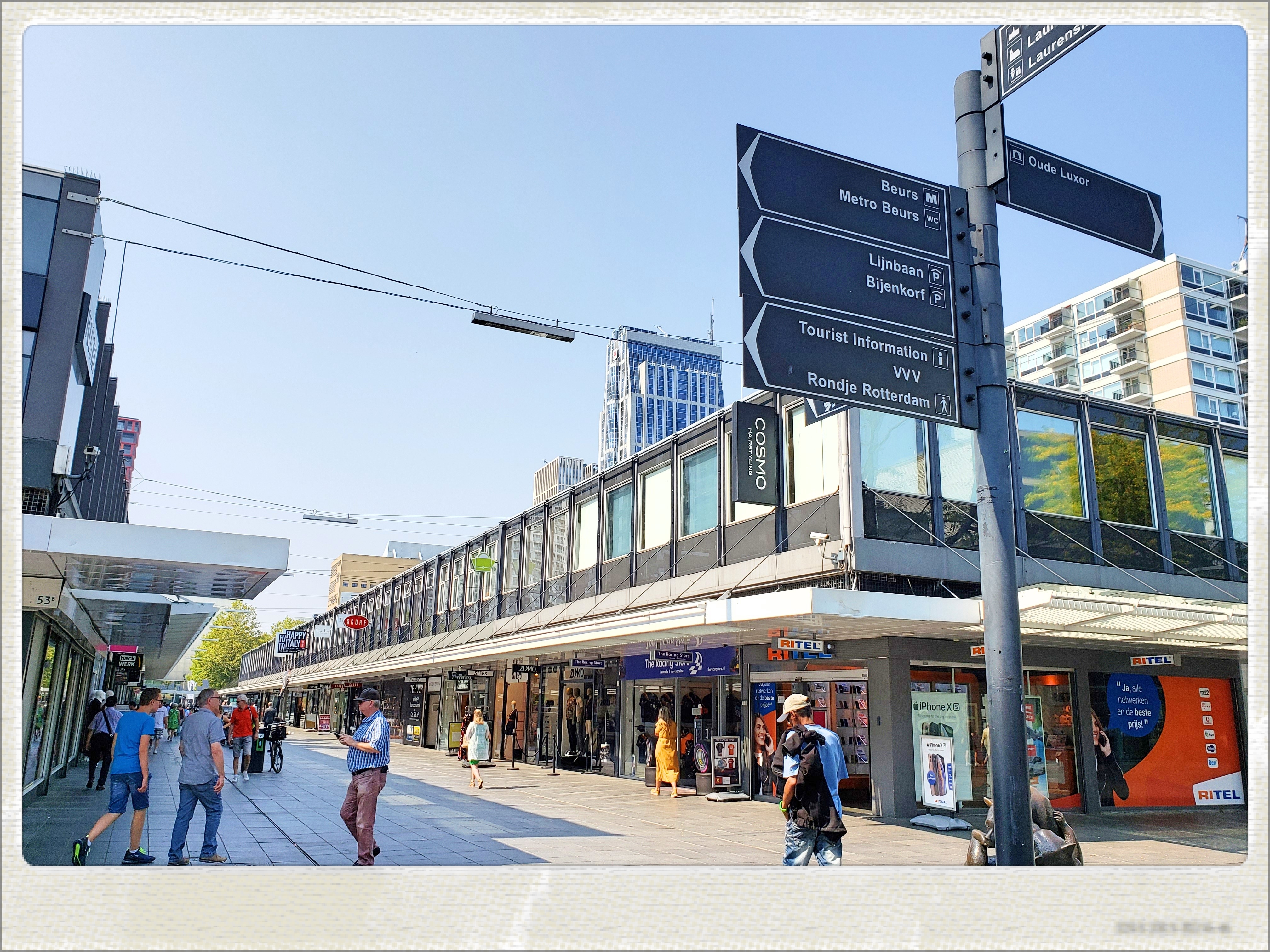
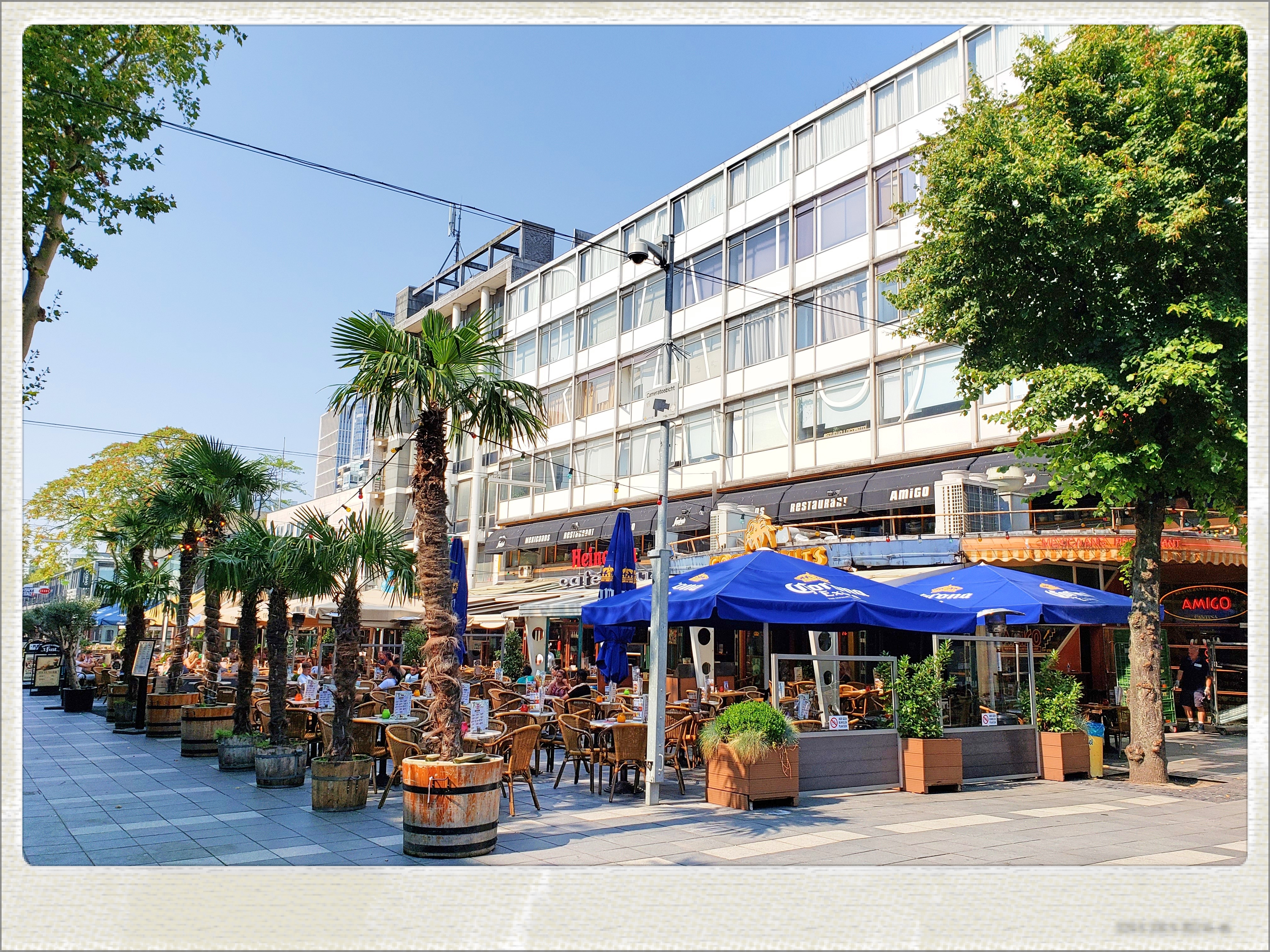
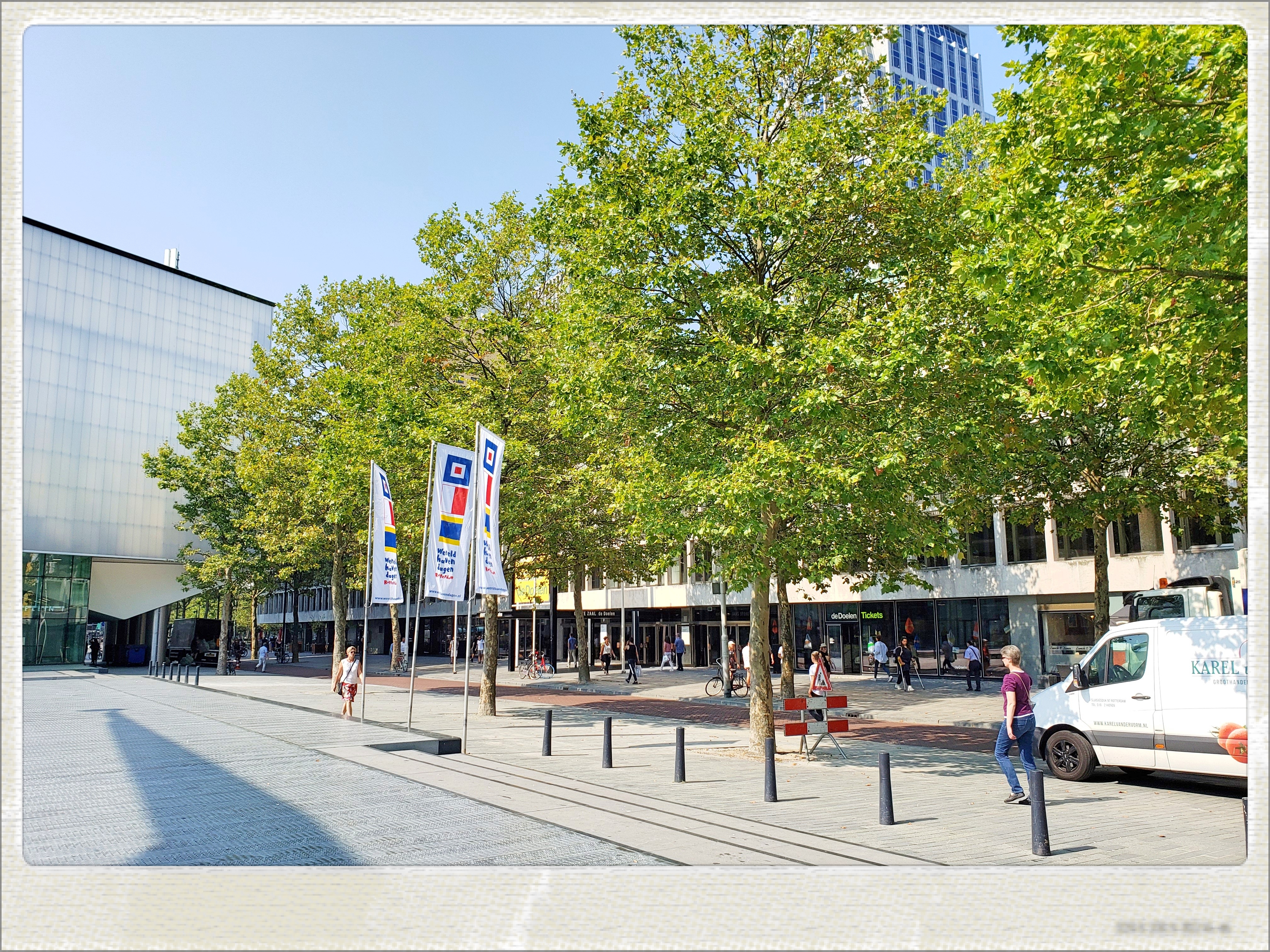
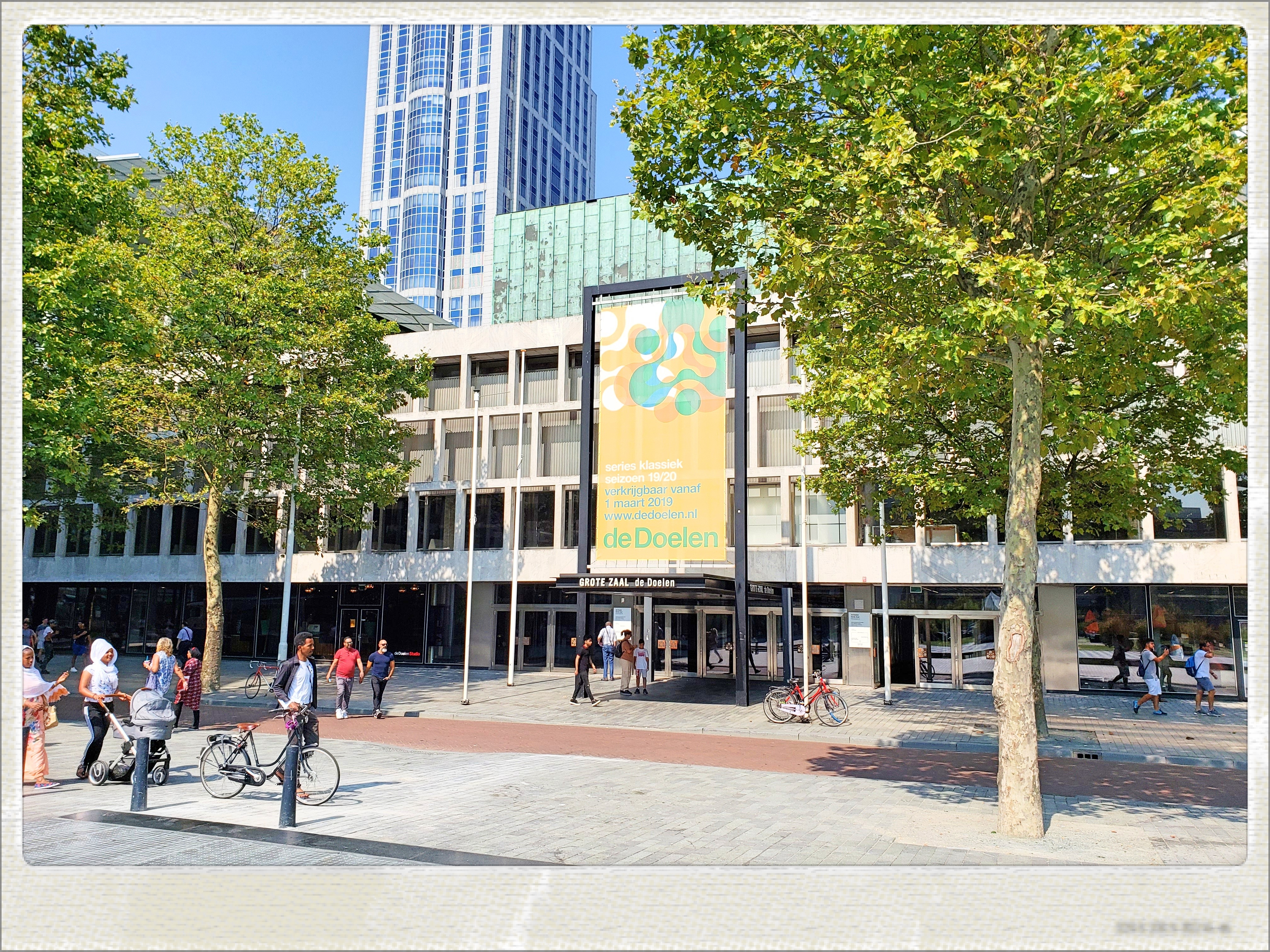
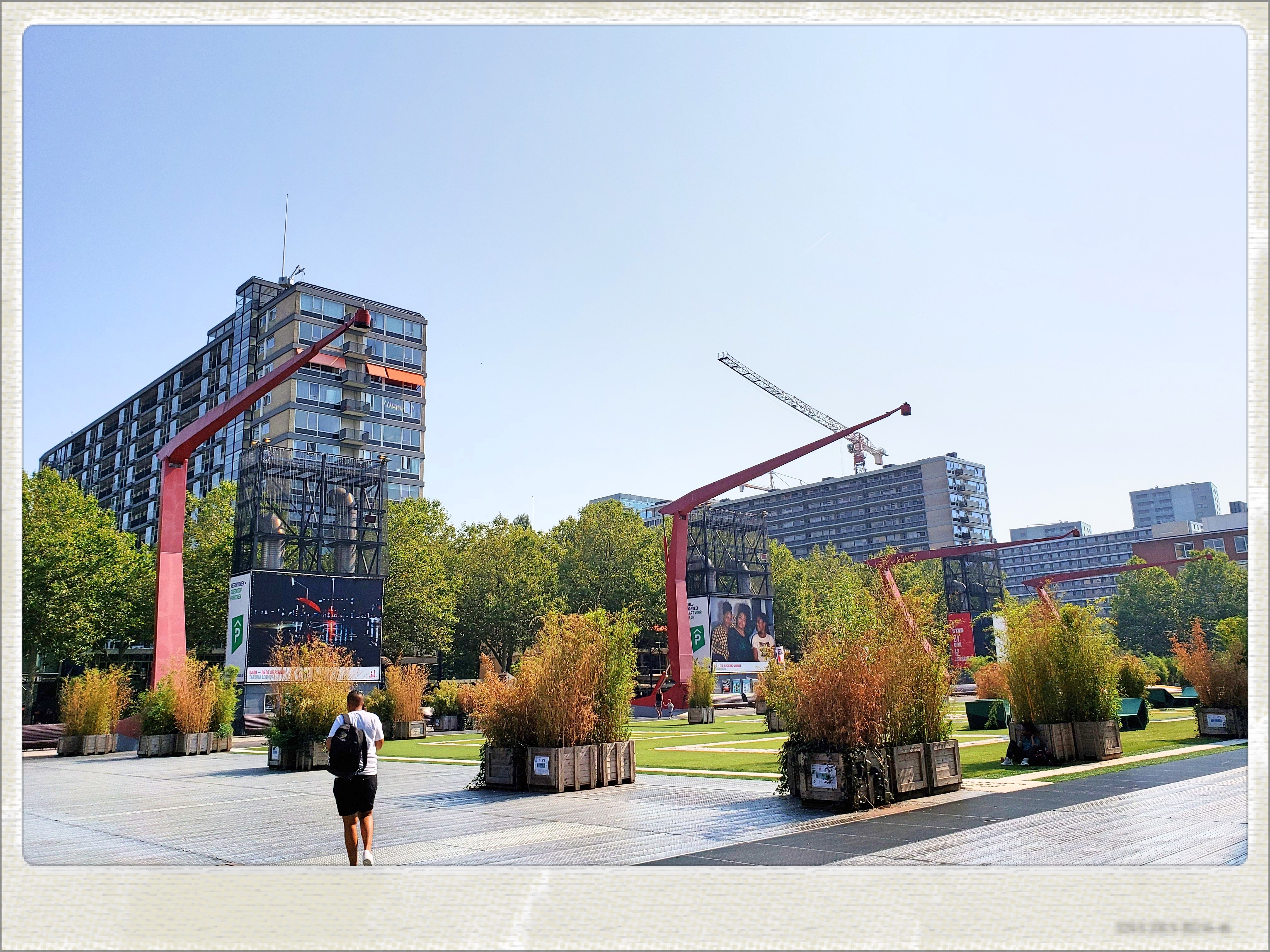
As soon as I passed by the imposing Stadhuis Rotterdam (Rotterdam City Hall), I started exploring Stadhuisplein, a pedestrianized area loaded with bars, restaurants, shops and malls.
Fire Boundary (Markering van de brandgrens)
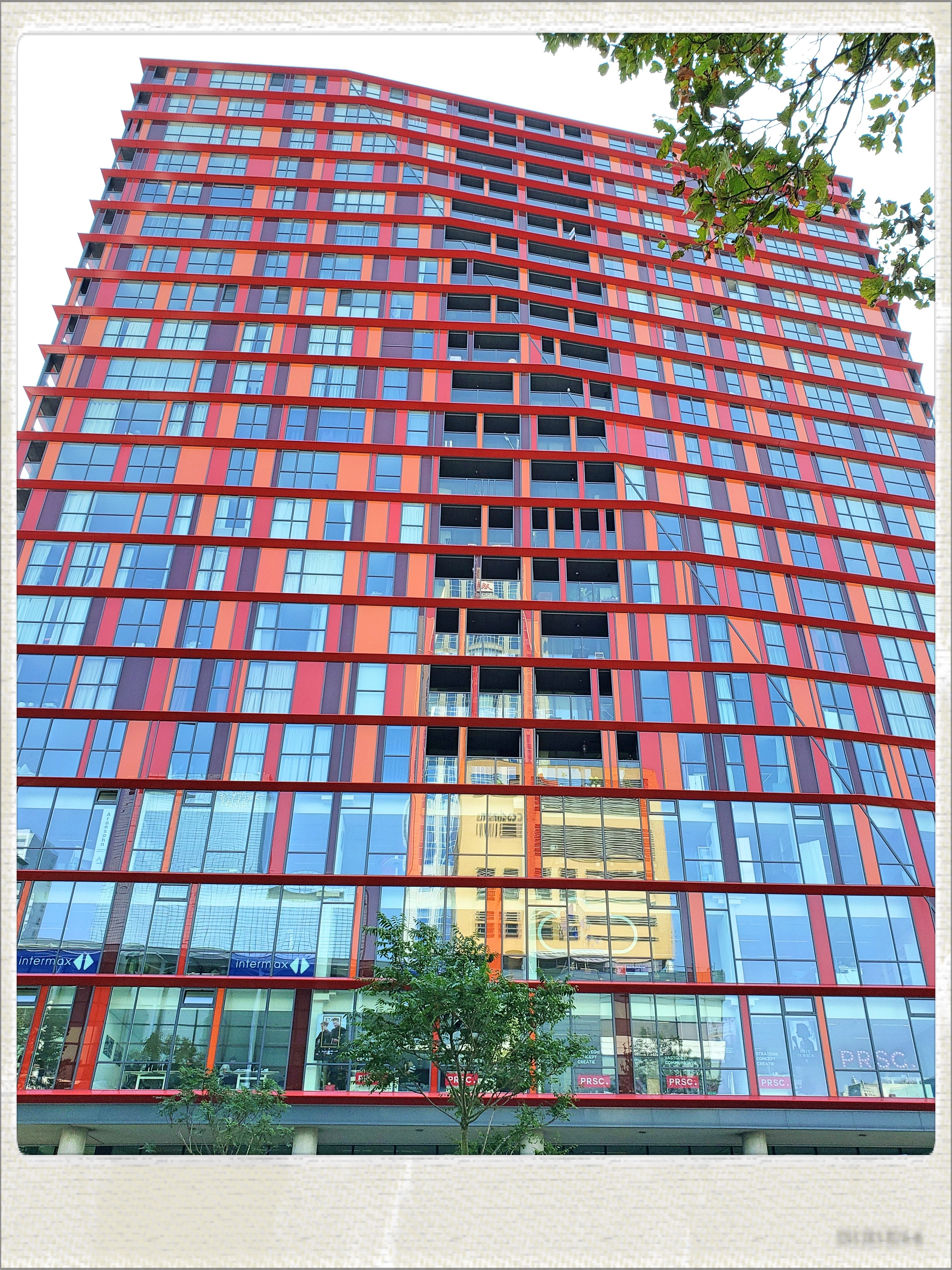
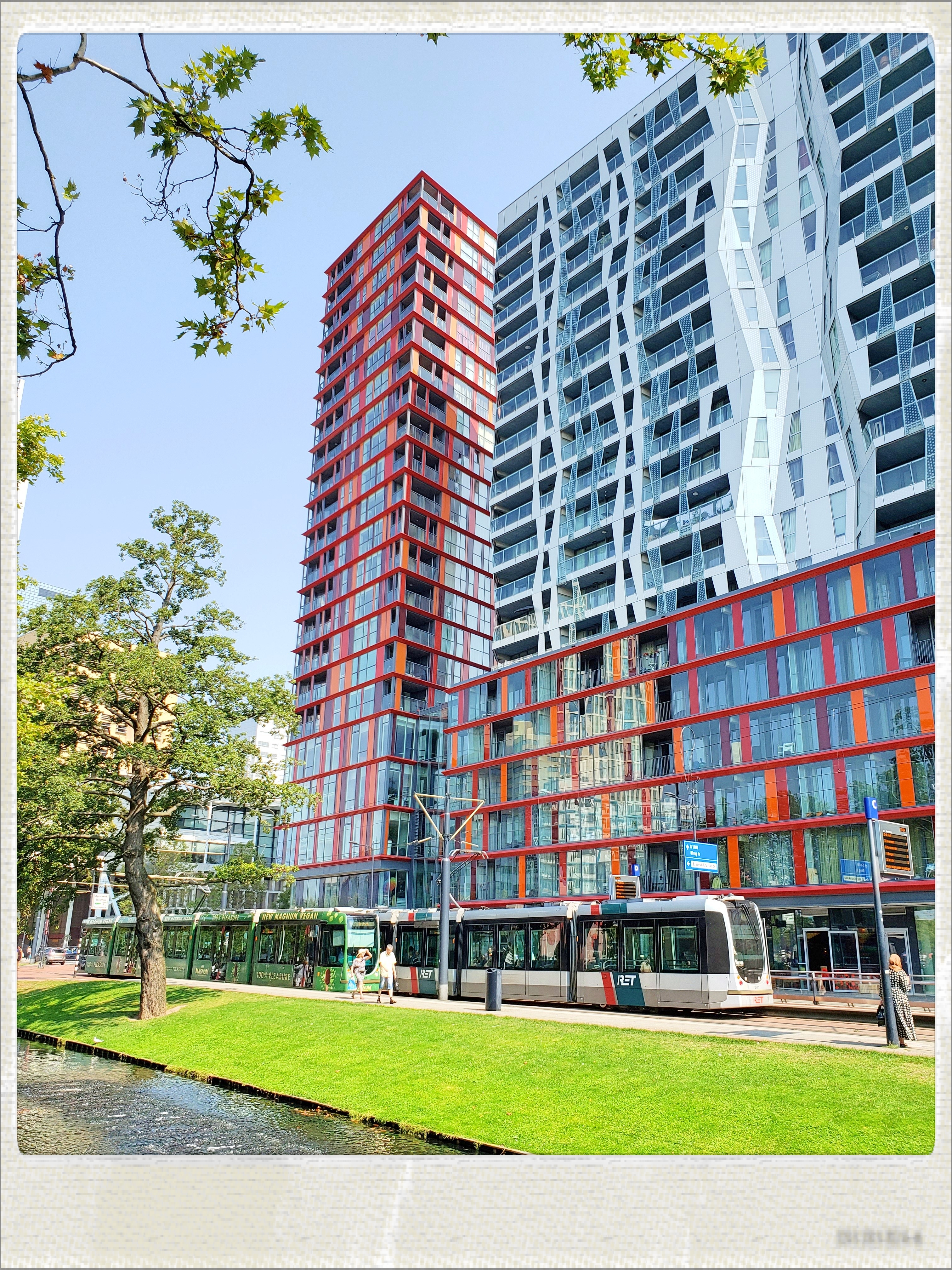
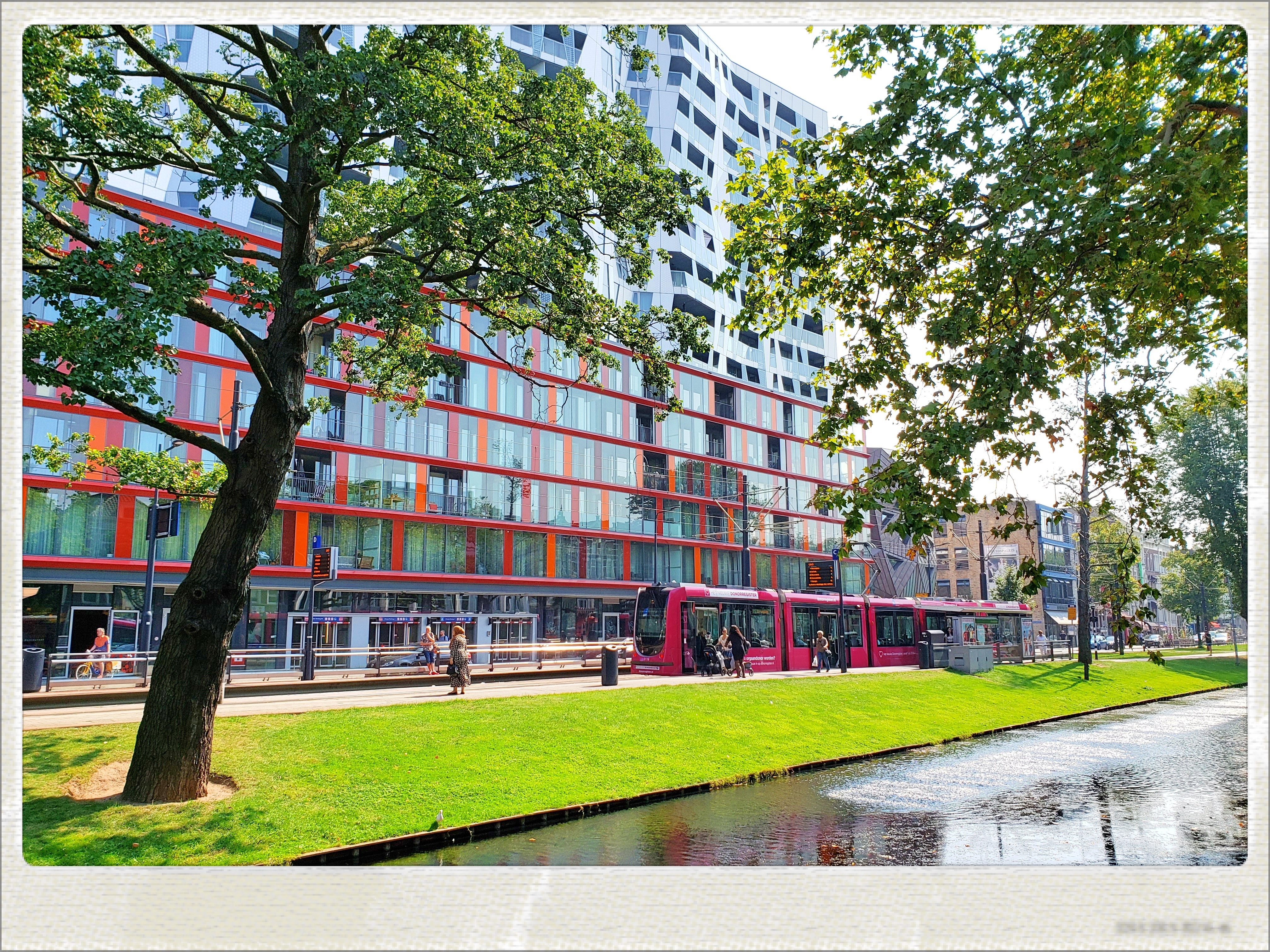
What drew my attention here was nothing but the flaming red building, the state-of-the-art tram cars and stops and the stream bordered by the lush park.
However, I later on realized that this junction is actually part of Markering van de brandgrens (‘Fire Boundary’) , a historical landmark of Rotterdam.
On 14 May 1940, a German bombardment of less than a quarter of an hour destroyed the centre of Rotterdam. The city then burnt for days. Later the periphery of the bombardment is coined ‘Fire Boundary’.
I am blessed to be born and raised in a city which was once peaceful and stable. So I had never been able to be fully empathetic towards the victims or refugees who’d lived through wars or the inhumane authoritarian rule until the city where I was born and raised and currently live in is now changing radically from a free, open society with social justice to an unstable, hostile, closed society filled with injustice.
Because of it, I can now be more relatable when I visit the museums or monuments memorializing the hardships that many of my fellow human beings have gone through, including the Fire Boundary.
Maritime Museum Rotterdam
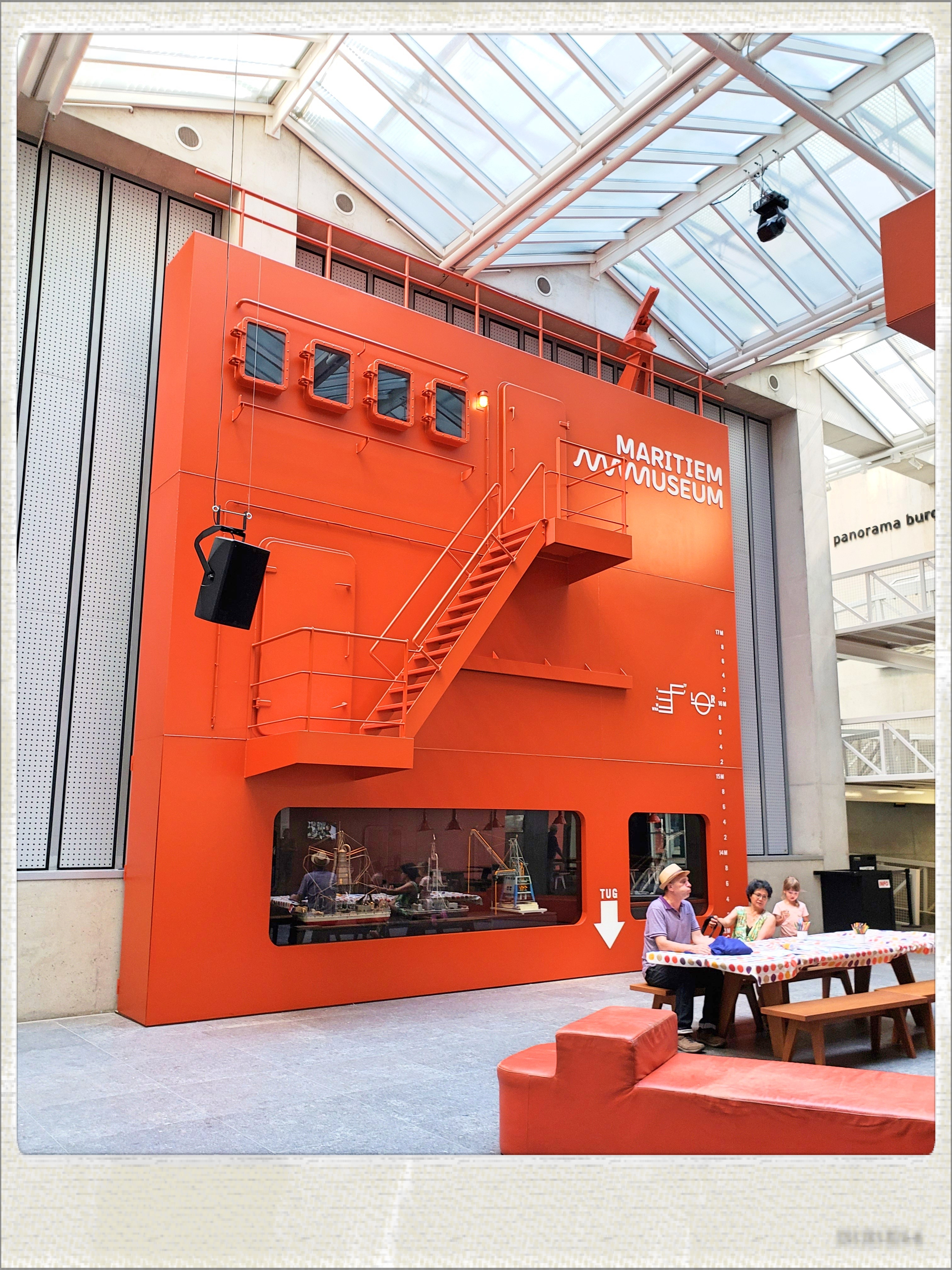
Rotterdam was hotter and wetter compared with Brussels so I had to find a place to clean myself up as I got sweaty. I therefore was so grateful that the bathrooms of the Maritime Museum Rotterdam was open to public.
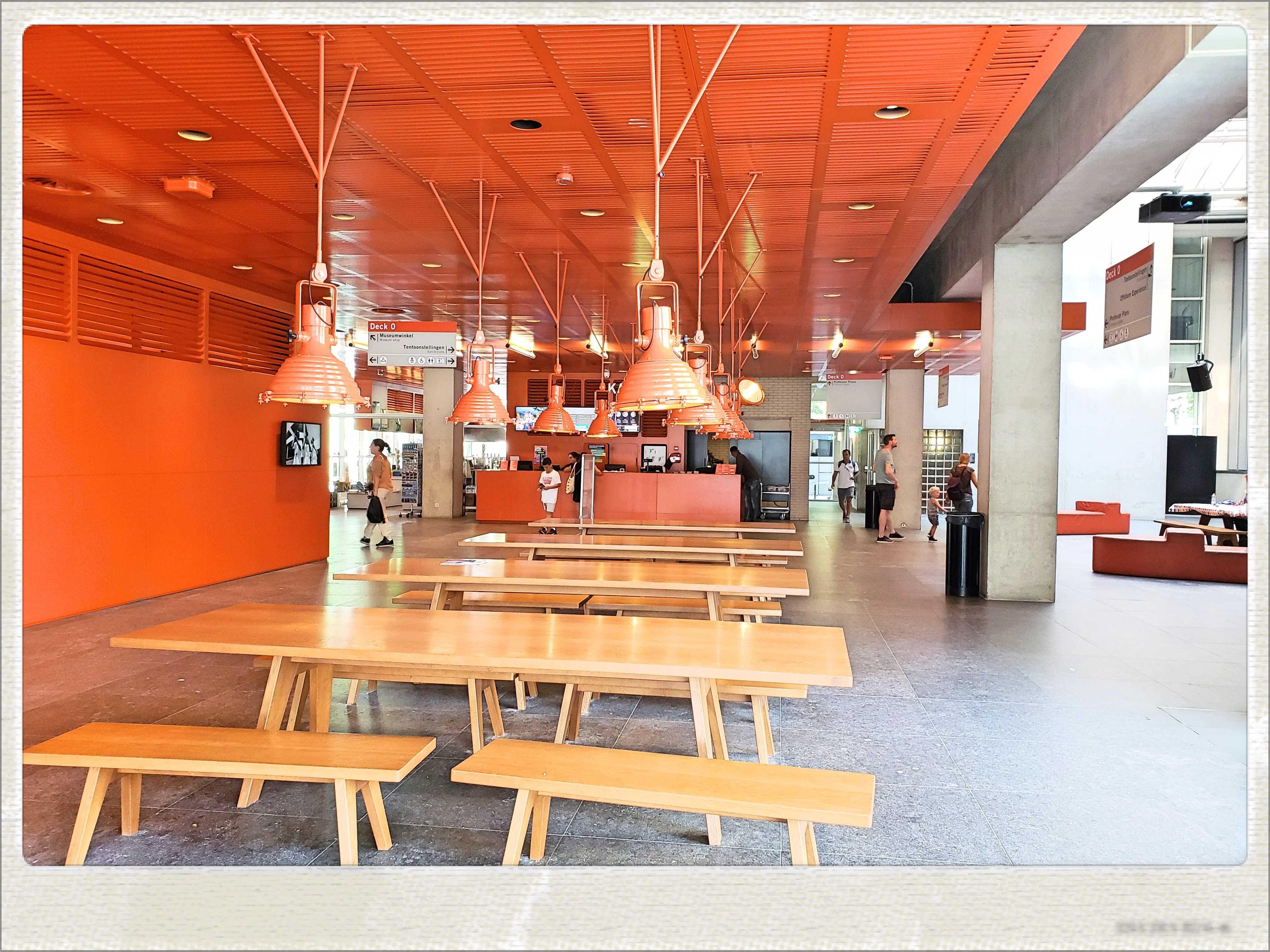
I always have a great affection for minimalistic design, along with the colors of orange and white. I was over the moon as I was using the museum’s bathroom for free because the museum had all of the three elements that I’m fond of.
The museum is dedicated to naval history which I couldn’t find it relatable.
Next to the museum lied the open-air Maritime Museum harbour which contained exceptional collection of historical vessels and cranes.
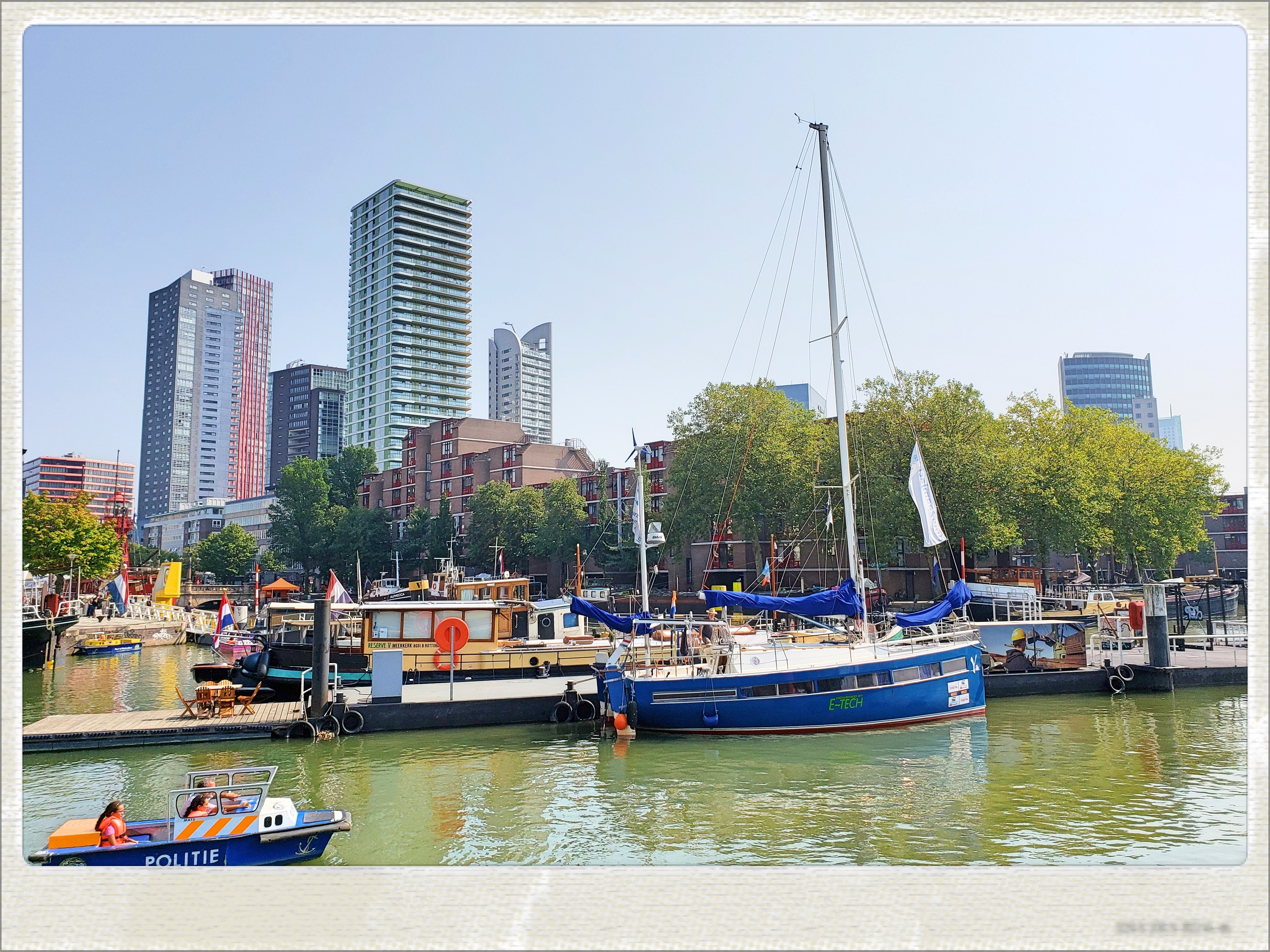
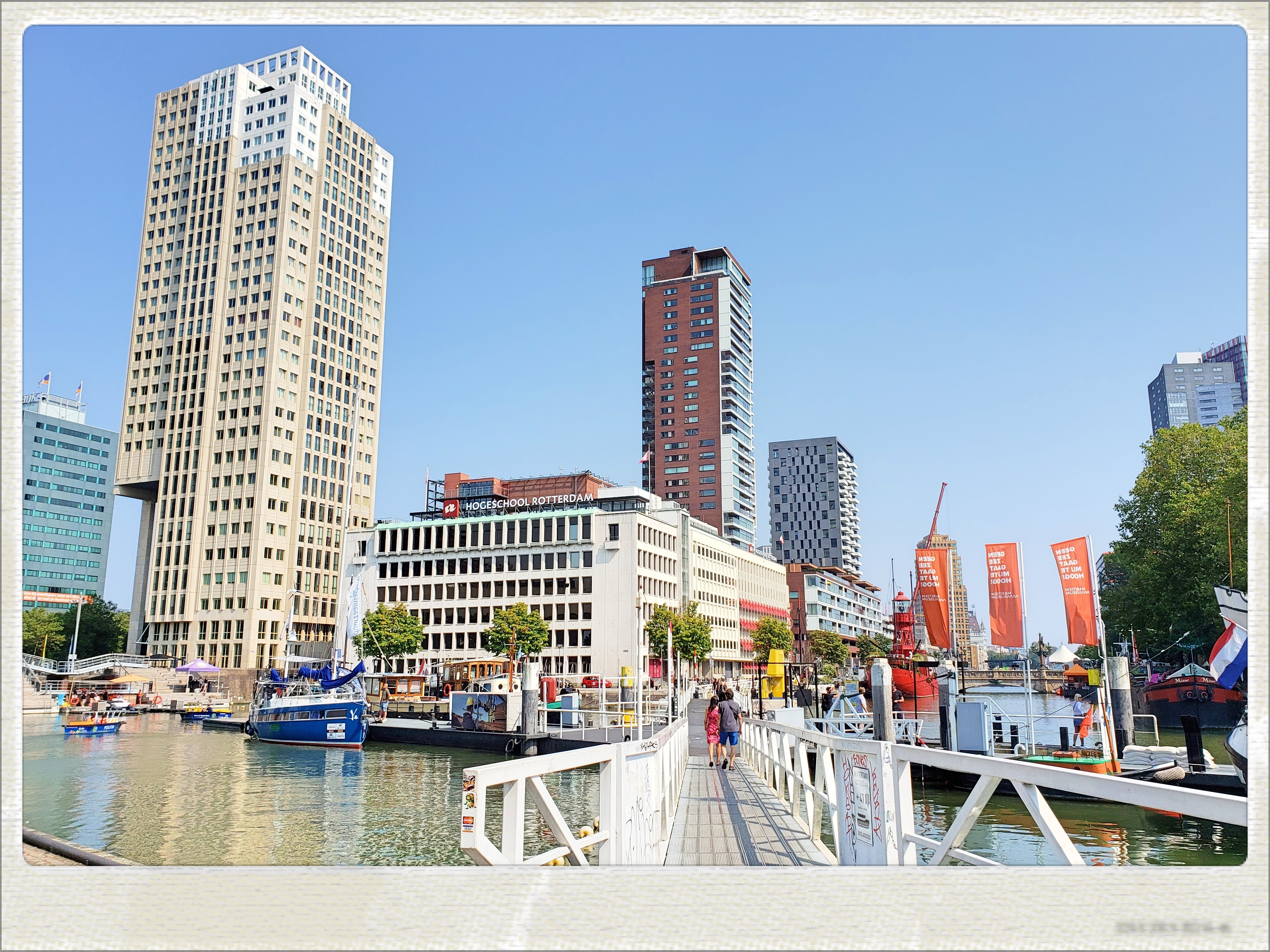
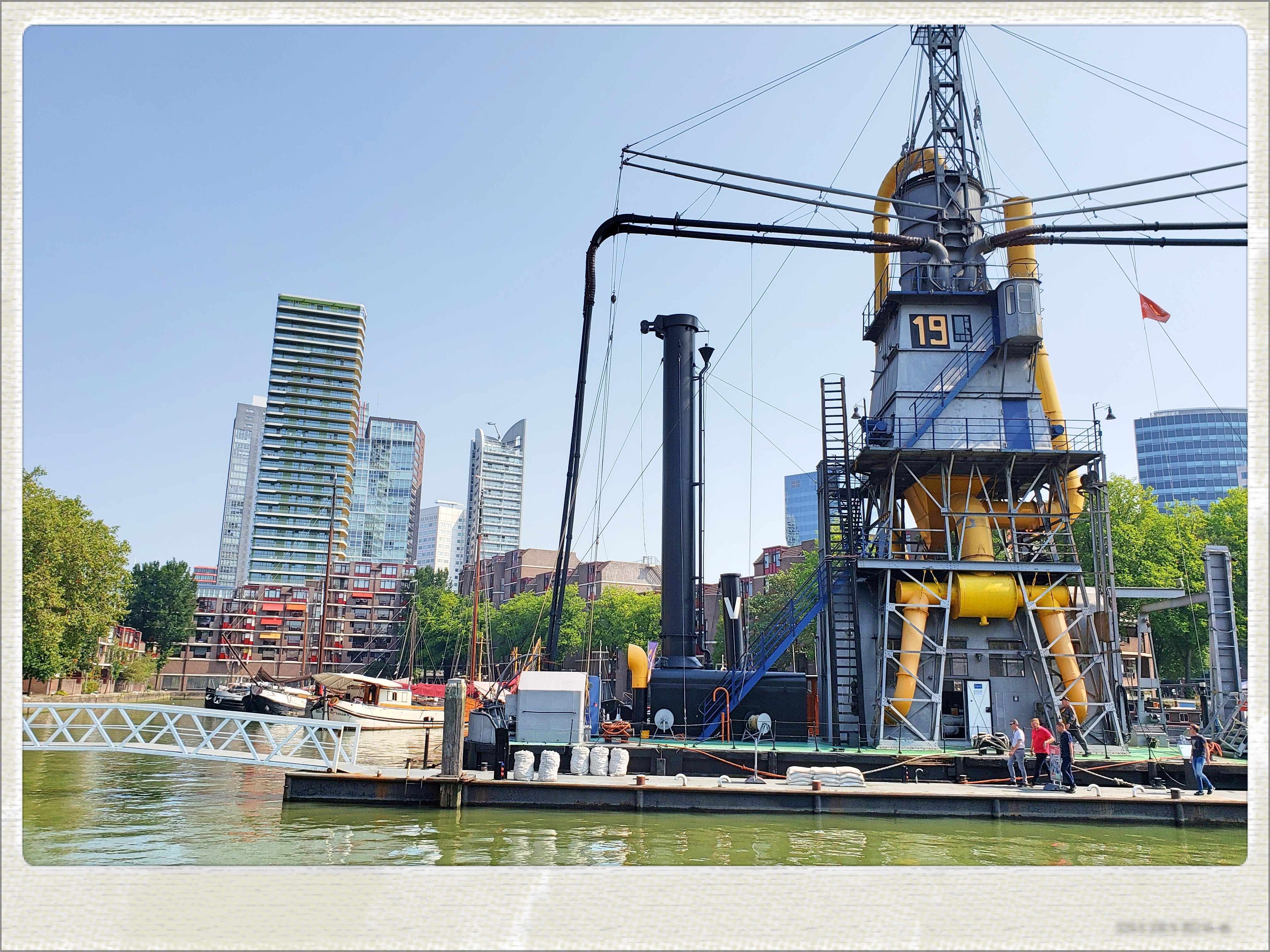
Erasmusbrug
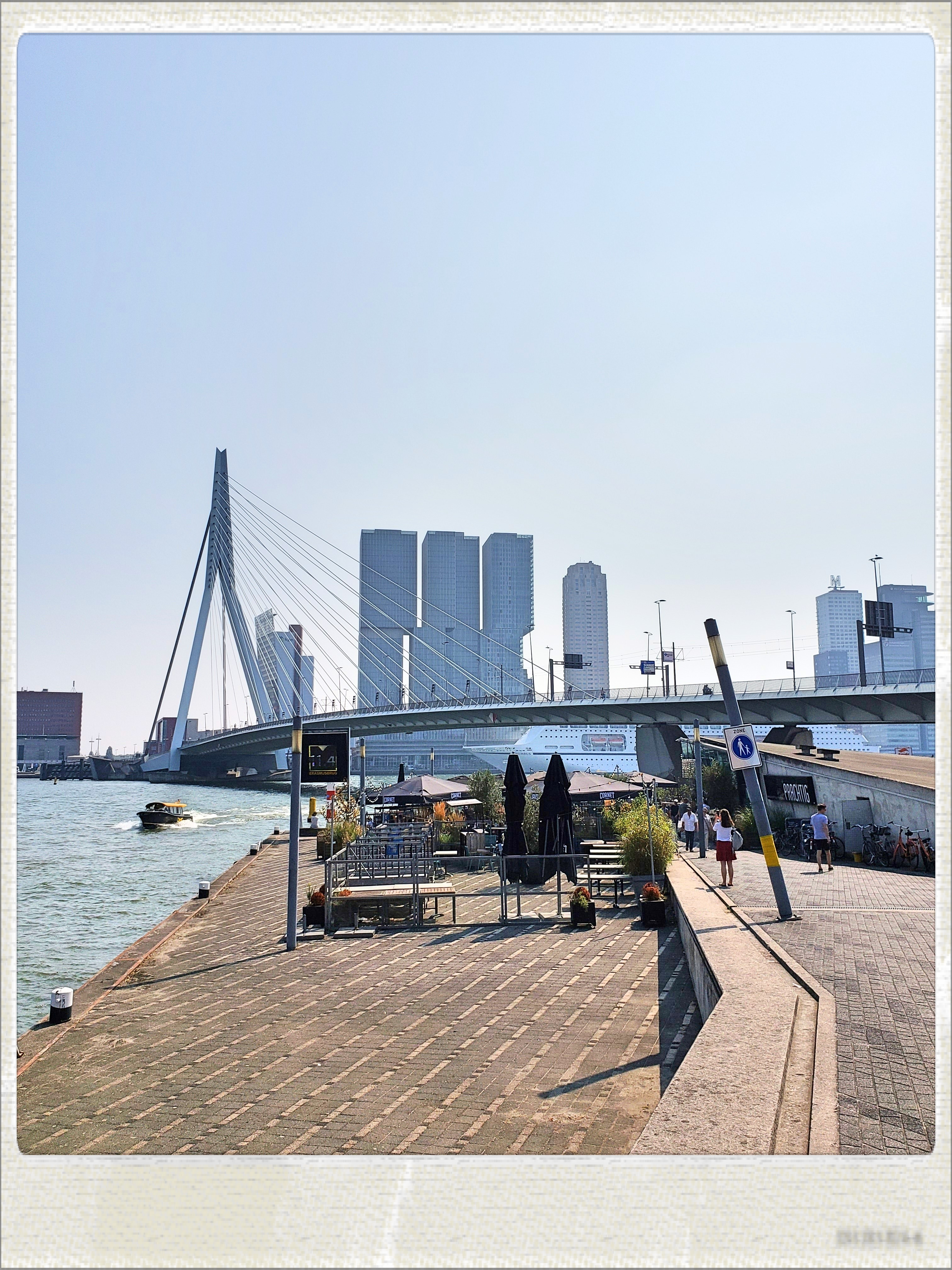
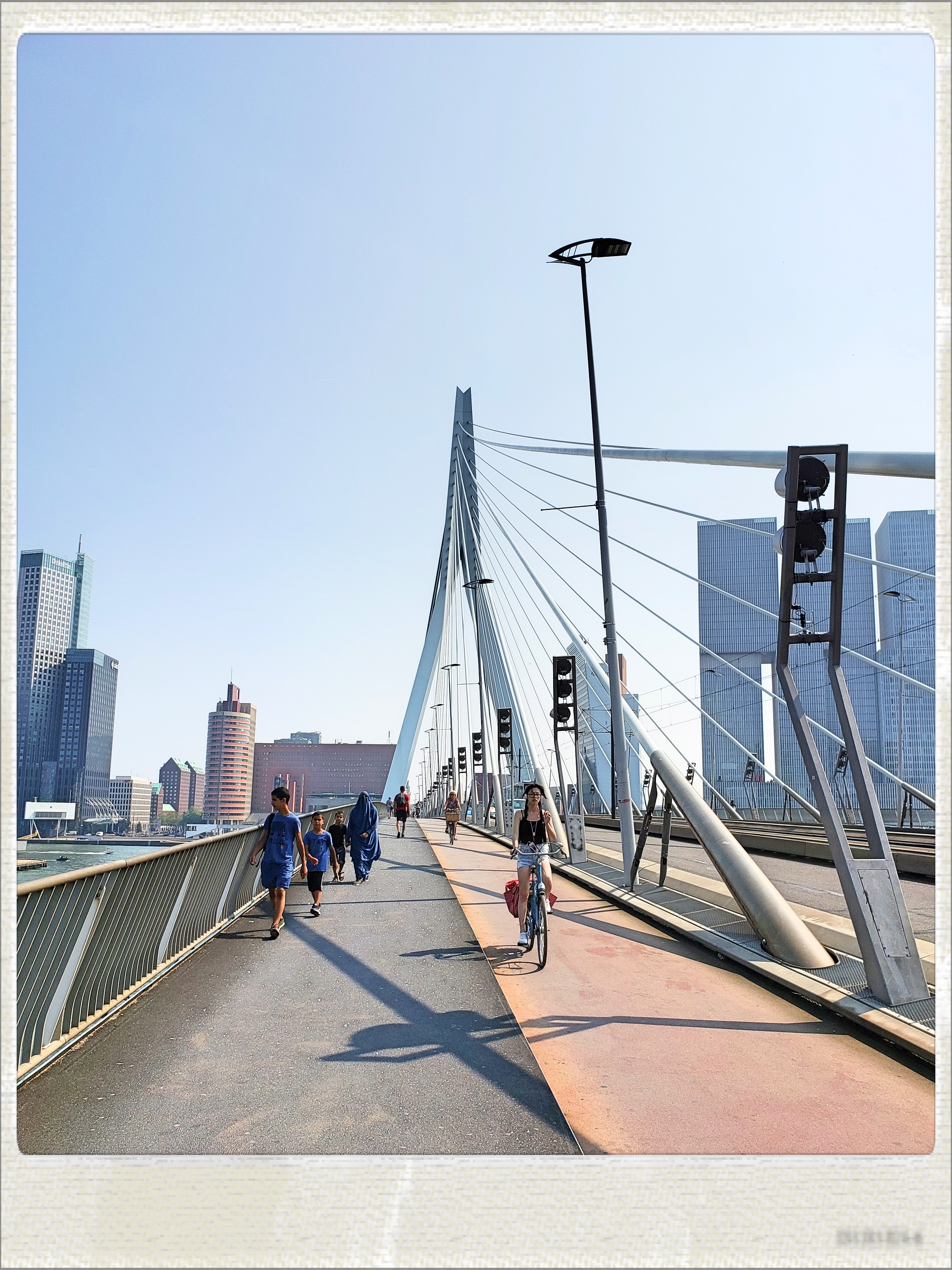
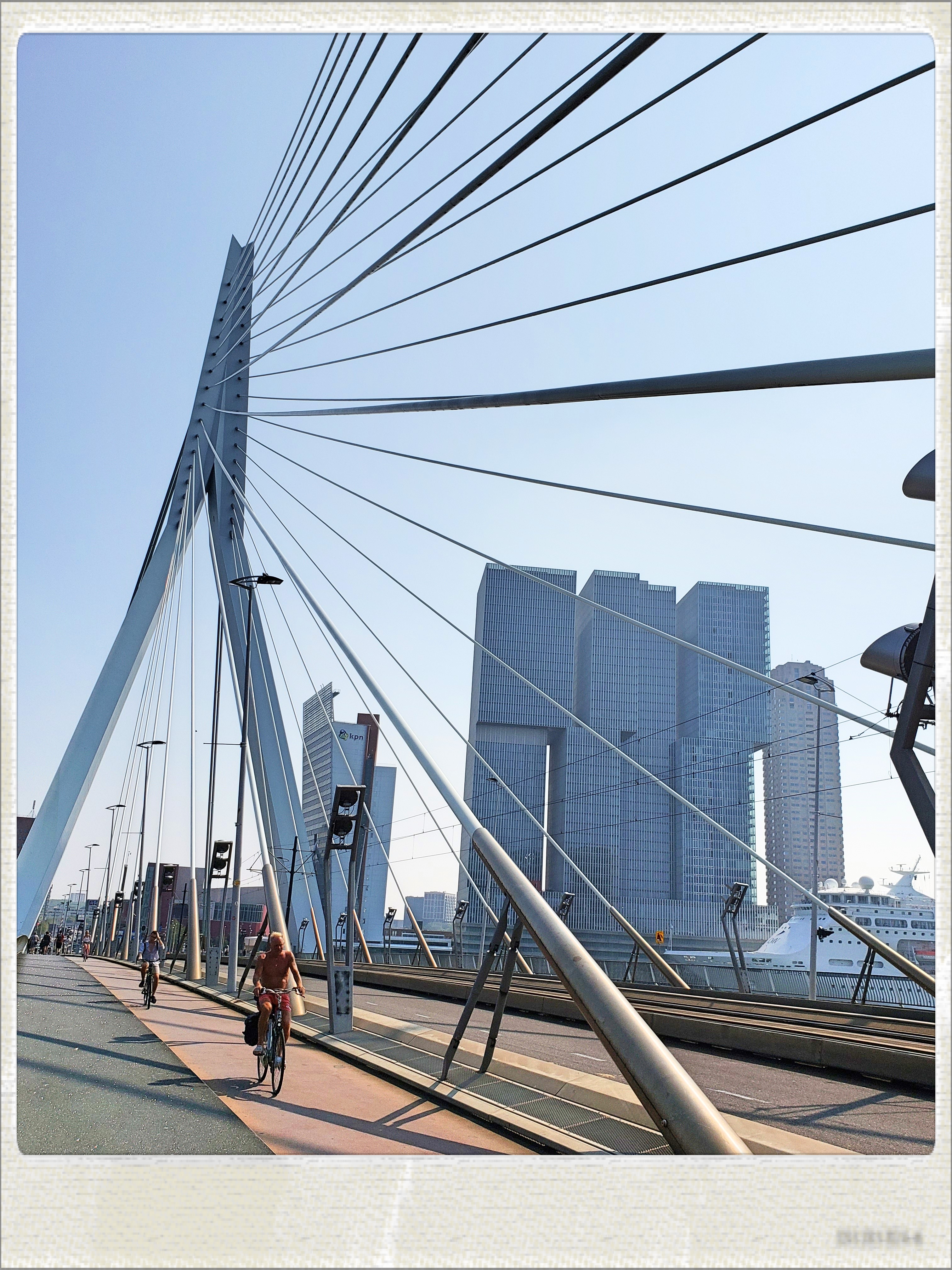
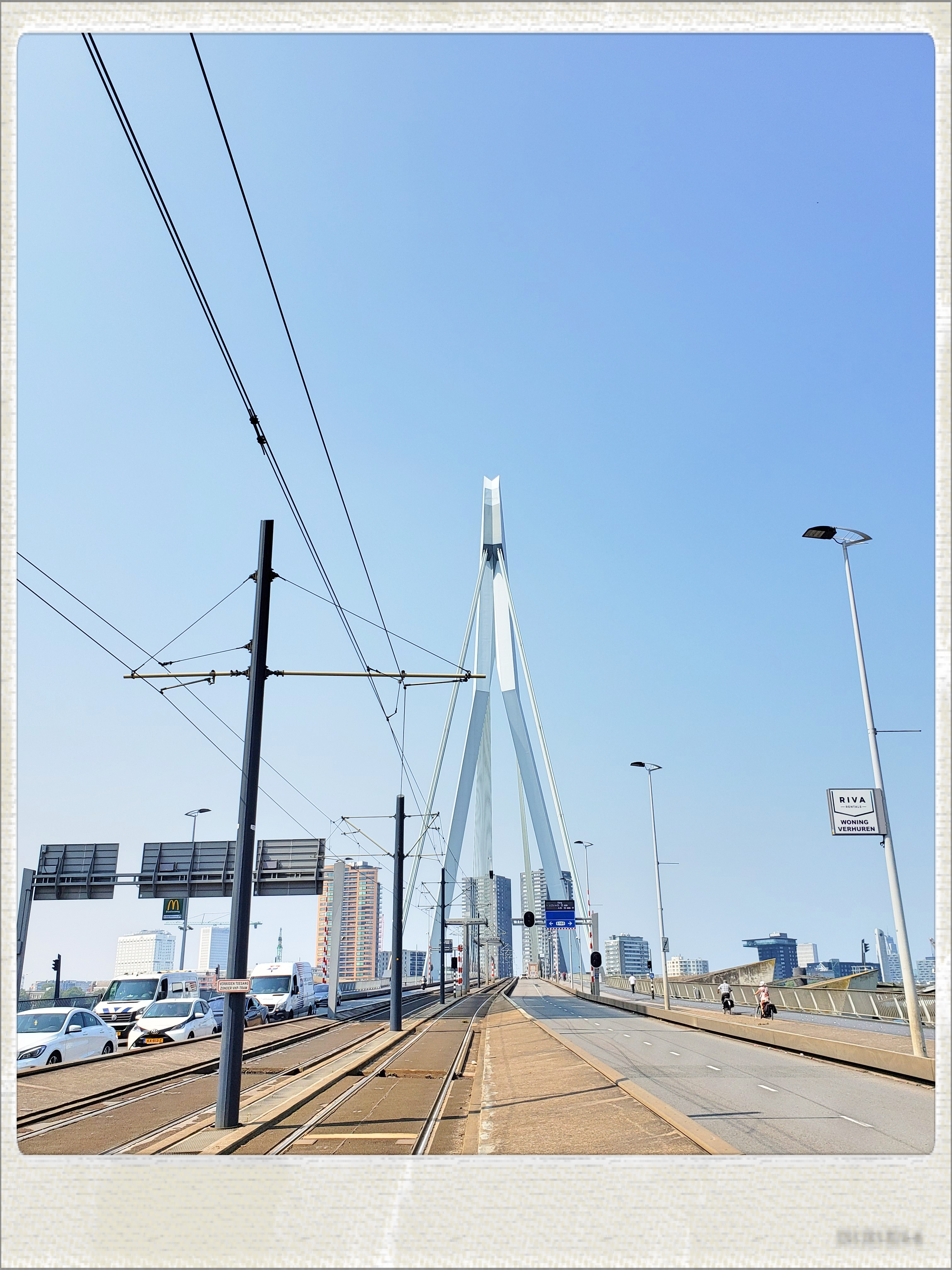
At the southernmost end of the Maritime Museum harbour sees the most iconic landmark of Rotterdam, Erasmusbrug, a combined cable-stayed and bascule bridge spanning the Nieuwe Mass.
The bridge consisted of roads for vehicular traffic, railway tracks, cycling paths and pedestrian pavements.
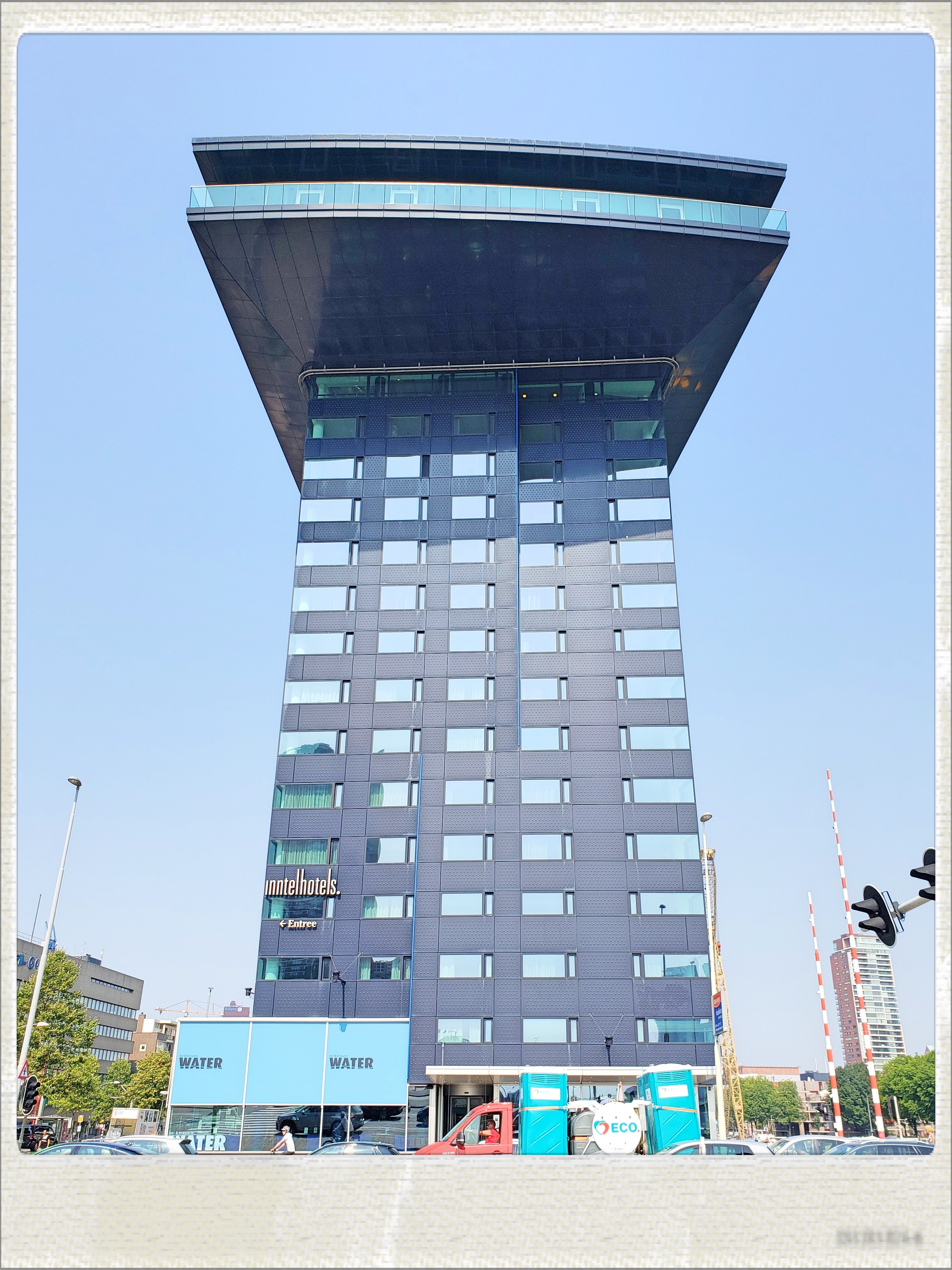
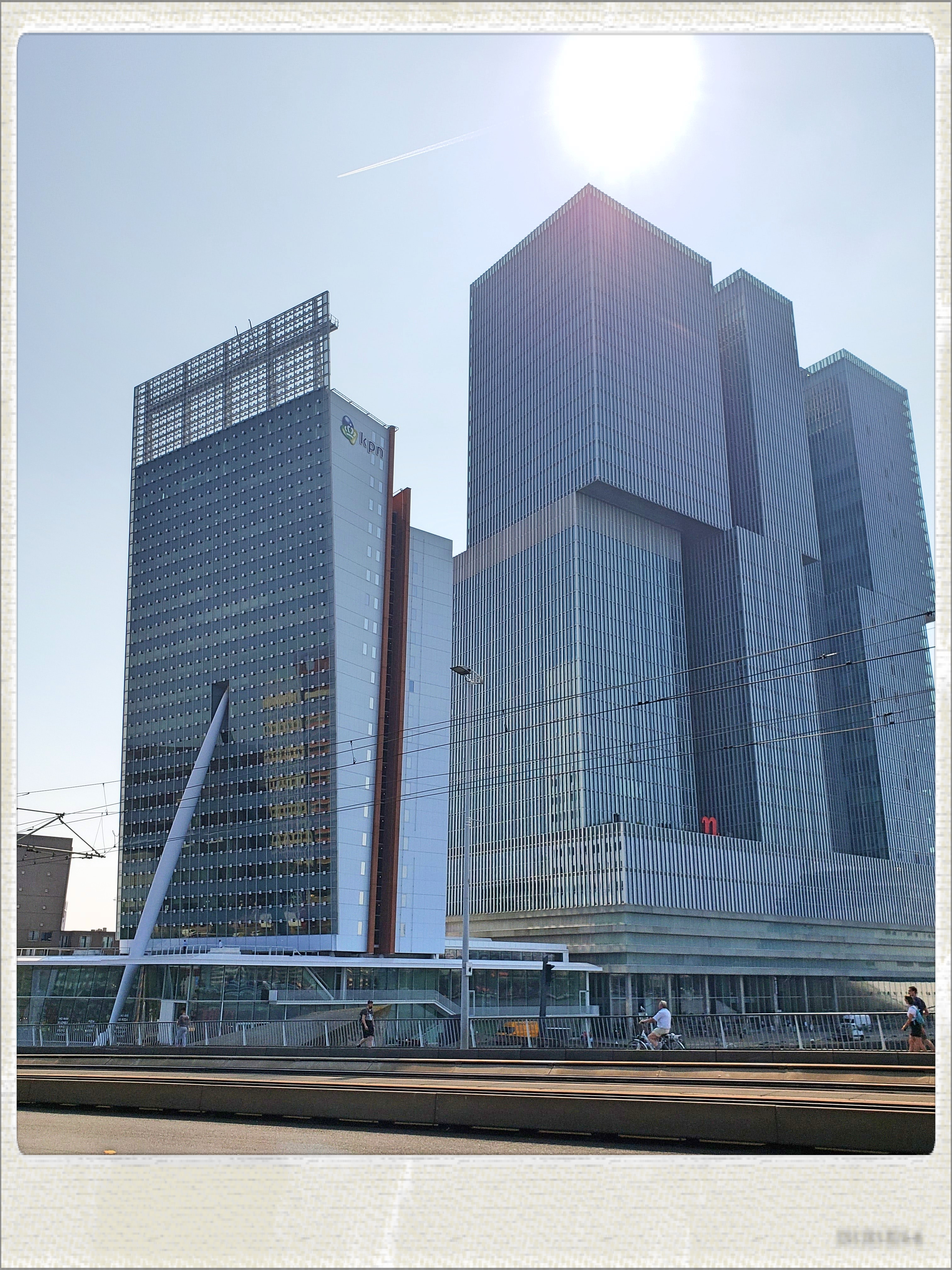
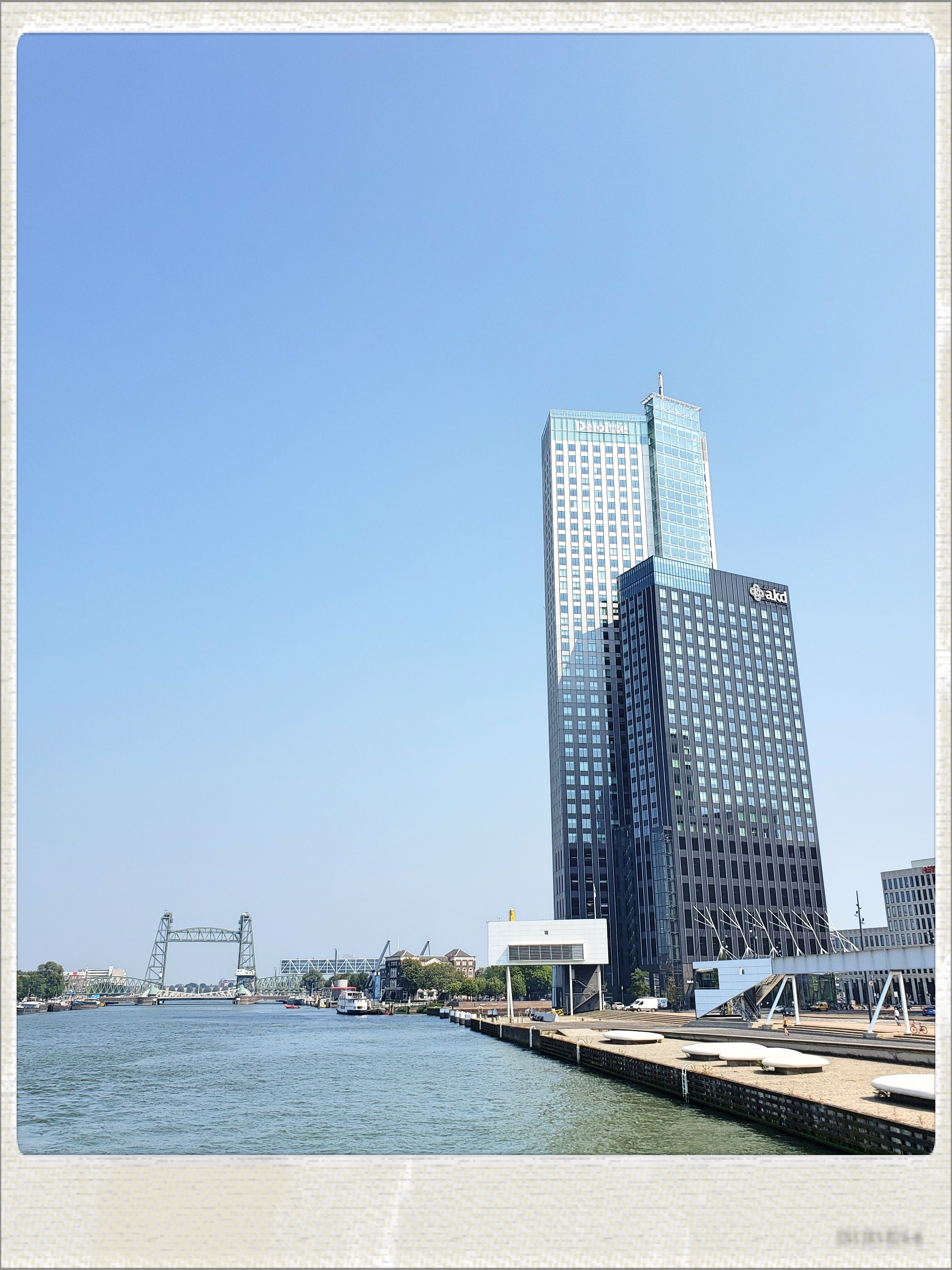
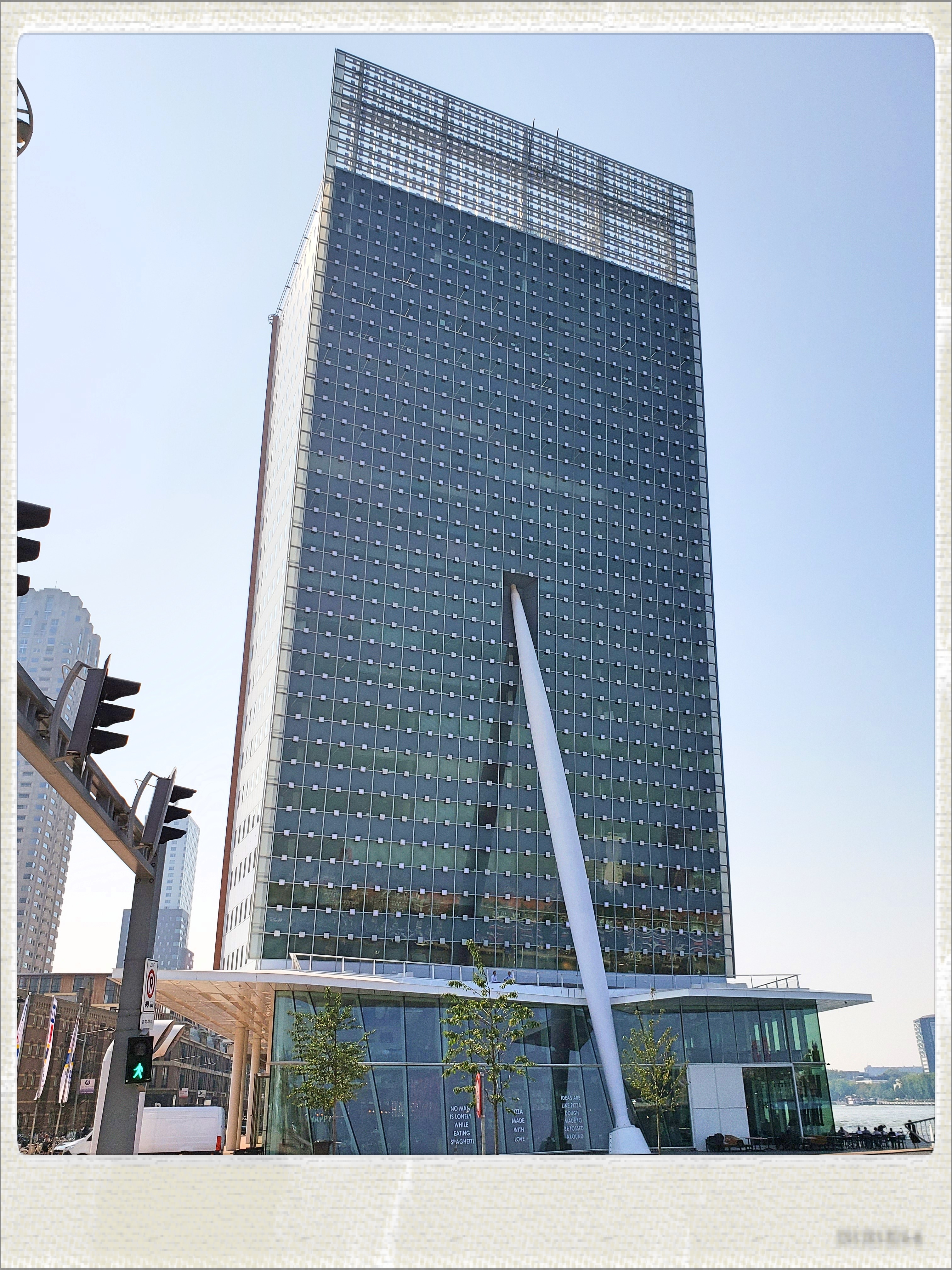
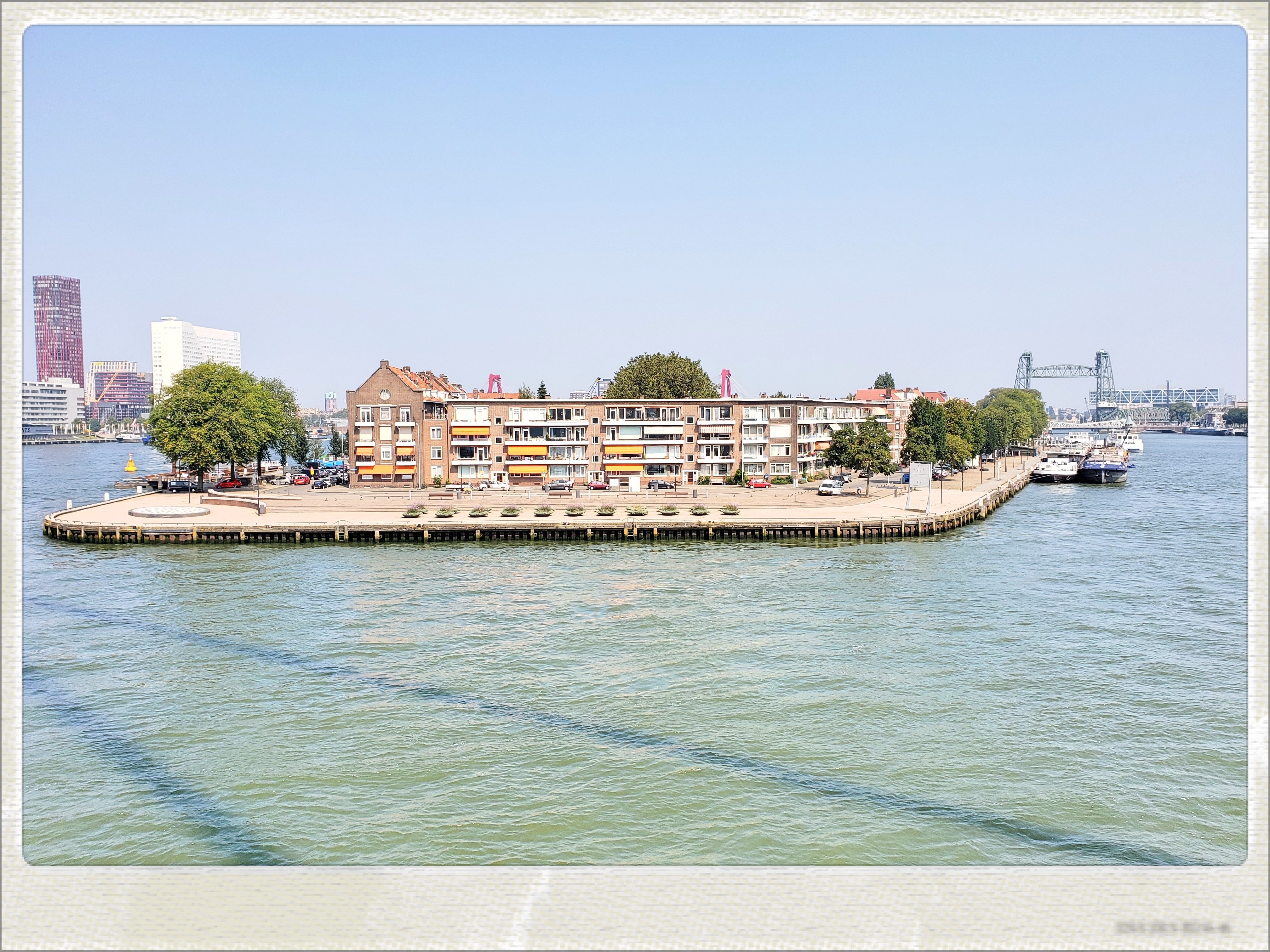
When I was walking on the bridge, not only could I overlook the shimmering river of the Nieuwe Mass, but also some one-of-a-kind structures of the city including Prinsenhoofd which seemed to be an artificial island constructed for the building of residential housing, the Rotterdam which was the mega structure made up with three interconnected towers and the KPN Tower
Wilhelminaplein Metro Station
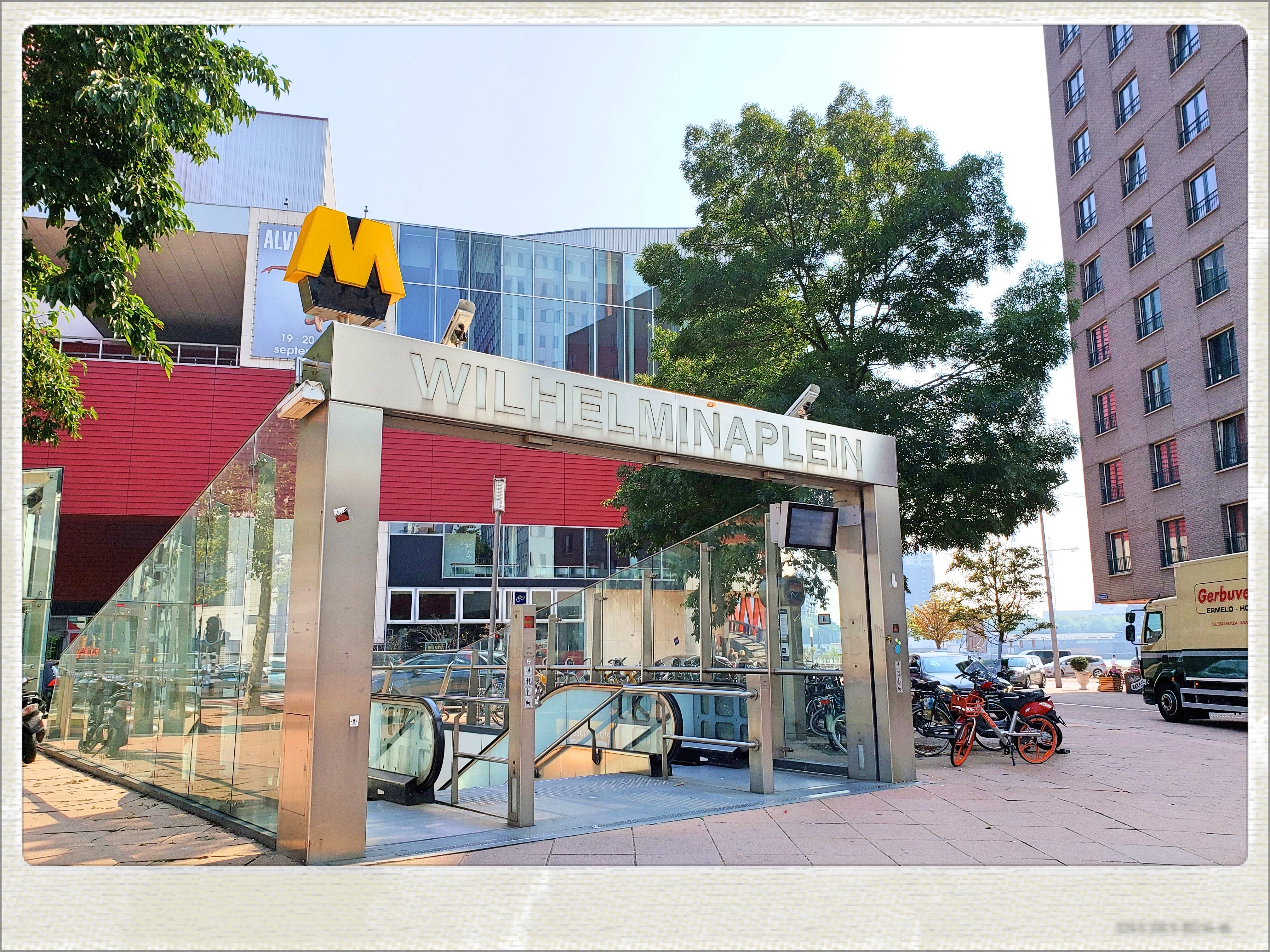
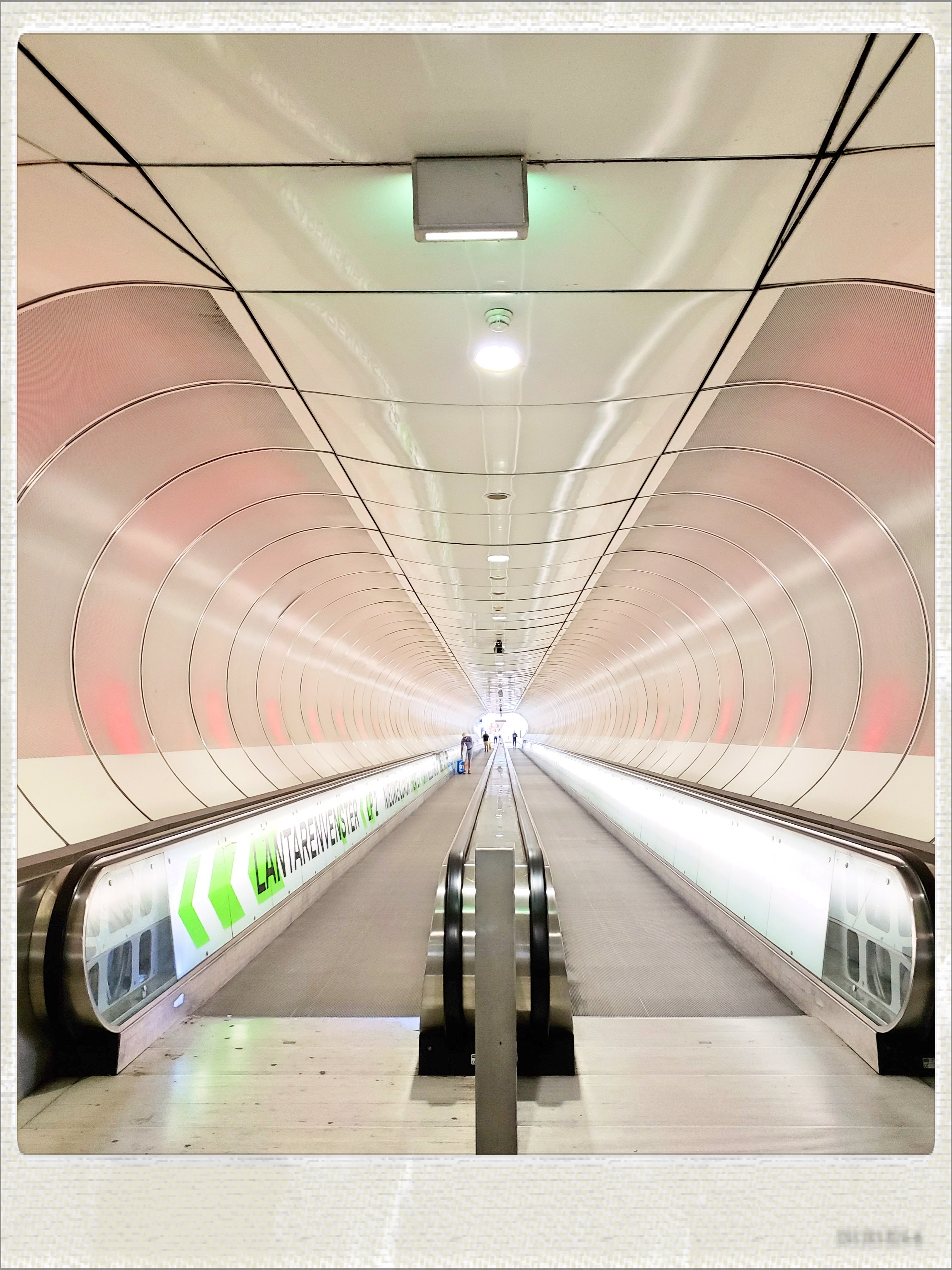
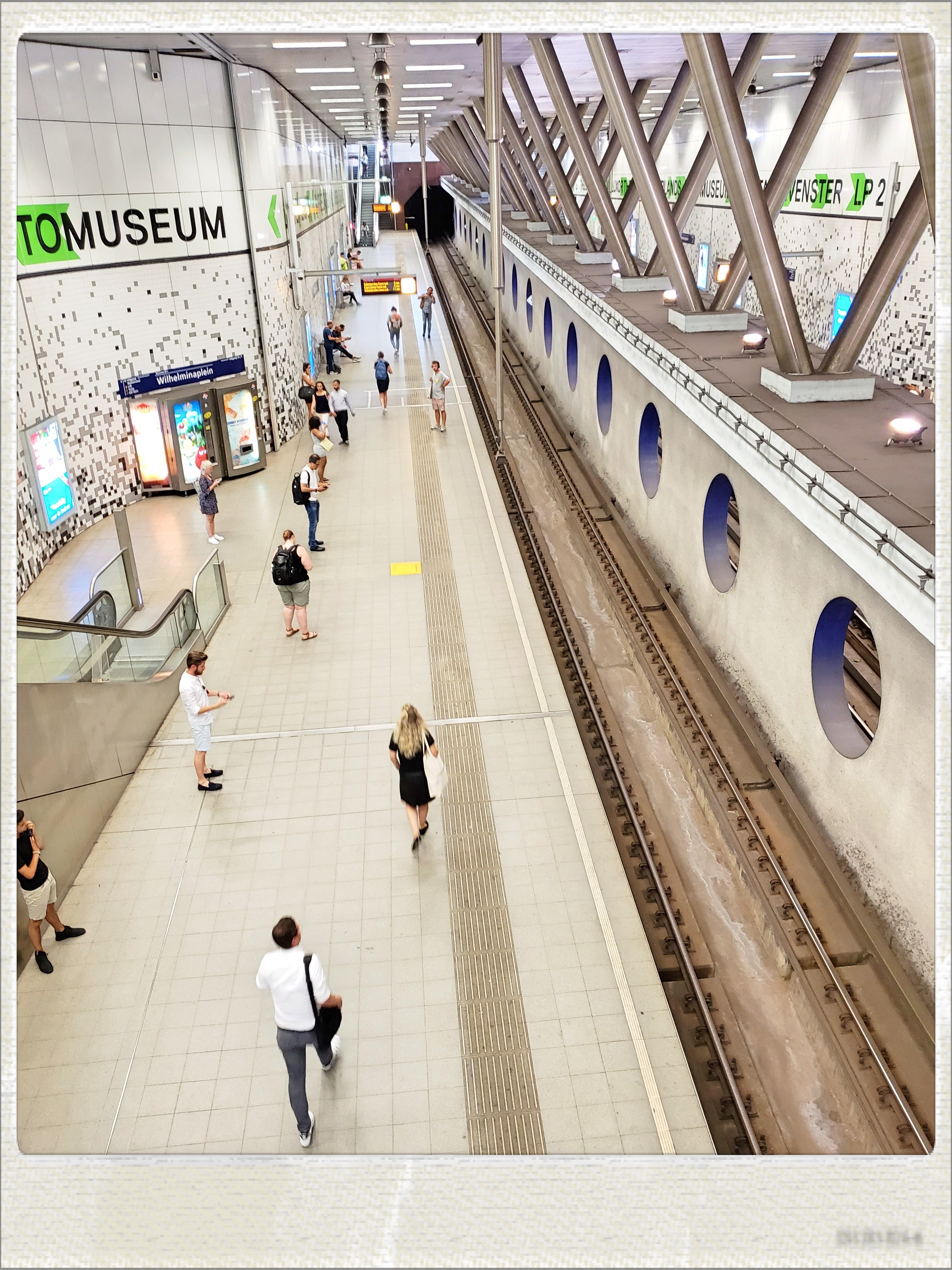
After crossing the Erasmusbrug Bridge, I came to the Wilhelminaplein Metro Station. As soon as I’d walked through the pinkish futuristic moving walkway, I reached the station concourse and platform.
Interestingly enough, because the station was constructed at the location where the metro tunnel is going up on its way to the surface, the platforms are not completely horizontal.
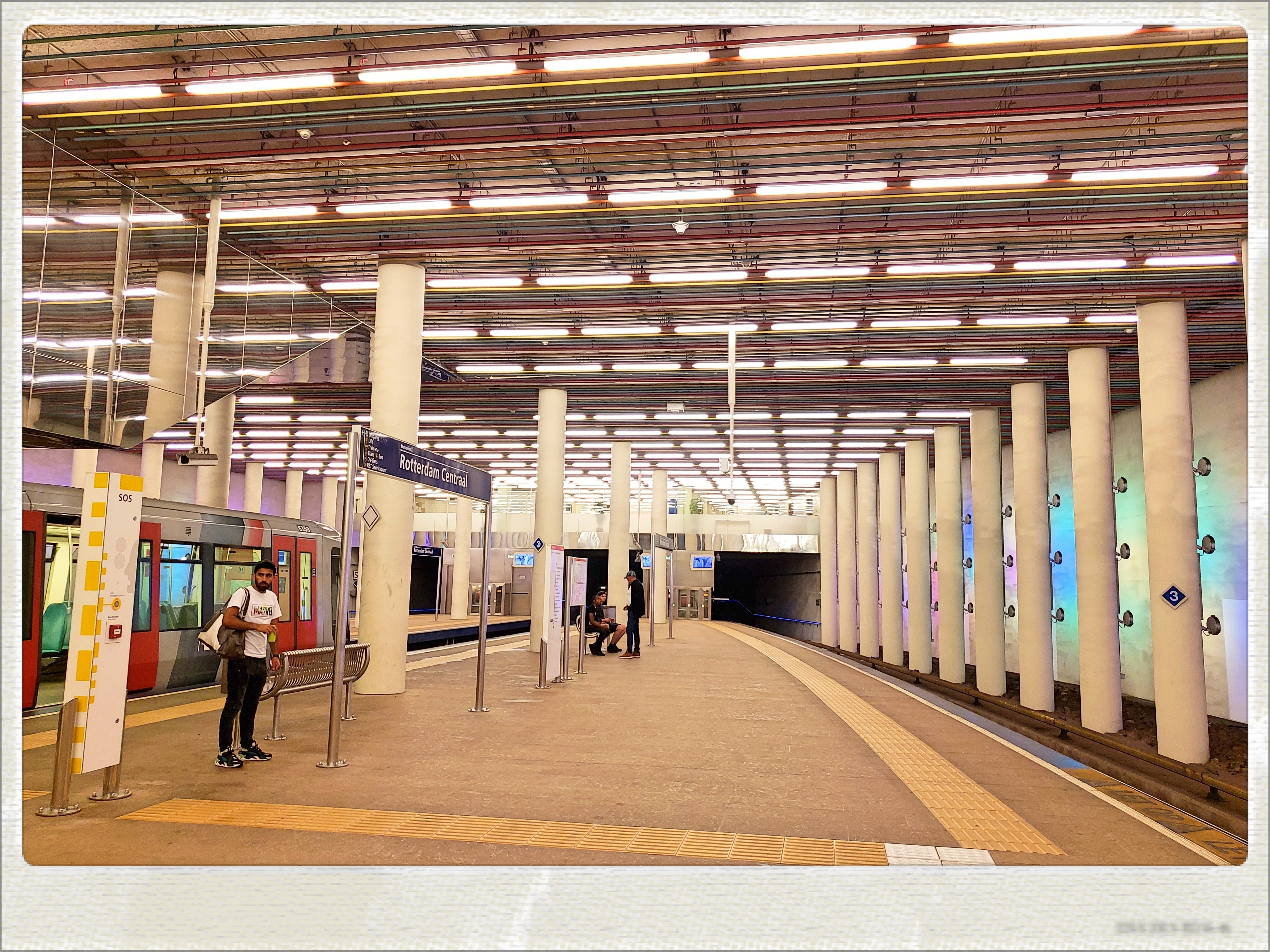
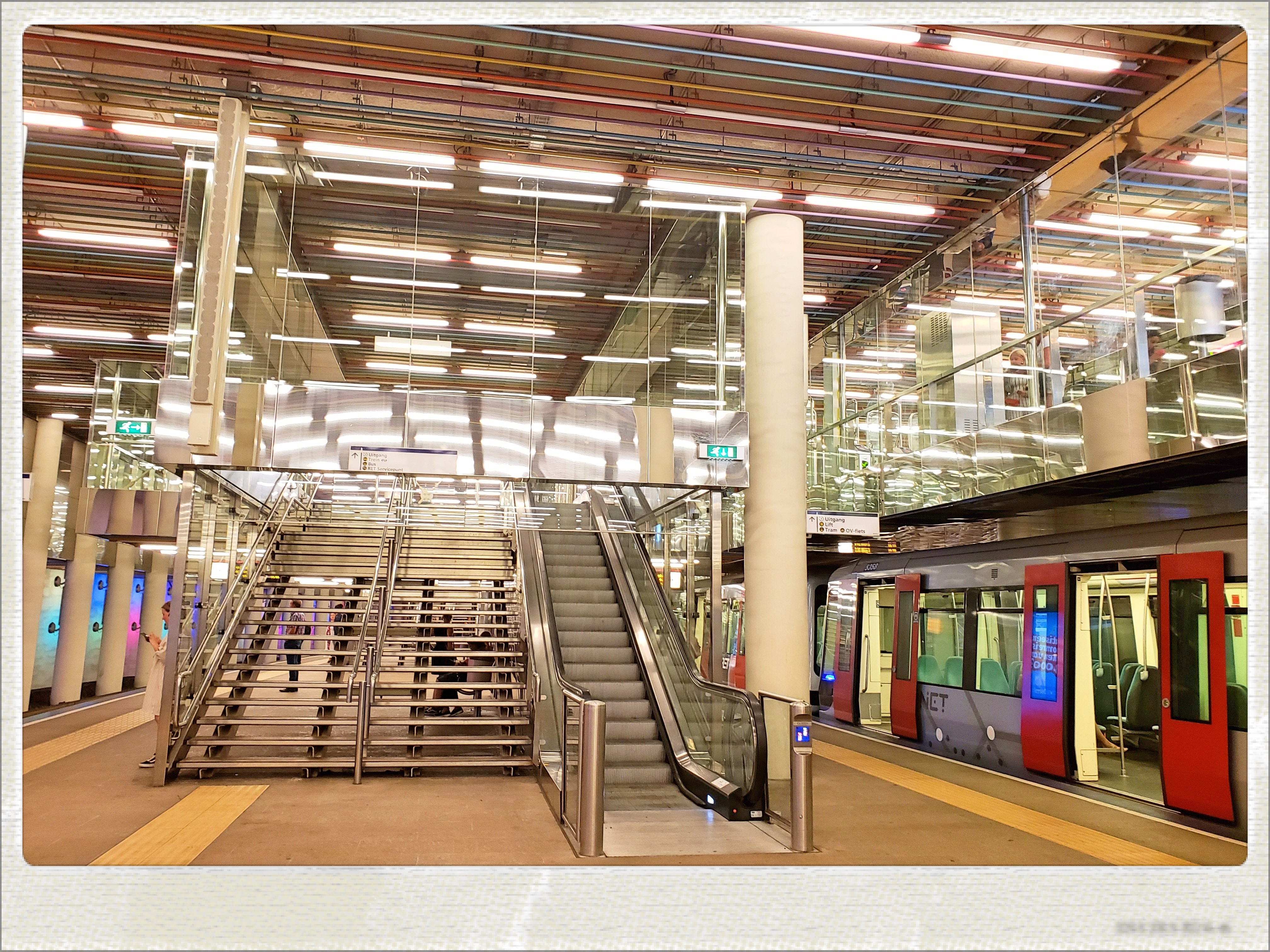
Rotterdam Central Station
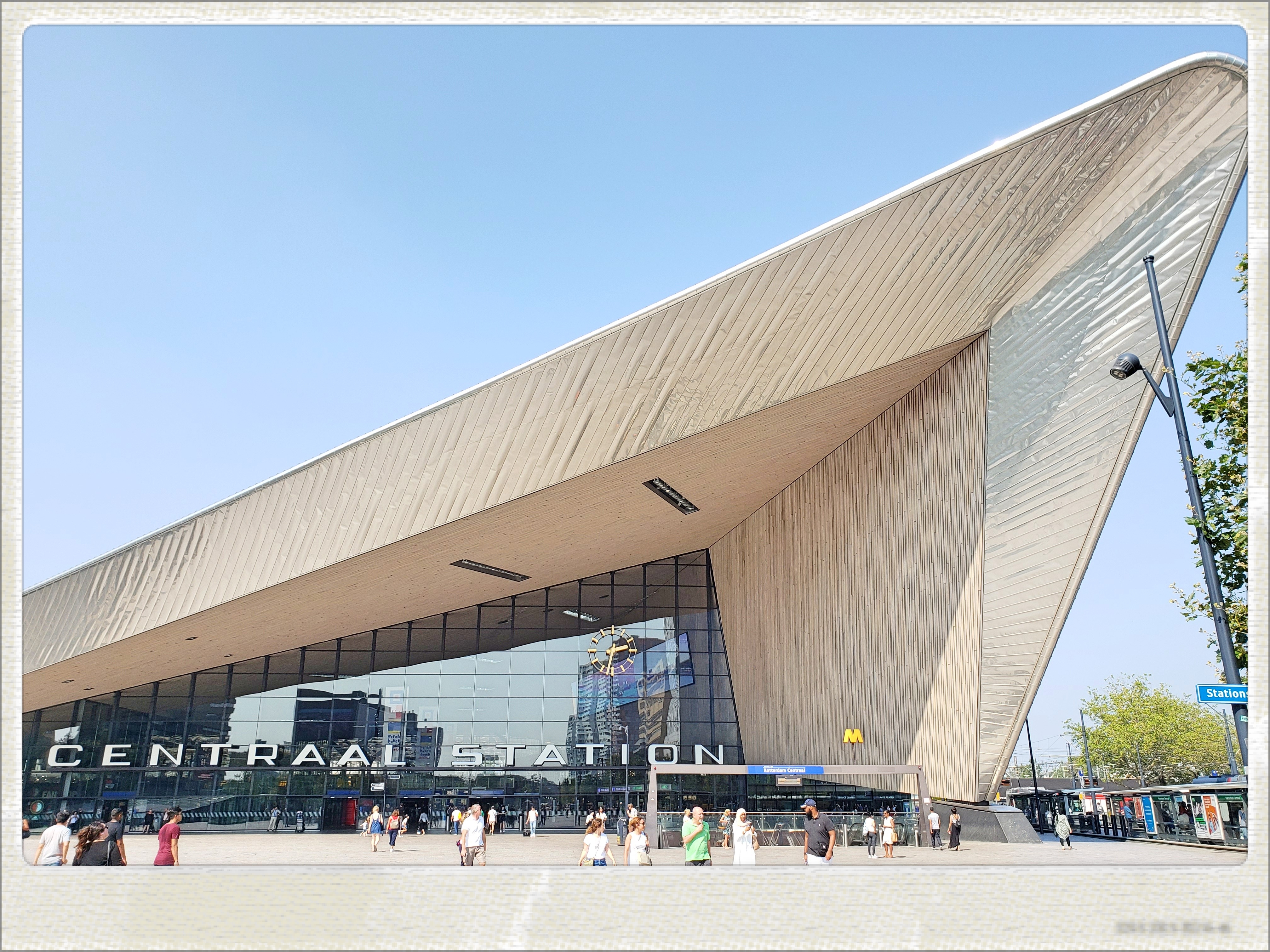
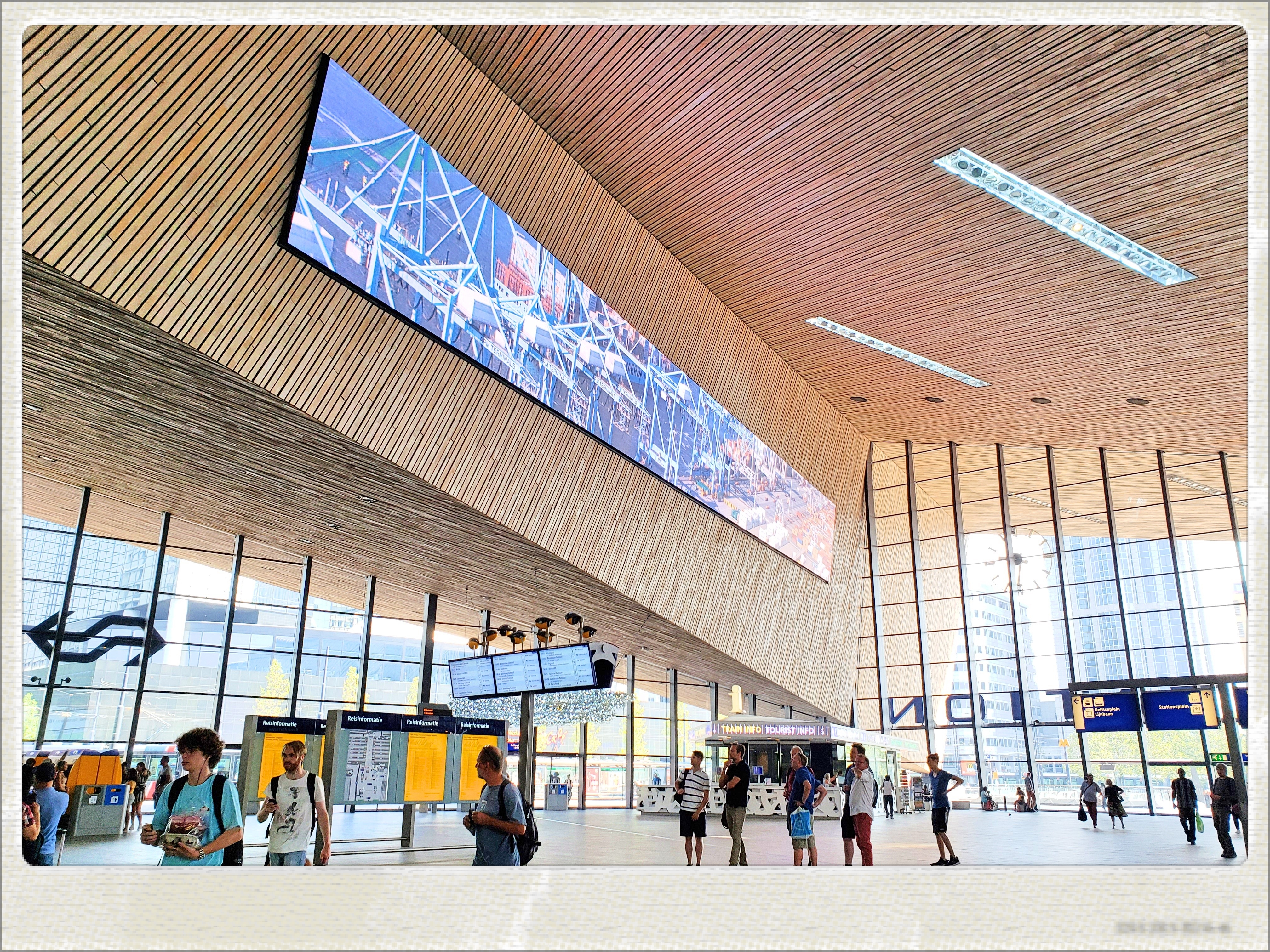
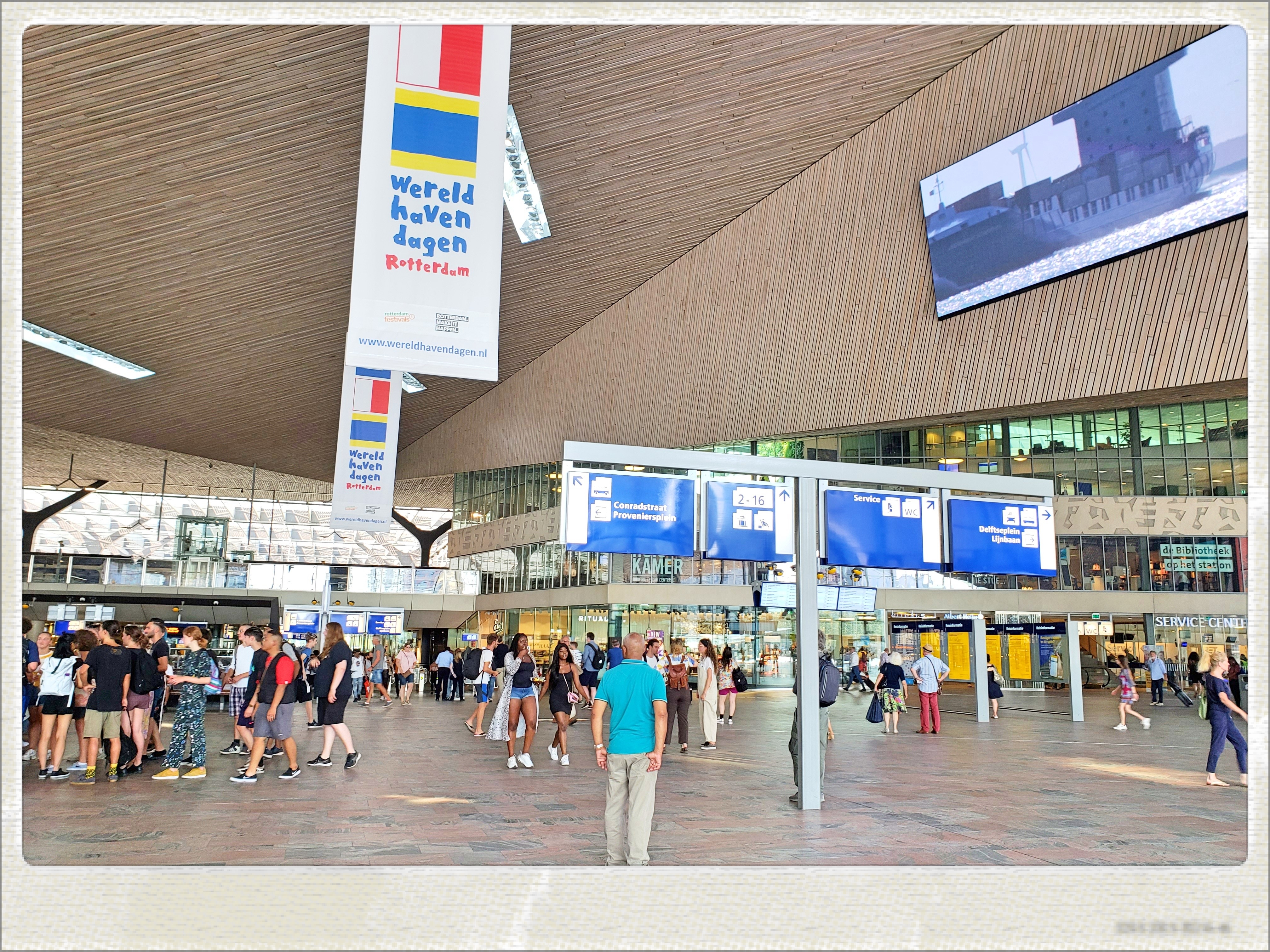
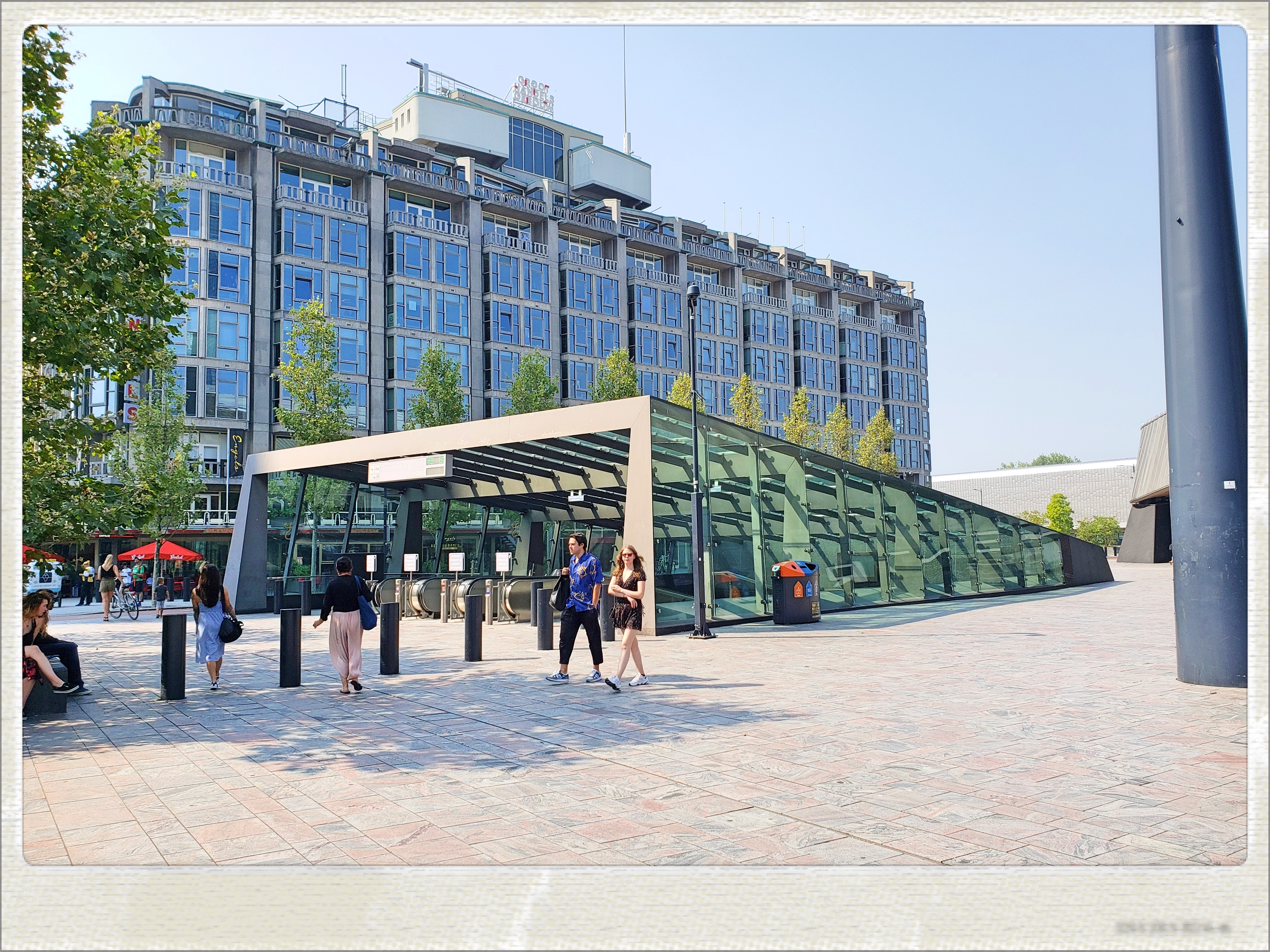
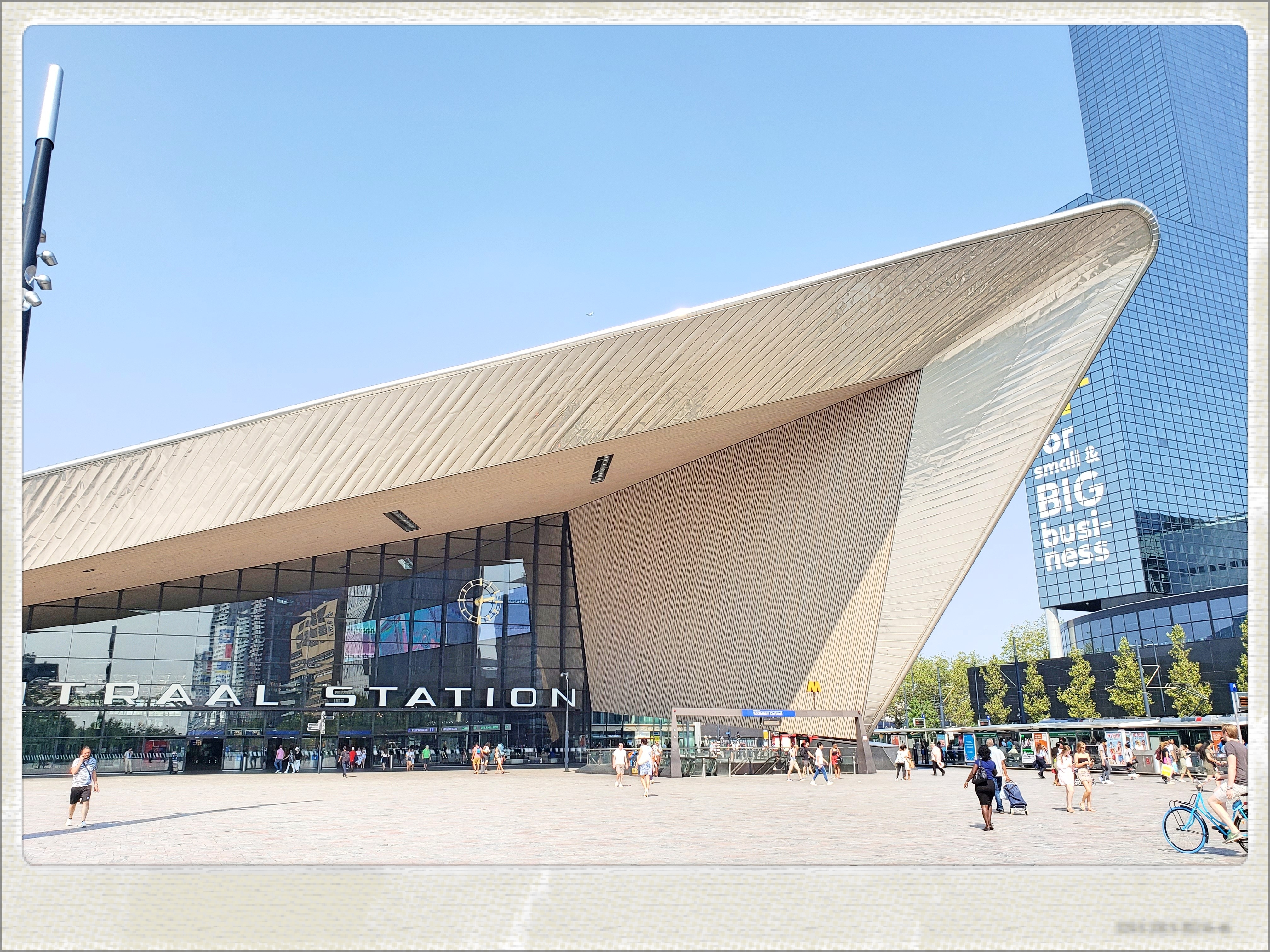
Not until I stepped on the ticketing concourse of the Rotterdam Central Station, could I appreciate the grandeur of the structure and its sleek design.
The white cylindrical pillars and the multiple florescent lights up on the ceiling drew my attention as I was looking for the way out on the unflattering (compared with the ticketing concourse and exterior of the structure) metro platforms.
Standing in the ticketing concourse, I was fully mesmerized by the immense spaciousness created by the soaring rooftop while the earth tone of brown reminded me of nature and simple.
My amazement doubled as I was gazing at the triangular pointed station roof which was absolutely futuristic and state of the art.
Poortugaal Station
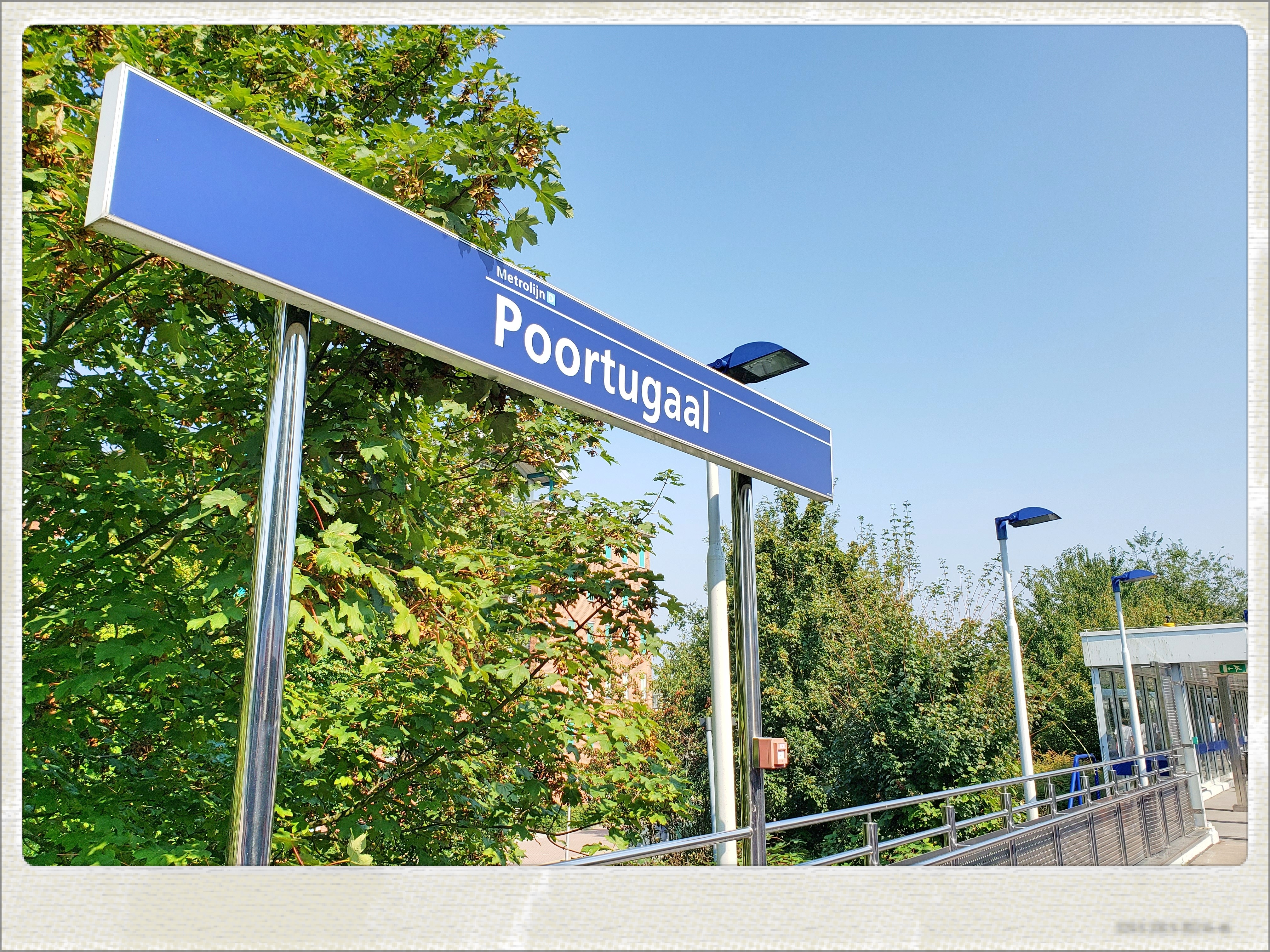
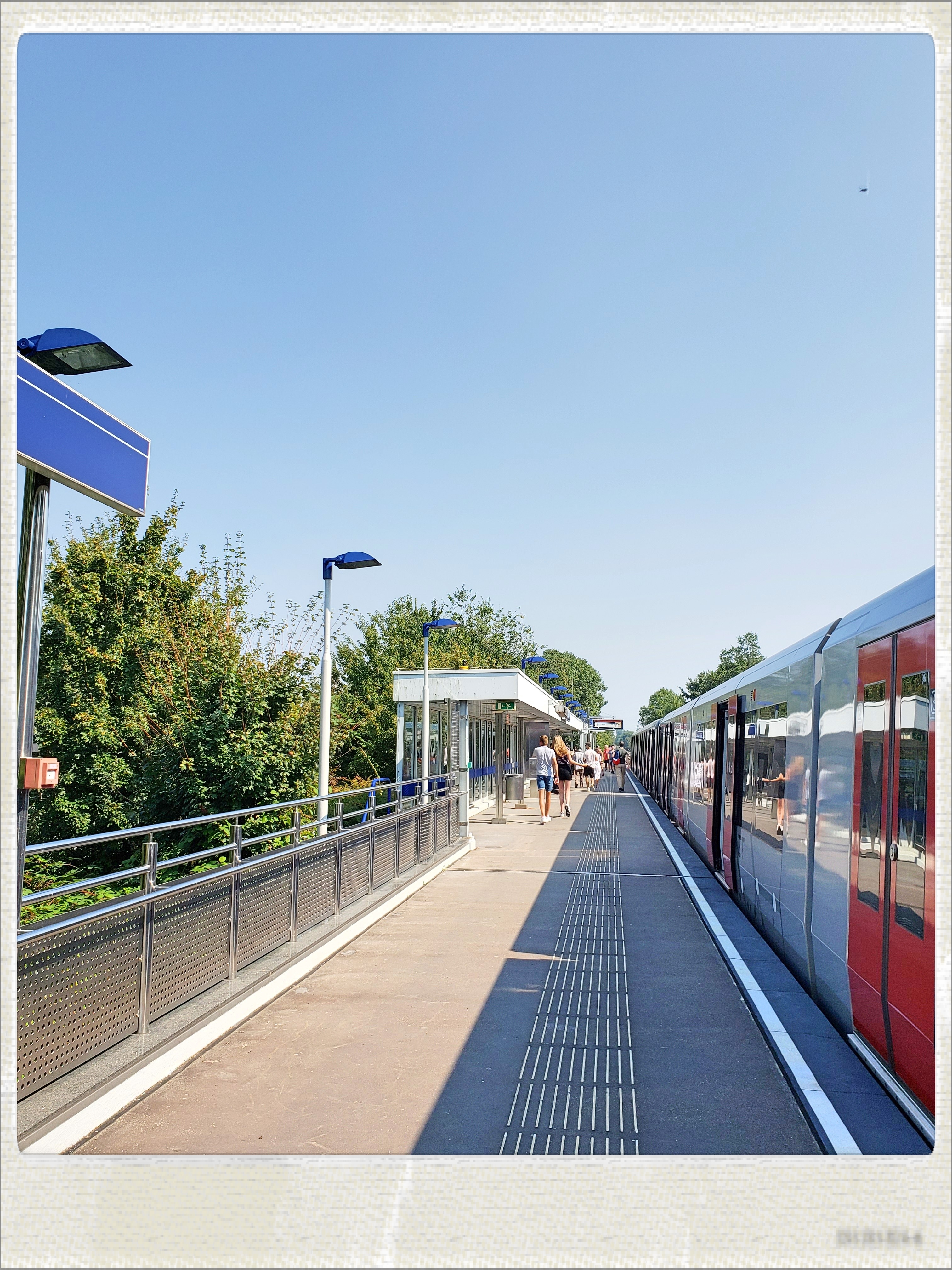
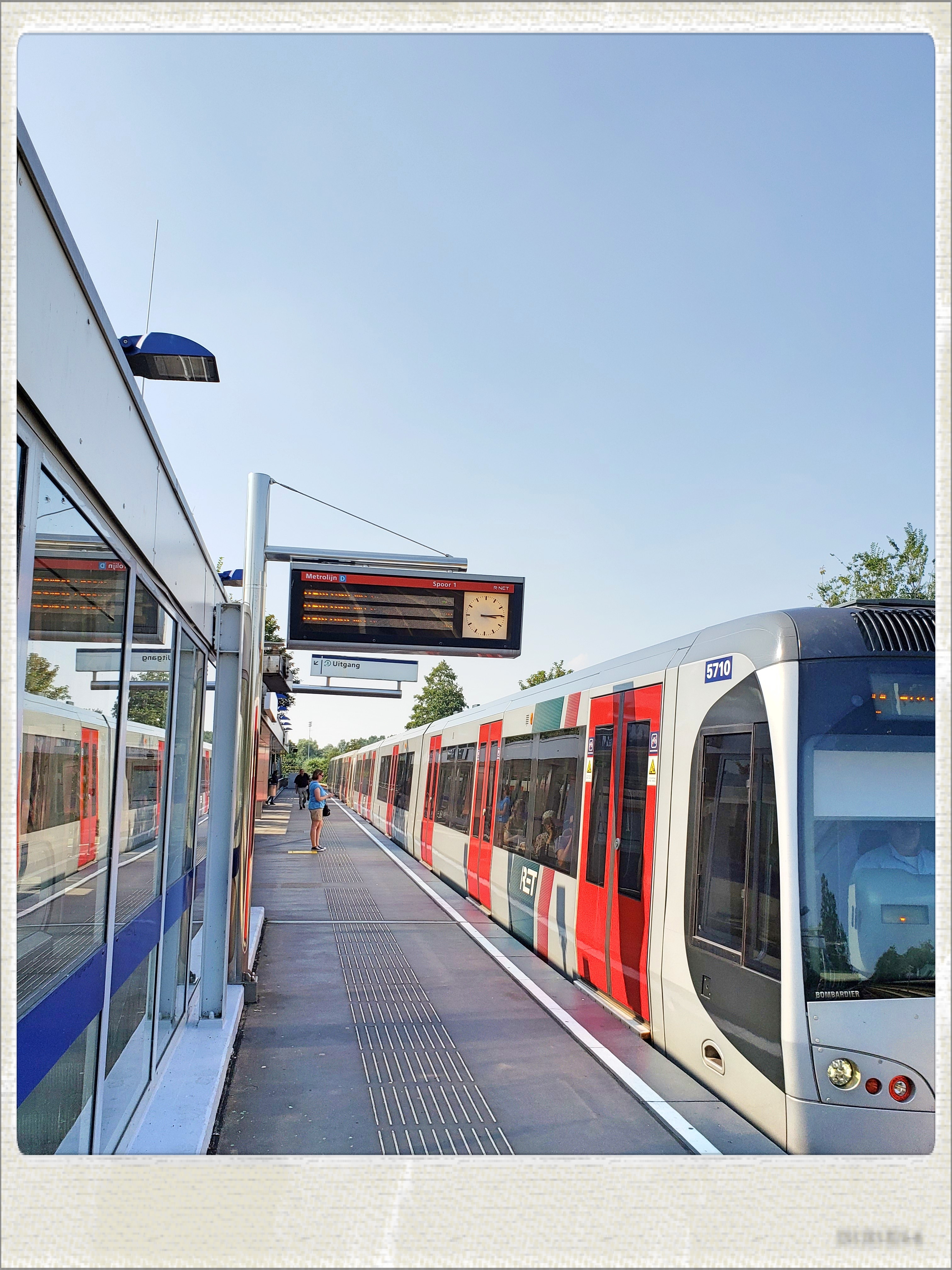
There’s still a short while to go before I hopped on the intercity coach back to Brussels, I therefore headed towards the southern part of the city by metro and got off at a random station which turned out to be a place called ‘Poortugaal’.
Does it have anything to do with Portugal?
‘The name probably dates from the time of the Crusades. One explanation is that the people of Poortugaal were impressed by the foreign cultures during the crusades and that the newly reclaimed areas were named after these areas.’, somebody said on the internet.
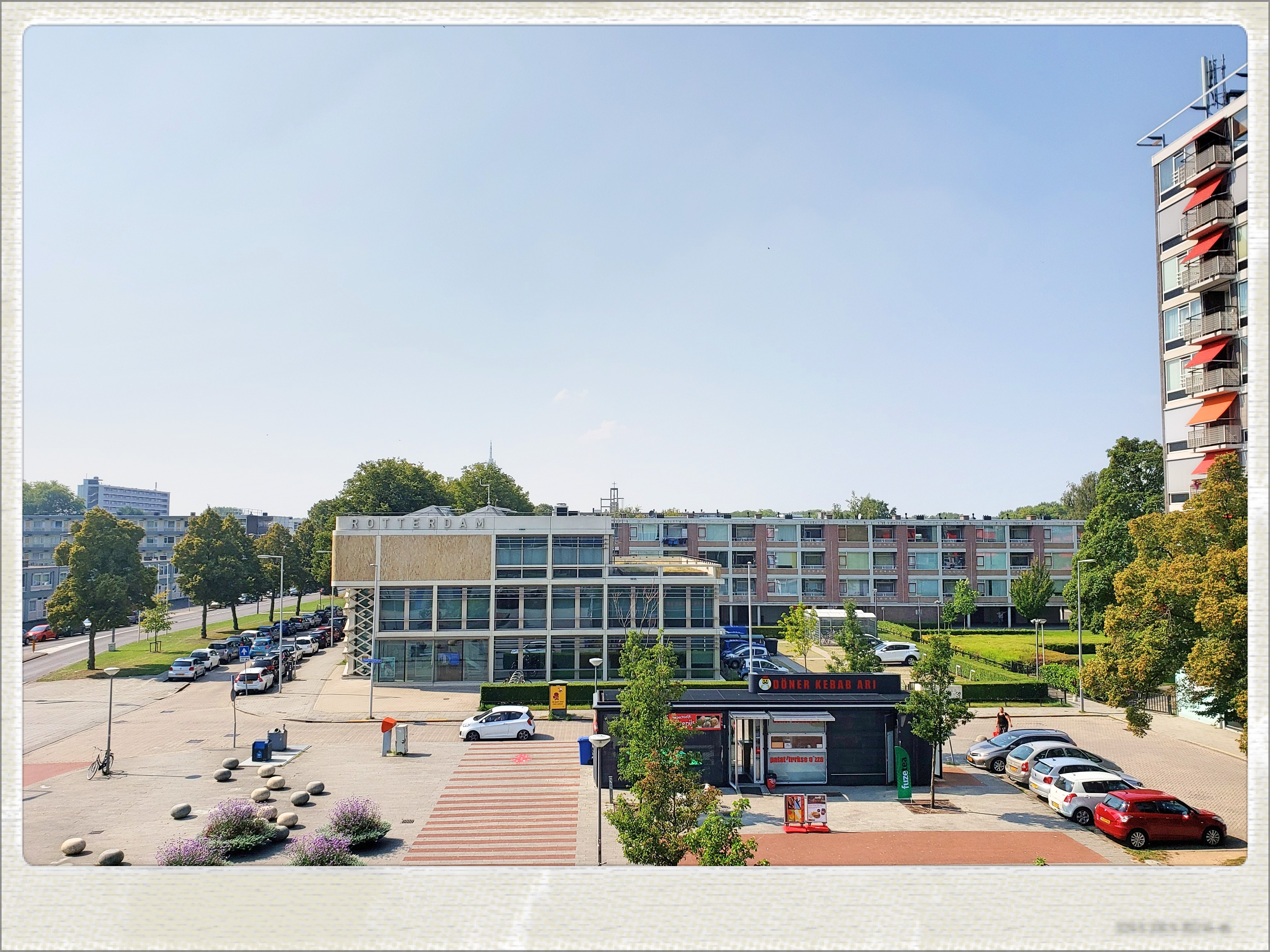
Standing on the simple, clean, amicable station platform, gazing at the tranquil neighborhood of Poortugaal, I smiled in ecstasy at the solo romance of ‘being in the middle of nowhere’
 My Travel Journal ONE